Scientists Discover Fossil of a 15-Foot Crocodile That Likely Hunted Early Humans More Than 3 Million Years Ago
Ancient Africa had fierce crocodiles alongside early human relatives 3 million years ago.
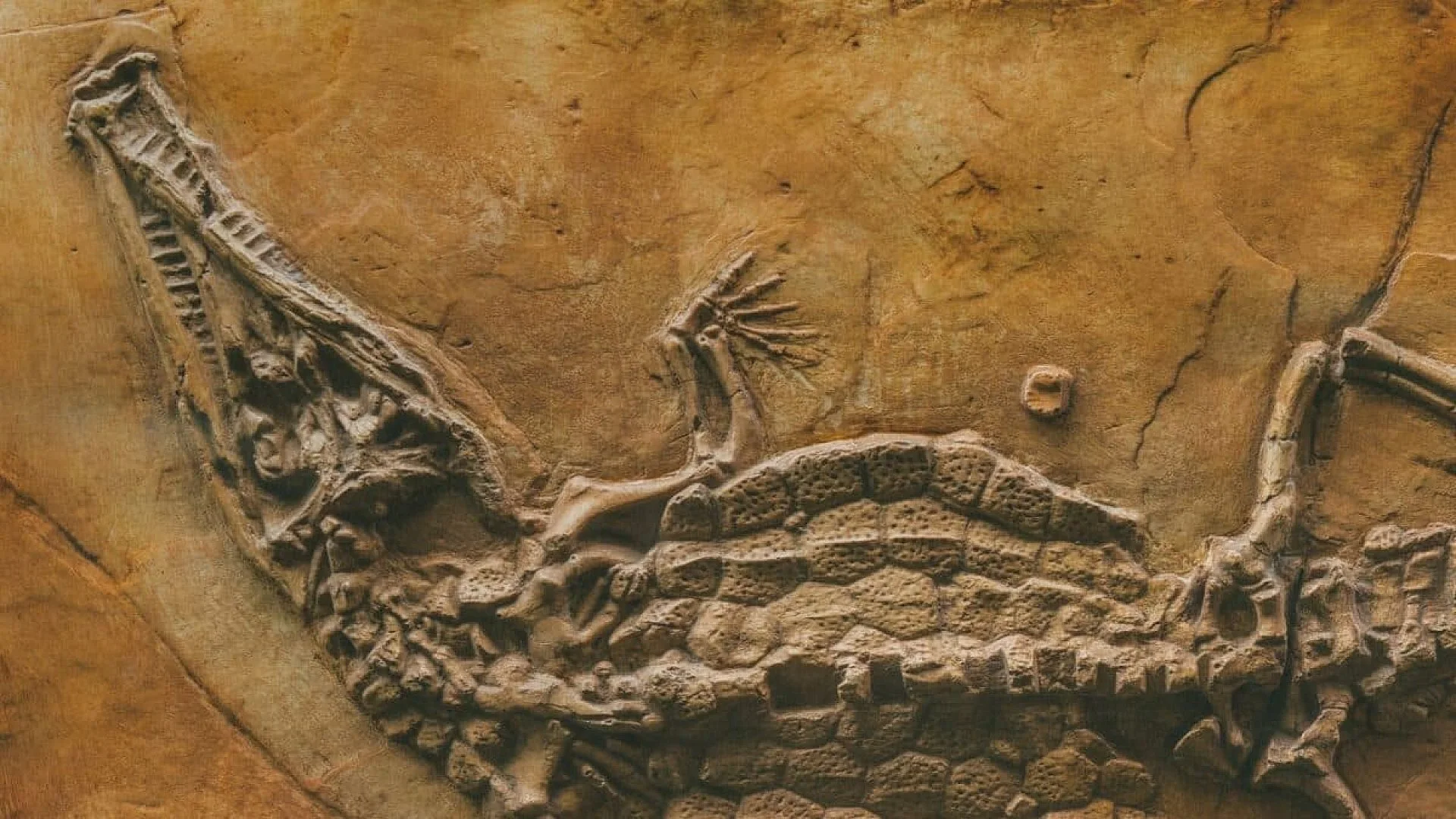
Researchers have uncovered a previously unknown crocodile species that shared the Ethiopian landscape with the famous hominin Lucy over three million years ago. The giant reptile is thought to have dominated the wetlands and river systems that dotted the region.
The animal, dubbed Crocodylus lucivenator—literally “Lucy’s hunter”—was described by an international team led by the University of Iowa in a paper published in the Journal of Systematic Palaeontology. Its identification links one of the world’s most celebrated fossil sites to a top predator that had eluded scientists despite decades of material collection.
Gigantic Apex Predator Roamed Hadar’s Ancient Waters
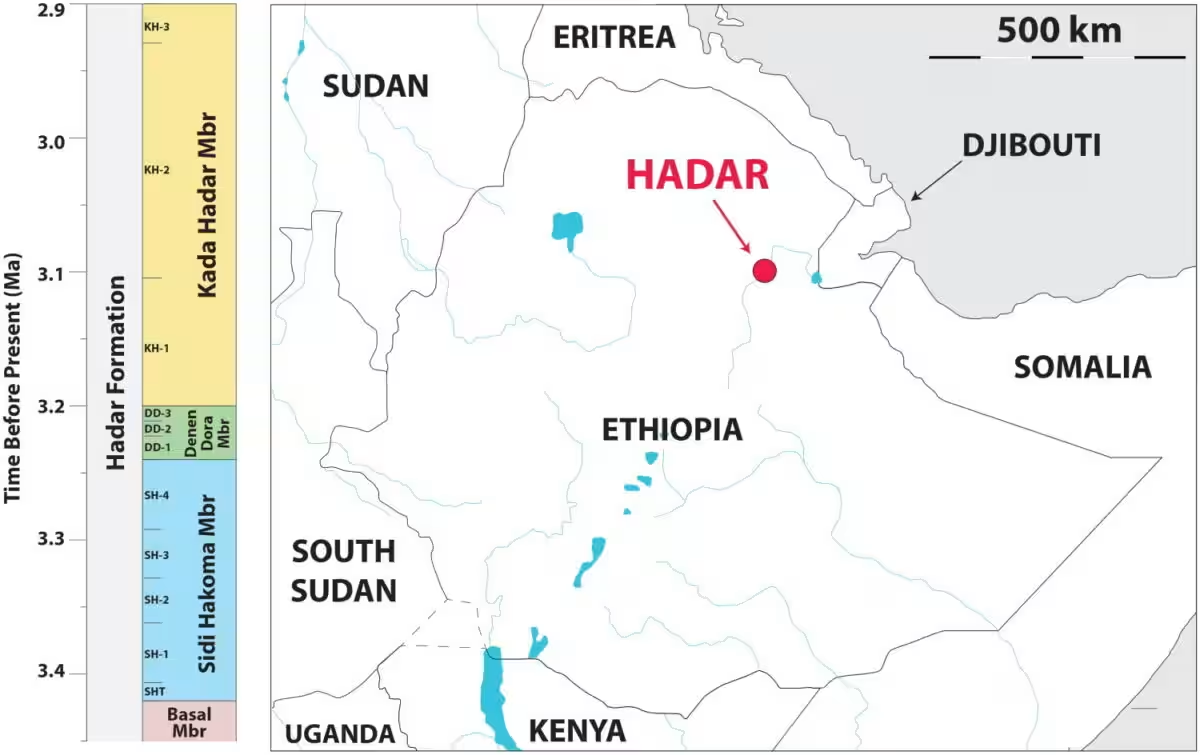
According to the study in the Journal of Systematic Palaeontology, Crocodylus lucivenator inhabited northeastern Ethiopia between roughly 3.4 million and 3 million years ago. Its remains were recovered from the Hadar area of the Afar region, a locale that has yielded fossils crucial to our understanding of human evolution.
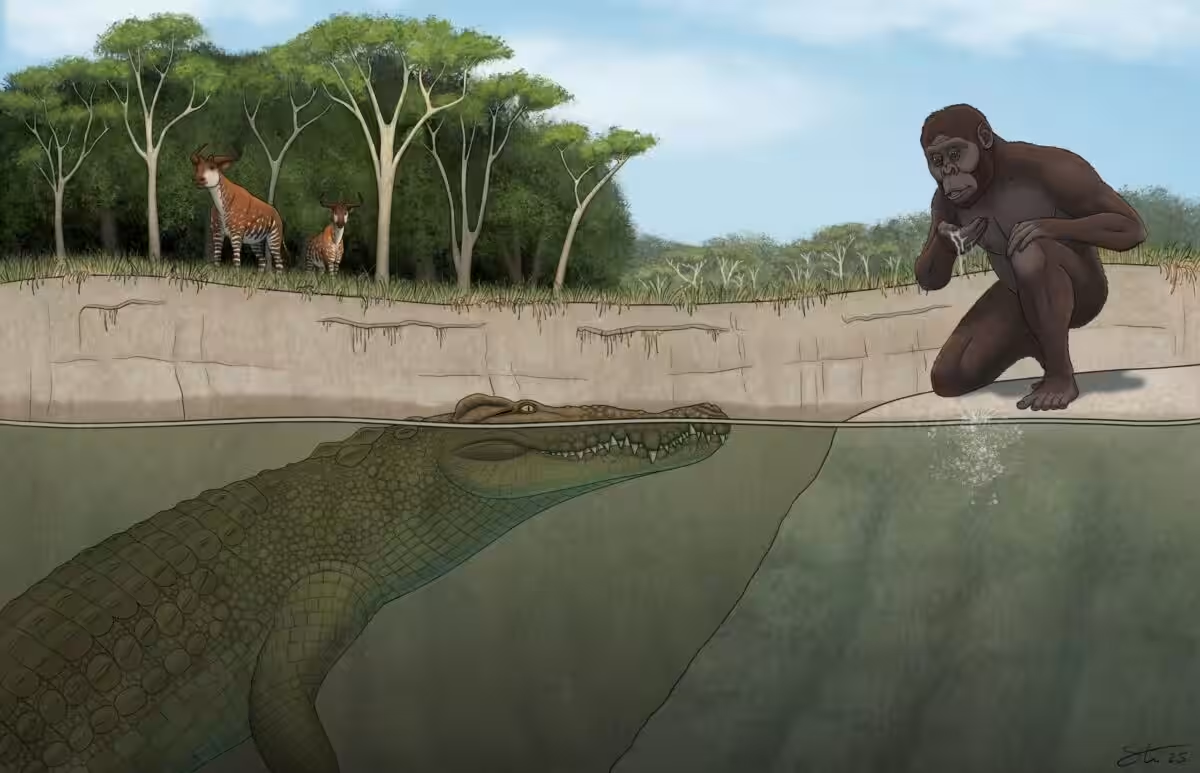
Adult individuals are estimated to have measured 12 to 15 feet in length and weighed between 600 and 1,300 pounds. The crocodile likely employed a classic ambush strategy, remaining concealed beneath the water’s surface before lunging at prey drawn to rivers and lakes.
Christopher Brochu, professor in the Department of Earth and Environmental Sciences at Iowa and corresponding author of the study, said the species occupied the highest predatory position in the ecosystem.
“It was the largest predator in that ecosystem, more so than lions and hyenas, and the biggest threat to our ancestors who lived there during that time,” Brochu said.
Distinctive Snout Reveals a Lost Crocodile Lineage
The material had been stored for years before scientists recognized it represented a separate taxon. Brochu first examined the fossils in 2016 during a museum visit in Addis Ababa and was struck by an unusual combination of features, most notably a raised hump near the middle of the snout.
A comparable structure appears in the modern American crocodile but is absent in Africa’s Nile crocodile. Researchers suggest the hump may have functioned in visual displays.
“You see this in some modern crocodiles,” Brochu explained. “The male will lower his head down a little bit to a female to show it off.”
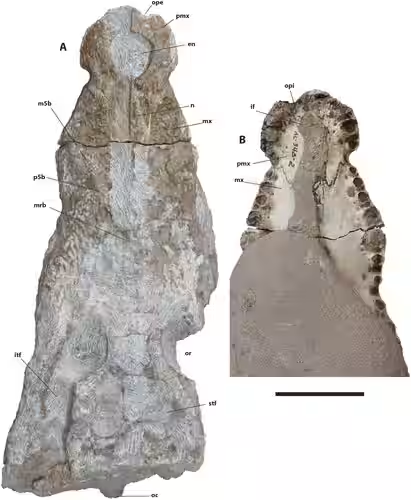
The snout also extended farther beyond the nostrils than in other crocodiles of the same era, giving it a profile reminiscent of some extant species with elongated rostra.
Evidence of Intraspecific Conflict in the Fossil Record
The description rests on 121 cataloged fossils, including skull fragments, teeth, and jaw pieces representing dozens of individuals. Many specimens were incomplete, requiring reconstruction of missing elements to assess overall anatomy. One particular fossil displayed healed injuries that offer a glimpse into the animal’s life history.
Stephanie Drumheller of the University of Tennessee, a co‑author of the paper, said the specimen bears several partially healed wounds along the jaw.
“The fossil record preserves similar injuries in extinct groups as well, so this kind of face‑biting behavior can be found throughout the crocodile family tree,” she said. “We can’t know which combatant came out on top of that fight, but the healing tells us that, winner or loser, this animal survived the encounter.”
Christopher Campisano of Arizona State University added that Hadar’s habitats shifted over time, ranging from woodlands and shrublands to wet grasslands and lakeside environments. Throughout these changes, Crocodylus lucivenator appears to have remained a constant presence.
This article has been fact checked for accuracy, with information verified against reputable sources. Learn more about us and our editorial process.
Last reviewed on .
Article history
- Latest version
Reference(s)
- Brochu, Christopher A.., et al. “Lucy’s peril: A Pliocene crocodile from the Hadar Formation, north-eastern Ethiopia.” Journal of Systematic Palaeontology, vol. 24, no. 1, March 11, 2026 Informa UK Limited, doi: 10.1080/14772019.2026.2614954. <https://www.tandfonline.com/doi/full/10.1080/14772019.2026.2614954>.
- “Christopher Brochu.” School of Earth, Environment, and Sustainability - College of Liberal Arts and Sciences | The University of Iowa <https://sees.uiowa.edu/people/christopher-brochu>.
- “Stephanie Drumheller Horton.” <https://eeps.utk.edu/person/stephanie-drumheller-horton/>.
- “Christopher Campisano | ASU Search.” <https://search.asu.edu/profile/1070879>.
Cite this page:
- Posted by Hassan Raza