Archaeologists Found a 1,000-Year-Old Skeleton in an Eroded Australian Road, and It Was Neither Human nor Dinosaur
Erosion unearthed a collection of ancient bones in a far-flung corner of Australia, sparking an unexpected discovery for researchers.
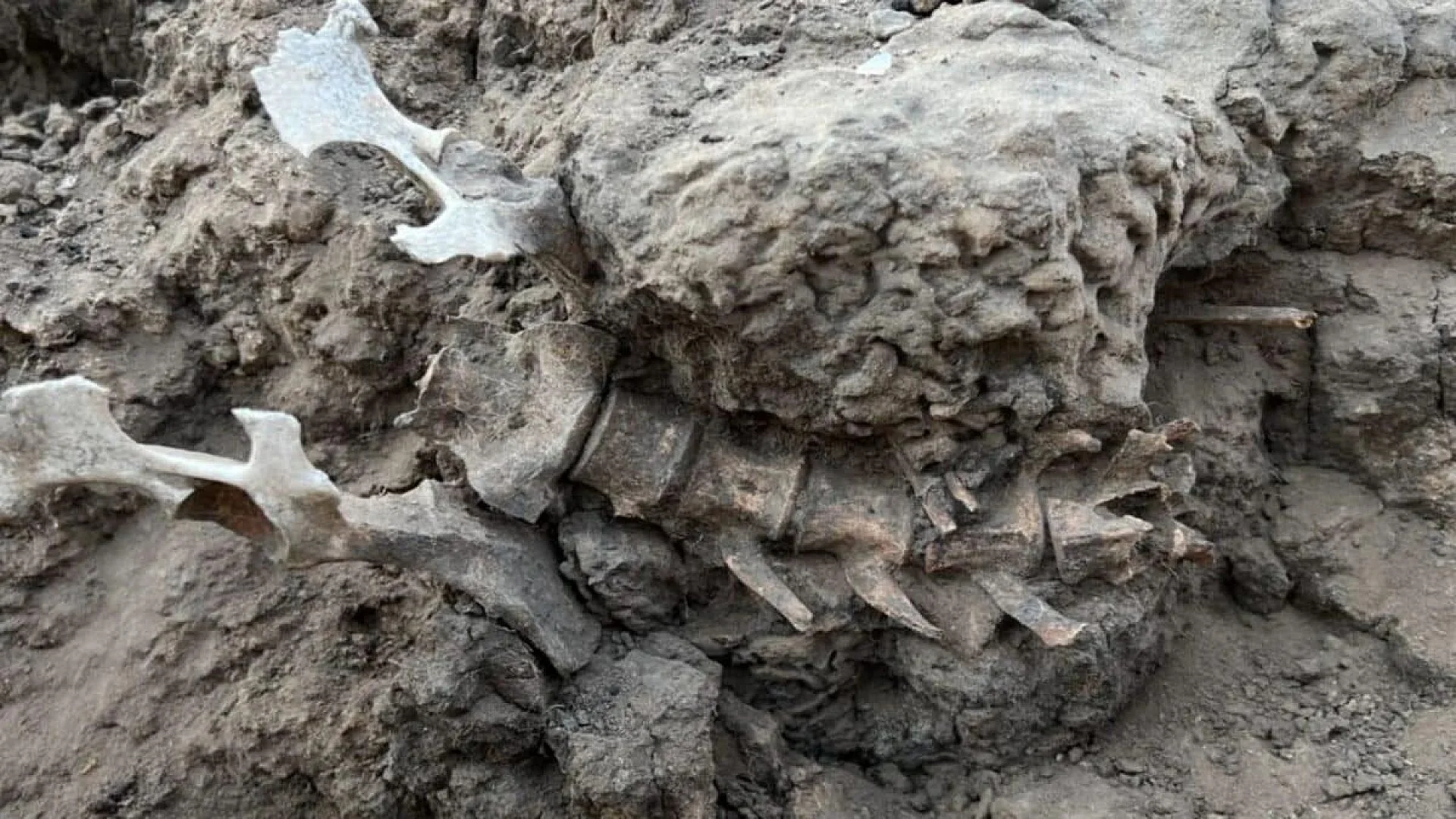
A remarkable discovery along Australia’s Baaka (Darling River) has provided archaeologists with a unique glimpse into the lives of Indigenous communities and their interactions with wild dingoes nearly 1,000 years ago. The well-preserved skeleton of a dingo, discovered through erosion in 2020, has revealed a fascinating story of care and protection, challenging previous assumptions about the relationship between humans and dingoes in ancient times.
The collaboration between Barkindji Elders and researchers from the Australian Museum has shed new light on the significance of dingoes in Indigenous culture. In Barkindji tradition, dingoes, or garli, were integral to everyday and ceremonial life, and their burial practices reflected a deep respect for these animals.
Unveiling the Secrets of the Ancient Dingo Skeleton
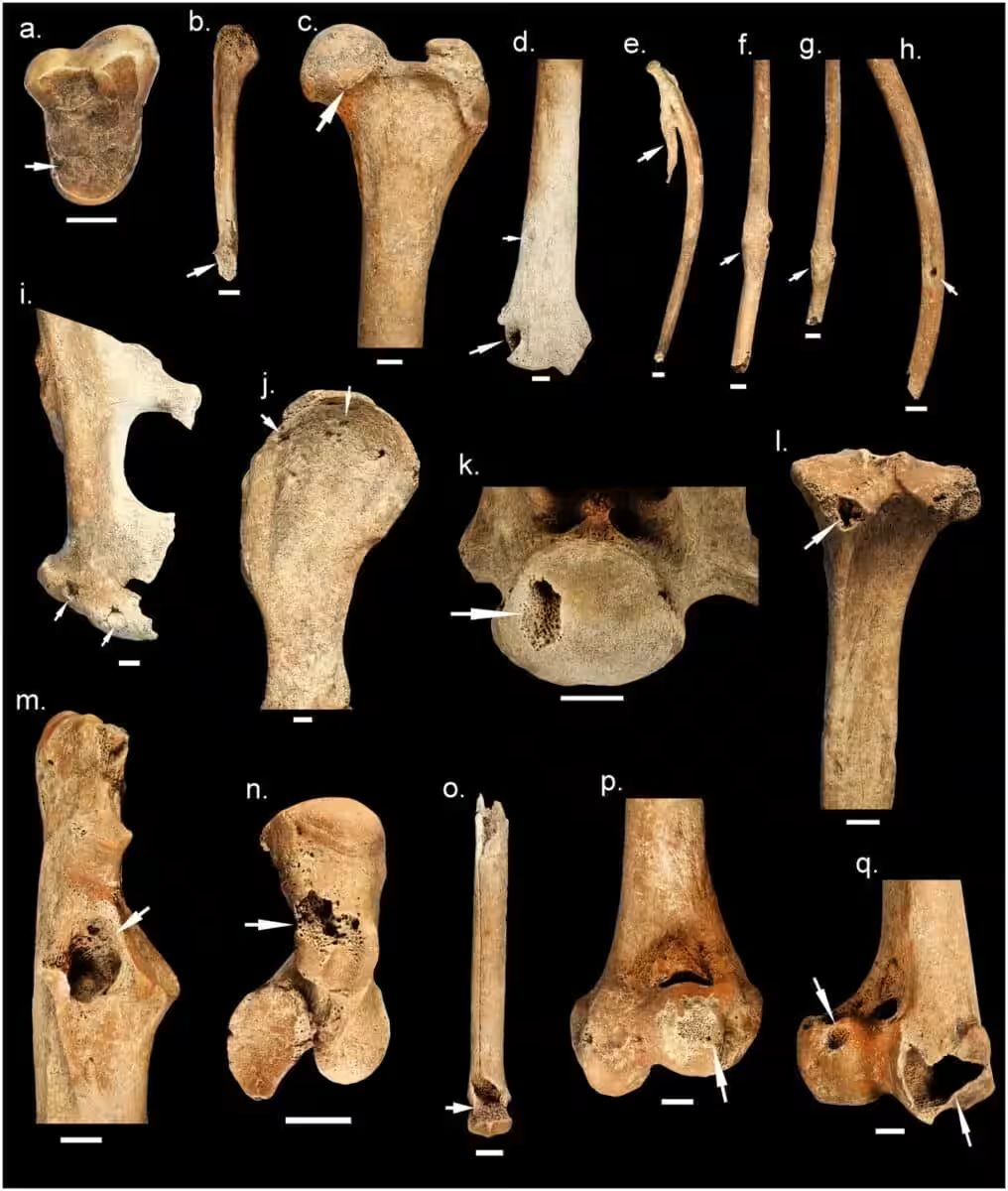
The dingo skeleton, estimated to be between 963 and 916 years old, was found to have survived multiple injuries, including broken ribs and a fractured lower leg, which had healed before its death. The animal’s teeth showed signs of heavy wear, indicating a long and active life spent hunting. The researchers suggest that the injuries may have occurred during a kangaroo hunt, highlighting the dingo’s role as a valued companion and hunting partner.
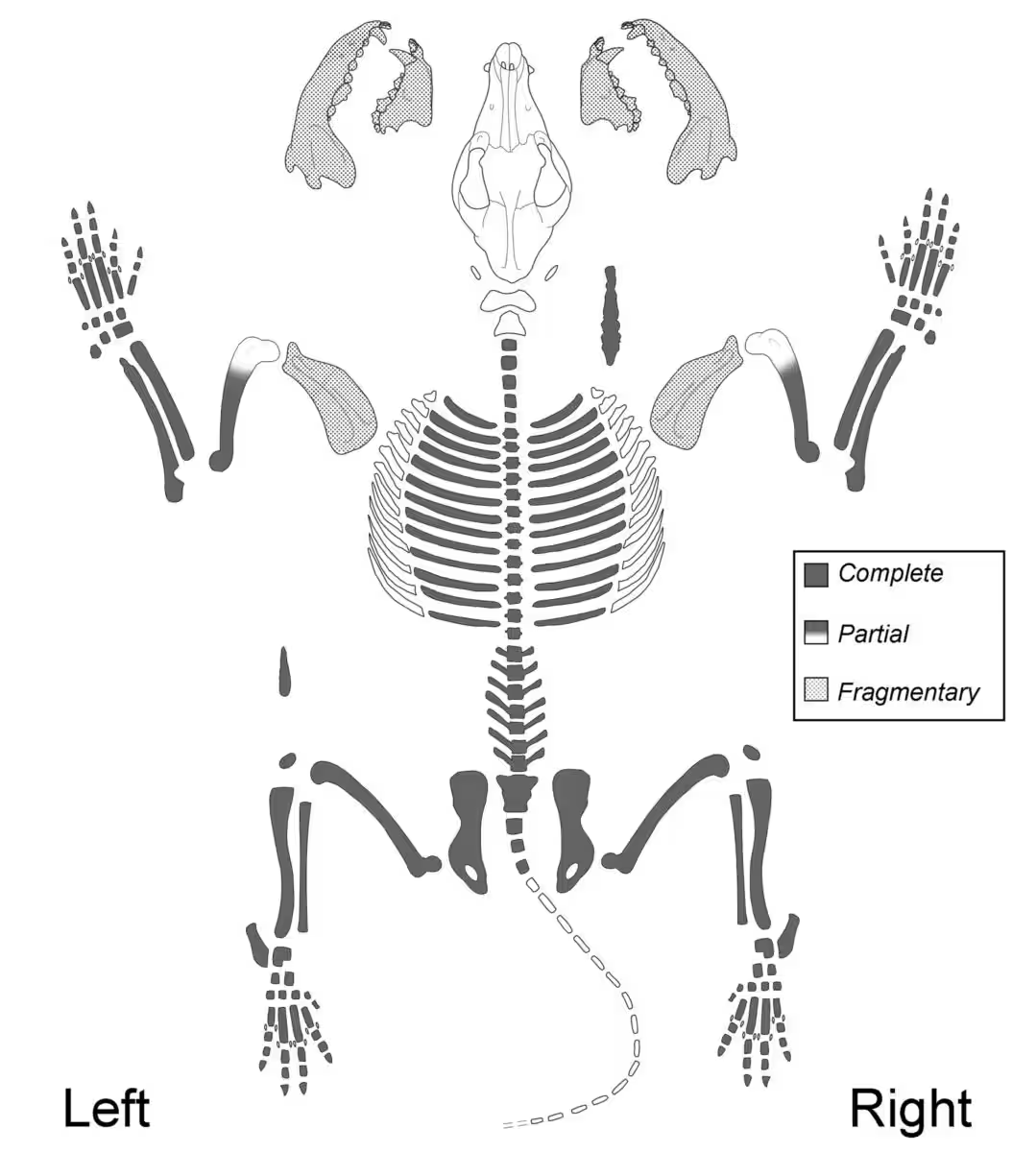
The discovery of the dingo skeleton has also highlighted the significance of the burial site, which was used for centuries after the animal’s death. The researchers believe that the midden, a place where organic material and shells were deposited, was created specifically for the burial or around the same time. The site remained active, with river mussel shells continuing to be added for hundreds of years.
The researchers believe that the burial site was used for a ceremonial “feeding” ritual to honor the dingo as an ancestor, providing the first scientific documentation of this kind of ritual connected to a dingo burial. This discovery highlights the deep and ongoing relationship between humans and dingoes in ancient times, challenging previous assumptions about the role of these animals in Indigenous culture.
A New Perspective on Ancient Traditions
The excavation, carried out with the support of the Menindee Aboriginal Elders Council and Barkindji custodians, has provided a unique opportunity to learn about the lives of Indigenous communities and their interactions with wild dingoes. The researchers stress that the skeleton does not reveal a forgotten tradition but rather provides archaeological evidence supporting knowledge that Barkindji people have always maintained.
After the analysis was completed, the dingo’s remains were returned to “Country,” the term used in Indigenous Australia to describe the spiritual, cultural, and social connection to ancestral land. This decision reflects the deep respect and care that Indigenous communities have for their ancestors and the land they inhabit.
“This research reinforces what Barkindji people have always known,” Dr. Way noted. “These relationships with animals, ancestors and Country were deep, deliberate and ongoing.”
This article has been fact checked for accuracy, with information verified against reputable sources. Learn more about us and our editorial process.
Last reviewed on .
Article history
- Latest version
Cite this page:
- Posted by Hassan Raza