Why You Should Stop Raking Your Leaves This Autumn To Save Thousands Of Insects
A freshly raked lawn might look tidy, but scientists have discovered an alarming process occurring just beneath the bare soil that could impact your yard.
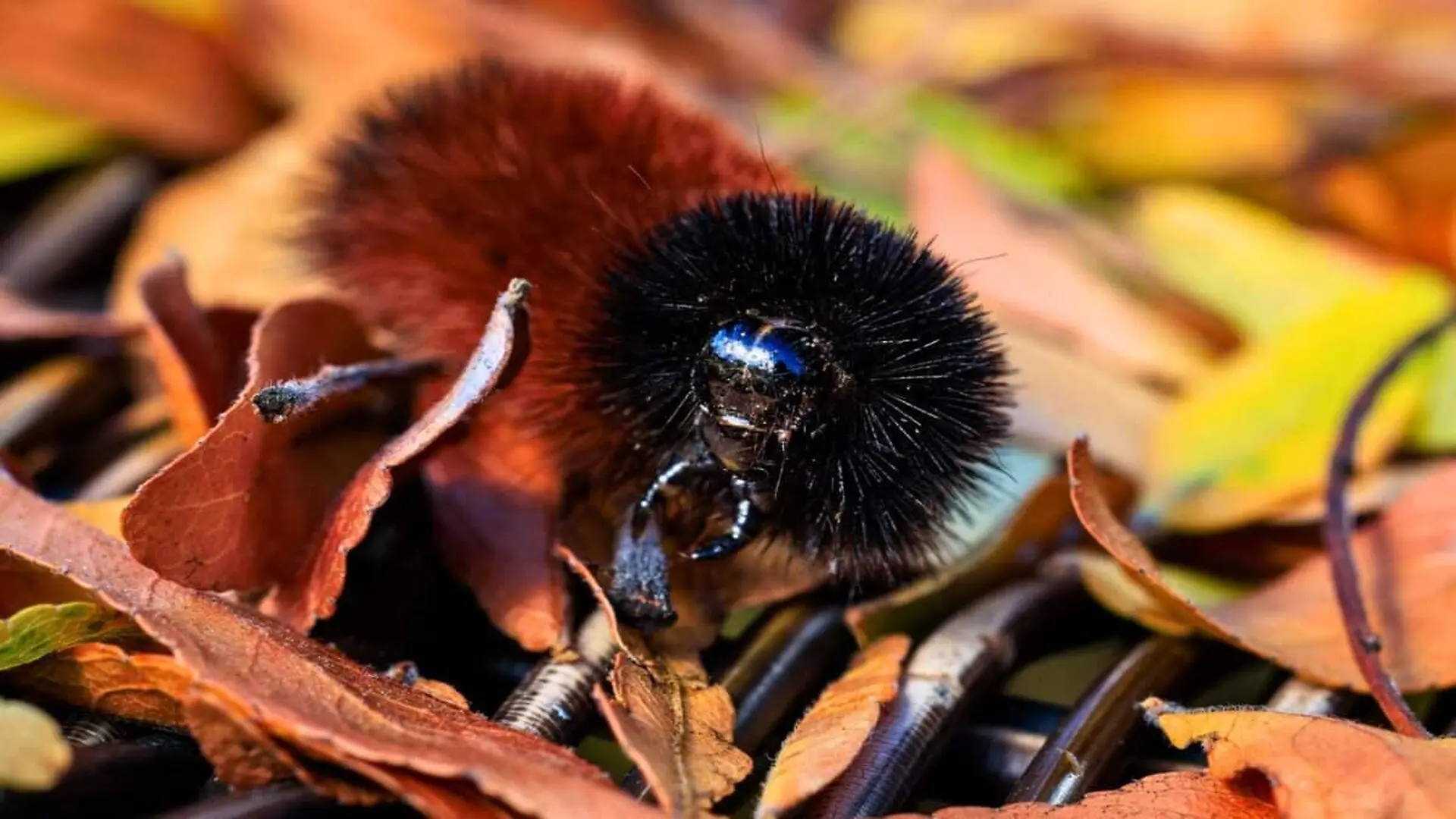
Every autumn, millions of households engage in the ritual of clearing their yards, bagging fallen foliage and setting it at the curb for removal. However, new research suggests that how we manage these leaves is far more critical to local biodiversity than simply keeping a lawn tidy. According to scientists at the University of Maryland, treating fallen leaves as waste rather than a natural resource can devastate the populations of insects that rely on that layer for winter survival.
The ecological disparity is significant. In landscapes where leaves were left undisturbed, nearly 2,000 insects and spiders were found to emerge from every square meter of ground come springtime. In contrast, plots that had been cleared of leaves showed a massive decline in wildlife, with butterfly and moth populations cut nearly in half and spider numbers plummeting even more severely.
The Hidden Cost of Seasonal Cleanup
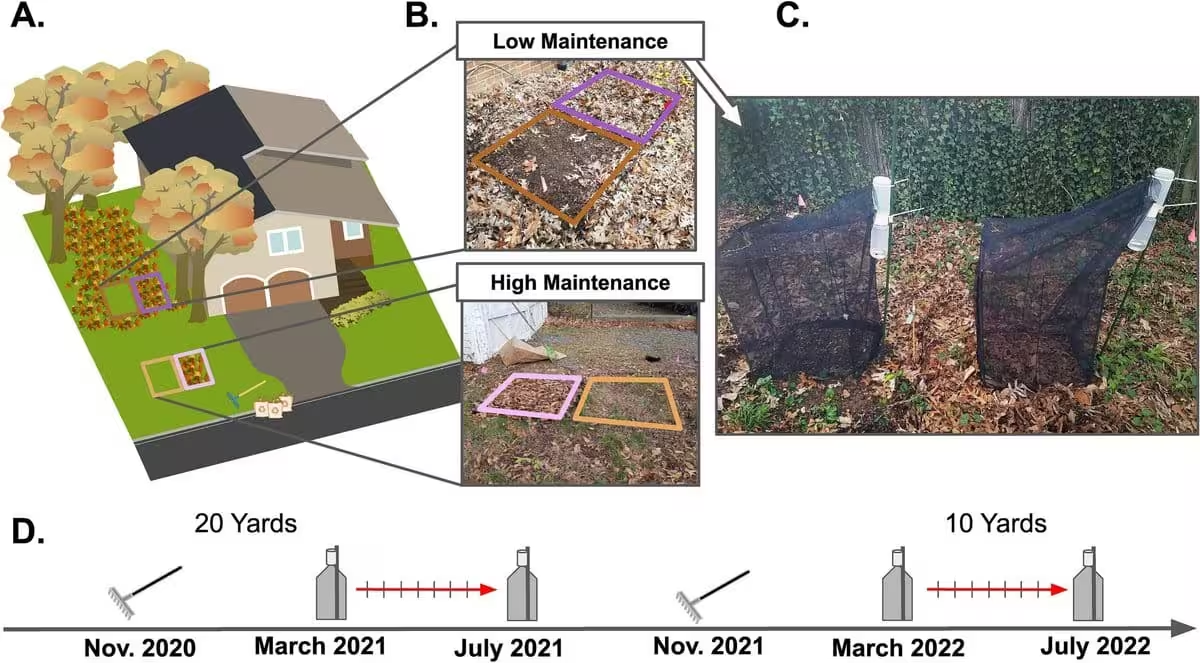
Led by Maryland state entomologist Max Ferlauto and ecologist Karin Burghardt, the study sought to quantify exactly how leaf removal impacts the creatures overwintering in suburban environments. By comparing plots in pesticide-free yards around College Park, the researchers tracked what happened when leaves were raked away versus when they were left in place.
Using emergence traps placed over the ground in early March, the team recorded the diverse array of life that crawled or flew from the soil and leaf litter as the climate warmed. The findings, published in Science of the Total Environment, revealed that clearing leaves led to a 45 percent reduction in emerging butterflies and moths, while spider populations dropped by 67 percent. As summarized by Purdue University’s Landscape Report, the removal process also decimated beetle populations by nearly a quarter.
Microhabitats Under Siege
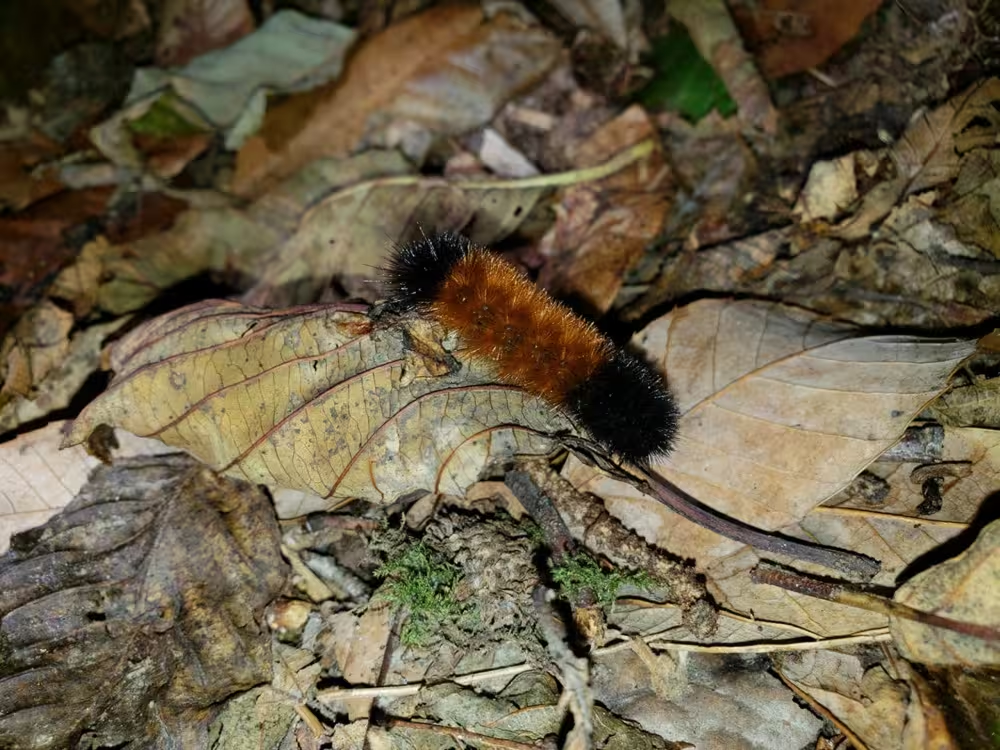
Many insects spend their winter cycles as eggs, pupae, or larvae, hiding within the protective embrace of leaf litter or just beneath the soil surface. This layer of organic matter acts as a critical insulating blanket, buffering organisms against hard frosts and volatile temperature shifts during early spring. By stripping the ground bare, homeowners inadvertently subject these creatures to lethal exposure or environmental instability.
The impact extends well beyond the survival of individual insects. Ferlauto’s research highlights how the loss of these species disrupts the broader garden ecosystem. Parasitic wasps, which help suppress garden pests like aphids, depend on these overwintering sites, as do spiders and ground beetles that naturally manage pest populations.
Why Spring Cleaning is Not a Solution
Some gardeners delay their cleanup until spring, hoping to give insects enough time to vacate the area. However, the Maryland data indicates that there is no uniform “all-clear” moment. Insects continue to emerge from the leaf litter throughout the spring and into the summer, meaning a deep cleanup in March or April can still destroy vast numbers of creatures that have yet to emerge.
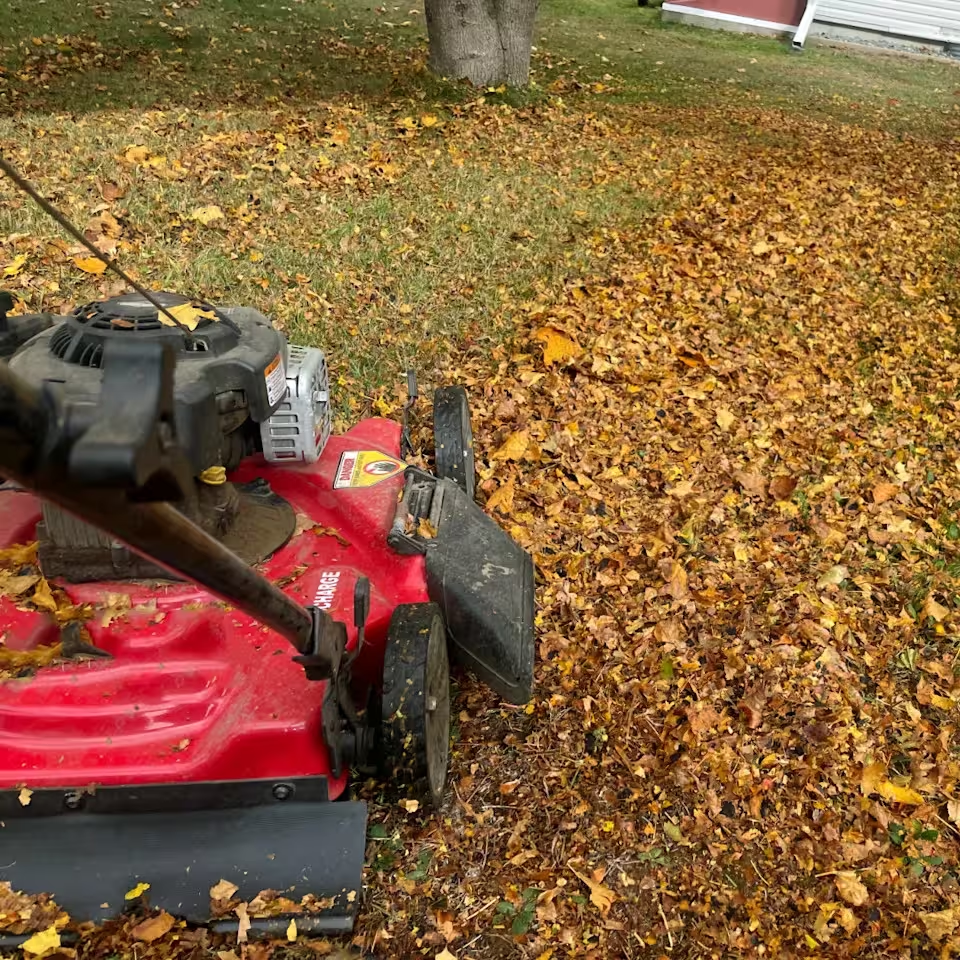
Furthermore, mechanical solutions like shredding or mulching with a mower are just as lethal as raking. Ferlauto notes that shredding leaves effectively kills the insects clinging to them, and bagging leaves usually leads to the death of the inhabitants before the waste reaches a compost site.
Long-Term Soil Health
The negative consequences of leaf removal compound over time. A 2024 companion study published in Plants, People, Planet found that yards with a history of leaf removal suffered from slower decomposition rates and lower soil carbon levels. Fallen leaves are a vital source of nutrients; as they break down, they nourish the fungi and microbes that maintain soil health. Repeatedly removing this organic input depletes the soil, creating a feedback loop that lowers the overall quality of the garden environment.
How to Manage Leaves Responsibly
You do not need to let your entire lawn disappear under a blanket of leaves to support local wildlife. Experts suggest focusing on moving leaves to areas where they provide the most benefit, such as flower beds or under shrubs, rather than discarding them entirely.
To cultivate a more insect-friendly yard, consider these strategies:
- Repurpose, Don’t Remove: Rake leaves away from lawn paths and turf, moving them into garden beds or around the base of trees.
- Create “Soft Landings”: Build shallow piles of leaves under trees, using logs or stones to hold them in place. These areas serve as essential landing zones for insects dropping from the canopy.
- Maintain Natural Placement: Keep leaf piles in areas where they would naturally accumulate, such as under established shrubs and trees, rather than hiding them behind sheds.
- Avoid Mechanical Interference: Skip the use of shredders, mowers, and plastic bags, all of which kill or trap insects.
- Add Shelter: Retain loose twigs and branches, which offer critical nesting sites for species like bumblebee queens during the winter months.
Even small efforts in an otherwise tidy neighborhood can provide a crucial refuge for insects, hedgehogs, and other garden visitors. By simply changing how we view “garden waste,” we can turn our own backyards into vital corridors for biodiversity.
This article has been fact checked for accuracy, with information verified against reputable sources. Learn more about us and our editorial process.
Last reviewed on .
Article history
- Latest version
Reference(s)
- Ferlauto, Max., et al. “Removing autumn leaves in residential yards reduces the spring emergence of overwintering insects.” Science of The Total Environment, vol. 970, March 1, 2025, pp. 178821 Elsevier BV, doi: 10.1016/j.scitotenv.2025.178821. <https://doi.org/10.1016/j.scitotenv.2025.178821>.
- Kelley, Alicia. “Leave the leaves – bugs are sleeping!.”, October 28, 2025 Purdue Landscape Report <https://purduelandscapereport.org/article/leave-the-leaves-bugs-are-sleeping/>.
Cite this page:
- Posted by Hassan Raza