Gut Bacteria From Young Mice Reopen Critical Brain Plasticity Window
Transferring gut microbes from young to old mice revives age‑related brain plasticity, showing microbiome’s role in cognitive rejuvenation.
Neuroplasticity – the brain’s capacity to rewire its connections – is especially evident in amblyopia, a visual disorder that affects roughly 100 million people worldwide and is commonly referred to as lazy eye. In this condition the visual system strengthens the pathway from one eye while the opposite eye receives weaker input. Early intervention, typically by patching the dominant eye, can restore balance, but the window for effective treatment narrows sharply with age.
Increasingly, scientists are looking beyond the retina to the gut microbiome for clues about why this plasticity window closes and whether it can be reopened. A collaborative team from Italy’s Sant’Anna School of Advanced Studies and the University of California, Irvine set out to test the hypothesis that intestinal bacteria might directly modulate the brain’s ability to adapt, using mouse models to explore the link.
Antibiotic Disruption of the Microbiome Suppresses Visual Cortex Plasticity
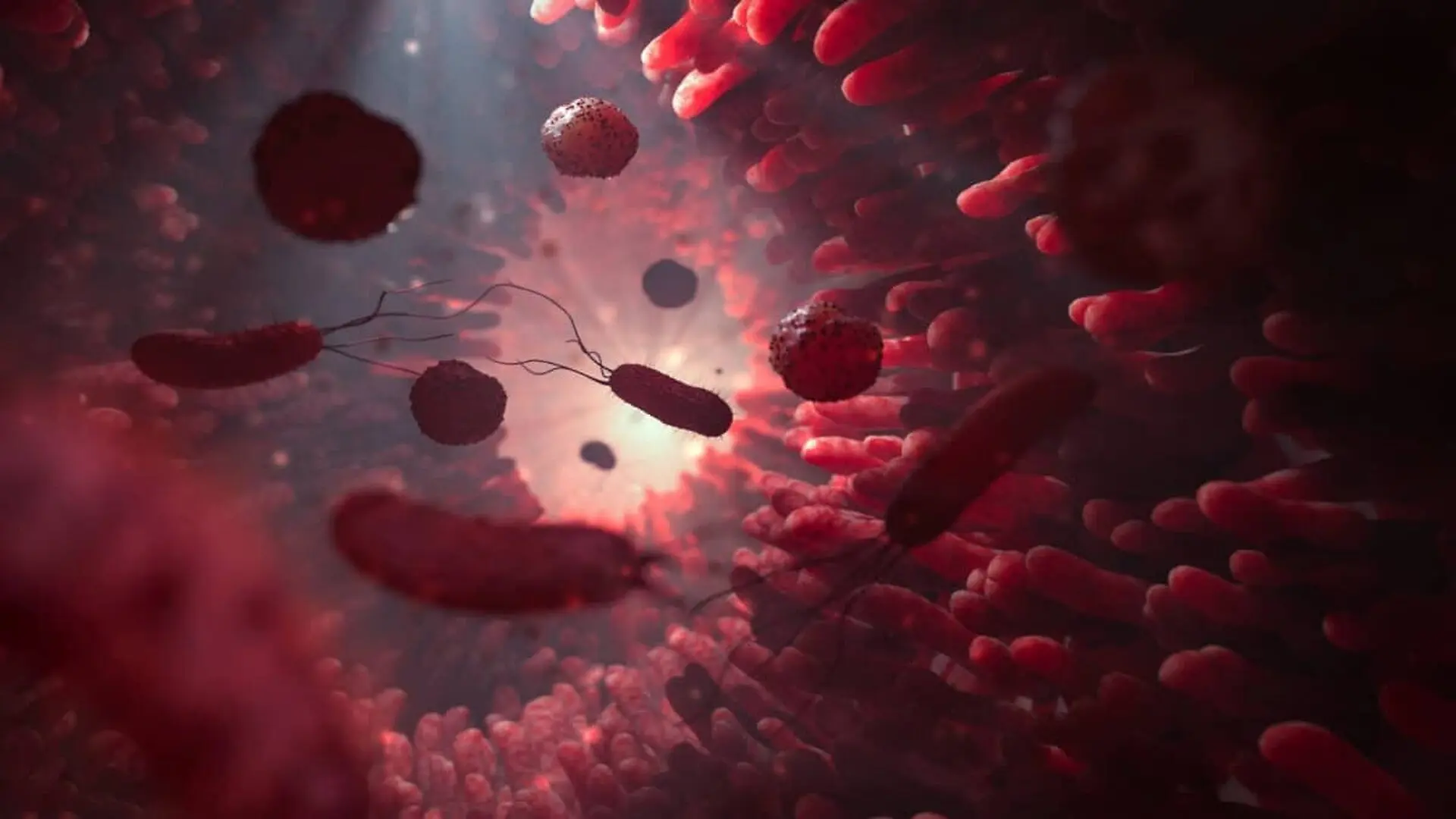
The investigators first administered a broad‑spectrum antibiotic cocktail to one cohort of mice for ten days, dramatically lowering populations of two beneficial bacterial families – Lachnospiraceae, known for neuroprotective effects, and Muribaculaceae, a dominant gut resident. A control group received no antibiotics and maintained its native microbiota.
Both groups then underwent a three‑day monocular deprivation protocol that mimics amblyopia, while the researchers recorded neural activity from the uncovered eye. Only the mice with an intact gut microbiome displayed the expected increase in cortical responsiveness, indicating that antibiotic‑induced dysbiosis blunted the brain’s plastic response.
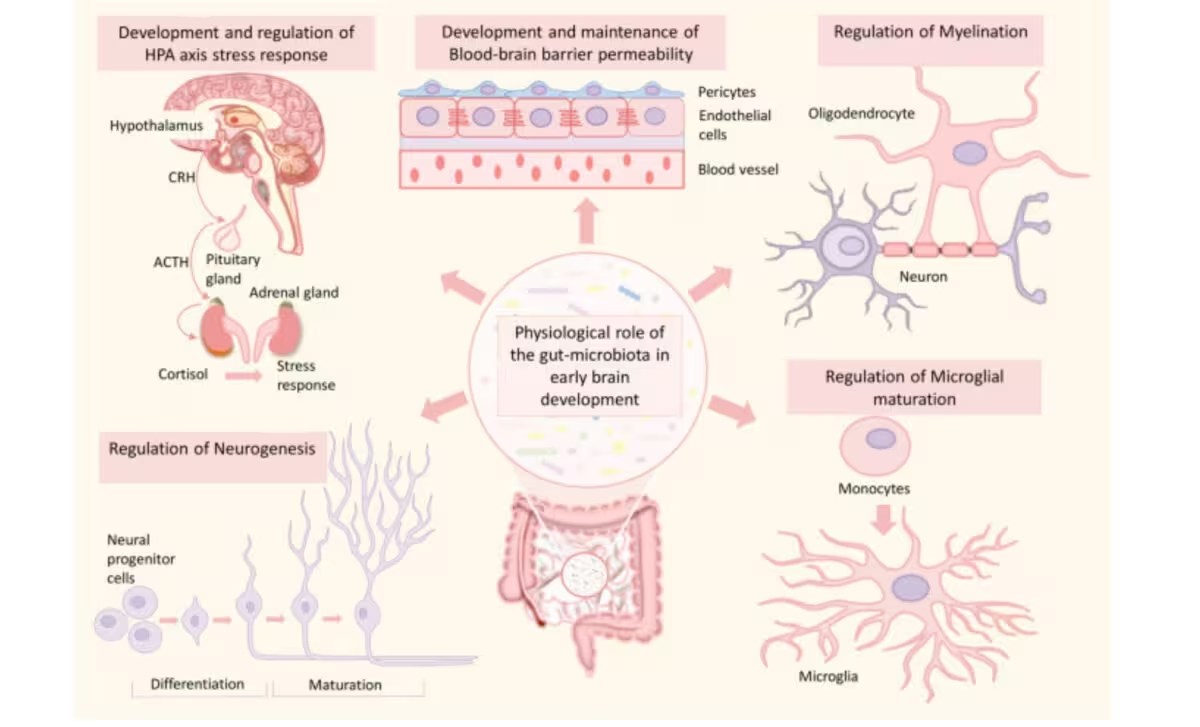
In a preprint posted on bioRxiv, the authors report that antibiotic treatment reshaped the gut microbial community and triggered widespread transcriptional changes in the visual cortex, including genes linked to extracellular matrix remodeling, blood‑brain barrier integrity, and myelination.
Transferring Youthful Microbiota Restores Plasticity in Adult Mice
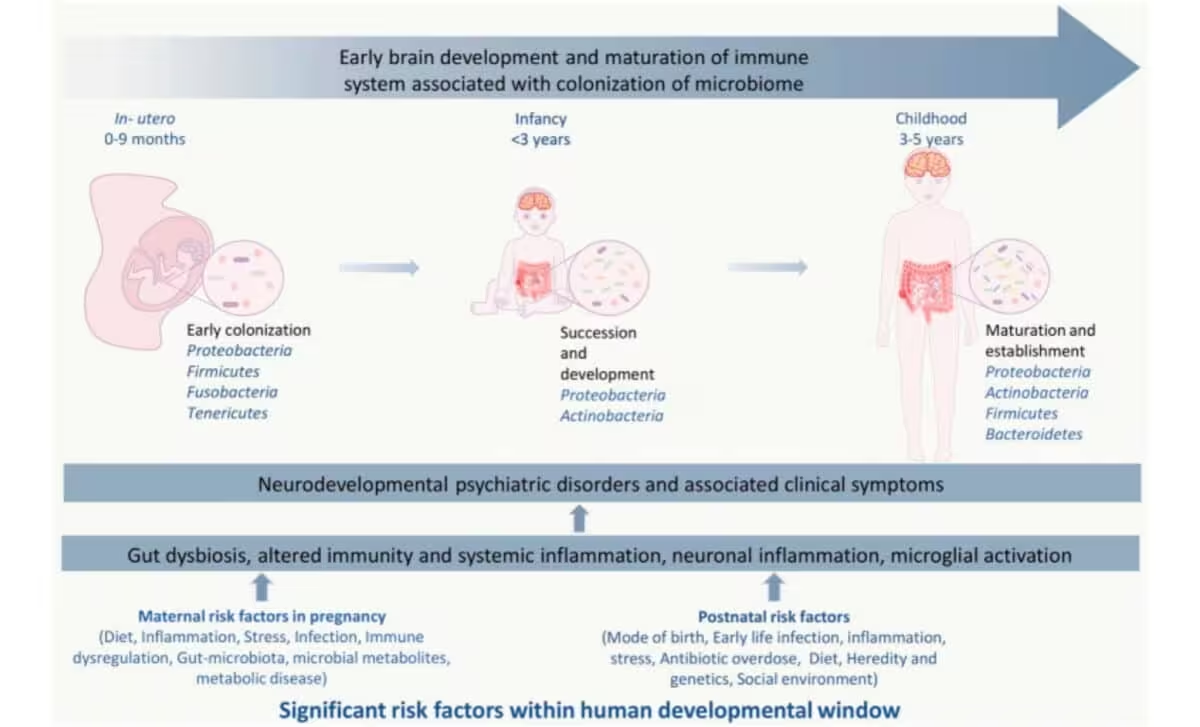
Having shown that microbiome depletion hampers plasticity, the team asked whether introducing a juvenile microbial profile could revive it. They performed fecal microbiota transplants on four‑month‑old mice – an age well beyond the typical six‑to‑eight‑week developmental peak. One group received fecal material from 30‑day‑old donors, while a second group received transplants from age‑matched donors.
When the monocular deprivation assay was repeated, only the mice that received the young‑donor microbiota exhibited the hallmark increase in cortical responsiveness. The researchers describe this outcome as a landmark demonstration that the “juvenile plasticity” state can be transferred to mature animals via gut microbiota, providing one of the clearest pieces of evidence that intestinal bacteria can directly shape a measurable brain function.
Gut Microbes May Define Critical Periods of Neural Circuit Stabilization
Beyond the amblyopia model, these findings prompt a re‑evaluation of how the gut‑brain axis is conceptualized. Prior work has linked the microbiome to processes such as neurogenesis, myelination, and blood‑brain barrier maintenance, and to psychiatric conditions including depression, anxiety, and Alzheimer’s disease. The new data suggest a more precise role: gut bacteria might dictate the timing and mechanisms by which neural pathways become permanently wired during development.
The authors emphasize that, for the first time, their study demonstrates that intestinal microbes are not merely modulators of brain activity but may actively influence the stabilization of neural circuits during critical developmental windows, with lasting effects.
They also note that translating these results from mice to humans will require additional investigation to pinpoint the molecular pathways involved. Nonetheless, the work strengthens the argument that nurturing a healthy gut could be as essential for early brain development as conventional brain‑health practices.
This article has been fact checked for accuracy, with information verified against reputable sources. Learn more about us and our editorial process.
Last reviewed on .
Article history
- Latest version
Reference(s)
- “What Is Lazy Eye? - Optometrists.org.”, March 28, 2020 Optometrists.org <https://www.optometrists.org/vision-therapy/vision-therapy-for-lazy-eye/amblyopia-lazy-eye/>.
- , doi: 10.64898/2026.06.08.730811v1.full.pdf. <https://www.biorxiv.org/content/10.64898/2026.06.08.730811v1.full.pdf>.
Cite this page:
- Posted by Hassan Raza