Fossil Eggshells Reveal 40% Drop in Plant Activity 15 Million Years Ago
Scientists decode 15‑million‑year‑old fossil eggs, unveiling hidden clues to Earth’s distant past.
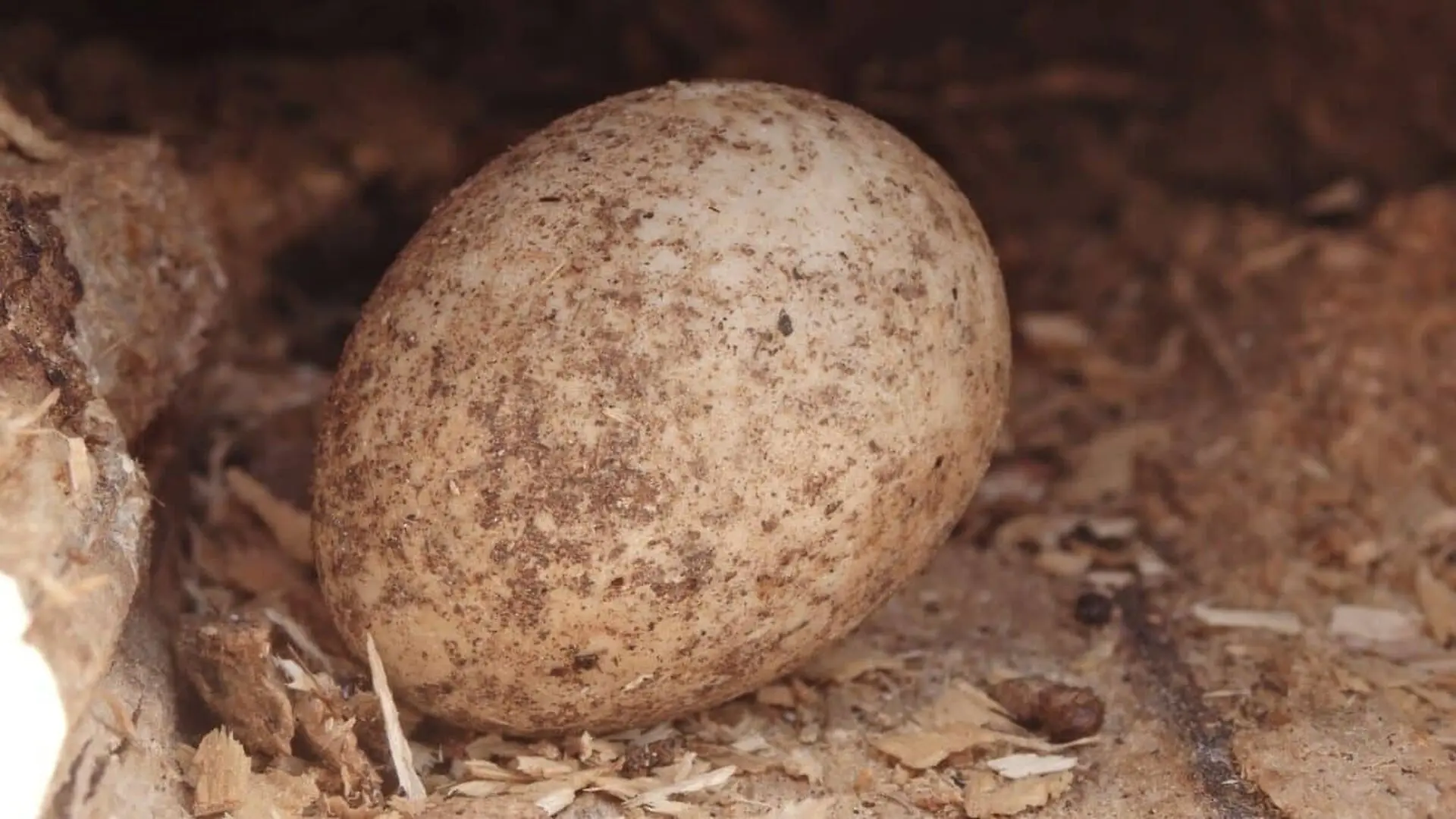
Researchers have tapped fossilized eggshells from gigantic birds that roamed more than 15 million years ago to probe how vegetation behaved during a markedly warmer interval in Earth’s history. By measuring a scarce form of oxygen trapped inside the shells, the team uncovered signals that imply ancient plant photosynthesis was considerably weaker than today’s.
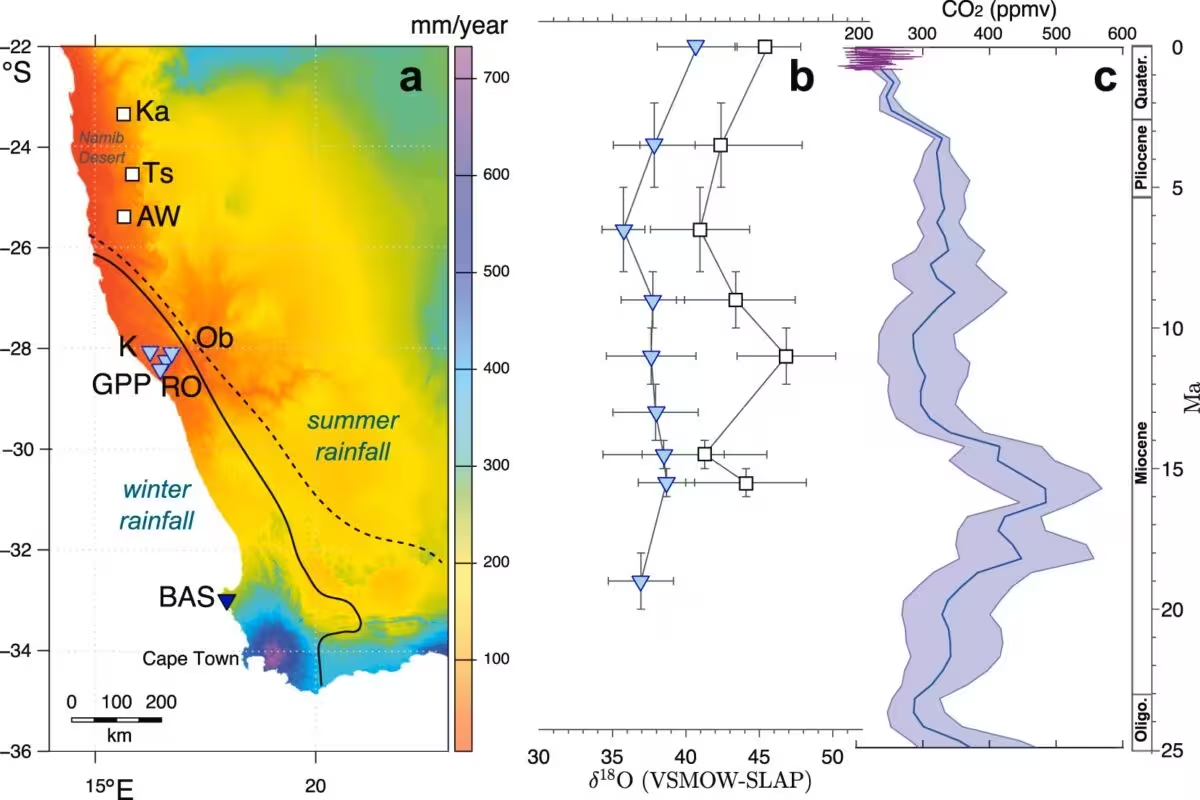
The interval in question, the middle Miocene (approximately 17–15 million years ago), serves as one of the few natural analogues for a hot Earth. Carbon dioxide concentrations were modestly elevated, global temperatures rose, sea levels were higher, and expansive polar ice caps had yet to form.
Ancient Bird Shells Capture Unusual Atmospheric Clues
The investigation centered on eggshell fragments recovered from the region that now forms the Namib Desert, extending across Angola, Namibia and South Africa. Within these shells, scientists quantified the stable isotope oxygen‑17, a tracer that records atmospheric processes dating back to the Miocene.
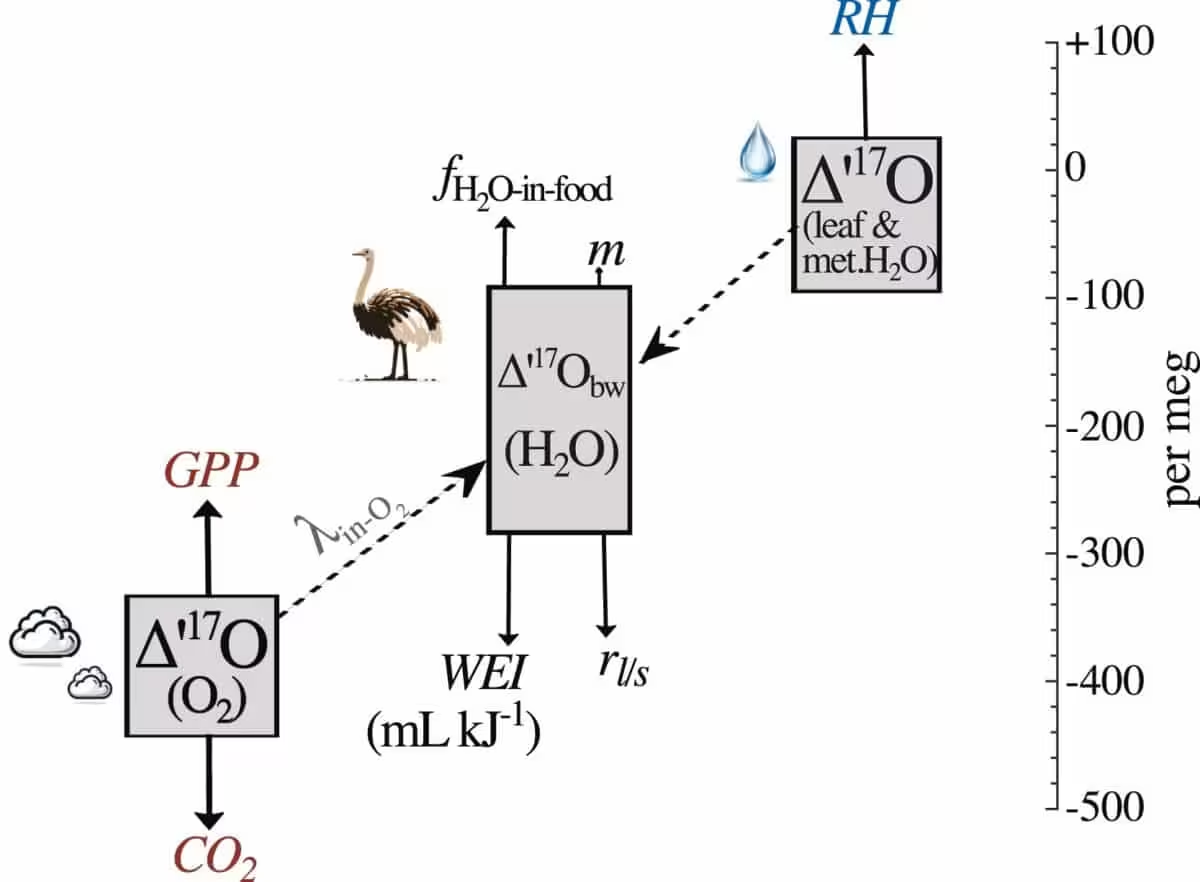
Oxygen‑17 originates in the upper atmosphere through reactions involving ozone and sunlight, eventually entering carbon dioxide. During photosynthesis, plants draw down this CO₂, altering the atmospheric balance of oxygen‑17. Birds ingest the altered isotopic signature via the air they breathe, the food they consume, and the water they drink, and the signature becomes locked in their calcified eggshells.
Extracting oxygen‑17 from fossils has long been hampered by the isotope’s rarity. The authors introduced a laser‑based protocol that consumes tenfold less material than earlier techniques, permitting analysis of fragile specimens while preserving most of each sample.
Using Oxygen‑17 to Infer Past Vegetation Growth
By translating oxygen‑17 concentrations into estimates of primary productivity—the rate at which plants sequester CO₂—the team provided a window onto ancient ecosystem function. Direct quantification of productivity for vanished habitats is impossible, and even modern satellite observations cannot reconstruct biological activity from deep time. Consequently, scientists rely on proxies preserved in geological archives.
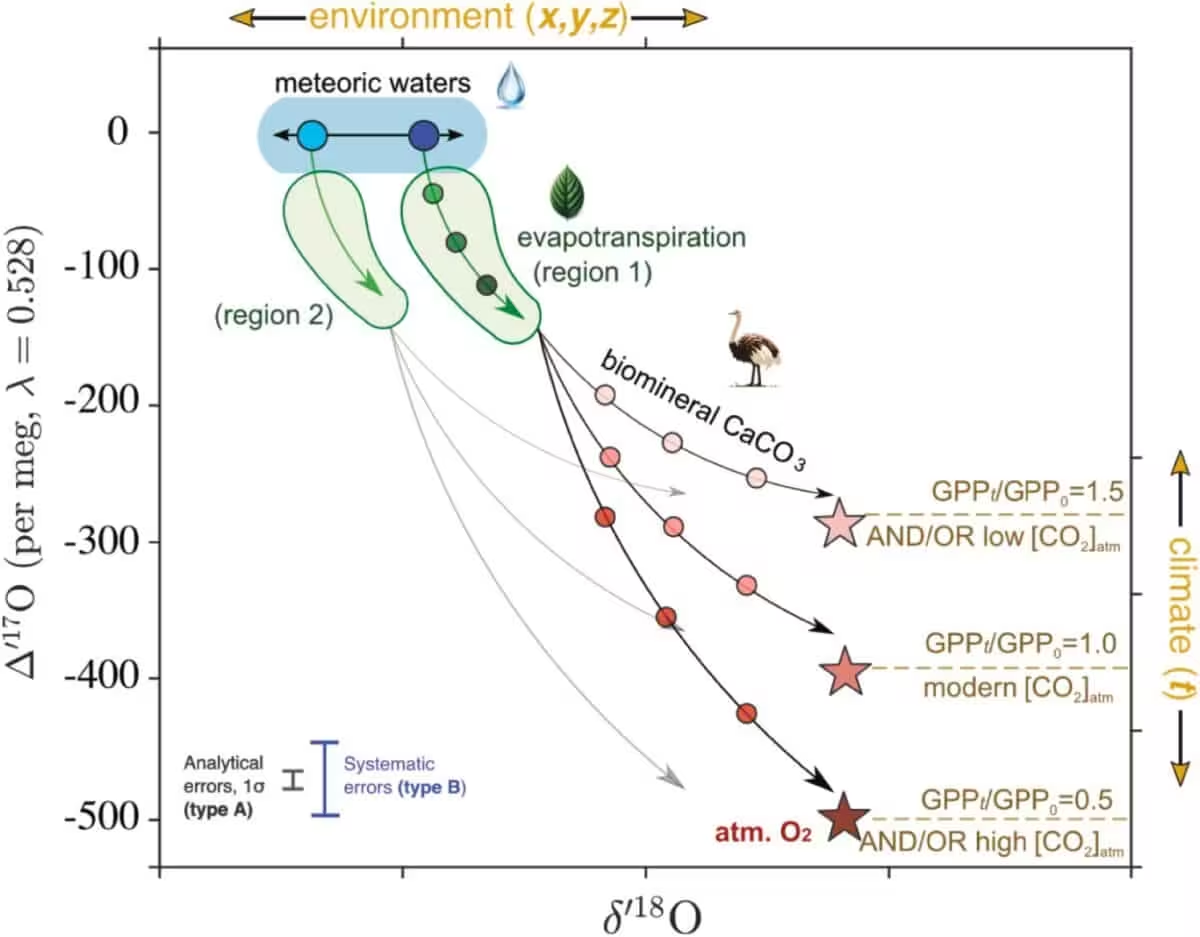
The study, published in Geochimica et Cosmochimica Acta, argues that higher plant activity draws down both carbon dioxide and its associated oxygen‑17, imprinting a depleted signal in animal hard parts such as eggshells and teeth. This proxy extends far beyond the temporal reach of ice‑core records, opening a new avenue for reconstructing greenhouse periods.
Evidence Points to Reduced Plant Photosynthesis in the Mid‑Miocene
After assembling the prototype instrument during the 2020 lockdown, the researchers spent three years processing dozens of eggshell specimens. Their analysis indicates that around 15 million years ago the biosphere operated at a slower pace than today, with vegetation estimated to be roughly 40 % less efficient at carbon uptake.
The authors caution that the oxygen‑17–productivity relationship is still being refined. Independent laboratories will need to replicate the findings before the method can be fully validated.
Overall, the work demonstrates that fossil eggshells can retain intricate chemical signatures of ancient atmospheres, providing a novel tool for exploring how the carbon cycle and vegetation responded during one of Earth’s most recognizable greenhouse epochs.
This article has been fact checked for accuracy, with information verified against reputable sources. Learn more about us and our editorial process.
Last reviewed on .
Article history
- Latest version
Cite this page:
- Posted by Hassan Raza