Meet the 30‑Foot Dinosaur With 500 Teeth That Renewed Every Two Weeks
A Sahara dig uncovers a highly specialized dinosaur, with skull findings that reshape scientists’ view of this ancient giant.
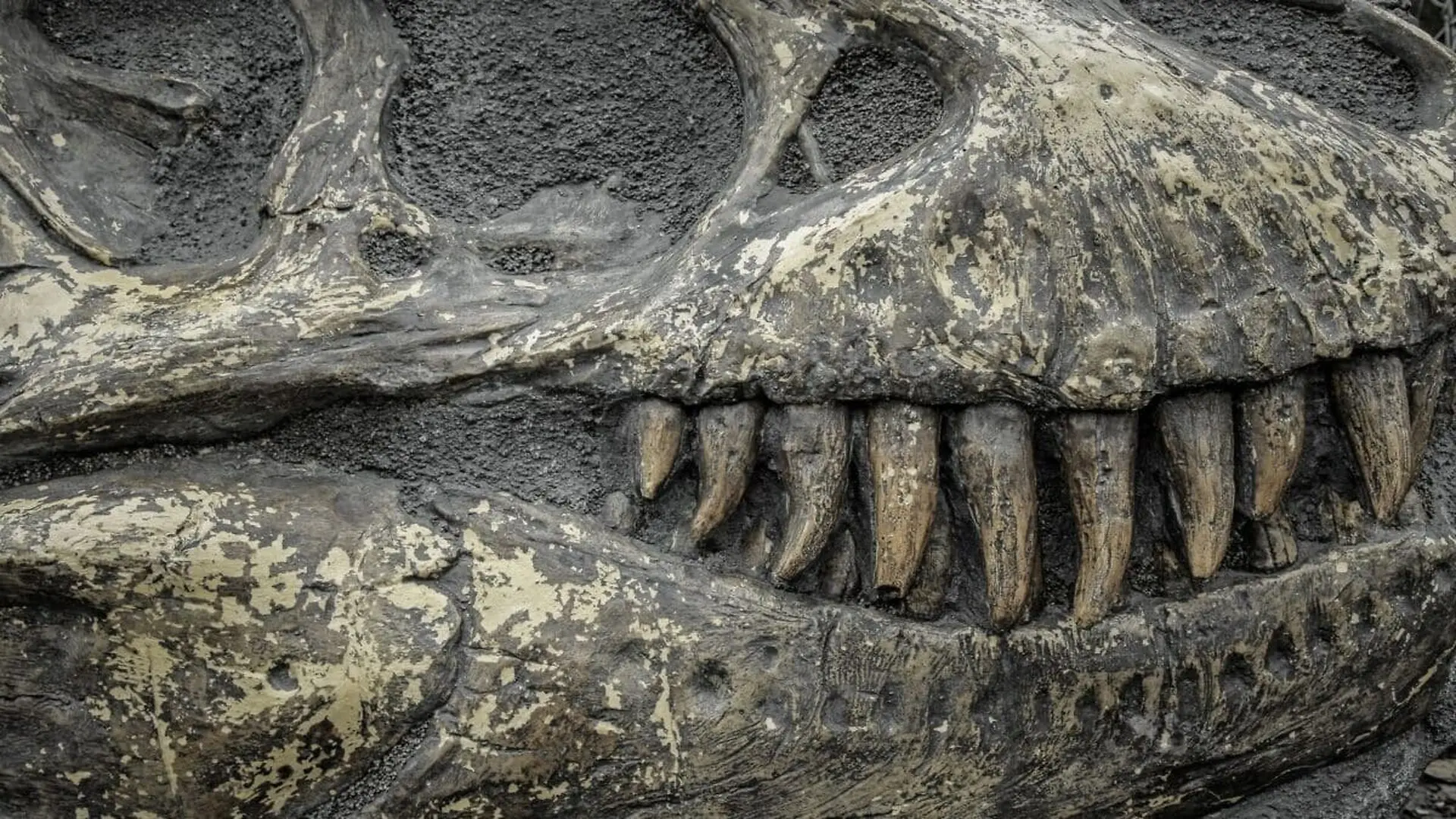
The Late Cretaceous sauropod Nigersaurus taqueti roamed what is now Niger about 105 million years ago, sporting a feeding apparatus unlike any other dinosaur on record. Its mouth housed roughly 500 functional teeth, each of which was shed and regrown in roughly two weeks, making it one of the most specialized herbivores ever identified.
French paleontologist Philippe Taquet first uncovered fragments of an unknown sauropod during fieldwork in the Niger desert between 1965 and 1972. Those bones sat in storage for years until a 1997 expedition led by National Geographic Explorer Paul Sereno revisited the Gadofaoua site, recovered additional material, and formally introduced the species in 1999, naming it after both the country and Taquet.
A Light‑Built Giant
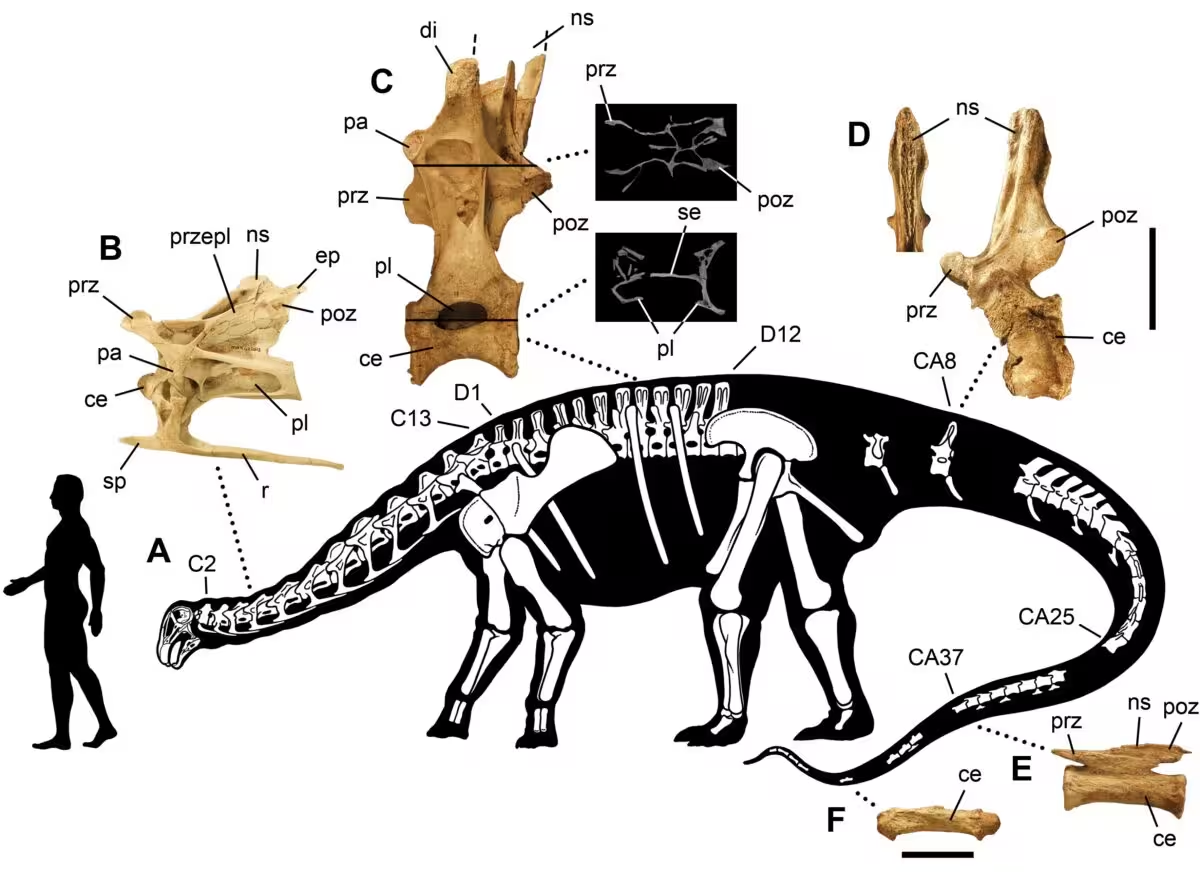
Measuring close to 30 feet in length and weighing about two tons, Nigersaurus defied expectations with an unusually airy skeleton. Fossils recovered include articulated neck vertebrae and several skull fragments from multiple individuals, offering a composite view of its anatomy. Professor Jeff Wilson Mantilla noted the difficulty of sorting the odd‑shaped cranial pieces, adding that some bones were so thin they allowed light to pass through, demanding meticulous preparation.
“The skull bones were so strange looking that it was challenging to identify which element we were looking at.”
Further analysis revealed air‑filled cavities extending into several bones, a trait shared with modern birds that helped keep the animal’s weight low while preserving structural strength.
A Mouth Built for Constant Grazing
The most striking feature of Nigersaurus was its dental conveyor belt. At any moment the animal displayed about 500 working teeth, while up to seven replacement teeth formed beneath each functional one. By counting microscopic growth rings preserved in fossilized teeth, researchers published in PLOS One that each tooth was renewed roughly every 14 days.
Paul Sereno explained to National Geographic that the animal’s muzzle was shaped for “nipping rather than chomping or chewing.” The broad, square front end resembled the grazing apparatus of modern low‑browse herbivores, and wear patterns indicated the teeth slid past one another like a pair of shears instead of crushing vegetation.
Researchers linked the rapid tooth turnover to the abrasive nature of the dinosaur’s diet. Plants growing near water bodies, such as horsetails, contain silica, while sand and grit mixed with foliage would quickly dull teeth, necessitating constant replacement.
Digital Scans Reconstruct a Lost Skull
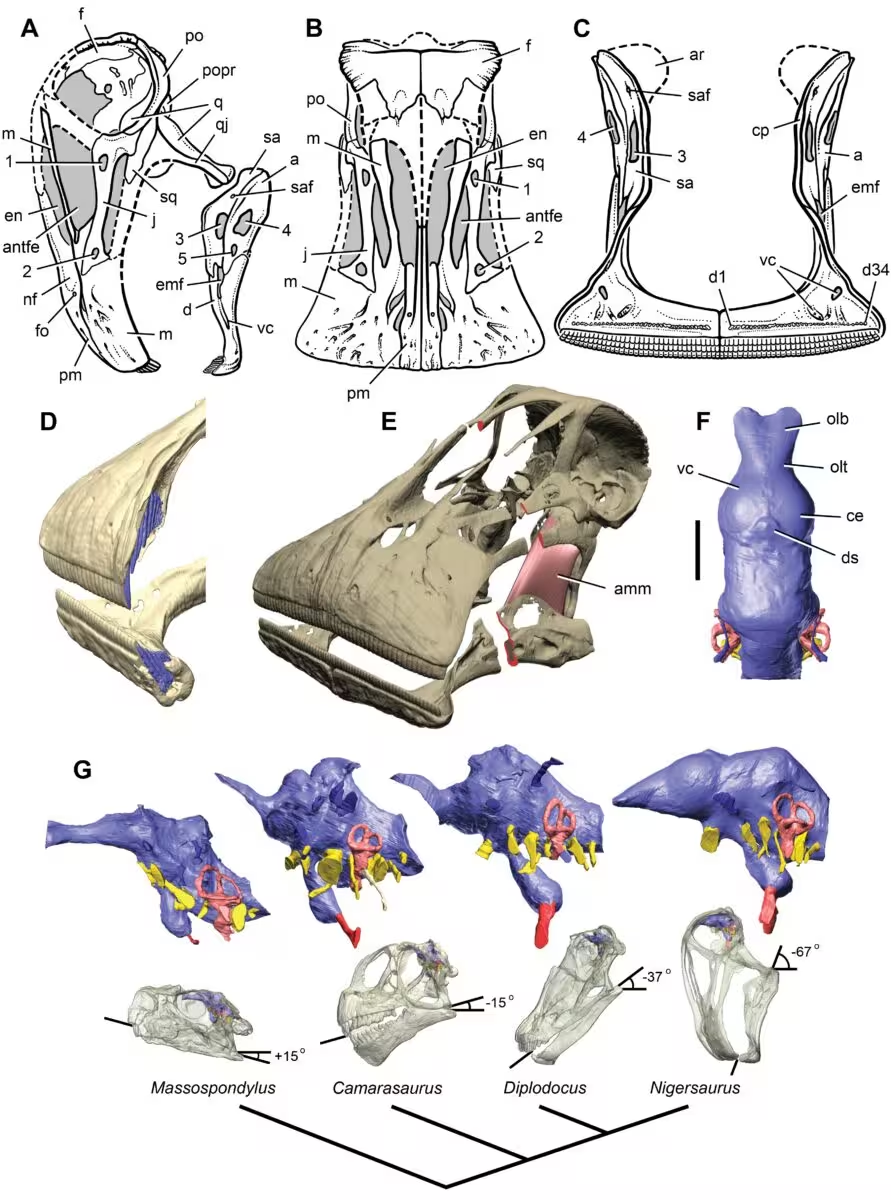
Because a complete skeleton has never been found, scientists have relied on fragments from several individuals to piece together the animal’s appearance. In 2007, Mantilla and colleagues employed high‑resolution CT scanning to digitize each skull fragment, then merged the models at a uniform scale to generate a full cranial reconstruction—one of the earliest uses of CT technology for a dinosaur skull.
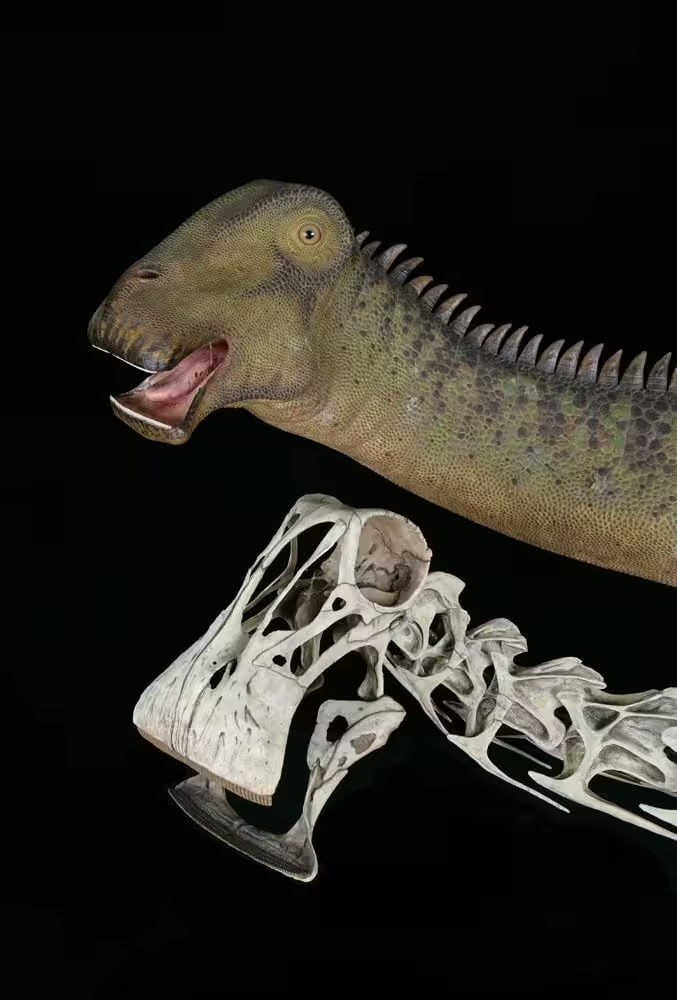
The Digimorph Lab at the University of Texas at Austin reported that the scans revealed the animal naturally held its muzzle angled toward the ground, consistent with a grazing habit, and suggested that olfaction played only a minor role while feeding.
This article has been fact checked for accuracy, with information verified against reputable sources. Learn more about us and our editorial process.
Last reviewed on .
Article history
- Latest version
Reference(s)
- “Discoveries | Paul Sereno - Paleontologist | The University of Chicago.” <https://paulsereno.uchicago.edu/discoveries/nigersaurus/>.
- <https://lsa.umich.edu/earth/people/faculty/wilsonja.html>.
- “Paul Sereno - Paleontologist | The University of Chicago.” <https://paulsereno.uchicago.edu/>.
- Black, Riley. “What dinosaur has 500 teeth? This prehistoric jaw was one-of-a-kind.”, June 9, 2025 National Geographic <https://www.nationalgeographic.com/science/article/what-dinosaur-has-500-teeth-nigersaurus>.
- “Digimorph - Nigersaurus taqueti (sauropod dinosaur).” <https://digimorph.org/specimens/Nigersaurus_taqueti/C6/>.
Cite this page:
- Posted by Hassan Raza