NASA Scans Astronaut Veins in Microgravity Ahead of August 18 Spacewalk
NASA astronauts study blood flow in microgravity and prep equipment for an upcoming ISS spacewalk, boosting space health research.
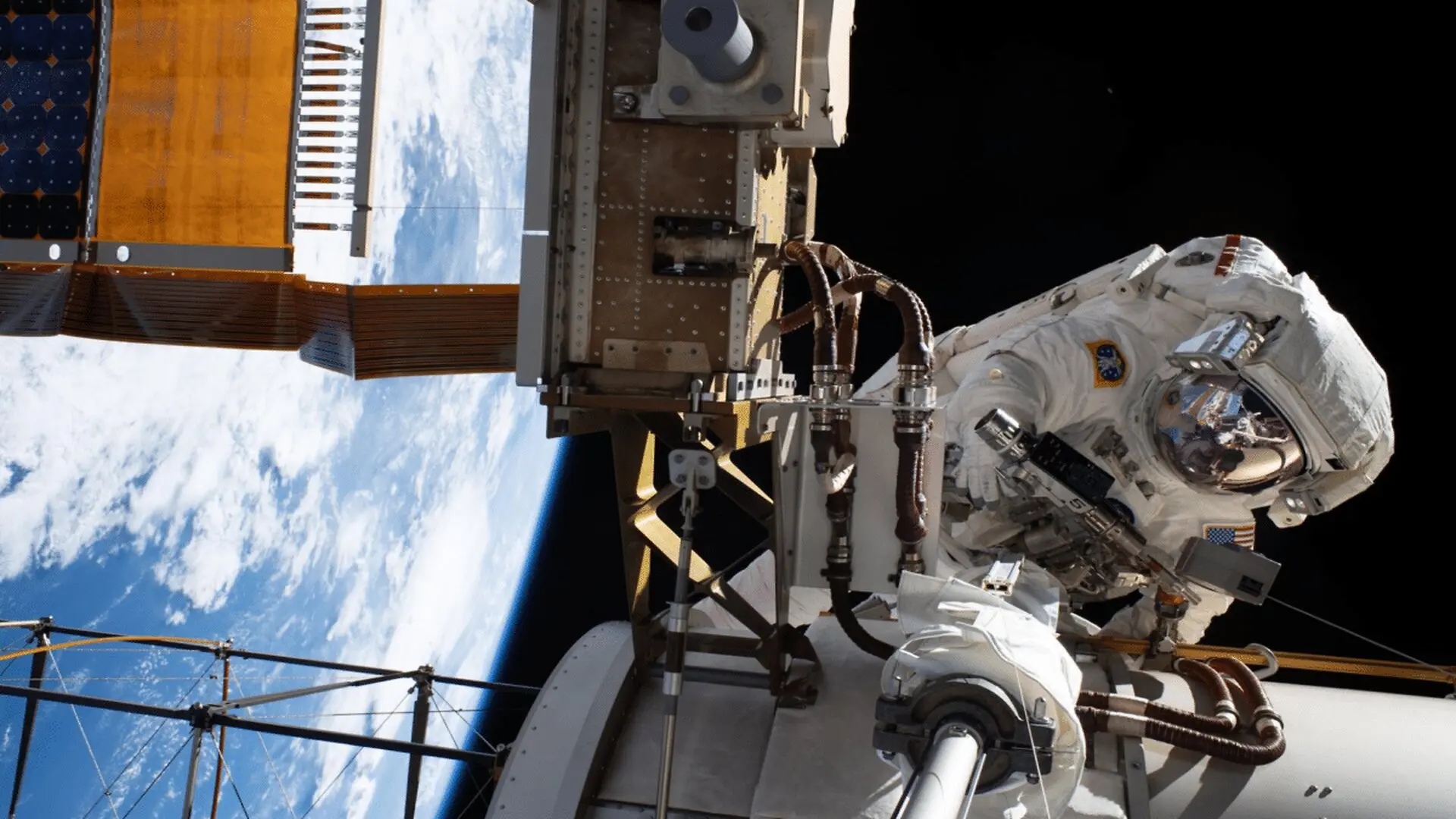
On the orbiting laboratory, crew members of Expedition 75 are conducting a series of cardiovascular tests to see how the absence of gravity reshapes blood flow, in preparation for a planned EVA on August 18. The day combined medical diagnostics, ultrasound imaging, and suit‑hardware checks, all under the watch of ground‑based physicians.
Microgravity Study Tracks Venous Dynamics
Station commander Jessica Meir began the routine by drawing blood inside the Columbus laboratory as part of the Venous Flow experiment. After centrifuging the samples, she stored them in a dedicated freezer for later analysis, aiming to capture how prolonged weightlessness influences circulatory health.
The investigation feeds a broader effort to map cardiovascular responses during long‑duration missions, a priority for NASA and its international partners as humanity eyes deeper space travel. Continuous monitoring aboard the ISS allows scientists to observe physiological shifts in real time, offering insights that single‑flight pre‑ and post‑flight tests cannot provide.
Ultrasound vein scans for astronaut health and spacesuit checks for an upcoming spacewalk were the top duties for the Expedition 75 crew on Tuesday. More… https://t.co/ojn5gUyEajpic.twitter.com/EWgD8EjoUK
— International Space Station (@Space_Station) August 11, 2026
Next, Jack Hathaway operated the Ultrasound 3 device to image Meir’s internal jugular veins and record blood‑pressure readings. Later, the crew repeated the scans after lunch, rotating the ultrasound duties among themselves and colleagues Anil Menon, Sophie Adenot (European Space Agency), Pyotr Dubrov and Anna Kikina (Roscosmos). Ground medical teams observed the images live, searching for signs of abnormal flow or clot‑formation risk.
Real‑time telemetry between orbit and Earth enables doctors to evaluate vascular health instantly, a crucial advantage when dealing with the altered hemodynamics of microgravity. By tracking these parameters continuously, researchers hope to refine health‑maintenance protocols for future crews venturing beyond low Earth orbit.
Suit Preparations for the August 18 Extravehicular Activity
Simultaneously, Hathaway, Menon and Adenot focused on the Quest airlock, swapping and verifying components of the spacesuits that will carry them outside the station. Menon and Adenot are slated to exit the ISS during the EVA, which is expected to last roughly six and a half hours.
The primary objective of the walk is to replace a high‑speed data and communications antenna mounted on the Z1 truss. Such hardware upgrades demand meticulous pre‑flight checks, as the airlock serves as the gateway between the pressurized interior and the vacuum of space. Ensuring every suit subsystem functions correctly is essential for the crew’s safety and the mission’s success.
Maintaining the station’s external infrastructure, including antennas, is vital after more than two decades in orbit. Exposure to vacuum, radiation, and extreme temperature swings degrades equipment, making regular upgrades a routine part of ISS operations. The upcoming EVA will therefore combine scientific observation with essential maintenance, keeping the orbital platform ready for future research and exploration.
This article has been fact checked for accuracy, with information verified against reputable sources. Learn more about us and our editorial process.
Last reviewed on .
Article history
- Latest version
Reference(s)
- “https://go.nasa.gov/45Wt7vs.” <https://t.co/ojn5gUyEaj>.
- “https://twitter.com/Space_Station/status/2087258087564673051/photo/1.” <https://t.co/EWgD8EjoUK>.
Cite this page:
- Posted by Karan Das