Centralized Hub Manages Home Therapies for Hundreds of Long COVID Patients
A national clinical trial hub successfully coordinated home-based brain stimulation and digital training across 22 sites, demonstrating the feasibility of remote trial management.
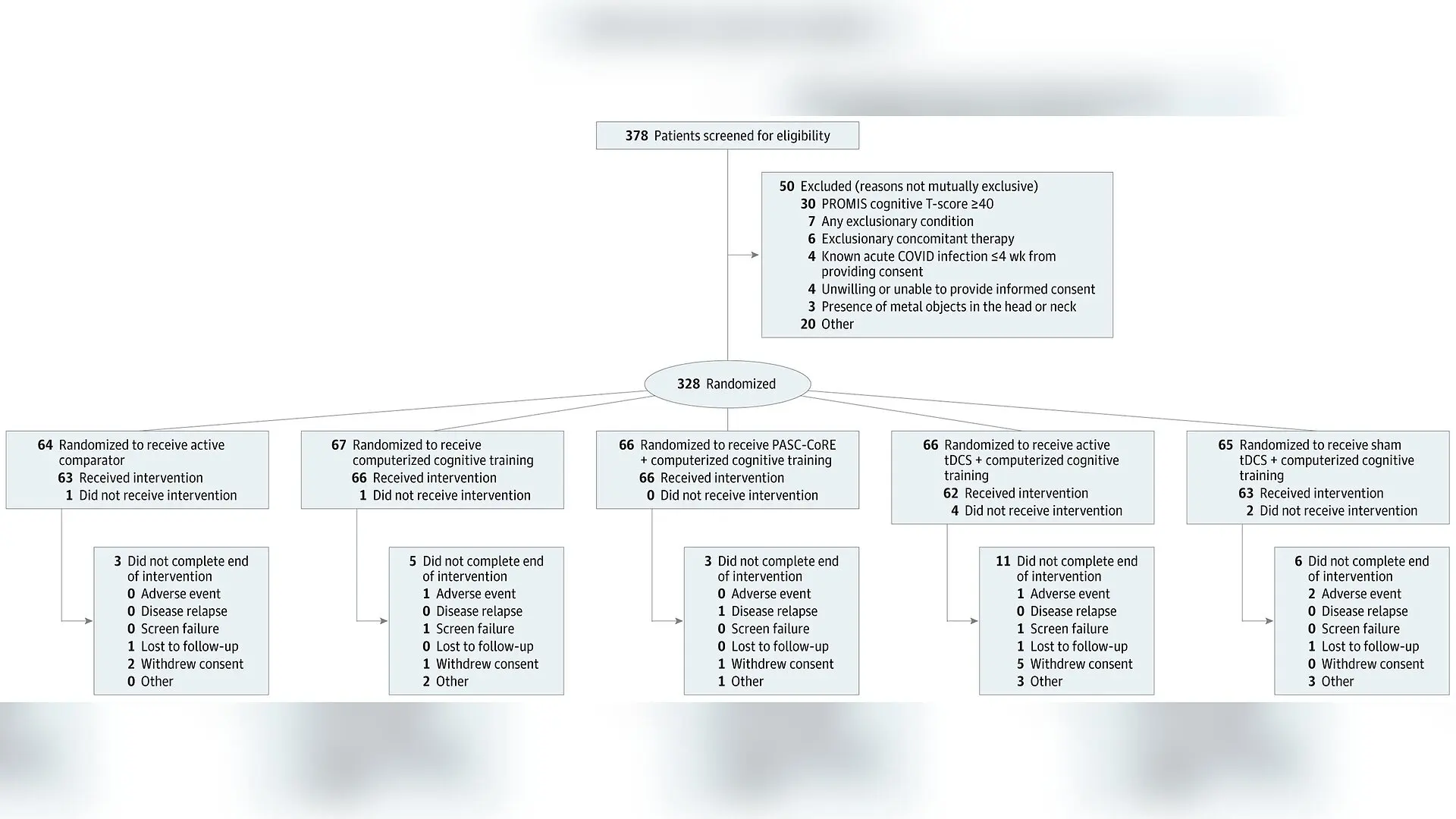
A centralized hub model successfully managed complex home-based therapies for 328 long COVID patients spread across 22 US clinical sites, pointing to a new way to run large-scale medical trials. Long COVID affects an estimated 7 percent of adults in the United States and frequently includes persistent cognitive symptoms such as impaired attention, memory difficulties, and slowed processing speed.
Traditional multisite medical trials require every participating hospital or clinic to independently administer treatments, which can introduce inconsistencies and heavy training burdens. Researchers tested an alternative operational strategy in the NIH-funded RECOVER-NEURO trial, separating local recruitment from centralized intervention management. The operational findings are published in PLOS Digital Health to help guide future decentralized medical studies.
How Centralized Hubs Coordinate Remote Medical Trials
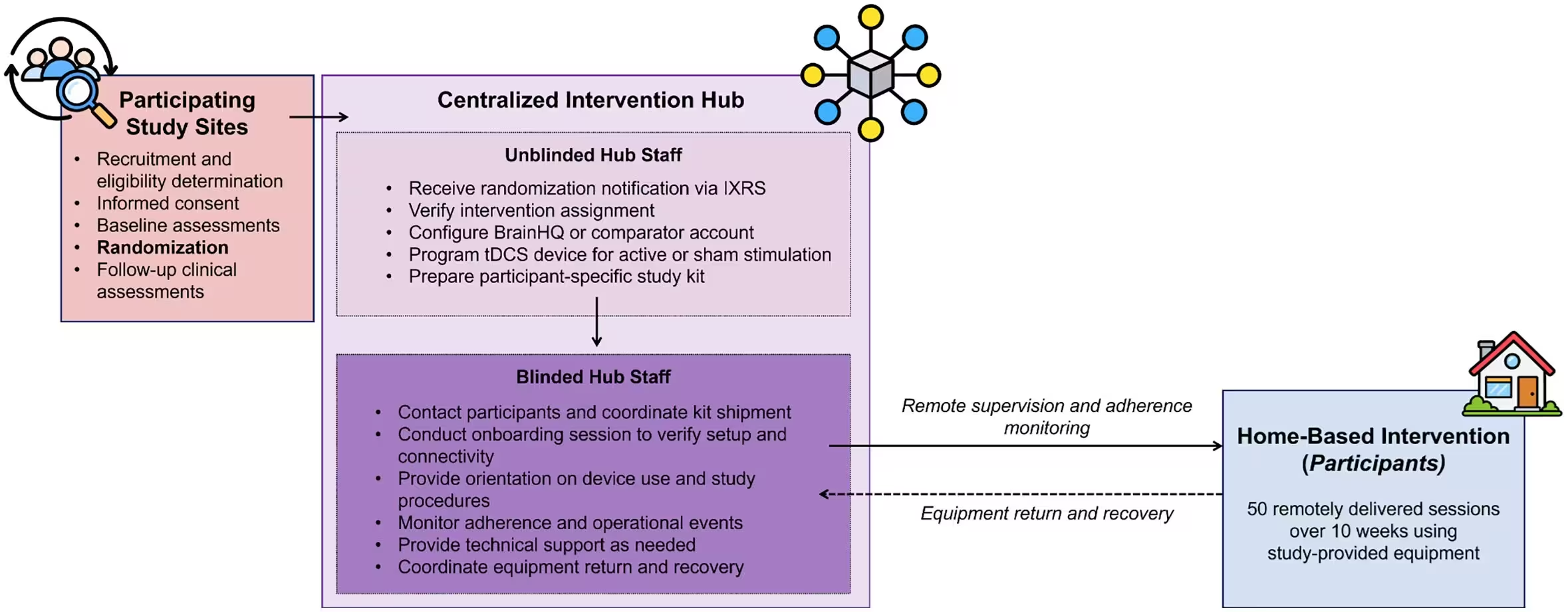
The trial evaluated five distinct nonpharmacological intervention arms, including adaptive computerized cognitive training, tele-rehabilitation, active transcranial direct current stimulation, sham stimulation, and an active comparator. While local clinical sites handled recruitment, screening, and health assessments, a national hub at NYU Langone Health managed the operational delivery of study kits, device programming, participant onboarding, and safety oversight.
Each participant received a home study kit shipped directly to their residence containing preconfigured tablets or neuromodulation equipment. Staff at the centralized hub conducted video-based unboxing and onboarding sessions to verify device connectivity and ensure participants understood safety protocols before starting their therapy.
Peak Workload and Adherence in Home Therapy Trials
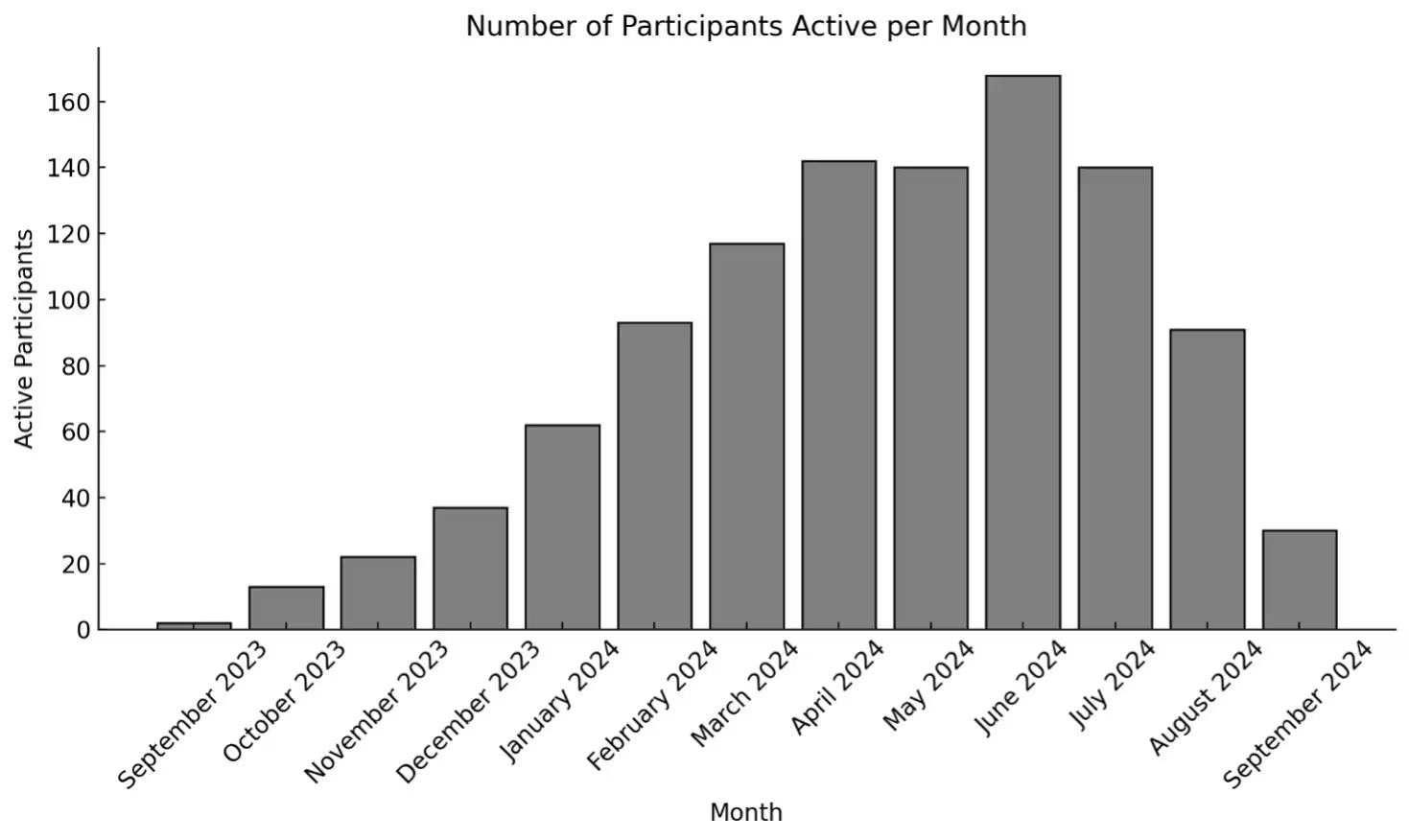
The intervention period spanned 375 days, during which the centralized hub contacted 327 out of 328 randomized participants. Out of all enrolled individuals, 320 patients received at least one intervention session. The median time from randomization to first contact was 3 days, and the median interval from initial contact to starting the intervention was 13 days.
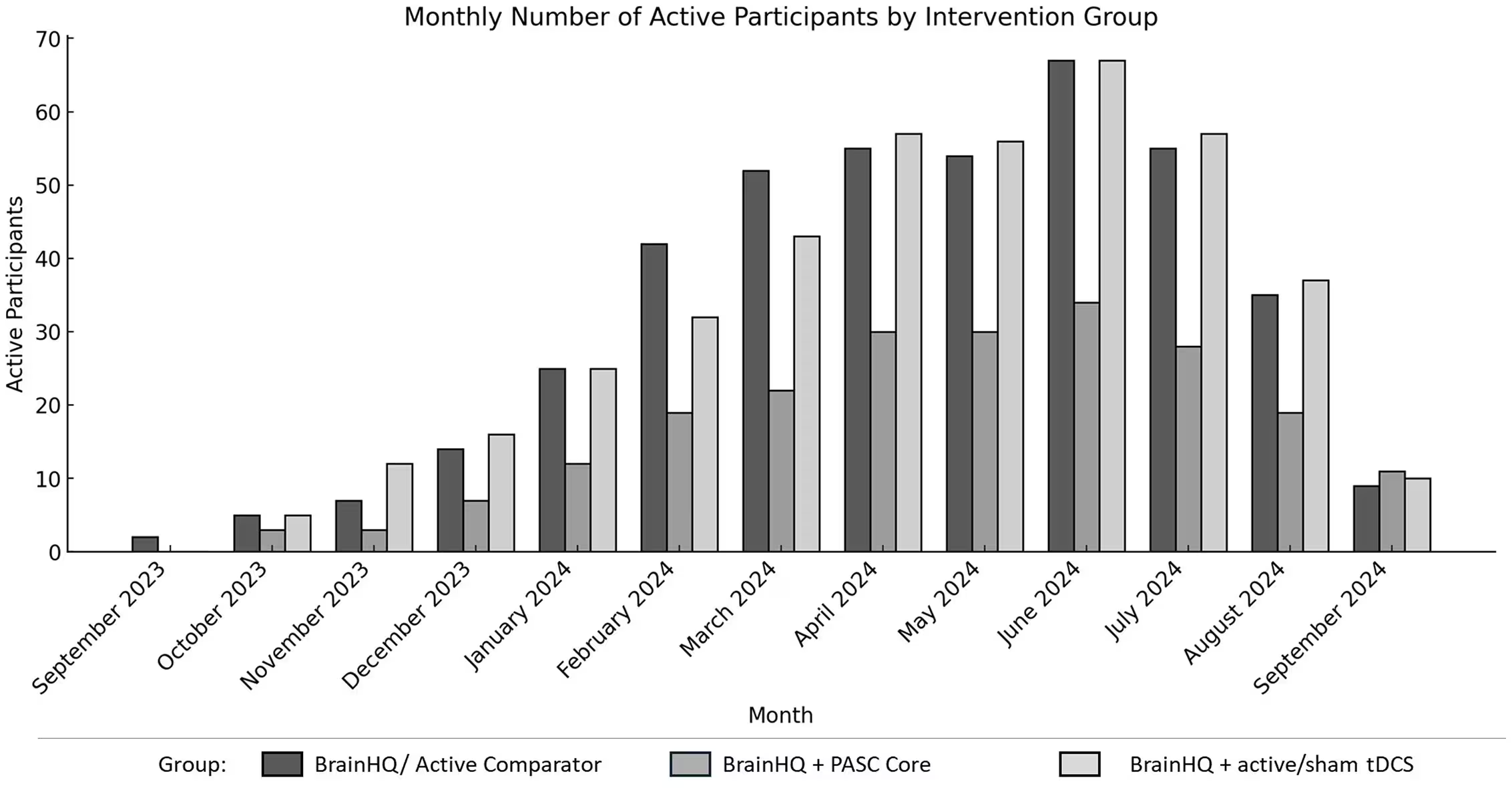
The operational workload scaled progressively alongside site recruitment. The centralized hub reached a peak volume of 168 participants actively engaged in remote intervention activities simultaneously in June 2024. This peak load included 67 participants across active and sham brain stimulation arms, 67 participants in cognitive training or comparator groups, and 34 participants in the cognitive rehabilitation arm.
Participants completed a mean of 44.0 intervention sessions over an average duration of nearly 69 days. Adherence was high among those who started treatment, with 81.3 percent classified as consistently adherent by completing at least 80 percent of scheduled sessions every week. Equipment recovery rates were also strong, with 96.9 percent of the 324 shipped study kits successfully returned to the hub.
Technical Support and Safety Oversight During Home Sessions
Participants assigned to brain stimulation completed their sessions at home under remote supervision. Technicians at the central hub verified completion codes generated by the devices before issuing single-use unlock codes for new sessions. Technicians documented 71 substantive technical issue notes across 125 participants using the stimulation devices, mostly involving code entry errors, battery charging difficulties, or power shutdowns.
Common physical sensations reported during brain stimulation included tingling, itching, and warmth, which matched known tolerability profiles. Only one potentially related adverse event occurred, consisting of a minor skin reaction under an electrode that resolved without significant medical consequences.
Limitations and What Needs to Be Studied Next
The authors note several important limitations to their findings. Because the operational evaluation was observational and tied to a specific trial for long COVID, the results do not directly compare centralized hub performance against traditional site-based delivery models.
Furthermore, the trial relied on motivated volunteers who had reliable technology access, sometimes aided by mobile hotspots and prepaid data plans provided by the study. Additional research is necessary to evaluate the scalability, staff workload, detailed financial costs, and generalizability of centralized delivery models in broader patient populations and other therapeutic areas.
The research was published in PLOS Digital Health on November 11, 2026.
This article has been fact checked for accuracy, with information verified against reputable sources. Learn more about us and our editorial process.
Last reviewed on .
Article history
- Latest version
Reference(s)
- Charvet, Leigh., et al. “A central hub model for remote delivery of multisite clinical trial interventions.” PLOS Digital Health, vol. 5, no. 11, November 11, 2026, pp. e0001818 Public Library of Science (PLoS), doi: 10.1371/journal.pdig.0001818. <https://doi.org/10.1371/journal.pdig.0001818>.
Cite this page:
- Posted by Rohan Kumar