Breakthrough In Vivo CAR T Therapy Hits Immune Reset Button for Autoimmune Disease
A new, simplified approach to creating CAR T cells inside the body shows promise in easing multiple sclerosis symptoms, potentially expanding access to care.
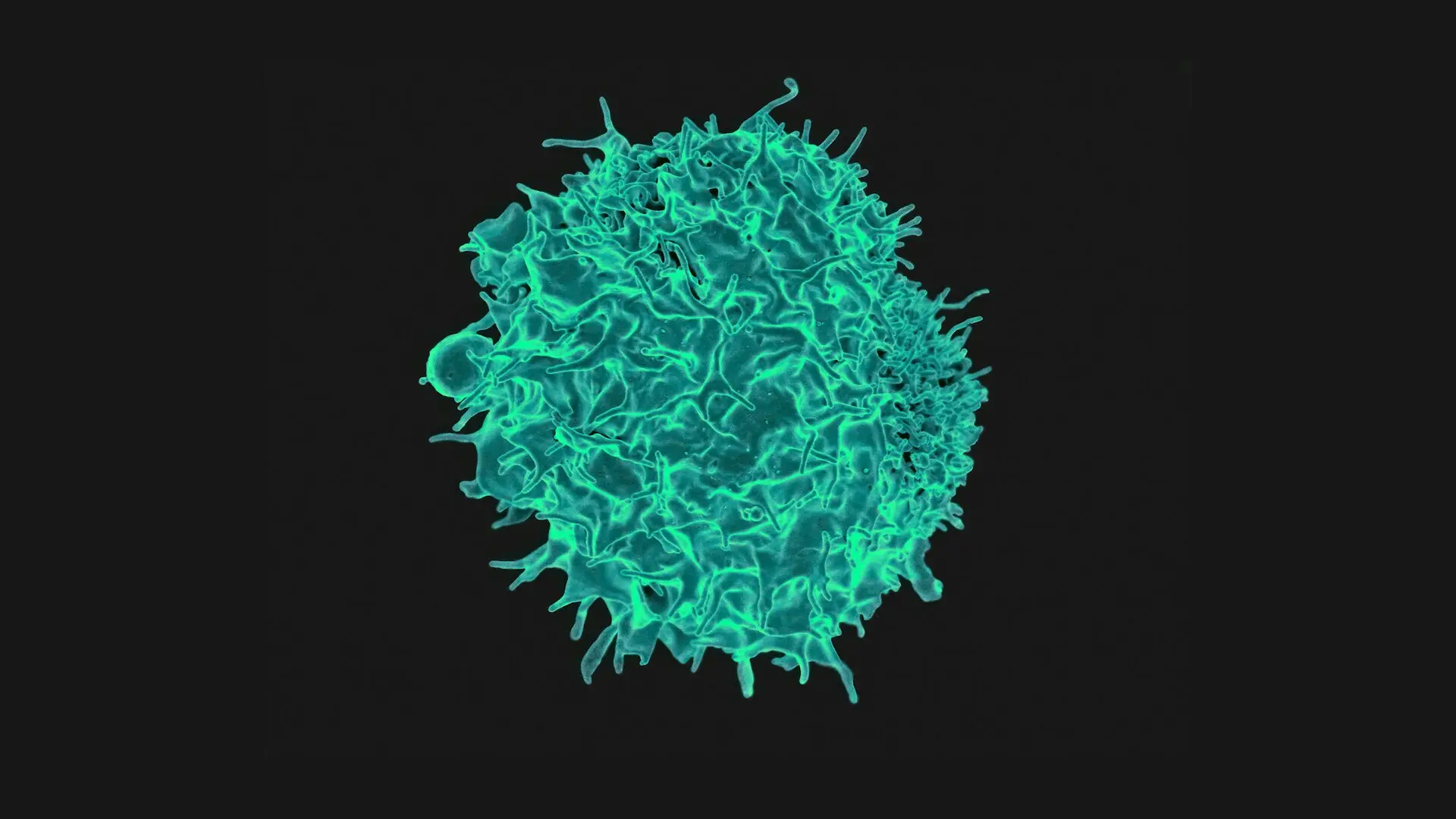
A novel approach to CAR T-cell therapy, which involves generating these specialized immune cells directly inside the patient’s body, has shown potential in treating severe autoimmune disorders. By bypassing the traditional, complex laboratory manufacturing process, this method could make life-saving immunotherapies significantly more accessible and affordable.
The immune system is essential for survival, yet it can occasionally turn against the body’s own healthy tissues. In conditions such as multiple sclerosis, this internal conflict causes the destruction of protective nerve insulation, leading to debilitating neurological deficits. While traditional CAR T-cell therapy has proven effective for certain blood cancers, its application has been hampered by extreme costs, long manufacturing timelines, and the need for intensive chemotherapy to prepare the patient.
A new clinical study published in the New England Journal of Medicine addresses these hurdles by delivering a viral vector directly to the patient via a single injection. This vector carries the genetic instructions necessary to reprogram the patient’s existing T cells into CAR T cells within the body—a process known as in vivo generation.
Transforming the Immune Response
In this trial, 16 patients suffering from various autoimmune conditions—including multiple sclerosis and other diseases affecting the nervous system—received the treatment. The goal was to force the T cells to target rogue B cells, which are responsible for producing the harmful autoantibodies that drive autoimmune attacks.
The results provided a promising proof-of-concept. Over a six-month follow-up period, the researchers observed that the therapy effectively reset the immune system. Participants showed a marked reduction in disease-causing B cells, while the newly formed B cells did not exhibit the same self-attacking behavior. Clinically, patients reported improvements in motor and cognitive functions, along with reduced fatigue. Importantly, there were no indications of the autoimmune attacks returning during the study period.
Safety data appeared favorable, with no reports of severe neurotoxicity, a complication often associated with standard CAR T therapies. While 11 participants experienced a brief inflammatory response, it was manageable and subsided within two weeks. Because the treatment involves viral insertion of genetic material, the researchers emphasized the need for ongoing monitoring to ensure the synthetic genes do not cause unintended long-term genetic mutations.
A Shift Toward Accessible Immunotherapy
The current standard for CAR T-cell therapy is a logistical and financial burden. Typically, a patient’s T cells must be extracted and modified in a clinical laboratory over several weeks. This process, which can cost hundreds of thousands of dollars, often requires the patient to undergo toxic chemotherapy to clear space for the modified cells. These barriers have limited the reach of the treatment.
Researchers are increasingly exploring alternatives, including the use of donor cells or, as seen in this trial, in vivo engineering. The latter approach effectively turns a bespoke cellular procedure into a pharmaceutical product that could be administered as a standard injection. As Georg Schett of the University Hospital Erlangen noted to Science, the study serves as a strong signal to pursue further investigation into this streamlined model.
Despite the optimism, experts remain cautious. The small scale of the study and the lack of a control group mean that larger, more rigorous trials are necessary to confirm the findings. Future research will need to address the durability of the immune reset and the potential for long-term side effects. Nevertheless, as David Simon of Charité–Universitätsmedizin Berlin indicated to Nature, this breakthrough represents an exciting step toward redefining how clinicians approach refractory autoimmune diseases.
This article has been fact checked for accuracy, with information verified against reputable sources. Learn more about us and our editorial process.
Last reviewed on .
Article history
- Latest version
Reference(s)
- Cheng, Yu-Hang., et al. “Lentiviral In Vivo CD19 CAR T-Cell Therapy in Neurologic Autoimmune Disorders.” New England Journal of Medicine, vol. 395, no. 9, September 3, 2026, pp. 926-929. Massachusetts Medical Society, doi: 10.1056/NEJMc2603114. <https://www.nejm.org/doi/full/10.1056/NEJMc2603114>.
Cite this page:
- Posted by Rohan Kumar