Scientists Discover a Hidden Layer of Human DNA That Changes Everything We Knew About Genes
Groundbreaking research into DNA organization and transcription is challenging long-held scientific assumptions about how the genome functions.
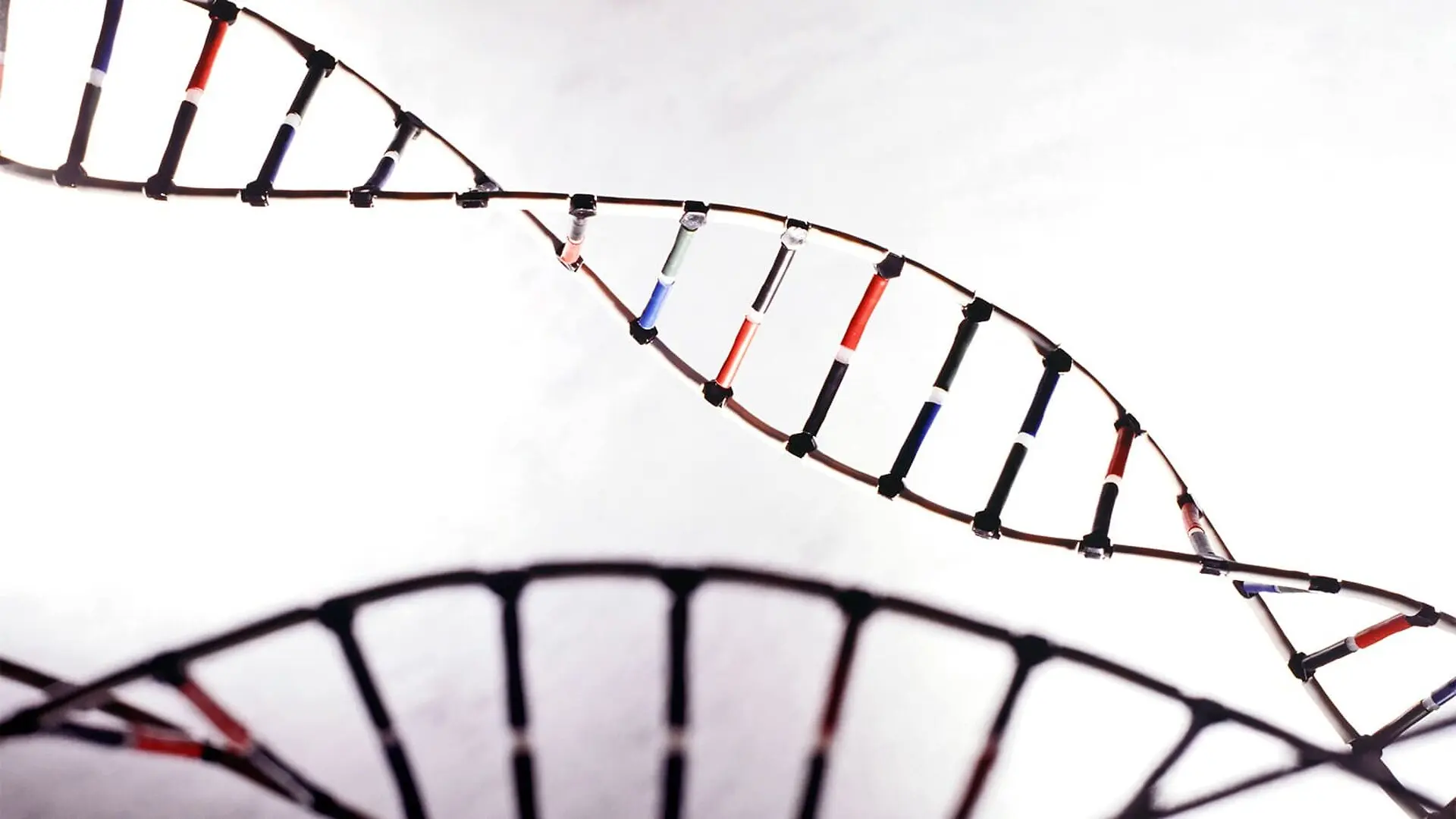
For decades, molecular biologists have operated under the assumption that ribonucleotides—the building blocks of RNA—found within human DNA were merely errors, persistent cellular typos destined to be purged by the cell’s maintenance machinery. A landmark study published in the journal Cell has now upended this narrative, revealing that these embedded elements are not random glitches but are instead organized into a functional, genome-wide landscape researchers are calling the “ribome.”
Beyond Genetic Mistakes: A New Regulatory Layer
The research, led by scientists at the Georgia Institute of Technology, provides the first comprehensive map of where these RNA components reside within the human nuclear genome. Rather than being distributed haphazardly, the team discovered that these embedded ribonucleotides follow highly specific patterns, suggesting a sophisticated, previously unrecognized layer of genomic organization.
“Ribonucleotides embedded in DNA have traditionally been viewed mainly as mistakes that need to be removed,” says Francesca Storici, a professor in the School of Biological Sciences and a faculty member at the Parker H. Petit Institute for Bioengineering and Bioscience at Georgia Tech. “Our findings suggest a different perspective: they can influence the physical properties of DNA and may have biological functions that we are only beginning to understand.”
Modulating the Architecture of DNA
The study reveals a strong correlation between the density of these embedded ribonucleotides and the activity levels of specific genes. The researchers observed that these RNA building blocks are notably abundant near the transcription start sites—the regions where the cell initiates the process of converting genetic code into RNA. As gene activity increases, so does the presence of these embedded markers.
Crucially, the team identified that the presence of these ribonucleotides influences the physical state of the double helix. By modulating DNA supercoiling—the way the molecule twists and coils upon itself—these elements play a direct role in the mechanical environment of the genome. Because transcription involves significant physical stress on the DNA structure, these embedded RNA segments appear to act as regulators, helping the cell manage the mechanical load required to access genetic information.
“One of the most exciting findings is that processing ribonucleotides embedded in DNA can change DNA supercoiling,” Storici notes. “This provides a new connection between the chemical composition of DNA, its physical organization, and transcription.”
Implications for Disease and Future Research
This discovery opens a vast new frontier in genomics, shifting the focus from simple genetic sequence to the physical topology of the genome. By establishing that ribonucleotides are integral to how DNA is organized and read, researchers now have a new framework for investigating the mechanisms underlying gene regulation and genome maintenance.
Beyond basic biology, the findings hold significant clinical potential. Failures in the cellular pathways responsible for identifying and managing these embedded ribonucleotides have been linked to various health issues, including rare autoimmune conditions. With this new map of the ribome, scientists are better positioned to study how defects in this layer of genomic architecture contribute to disease progression, potentially paving the way for novel therapeutic approaches that target the physical maintenance of our DNA.
This article has been fact checked for accuracy, with information verified against reputable sources. Learn more about us and our editorial process.
Last reviewed on .
Article history
- Latest version
Reference(s)
- Kundnani, Deepali L.., et al. “Human nuclear ribomes reveal DNA-embedded ribonucleotides as epigenetic modulators of transcription-associated DNA supercoiling.” Cell, August 1, 2026 Elsevier BV, doi: 10.1016/j.cell.2026.07.053. <https://doi.org/10.1016/j.cell.2026.07.053>.
Cite this page:
- Posted by Rohan Kumar