Gaia Shows Star Formation Varies By Environment, Upending Galaxy Mass Estimates
New evidence from Milky Way star clusters suggests star formation may depend on environment, challenging a long‑used assumption.
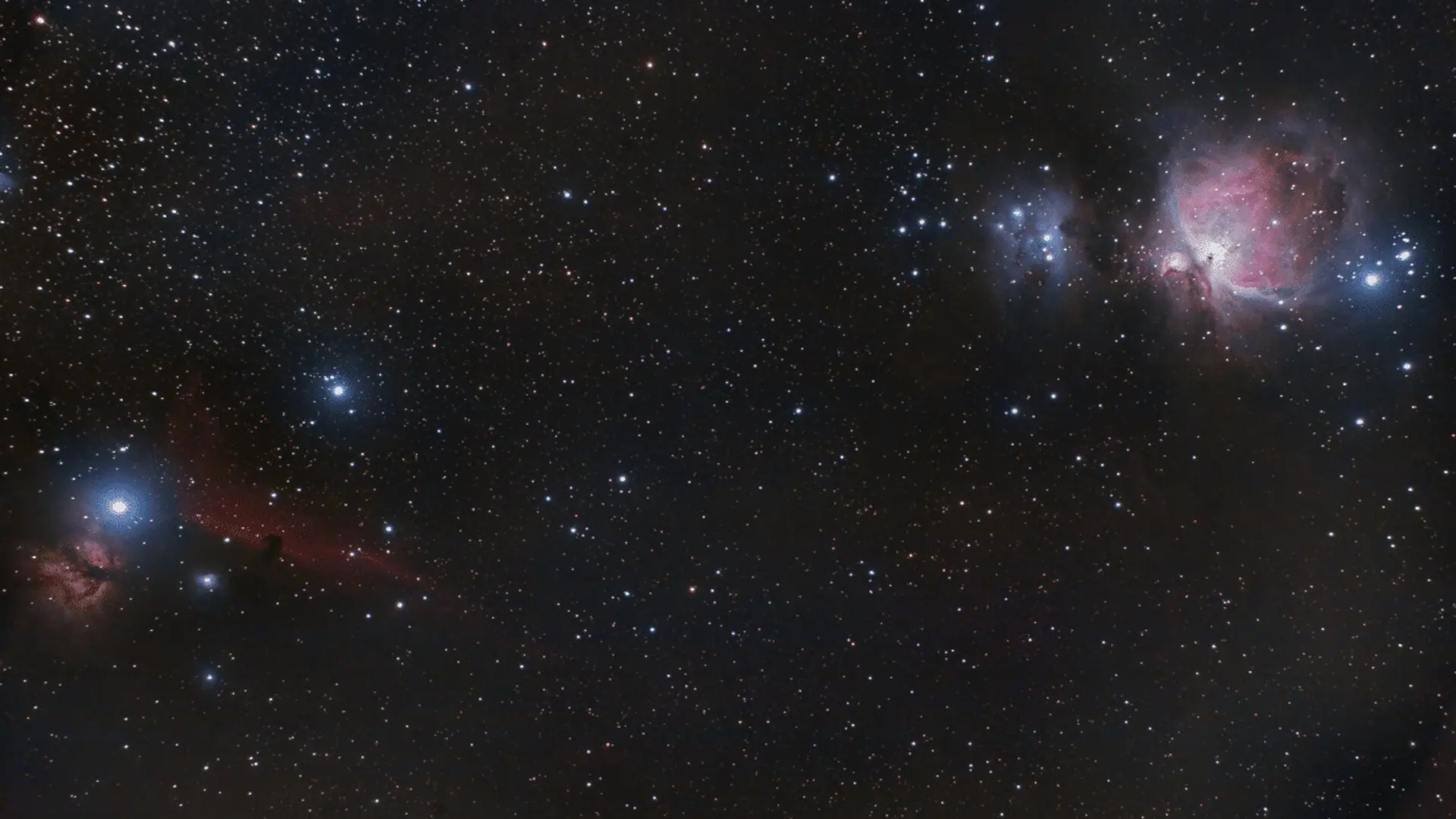
A new analysis of Milky Way star clusters suggests that the proportion of massive and tiny stars is not fixed across different birth environments. The study, appearing in The Astrophysical Journal Letters, relies on precise astrometry from the European Space Agency’s Gaia mission and could force a revision of how astronomers translate distant galaxy light into estimates of mass and evolutionary history.
Reevaluating the Stellar Mass Recipe
For decades, researchers have used the initial mass function (IMF) as a statistical shortcut to infer the unseen population of low‑mass stars that dominate the mass budget of galaxies. By assuming a universal distribution of stellar masses, the IMF underpins calculations of galaxy mass, star‑formation rates, and age. The new work from the University of Missouri team indicates that this assumption may be overly simplistic, as clusters formed in distinct conditions display noticeably different ratios of high‑ to low‑mass stars.
If the IMF varies, then any galaxy whose stellar makeup deviates from the canonical shape could have its total mass misestimated, even when the observed light is perfectly measured. Such systematic errors would cascade into derived properties like stellar age distributions and the inferred history of star formation across cosmic time.
Gaia Data Turns Local Star Clusters Into A Test Laboratory
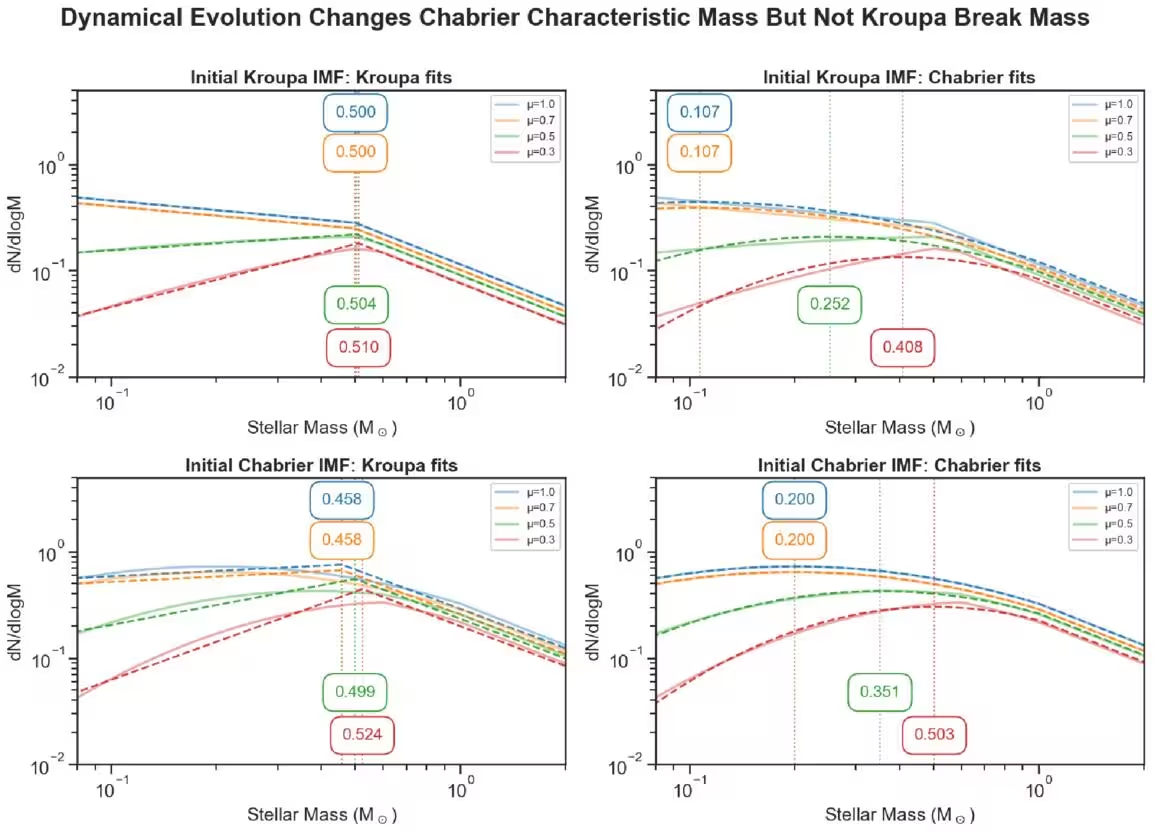
The researchers turned to Gaia’s catalog of nearly two billion stars, focusing on bound groups where dozens to thousands of stars share a common origin. By comparing the mass spectra of multiple open clusters, they expected to find a uniform IMF if the function were truly universal. Instead, each cluster revealed a distinct break point and slope, pointing to an environmental influence on the birth mass distribution.
“One of astronomy’s basic assumptions may be oversimplified,” noted Charles Steinhardt, an astronomy professor and co‑author. “Other galaxies weren’t breaking the laws of physics—we were measuring them with the wrong yardstick.”
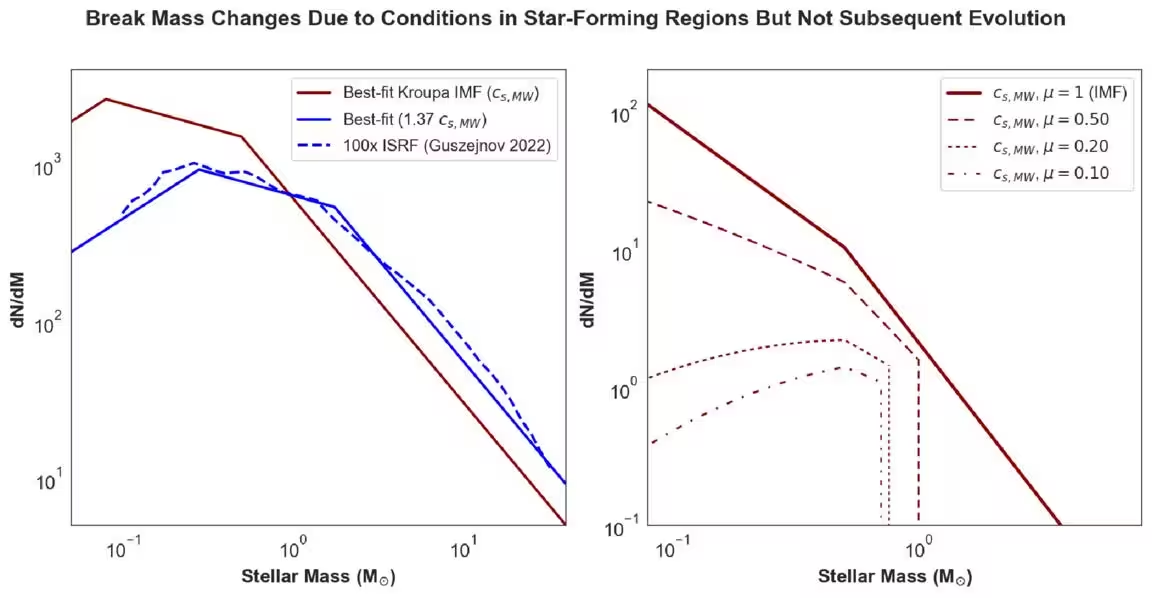
Undergraduate co‑author Carter Meyerhoff highlighted the clarity of the trend: “The pattern we found is surprisingly clean,” he explained. “Instead of applying the same model to every galaxy, astronomers could account for the conditions under which stars formed and select the IMF that best matches that environment.”
Consequences for Interpreting Remote Galaxies
The implication reaches far beyond the Milky Way. When astronomers observe galaxies whose individual stars cannot be resolved, they rely on the IMF to convert integrated starlight into stellar mass, age, and formation history. A shift in the low‑mass star fraction can inflate or deflate the inferred mass even if the photometry is flawless.
This nuance may help explain why some of the earliest galaxies uncovered by the James Webb Space Telescope appear more massive than theoretical models predict. A non‑universal IMF could mean that the light‑to‑mass conversion used for those objects is biased, rather than indicating a fundamental flaw in cosmological theory.
Toward an Environment‑Sensitive Star‑Formation Model
The authors are not discarding the IMF; they are advocating for a version that incorporates the physical conditions of the natal cloud—temperature, turbulence, radiation field, and metallicity—into the mass distribution. By treating the IMF as a variable rather than a fixed constant, future analyses could produce more accurate galaxy mass inventories and better match observations from the early universe.
Further work will test additional clusters, probe which environmental parameters drive the observed shifts, and evaluate how broadly the pattern applies to extragalactic systems. If confirmed, the refined framework could become a new tool for translating starlight into reliable cosmological measurements.
“We’ve found that the universe is more complicated than we assumed,” Charles Steinhardt concluded, “but we’re also getting closer to measuring it correctly.” Alexander Luening of the University of Rochester also contributed to the analysis, underscoring the collaborative effort required to reshape a foundational assumption in astrophysics.
This article has been fact checked for accuracy, with information verified against reputable sources. Learn more about us and our editorial process.
Last reviewed on .
Article history
- Latest version
Cite this page:
- Posted by Farah Siddiqui