Rural Teen Breathing Trial Tests Digital Mental Health Support
A Mayo Clinic study uses a mobile app and brain scans to see if structured breathing can help rural teenagers manage anxiety and depression.
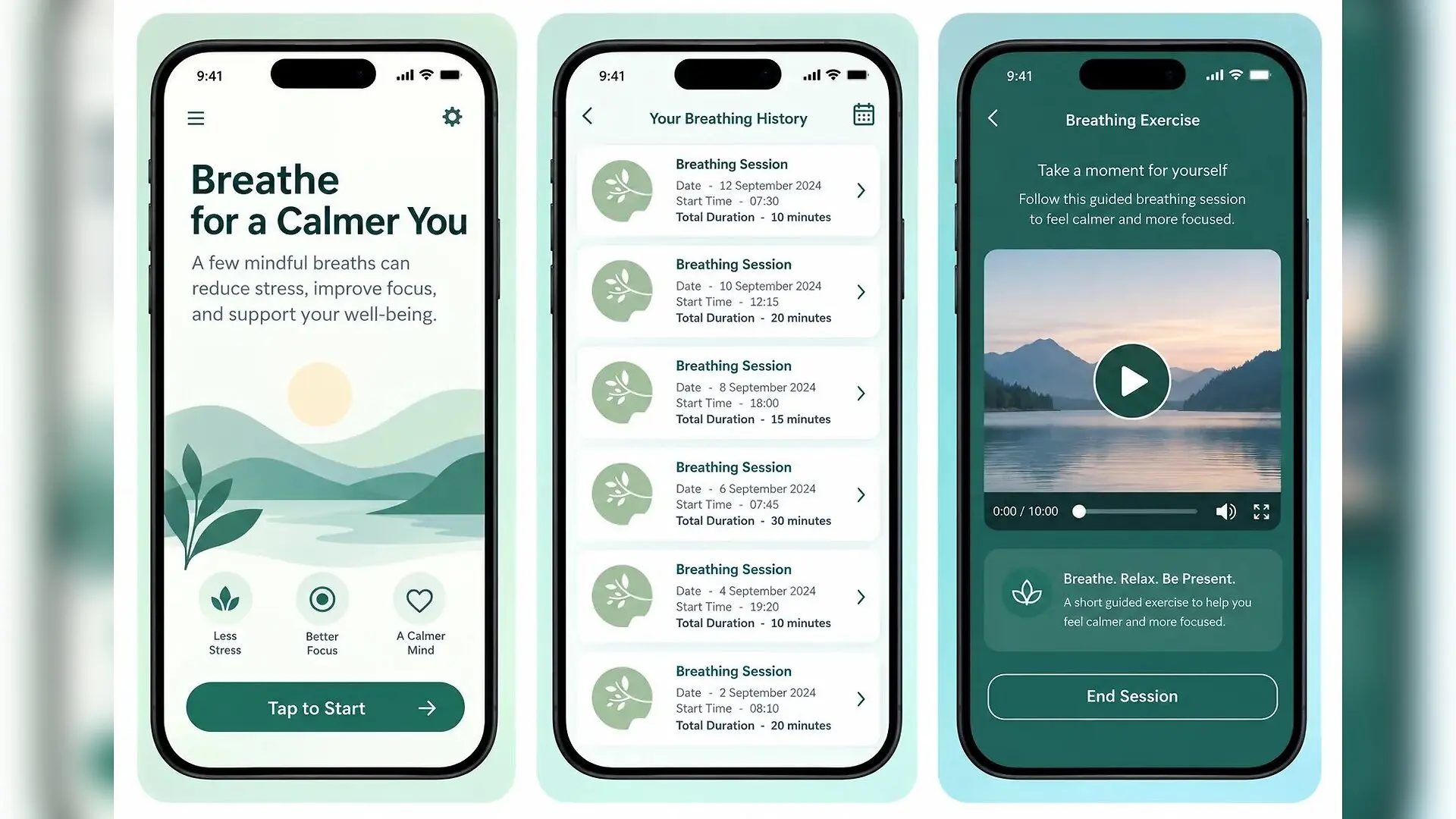
Rural teenagers facing anxiety and depression often struggle to access mental health professionals and specialist care due to long travel distances and cultural stigma. To tackle these hurdles, researchers have launched a pilot clinical trial evaluating a digitally supported, structured breathing program designed specifically for adolescents living in rural communities.
The project, published in JMIR Research Protocols, aims to test whether online breathing exercises paired with a mobile app can be feasibly delivered to young patients while collecting valuable brain and body measurements. Mental health conditions like depression and anxiety are major contributors to youth disability globally, and rural youth are disproportionately affected by limited local resources and lingering social barriers against seeking help.
How the Digital Breathing Intervention Works for Rural Youth
The study seeks to enroll approximately 40 adolescent patients aged 12 to 17 who receive outpatient psychiatric care through the Mayo Clinic Health System in rural areas of northwestern Wisconsin and southeastern Minnesota. Participants take part in a four-month structured breathing program delivered entirely online. The intervention combines an initial live virtual instructional session with self-guided daily practice tracked through a dedicated mobile application.
Rather than jumping straight into long routines, the practice follows a gradual progression. Sessions start at 15 minutes and gradually increase to 30 and then 36 minutes per session, with participants encouraged to practice at least three times per week. The mobile app serves dual functions, providing instructional videos and automated adherence tracking that records session duration and completion without capturing private health information.
What Measurements Are Researchers Collecting During the Trial
Because this is a pilot feasibility study rather than a full-scale treatment test, investigators are primarily measuring whether the program is practical, acceptable, and engaging for teenagers. Researchers are tracking recruitment rates, participant retention, app usage analytics, and standardized implementation questionnaires completed by both the adolescents and their caregivers.
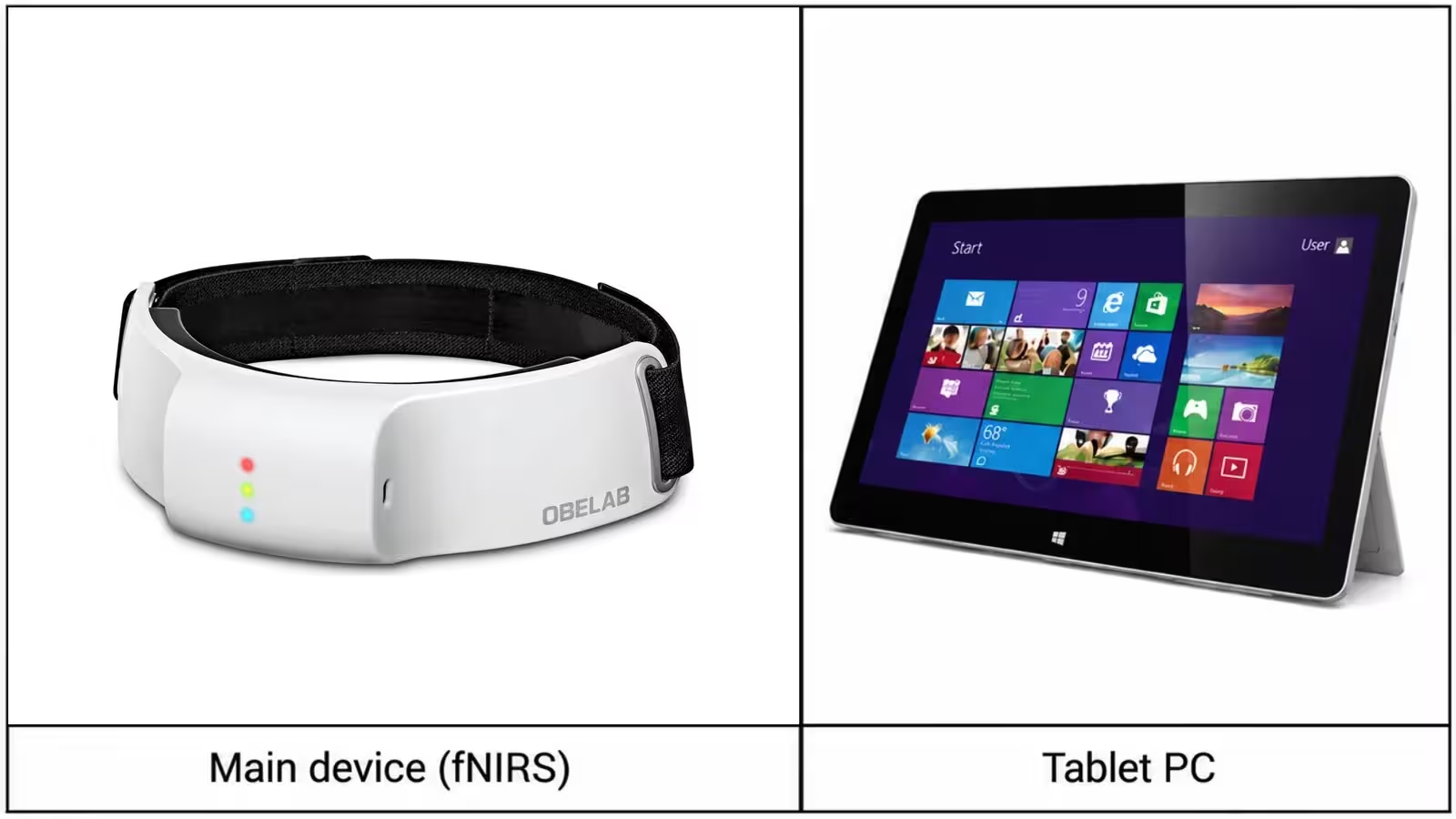
In addition to behavioral metrics, the team is evaluating the feasibility of gathering objective physiological data. All participants attend two in-person study visits at baseline and at the four-month mark to undergo functional near-infrared spectroscopy, a portable and noninvasive imaging method that monitors relative changes in blood oxygen levels in superficial brain regions like the prefrontal cortex. Furthermore, a smaller subgroup of 10 participants undergoes magnetic resonance imaging scans to test the logistical viability of incorporating higher-burden neuroimaging into future larger-scale trials.

What Are the Progression Criteria and Next Steps for the Research
The study was funded in October 2025, and enrollment began in February 2026. By July 2026, 14 of the planned 40 participants had been successfully enrolled, with data collection expected to wrap up by late 2026 and final results anticipated in early 2027. The authors noted that no clinical effectiveness hypotheses are being tested at this stage.
Instead, the trial relies on strict progression benchmarks to determine if a future definitive randomized controlled trial is warranted. Success criteria include recruiting at least 75 percent of the target sample, retaining at least 80 percent of participants through the four-month follow-up, and achieving high scores on standardized implementation and acceptability measures. If these benchmarks are met, the research team plans to expand recruitment across multiple rural health systems to pave the way for a practical, low-burden adjunct to conventional mental health care.
The research was published in JMIR research protocols on November 11, 2026.
This article has been fact checked for accuracy, with information verified against reputable sources. Learn more about us and our editorial process.
Last reviewed on .
Article history
- Latest version
Reference(s)
- Sharma, Pravesh., et al. “Potential Impact of Breathing Practice on Brain and Mental Health in Rural Adolescents With Psychiatric Symptoms: Protocol for a Single-Arm Pilot Feasibility Trial.” JMIR Research Protocols, vol. 15, November 11, 2026, pp. e91615-e91615. JMIR Publications Inc., doi: 10.2196/91615. <https://doi.org/10.2196/91615>.
Cite this page:
- Posted by Rohan Kumar