Human Sperm Grown in Mouse Kidney Marks Step Toward New Infertility Therapies and Ethical Debate
Scientists edge nearer to lab-grown human sperm, opening possibilities for infertility cures and raising ethical debates over creating babies.
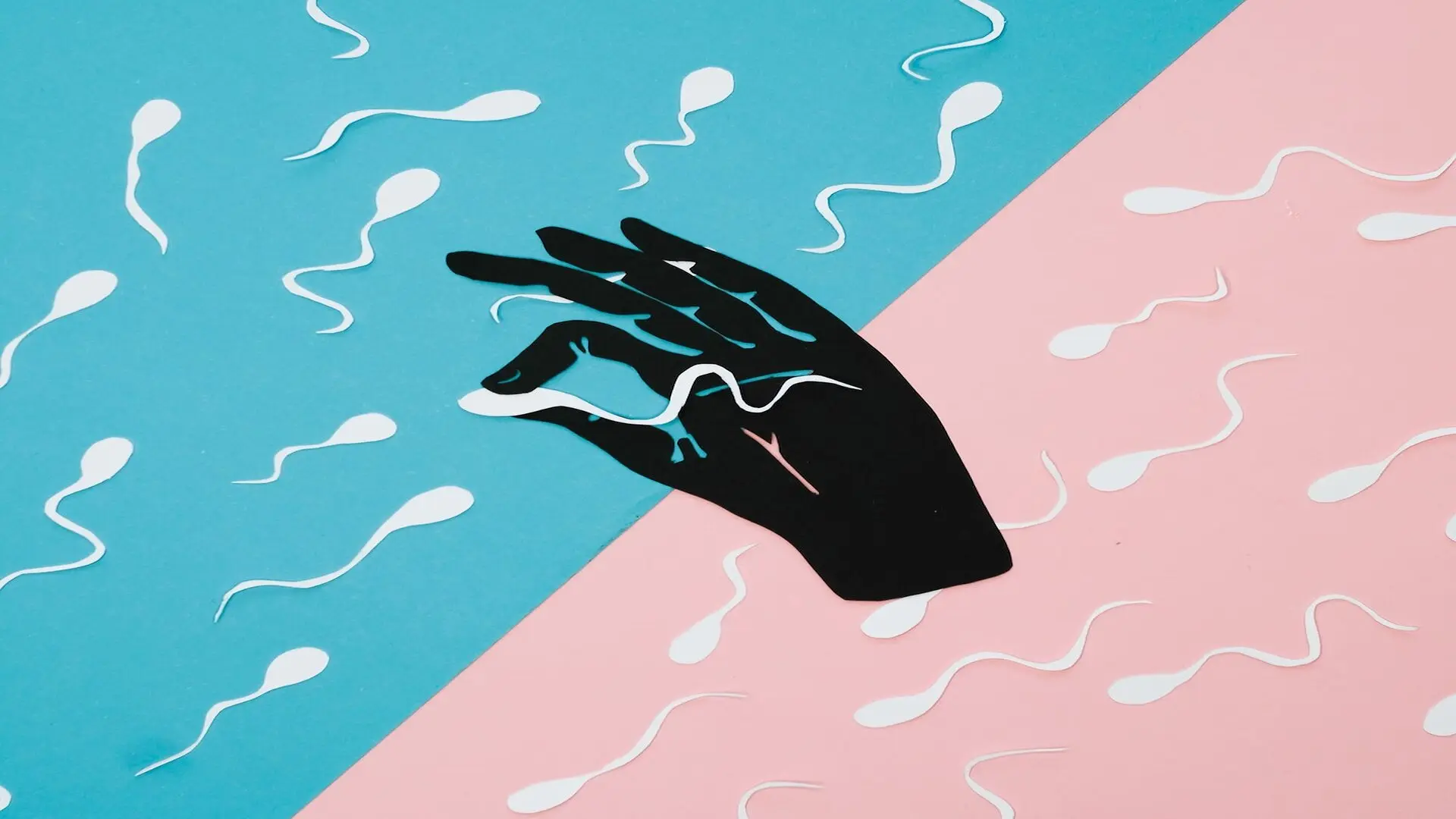
Lab‑grown sperm may one day help treat infertility and, in a more contentious scenario, enable the creation of genetically related children.
Researchers have converted a living mouse kidney into a living niche where human sperm cells, derived from blood‑based stem cells, can begin to form.
The breakthrough, achieved by a team at the University of Pennsylvania under the direction of Kotaro Sasaki, involved implanting a tiny cluster of human cells beneath a mouse kidney and allowing it to mature for up to nine months. The study, published in Science Direct, adds a new chapter to a decade‑long effort to culture sperm outside the body.
If the approach can be refined, it would open a window onto the earliest phases of spermatogenesis—stages that normally occur before birth and are therefore difficult to observe. Insights from such work could clarify the causes of many cases of male infertility that presently lack a clear diagnosis and could eventually inform therapeutic strategies.
Beyond medical applications, the ability to generate sperm in vitro raises profound ethical questions. In the distant future, the technology might allow same‑sex couples or individuals with fertility challenges to produce genetically related offspring. However, the current cells, while displaying gene‑activity patterns similar to natural sperm, have not yet progressed to functional, fertilization‑capable forms.
Earlier experiments in rodents have succeeded in creating viable sperm and egg cells from skin‑derived stem cells, even leading to offspring with two fathers in landmark studies [1] and [2]. Translating those results to humans has proved far more complex because reproductive development differs dramatically across species.
The new mouse‑kidney platform nonetheless offers a valuable tool for probing human germ‑cell formation. To bridge the gap between laboratory models and potential clinical use, the researchers also produced immature sperm‑like cells from rhesus monkeys, whose reproductive biology more closely mirrors that of humans.
Beyond fertility, the system could serve as a testbed for evaluating how pharmaceuticals or environmental agents affect reproductive development. The authors describe the platform as “a robust framework for modeling primate germ‑cell development.”
How the Technique Was Built
For many years scientists have been able to reprogram adult cells into induced pluripotent stem cells (iPSCs), which can differentiate into most cell types. Directing iPSCs toward the sperm lineage, however, has remained a major hurdle because human spermatogenesis spans years and relies on a highly specialized microenvironment.
In the human body, the process begins prenatally when early stem cells give rise to spermatogonia, the foundational cells that sustain sperm production throughout life. These cells remain largely quiescent until puberty, at which point a subset enters meiosis—a specialized division that halves the chromosome count, ensuring that sperm and egg together provide a complete genome.
The surrounding niche supplies proteins, signaling molecules, and physical cues such as the convoluted architecture of the testes and fluid dynamics, all of which guide cell fate decisions. Replicating this intricate setting in a petri dish has been one of the biggest obstacles to generating mature sperm in vitro.
About ten years ago, Sasaki’s group reported a protocol to convert human iPSCs into early germ‑cell precursors that resembled both sperm and egg progenitors [3]. Although the gene‑expression signatures matched those of natural cells, the cultures stalled without additional external signals.
Subsequent work introduced supportive mouse testicular cells into the culture, creating a hybrid environment that supplied nutrients and developmental cues [4]. This “xrTestis” construct self‑organized into tubular structures reminiscent of seminiferous tubules, and the researchers noted that it “accurately recapitulates in vivo human male germ‑cell development.” Yet the system failed to push the cells beyond fetal‑stage maturation and collapsed after roughly 80 days, likely because it lacked a vascular supply.
A Living Host
To extend the lifespan of the graft and provide a blood supply, the team transplanted the xrTestis mixture into the kidneys of immunodeficient mice [5]. Within a month, the graft formed tubular assemblies typical of testes and persisted for at least six months without causing distress or immune rejection in the host.
At the six‑month mark, some human cells had progressed to spermatogonia, the self‑renewing stem cells that ultimately generate sperm. During this interval the cells underwent a genome‑wide epigenetic reset—a sweeping removal of DNA‑associated chemical tags that normally regulate gene activity [6]. The reset appeared “dramatic,” aligning the cells’ transcriptional profile with that of their natural counterparts. Nevertheless, none of the grafted cells advanced to fully mature sperm.
The researchers attribute the developmental ceiling to species‑specific differences in signaling pathways and hormonal responses. Replacing the mouse support cells with human equivalents might allow the spermatogonia to continue differentiating.
Testing the Approach in Primates
Parallel experiments with rhesus monkey iPSCs yielded comparable outcomes: the cells formed immature germ‑cell structures but did not achieve full sperm maturation. The authors emphasize that “future studies of fertility competency must be carried out in non‑human primates” to gauge translational potential.
Previous investigations have shown that monkey spermatogonia can produce mature sperm after transplantation into recipient testes [7], suggesting a possible route to assess whether lab‑grown cells can generate viable offspring.
These possibilities raise concerns among bioethicists. The ability to mass‑produce gametes could amplify the selection of embryos based on preferred traits, especially when combined with gene‑editing technologies, edging toward the notion of “designer babies.” Moreover, if a single hair or skin sample could be converted into reproductive cells, it might enable the creation of sperm or eggs without the donor’s consent.
Although such scenarios remain speculative, regulators are already considering how to govern these emerging technologies. In 2025, the United Kingdom’s Human Fertilisation and Embryology Authority urged lawmakers to explicitly address lab‑grown gametes in future legislation [8]. The International Society for Stem Cell Research has similarly called for rigorous oversight and public dialogue before any clinical application.
Commercial ventures are also advancing. Utah‑based Paterna Biosciences recently announced the production of functional sperm from immature cells harvested during testicular biopsies, claiming that early embryos generated with this material resembled those created via conventional IVF [9]. Meanwhile, California startup Conception reported the derivation of early human egg cells from iPSCs [10]. Neither claim has been peer‑reviewed, making independent verification difficult.
As with germ‑line editing, the discourse surrounding lab‑derived gametes will shape both the scope of scientific possibility and the boundaries of societal acceptability. For now, the University of Pennsylvania team stresses that their mouse‑kidney model serves as a research platform rather than a therapeutic solution, and that any clinical translation lies many years in the future.
This article has been fact checked for accuracy, with information verified against reputable sources. Learn more about us and our editorial process.
Last reviewed on .
Article history
- Latest version
Reference(s)
- Whelan, Eoin C.., et al. “Generation of spermatogonia from human and non-human primate pluripotent stem cells.” Cell Stem Cell, July 1, 2026 Elsevier BV, doi: 10.1016/j.stem.2026.06.001. <https://www.sciencedirect.com/science/article/pii/S1934590926002298>.
- <https://www.cell.com/cell-stem-cell/fulltext/S1934-5909(15)00299-4>.
- Hwang, Young. “Reconstitution of prospermatogonial specification in vitro from human induced pluripotent stem cells - Nature Communications.”, vol. 11, no. 1, November 9, 2020, pp. 5656 Nature, doi: 10.1038/s41467-020-19350-3. <https://www.nature.com/articles/s41467-020-19350-3>.
- Nicholson, Tristan. “Renal Capsule Xenografting and Subcutaneous Pellet Implantation for the Evaluation of Prostate Carcinogenesis and Benign Prostatic Hyperplasia.”, no. 78, pp. 50574 PubMed Central (PMC), doi: 10.3791/50574. <https://pmc.ncbi.nlm.nih.gov/articles/PMC3856856/>.
- Murase, Yusuke. “In vitro reconstitution of epigenetic reprogramming in the human germ line - Nature.”, vol. 631, no. 8019, pp. 170-178. Nature, doi: 10.1038/s41586-024-07526-6. <https://www.nature.com/articles/s41586-024-07526-6>.
- <https://www.cell.com/cell-stem-cell/fulltext/S1934-5909(12)00475-4>.
- “HFEA: UK fertility regulator.” Human Fertilisation & Embryology Authority (HFEA) <https://www.hfea.gov.uk/>.
- “The HFEA’s recommendation to government on the future regulation of in-vitro gametes.”, January 27, 2025 Human Fertilisation and Embryology Authority <https://www.hfea.gov.uk/about-us/news-and-press-releases/2025/the-hfea-s-recommendation-to-government-on-the-future-regulation-of-in-vitro-gametes/>.
- “International Society for Stem Cell Research.”, July 20, 2026 International Society for Stem Cell Research <https://www.isscr.org/>.
- <https://paternabio.com/>.
- “Paterna Biosciences Announces World-First Achievement: Lab-Grown Human Sperm.”, May 13, 2026 Cision PR Newswire <https://www.prnewswire.com/news-releases/paterna-biosciences-announces-world-first-achievement-lab-grown-human-sperm-302770222.html>.
- “Conception | Advancing the Future of Fertility.” <https://www.conception.bio/>.
- “The first early human eggs from stem cells - Conception | Advancing the Future of Fertility.” <https://www.conception.bio/science-and-updates/the-first-early-human-eggs-from-stem-cells>.
Cite this page:
- Posted by Rohan Kumar