Scientists Outline Realistic Plan To Heat Mars And Seed It With Engineered Microbes
New report indicates scientists are shifting from viewing Mars terraforming as mere theory to real possibility, sparking fresh optimism.
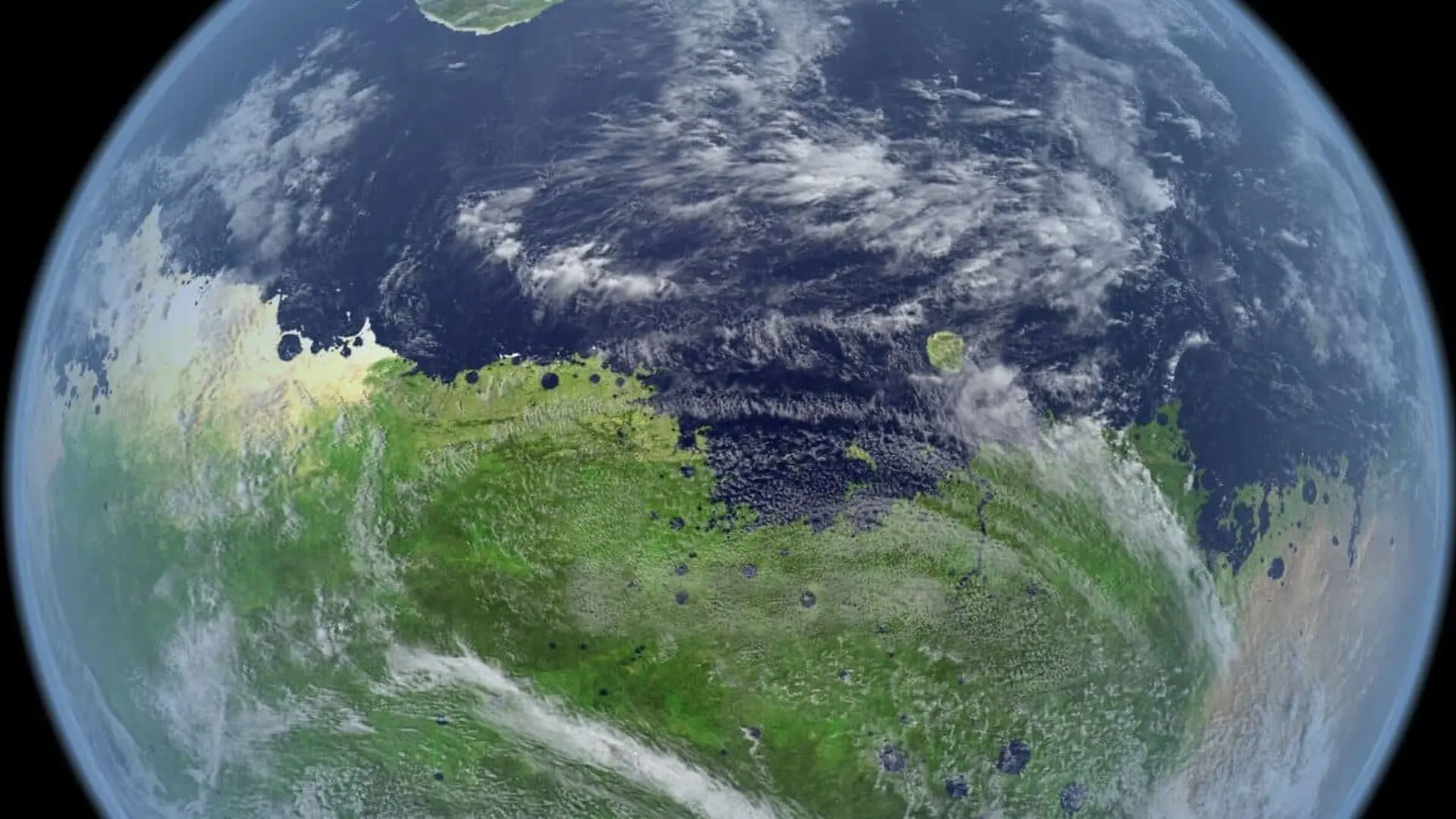
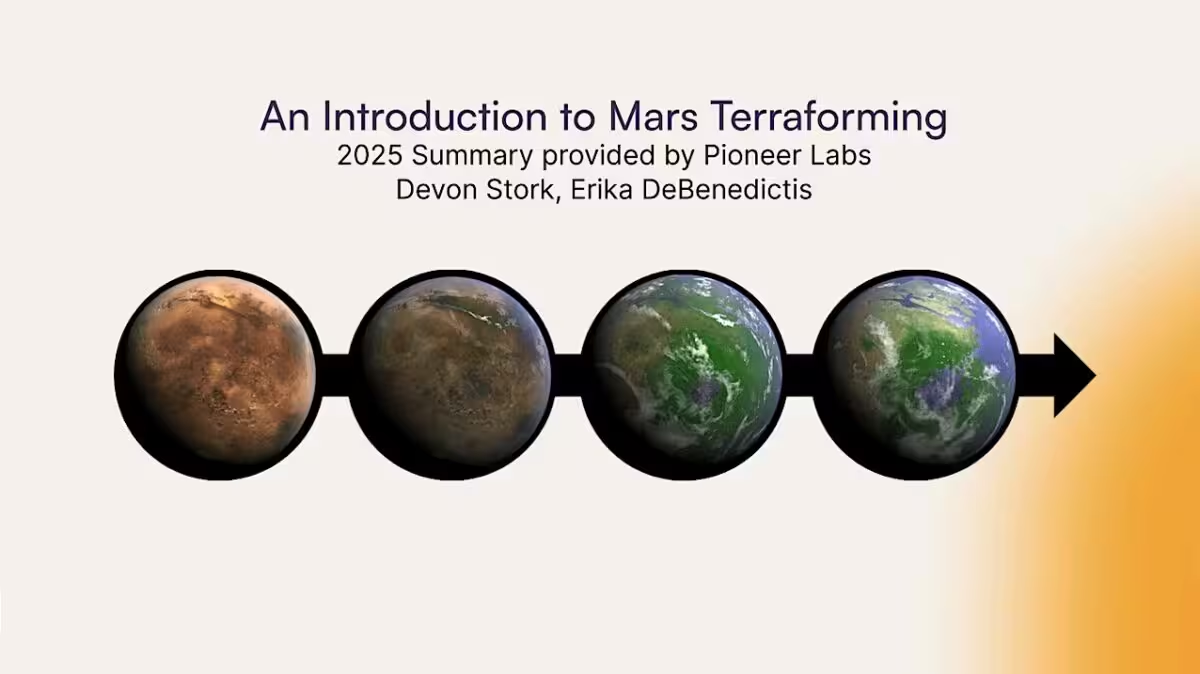
Scientists have long imagined reshaping the Red Planet into a world capable of supporting human life. A recent briefing for the 2025 Green Mars Workshop highlights how breakthroughs in propulsion, synthetic biology, and climate modeling have elevated terraforming from speculative fiction to a legitimate research avenue, even though practical implementation remains distant.
Authored by Dr. Erika DeBenedictis, chief executive of Pioneer Labs, the document notes a shift in discourse: rather than dismissing planetary engineering as impossible, the scientific community is now quantifying the steps required and debating the ethical rationale for such an undertaking.
Step One: Raising the Martian Temperature
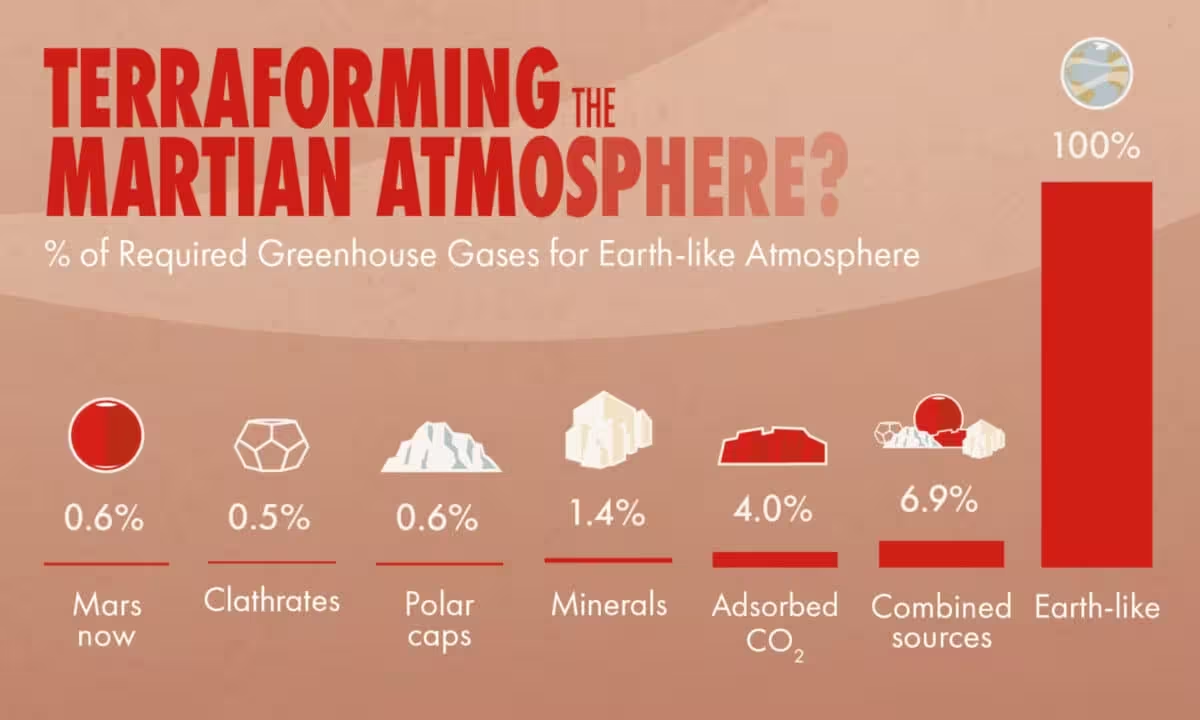
The first milestone outlined involves warming the planet enough to support liquid water. The workshop summary proposes using engineered aerosols or potent greenhouse gases to boost average temperatures by several tens of degrees within a few decades, thereby thickening the thin atmosphere and reducing its harshness.
Mars harbors extensive deposits of frozen water, potentially enough to form an ocean spanning close to four million square kilometers with an average depth of roughly 300 meters. Elevating surface temperatures by about 30 °C could trigger melting of these ice reserves, creating stable liquid bodies—a prerequisite for subsequent biological and ecological processes. For further context on Martian water, see the investigation into hidden liquid water.
Microbial Pioneers: Engineered Extremophiles
With a warmer environment, the roadmap calls for the deployment of specially designed microorganisms. These extremophiles would combine traits such as radiation tolerance, resistance to freezing temperatures, and the ability to thrive under low atmospheric pressure, mirroring organisms that already survive Earth’s most hostile niches.
According to Dr. Erika DeBenedictis, such engineered microbes could proliferate across the Martian surface in algae‑like mats within decades, conducting photosynthesis that gradually enriches the atmosphere with oxygen. The briefing estimates that achieving oxygen levels sufficient for complex life would require on the order of a millennium. In the interim, human settlements would likely consist of tall, sealed habitats—approximately 100 meters high—where breathable air could be produced via photosynthetic organisms or water electrolysis.
Outstanding Scientific and Ethical Challenges
Key uncertainties remain regarding the composition and stability of the extensive ice caps beneath the Martian surface, as well as the behavior of the planet’s iconic dust storms under a warmer, wetter climate. The report also flags the need to assess whether sufficient in‑situ resources exist for large‑scale water electrolysis, or whether such materials would have to be imported from Earth.
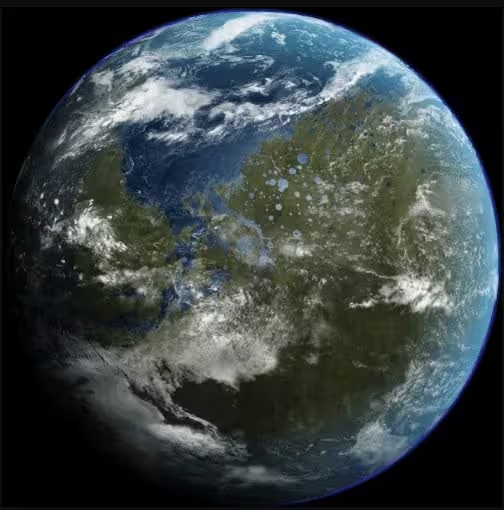
The briefing warns that permanently altering Mars could erase geological and possibly biological records before they are fully examined, raising concerns about the preservation of planetary heritage. Moreover, the introduction of Earth‑derived organisms might threaten any indigenous microbial life that could exist on the planet.
Beyond the Martian context, the authors argue that technologies honed for such an ambitious project—like drought‑tolerant crops, closed‑loop habitat systems, and low‑impact life‑support designs—could deliver tangible benefits for sustainability efforts on Earth.
This article has been fact checked for accuracy, with information verified against reputable sources. Learn more about us and our editorial process.
Last reviewed on .
Article history
- Latest version
Reference(s)
- Labs, Pioneer. “An Introduction to Mars Terraforming 🚀.”, October 17, 2025 Essays from Pioneer Labs <https://blog.pioneer-labs.org/p/an-introduction-to-mars-terraforming>.
- “Erika Alden DeBenedictis.” Erika Alden DeBenedictis <https://www.erikadebenedictis.com/>.
Cite this page:
- Posted by Rohan Kumar