Exercise Outshines Weight‑Loss Pills In Protecting Heart After Obesity Treatment
New research reveals that regular exercise remains vital for heart health, even after substantial weight loss.
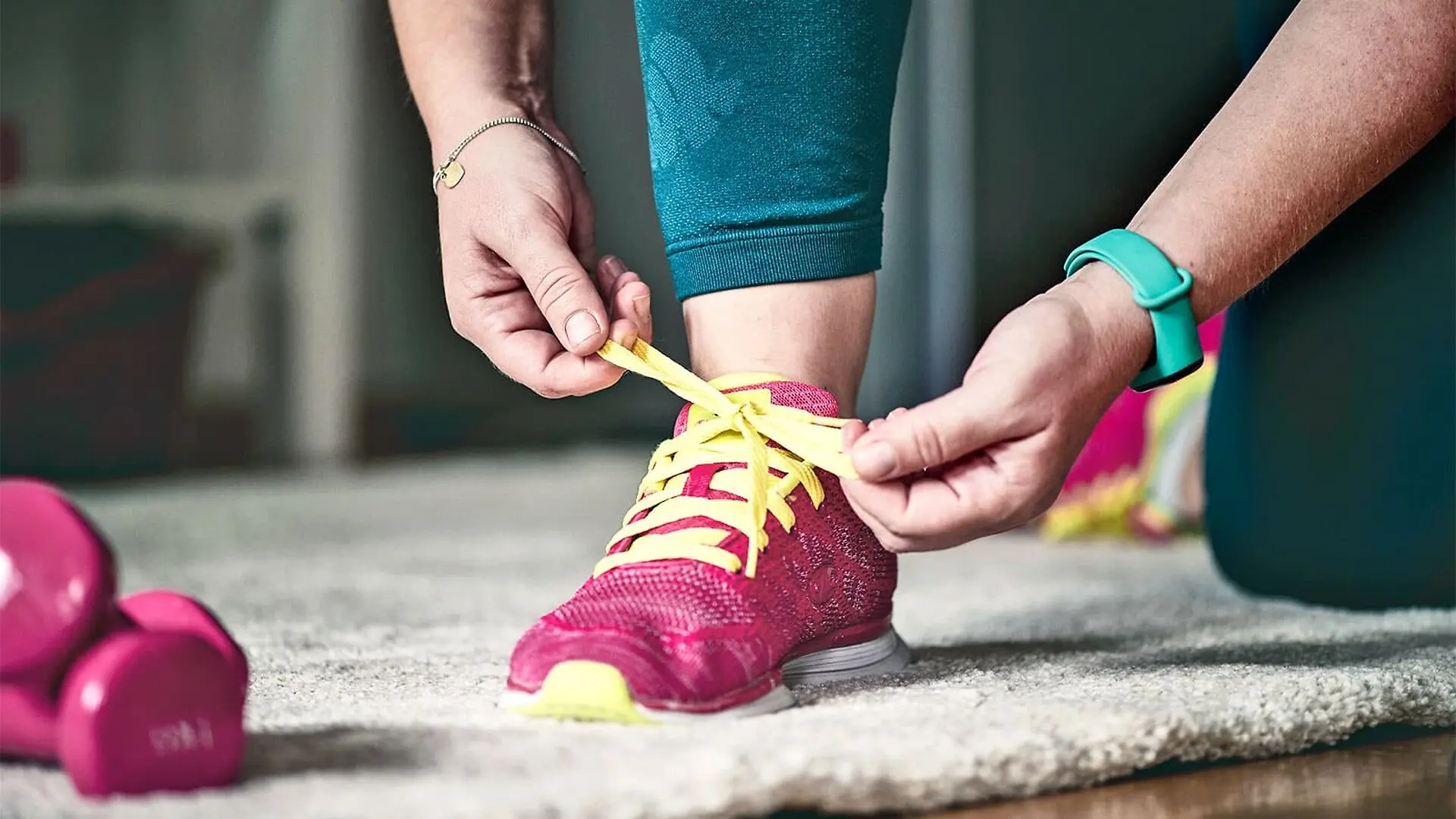
Exercise outperforms weight‑loss drugs in safeguarding cardiovascular health after major weight loss
Researchers at the University of Copenhagen have shown that regular physical activity delivers superior benefits for blood‑vessel function and inflammation compared with the GLP‑1 analogue liraglutide, even after participants shed substantial weight.
How the trial was organized
The team enrolled 130 adults classified as severely obese, who first completed a low‑calorie regimen that resulted in an average loss of 13.7 kg (30.2 lb). After this phase, participants were randomly assigned to one of four interventions for a year: exercise alone, liraglutide alone, a combination of both, or a placebo.
Exercise drives vascular improvement
Participants who followed the exercise protocol exhibited a measurable thinning of the carotid artery wall—about a 6‑7 % reduction—signaling lower risk for atherosclerosis, clot formation, and stroke. In contrast, those receiving liraglutide without exercise or the placebo showed no such change.
Inflammatory biomarkers also declined in the active‑exercise groups, underscoring the anti‑inflammatory impact of modest activity levels.
Medication helps maintain weight but not vessel health
Liraglutide proved effective at preserving the initial weight loss, yet it did not confer additional cardiovascular advantages when used in isolation. When combined with exercise, the drug contributed to further weight reduction and modest gains in vascular function, indicating a synergistic effect.
What the workout entailed
The exercise regimen required roughly two and a half hours per week, primarily consisting of indoor cycling and circuit‑style sessions. Heart‑rate monitors ensured objective tracking of effort, confirming that even relatively low‑intensity activity can yield meaningful health gains.
“The striking finding is how little is needed—replacing a few hours of sedentary screen time with structured movement markedly improves heart‑related outcomes,” noted Professor Signe Torekov, a biomedical sciences expert at the university.
Implications for a largely healthy cohort
All participants were in their mid‑forties and free from diagnosed diabetes or cardiac disease at baseline. The results suggest that introducing modest exercise can enhance key cardiovascular risk markers before overt disease develops.
“Weight‑loss drugs are valuable for sustaining weight loss, but they cannot substitute the broader benefits of physical activity,” added Dr. Rasmus Sandsdal, the study’s first author and a medical doctor in the same department.
Context and future directions
The investigation focused on liraglutide, an earlier GLP‑1 agent. While newer compounds such as semaglutide (marketed as Wegovy) were not examined, the findings reinforce the necessity of integrating exercise into treatment plans for severe obesity, especially as pharmacologic options become more prevalent.
The full study appears in Nature Metabolism. Additional details are available from the University of Copenhagen.
This article has been fact checked for accuracy, with information verified against reputable sources. Learn more about us and our editorial process.
Last reviewed on .
Article history
- Latest version
Reference(s)
- Sandsdal, Rasmus Michael., et al. “Effects of exercise and liraglutide on vascular health and inflammation during weight loss maintenance: a prespecified secondary analysis of the S-LiTE trial.” Nature Metabolism, June 24, 2026 Springer Science and Business Media LLC, doi: 10.1038/s42255-026-01554-4. <https://doi.org/10.1038/s42255-026-01554-4>.
- Communication, UCPH. “After weight loss, exercise improves cardiovascular health more than weight-loss medication.”, July 8, 2026 <https://news.ku.dk/all_news/2026/07/exercise-improves-cardiovascular-health-more-than-weight-loss-medication-after-weight-loss/>.
Cite this page:
- Posted by Rohan Kumar