Astronomers Discover Exotic Organic Molecules and Strange Signals Near 11 Young Stars
Astronomers have discovered unexpected molecules around 11 young stars, revealing new chemical insights into how planetary systems form and evolve.
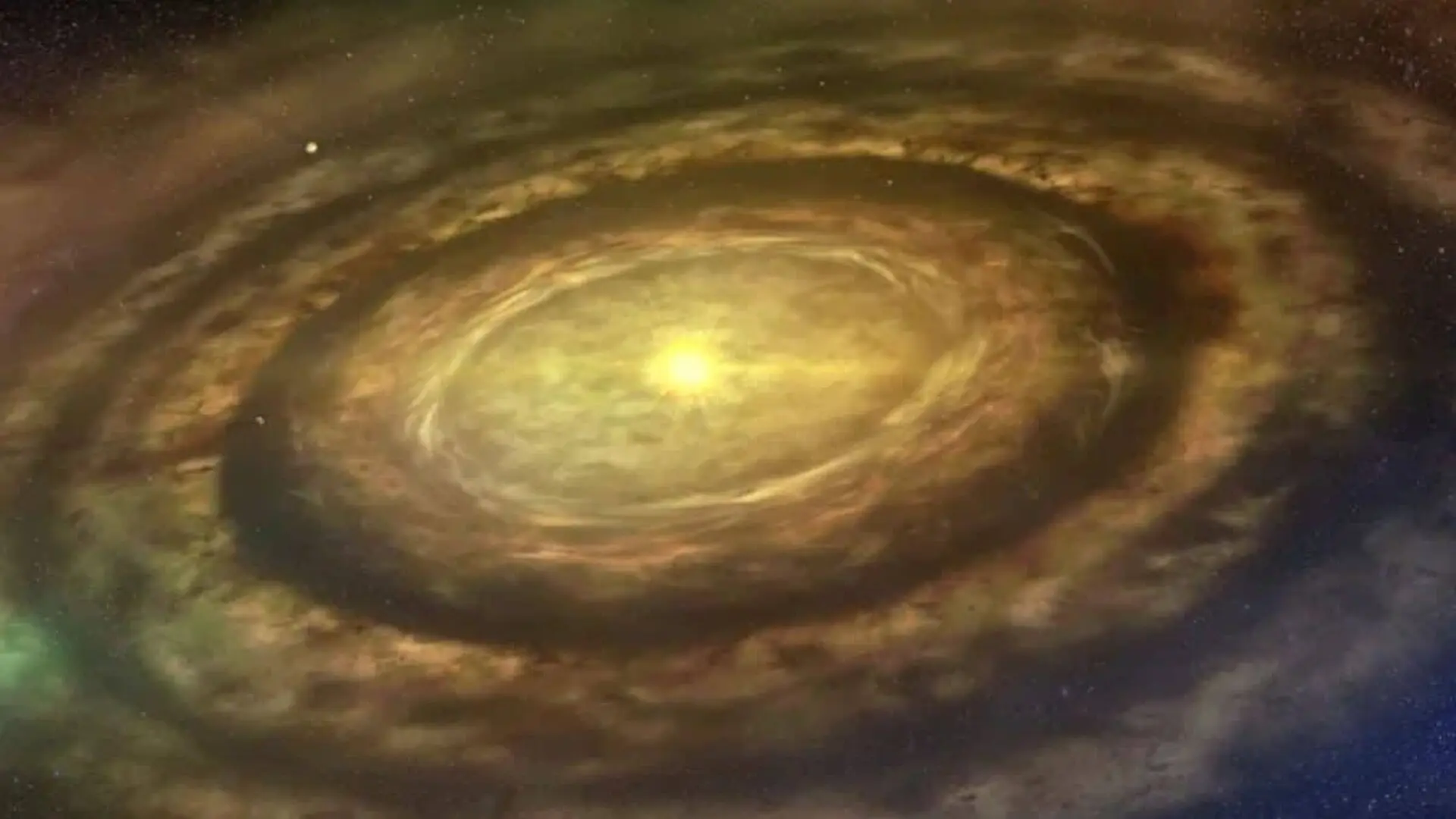
Astronomers peering into the cradles of distant solar systems have uncovered a surprising chemical diversity that challenges our understanding of how planets—and the precursors to life—take shape. Using the Atacama Large Millimeter/submillimeter Array (ALMA) in Chile, researchers identified a complex array of organic molecules and unexpected microwave emissions within the swirling, dusty disks surrounding 11 young stars.
This research is the primary output of the COMPASS (Complex Organic Molecules in Protostars with ALMA Spectral Surveys) project. Led by astrophysicist Maria Drozdovskaya of the University of Bern, the international team is mapping the chemical inventory of low-mass protostars, where the raw materials for future planetary systems are forged.
A Rare Molecular Discovery in the Perseus Cloud
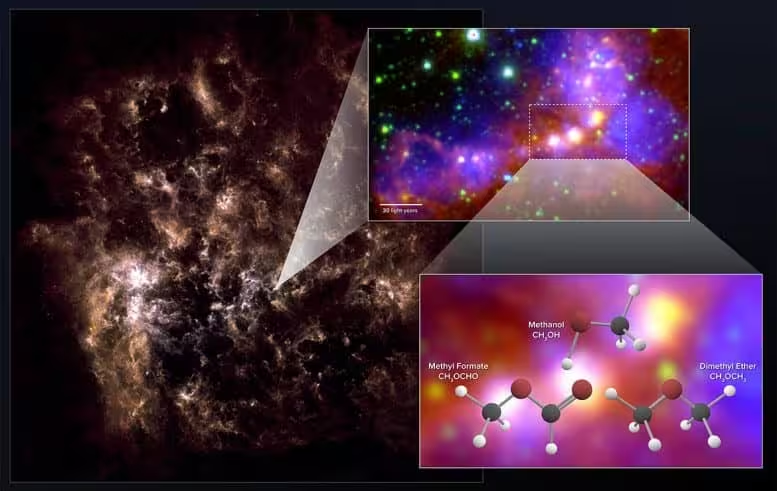
At the heart of the study is methanol (CH₃OH), one of the most common complex organic molecules found in interstellar space. By targeting specific variations of methanol that include deuterium—a heavy isotope of hydrogen—scientists can effectively “read” the environmental history of these young stellar systems. The ratio of these molecules serves as a chemical signature of the conditions present during a star’s early formation.
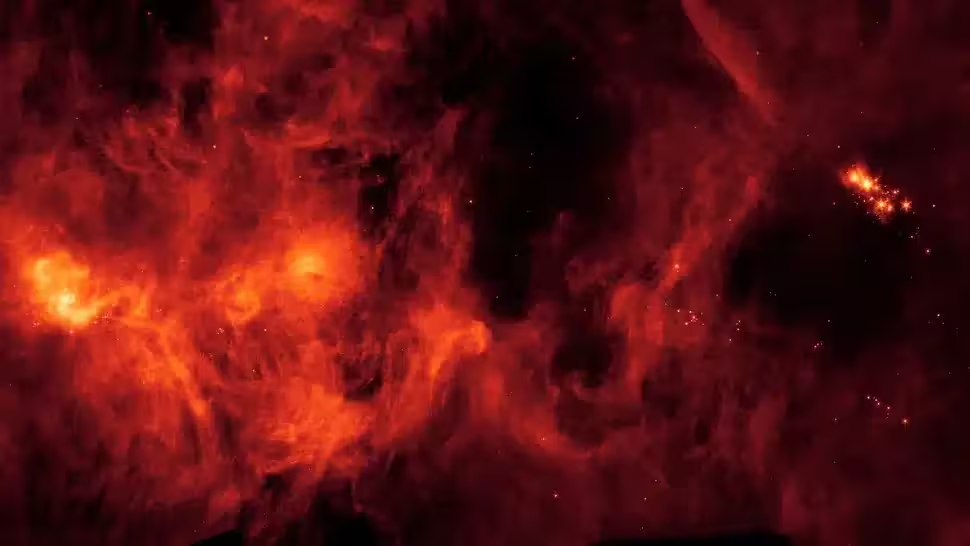
One particular standout in the survey was the protostar IRAS 4A2. Located approximately 1,000 light-years away within the Perseus Molecular Cloud, this star was the only object in the sample to exhibit a specific, deuterated form of methanol. First identified by the Infrared Astronomical Satellite (IRAS) in 1983, the object continues to provide crucial data on the volatile chemical processes occurring in dense stellar nurseries.
Microwave Masers Reveal Turbulent Beginnings
The team also identified methanol maser emissions—essentially the microwave equivalent of a laser—around more than half of the protostars observed. While these powerful, coherent emissions are commonly associated with the intense environments of massive stars, their presence in the quieter, low-mass systems was unexpected.
Drozdovskaya noted that the detection of these signals in low-mass protostars suggests that these regions can host extreme, localized physical conditions similar to those found in much larger stellar entities. Researchers believe that as young stars grow and pull in surrounding gas, they may trigger heat bursts and shock waves that excite methanol molecules, generating these distinct microwave signals.
Chemical Fingerprints Across the Cosmos
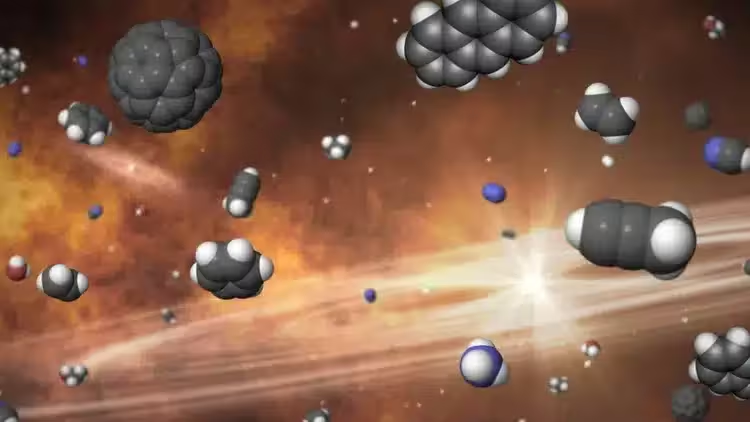
Beyond methanol, ALMA’s high-precision spectroscopy revealed significant variations in nitrogen- and oxygen-bearing molecules across the different stellar systems. This indicates that the chemical “recipes” available for planet formation are highly individualized, rather than uniform across the galaxy.
The first results from the COMPASS project were detailed in seven papers published in the October 2026 issue of Astronomy & Astrophysics. As the team continues to parse the massive volume of spectral data, they are already coordinating with other premier instruments, including the James Webb Space Telescope, to gain a deeper understanding of the chemical evolution of planetary systems.
Drozdovskaya noted that the full analysis of the survey will likely span several years, as researchers work to piece together how these varied chemical beginnings ultimately influence the potential for life in young solar systems.
This article has been fact checked for accuracy, with information verified against reputable sources. Learn more about us and our editorial process.
Last reviewed on .
Article history
- Latest version
Cite this page:
- Posted by Farah Siddiqui