New Expedition Returns to Remote Island Where Giant Crabs Once Sparked Amelia Earhart Theories
New forensic analysis of bones found on a remote Pacific island is reigniting the mystery of what truly happened to Amelia Earhart after her 1937 flight.
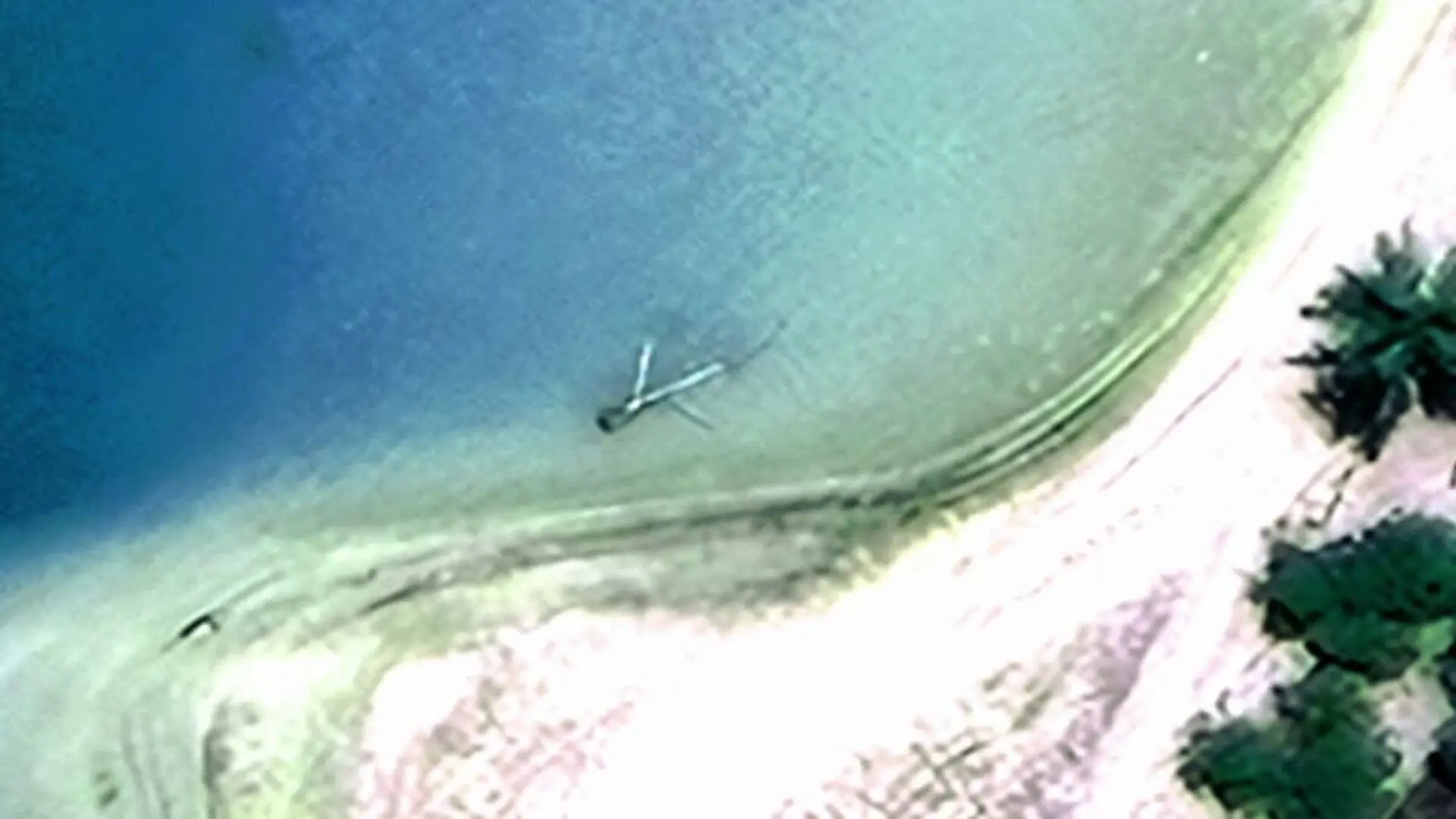
A specialized team of 17 researchers, supported by Purdue University and the Archaeological Legacy Institute, has arrived at the remote Pacific atoll of Nikumaroro to investigate a potential breakthrough in one of aviation’s most enduring enigmas. Following an 830-nautical-mile journey, the group began operations on October 12, focusing on a satellite-detected anomaly known as the Taraia Object, which some theorize could be linked to the Lockheed Model 10-E Electra flown by Amelia Earhart and her navigator, Fred Noonan.
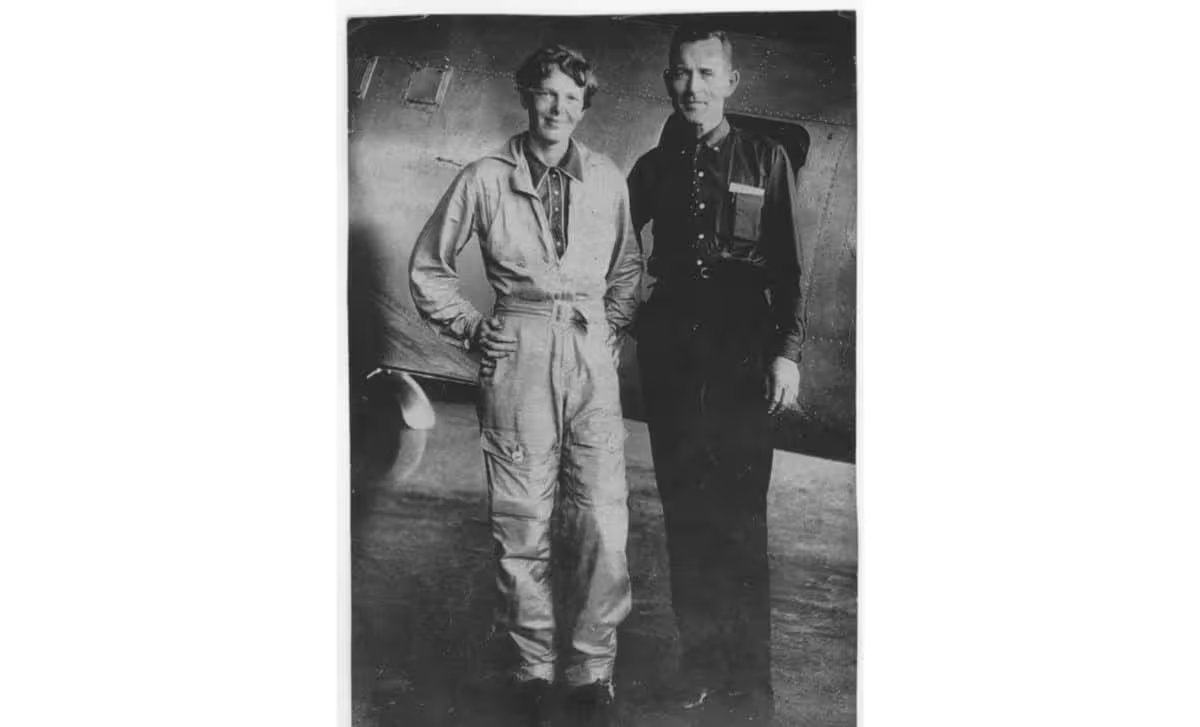
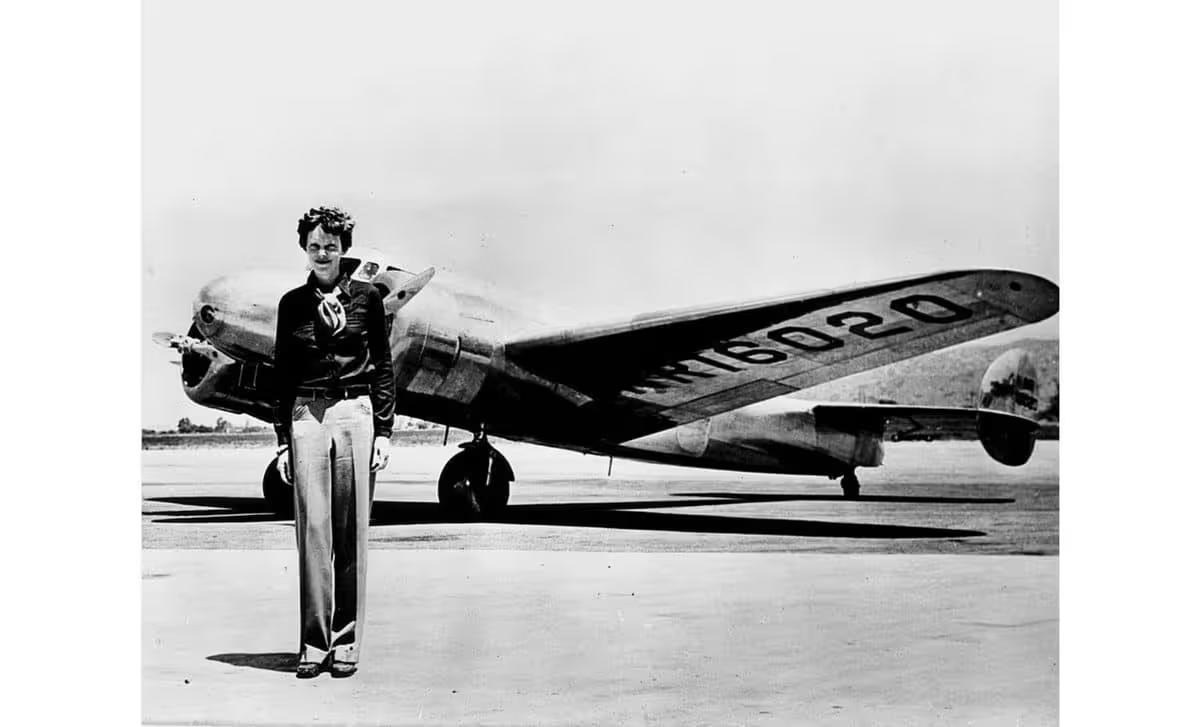
The expedition is utilizing high-tech equipment, including magnetometers, sonar, and specialized dredging tools, to scan the island’s lagoon for debris. This mission revisits the persistent debate over the fate of the aviators, who vanished on July 2, 1937, while attempting to locate Howland Island during their circumnavigation attempt. While the prevailing consensus among federal authorities remains that the aircraft ran out of fuel and descended into the ocean, the “Nikumaroro hypothesis” suggests the duo may have successfully landed on the coral reef of what was then known as Gardner Island, surviving as castaways before their eventual deaths.
Logistical Hurdles and the Coconut Crab Threat
The research team faces a unique, biological constraint during their time on the island. While conducting their field surveys, members will return each night to the safety of the passenger ship Marin Mainiku, opting not to camp on land. According to Purdue University, the presence of the world’s largest land-dwelling arthropod, the coconut crab, makes overnight stays on the island inherently dangerous.
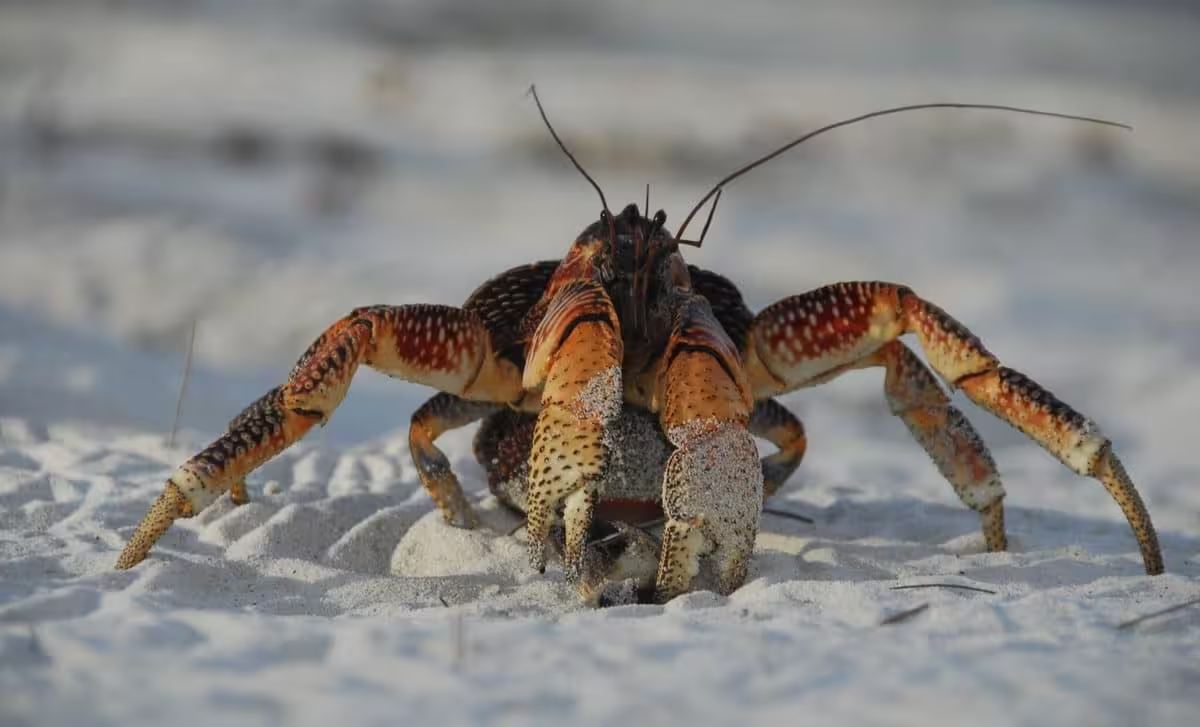
These formidable crustaceans can reach a leg span of nearly three feet and exert up to 3,300 newtons of force with their claws. Their behavior is central to the theory that if Earhart and Noonan had died on the island, their remains would likely have been scavenged and dispersed by the creatures. Experiments previously conducted by the International Group for Historic Aircraft Recovery (TIGHAR) using a pig carcass confirmed that coconut crabs are capable of consuming soft tissue and dragging skeletal remains as far as 60 feet from their original position, offering a potential explanation for why a complete skeleton has never been recovered at the site.
Past Searches and the DNA False Start
The current mission follows an exhaustive 2019 effort led by ocean explorer Robert Ballard, which scoured the seabed surrounding Nikumaroro down to a depth of 2,400 feet. Despite a comprehensive visual survey of the island’s perimeter, no trace of the Electra was discovered.
Previous efforts to identify historical bone fragments found on the island in 1940 also ended in disappointment. Although initial reports from the era suggested the bones might be those of Earhart, later forensic re-evaluations and subsequent DNA testing conducted in 2021 proved the remains belonged to a Polynesian individual who lived on the island roughly 1,000 years ago, as reported by Radio New Zealand.
As the new team focuses on the Taraia Object, the mystery of the 1937 disappearance remains as elusive as ever. The investigation into whether the Electra was lost to the deep ocean or hidden beneath the dense growth and shifting sands of a remote Pacific island continues to drive modern archaeological inquiry.
This article has been fact checked for accuracy, with information verified against reputable sources. Learn more about us and our editorial process.
Last reviewed on .
Article history
- Latest version
Reference(s)
- “Pacific news in brief for March 6.”, March 6, 2023 RNZ <https://www.rnz.co.nz/news/pacific/485412/pacific-news-in-brief-for-march-6>.
Cite this page:
- Posted by Divya Iyer