Russian Cargo Ship Makes Fiery Exit From Space Station After Completing Crucial Mission
A Roscosmos Progress cargo spacecraft has officially departed the International Space Station after successfully completing its scheduled orbital mission.
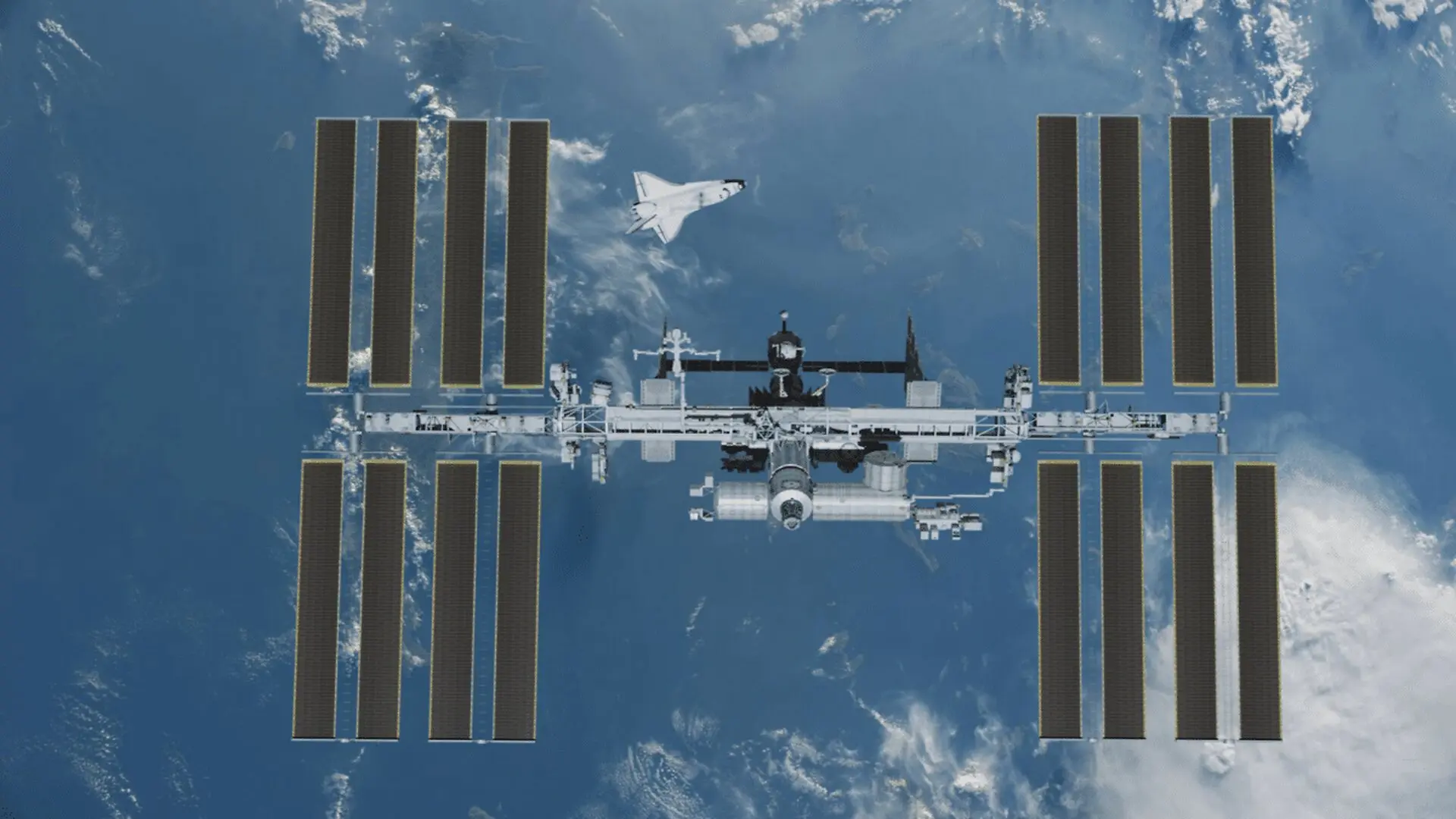
A Russian Progress cargo vehicle has successfully departed the International Space Station (ISS), concluding its latest resupply mission and clearing space for future orbital traffic. The uncrewed freighter undocked from the station on September 8, 2026, marking the end of a critical logistical cycle for the orbiting laboratory.
Following its separation from the station, the spacecraft performed a controlled reentry, burning up harmlessly in Earth’s atmosphere over the South Pacific Ocean. This routine procedure is a cornerstone of the ISS program, ensuring that the orbital complex remains supplied with essential resources while managing the removal of waste materials generated by the crew.
Maintaining the Orbital Supply Chain
According to NASA, the Progress mission functioned as a vital link between the ground and the researchers living aboard the facility. Developed by Roscosmos, these automated vehicles are designed to transport a wide array of necessities, including food, scientific hardware, water, and specialized equipment required for daily station maintenance.
Four spaceships are parked at the space station after a trash-packed Progress 94 cargo spacecraft departed on Monday, Sept. 7, and reentered Earth’s atmosphere above the South Pacific Ocean for a fiery, but safe demise. More… https://t.co/Vw9fEIzt1cpic.twitter.com/DAEAEdKfhz
— International Space Station (@Space_Station) September 8, 2026
The operational cadence of these cargo vessels is meticulously planned to support the ongoing research objectives of the ISS. By utilizing automated navigation for both approach and departure, the Progress fleet allows ground teams and onboard astronauts to focus on scientific discovery rather than manual maneuvering of supply ships.
The Collaborative Nature of Low Earth Orbit
The successful conclusion of this mission serves as a reminder of the intricate coordination required to sustain the International Space Station. The facility functions as a complex, international ecosystem where the arrival and departure of various spacecraft must be synchronized with precision to accommodate crew rotations, science schedules, and station maintenance.
Progress vehicles are launched from Russia’s Baikonur Cosmodrome, adding to a global effort that involves multiple space agencies. This high-frequency dance of spacecraft in low Earth orbit has been the lifeblood of the station for more than two decades, providing a reliable lifeline for human spaceflight that bridges the gap between Earth and the vacuum of space.
With this latest freighter now safely deorbited, the station continues to host a rotating array of visiting vehicles, maintaining the steady flow of logistics necessary for long-term orbital habitation and research.
This article has been fact checked for accuracy, with information verified against reputable sources. Learn more about us and our editorial process.
Last reviewed on .
Article history
- Latest version
Reference(s)
- Garcia, Mark. “Roscosmos Progress Cargo Spacecraft Departs Space Station - NASA.”, September 8, 2026 NASA <https://www.nasa.gov/blogs/spacestation/2026/09/08/roscosmos-progress-cargo-spacecraft-departs-space-station/>.
- “https://go.nasa.gov/4xcGkeU.” <https://t.co/Vw9fEIzt1c>.
- “https://twitter.com/Space_Station/status/2097306447801409930/photo/1.” <https://t.co/DAEAEdKfhz>.
Cite this page:
- Posted by Divya Iyer