NASA Delays Moon Landing as Artemis III Mission Gets a Major Redesign
NASA’s updated Artemis timeline sets a challenging course for SpaceX and Blue Origin as they race toward the first crewed lunar landing in five decades.

NASA has recalibrated its roadmap for returning humans to the lunar surface, imposing a rigorous series of technical milestones on SpaceX and Blue Origin. The revised strategy shifts the focus of the upcoming Artemis III mission, signaling that a crewed moon landing will not occur during that flight, but rather serve as a vital dress rehearsal in Earth orbit.
Under the updated timeline, NASA plans to launch astronauts into Earth orbit by 2027 to conduct docking tests with the lunar landers currently under development. The actual return to the moon’s surface is now slated for Artemis IV in 2028, with subsequent landings potentially following later that same year.
Shifting the Artemis III Objective
The decision to pivot Artemis III away from a surface landing reflects the immense engineering hurdles required to certify modern lunar transport. According to details shared by Steve Creech, acting manager of NASA’s Human Landing System program, at the International Astronautical Congress in Antalya, Türkiye, the 2027 mission will focus exclusively on orbital validation.
During this mission, four astronauts aboard the Orion spacecraft will rendezvous with uncrewed versions of the SpaceX and Blue Origin landers. This allows mission controllers to verify docking mechanics and system compatibility without the immediate risks associated with a lunar descent.
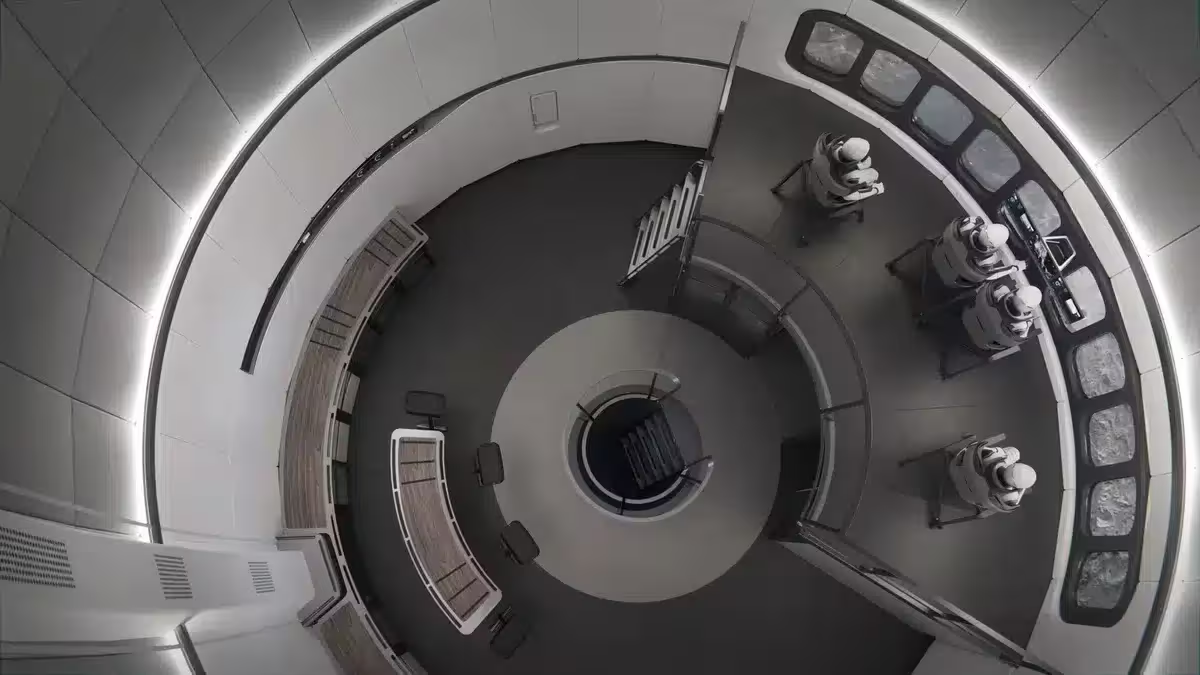
SpaceX Faces Complex Orbital Refueling Hurdles
For SpaceX, the path to the lunar surface is paved with complex operational demands. Beyond the mastery of Starship launches and recoveries, the company must perfect orbital propellant transfer—a critical process where fuel is moved between tankers in low Earth orbit before a lunar transit can begin.
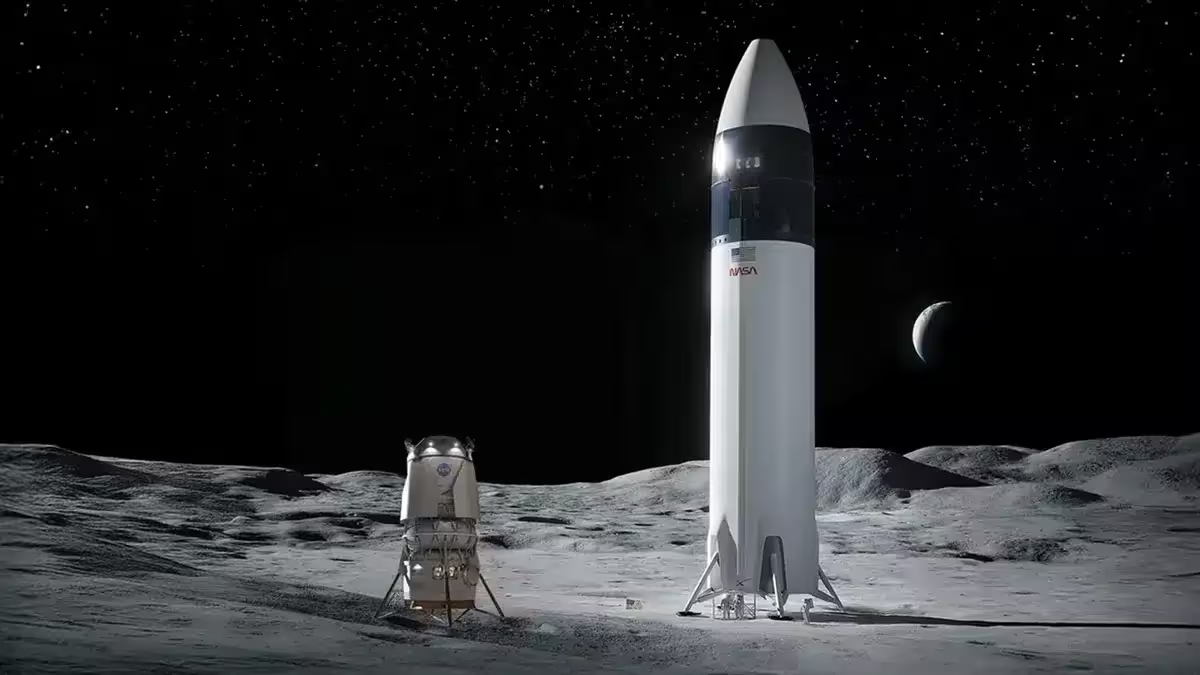
The agency’s roadmap includes an uncrewed Starship lunar landing demonstration before the end of 2027. Before that can happen, SpaceX must demonstrate the ability to mitigate cryogenic propellant evaporation during long-duration storage. For the Artemis III orbital test, the company plans to utilize a modified Starship, opting for a design that omits the crew cabin in favor of prioritizing docking performance.
Blue Origin’s Alternative Landing Strategy
Blue Origin is pursuing a different technical trajectory with its Blue Moon Mark 2 lander. The 52-foot-tall vehicle, powered by BE-7 engines, is designed with a more robust suite of internal systems. During the orbital demonstration phase, Blue Origin’s configuration may allow for astronauts to transition into the lander from the Orion capsule to test life-support interfaces and flight controls.
While Blue Origin is also advancing its smaller Mark 1 lander as part of the Commercial Lunar Payload Services initiative, its primary focus remains the uncrewed Mark 2 demonstration targeted for early 2028. This timeframe provides a razor-thin margin for error before the transition to crewed operations.
The Tight Schedule Toward 2028
The window for the first crewed landing since Apollo 17 is closing rapidly. NASA’s reliance on two distinct commercial partners adds a layer of competitive pressure, but also creates a dependency on successful, back-to-back testing. With the shift of the landing objective to Artemis IV, the success of the 2028 goal rests on the performance of both the Starship and Blue Moon platforms.
Upcoming briefings, including a scheduled update involving Administrator Jared Isaacman and senior leadership, will likely provide further clarity on how NASA intends to accelerate these milestones. For now, the global space community remains focused on whether the commercial sector can deliver on these high-stakes objectives within the current, compressed timeframe.
This article has been fact checked for accuracy, with information verified against reputable sources. Learn more about us and our editorial process.
Last reviewed on .
Article history
- Latest version
Cite this page:
- Posted by Karan Das