NASA Astronauts Are Now Printing Human Blood Vessels in Orbit to Unlock New Cancer Treatments
NASA astronauts are 3D printing blood vessels and studying cancer cells in space to see how microgravity could revolutionize medical treatments on Earth.
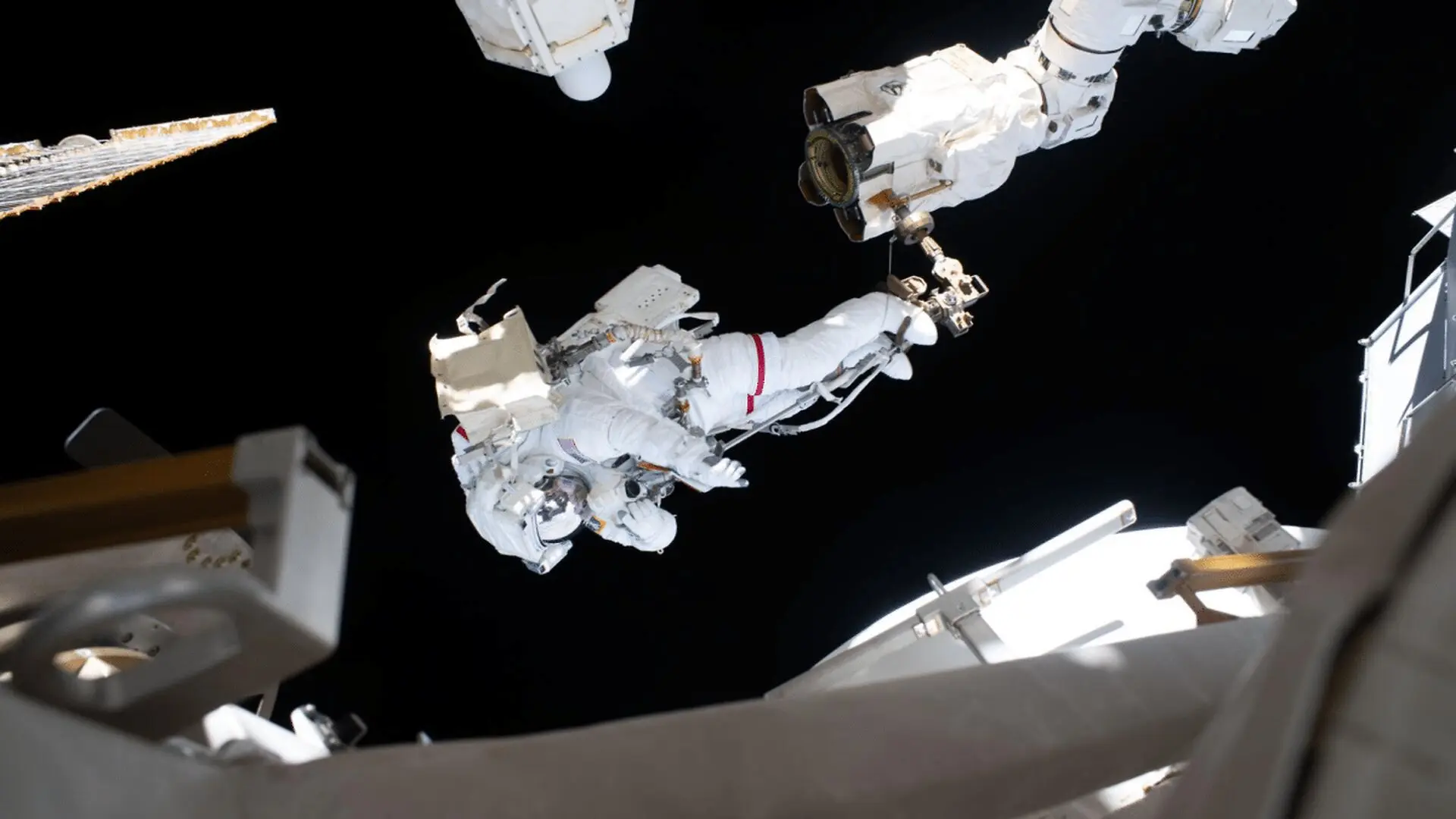
The International Space Station (ISS) is currently serving as a unique orbital laboratory for cutting-edge medical research, with recent experiments focusing on the potential to bioprint human tissue and better understand the progression of cancer. As detailed in a NASA mission update released on October 20, 2026, the orbiting crew is leveraging the lack of gravity to overcome traditional hurdles in biological engineering.
Advances in Bioprinting and Cellular Research
On October 20, flight engineers Luke Delaney and Jessica Watkins utilized the station’s BioFabrication Facility within the Columbus module to synthesize human blood vessel structures. By processing vascular cell samples with specialized bioink in a weightless environment, researchers aim to produce tissue architectures that are superior to those created under the limitations of Earth’s gravity. On the ground, gravity often hinders the precise organization of delicate biological components, but the microgravity environment allows for more complex tissue formation.
Beyond synthetic anatomy, the crew is actively investigating the behavior of cancer cells. Delaney conducted experiments in the Japanese Kibo module using the Life Science Glovebox to analyze how tumor samples respond to treatment away from the influence of Earth’s constant gravitational pull. While these tests do not constitute a clinical cure, they offer a novel perspective on the genetic and cellular mechanisms driving the disease. The preserved samples from these experiments are slated for comprehensive study back on Earth, where researchers hope to identify specific cellular behaviors that could inform the development of more targeted therapies.
Expedition 75 bioprinted blood vessels, processed tumor cells, and videotaped an advanced workout session to benefit human health. Meanwhile, preparations continue for an Oct. 29 spacewalk. More… https://t.co/zRZlum4qSn https://t.co/qw6Nbz8lXS
Also ReadNew High Resolution Map Reveals Massive Hidden Groundwater Reserves Beneath The United States— International Space Station (@Space_Station) October 20, 2026
Upgrading Orbital Power Infrastructure
While biological research dominated much of the science schedule, the station is also undergoing critical hardware upgrades. NASA astronaut Anil Menon has been preparing for a series of high-stakes spacewalks scheduled for October 29 and November 5. Alongside Canadian Space Agency astronaut Joshua Kutryk, Menon will install new roll-out solar arrays on the station’s exterior truss.
These upgrades are essential for maintaining the laboratory’s increasing operational and research power demands. According to Gaurang Patel, NASA’s Low Earth Orbit Program operations integration manager, the installation of these new arrays is expected to boost the facility’s power generation capacity by up to 30 percent, ensuring a robust energy supply for future scientific endeavors.
Broadening the Scope of Orbital Operations
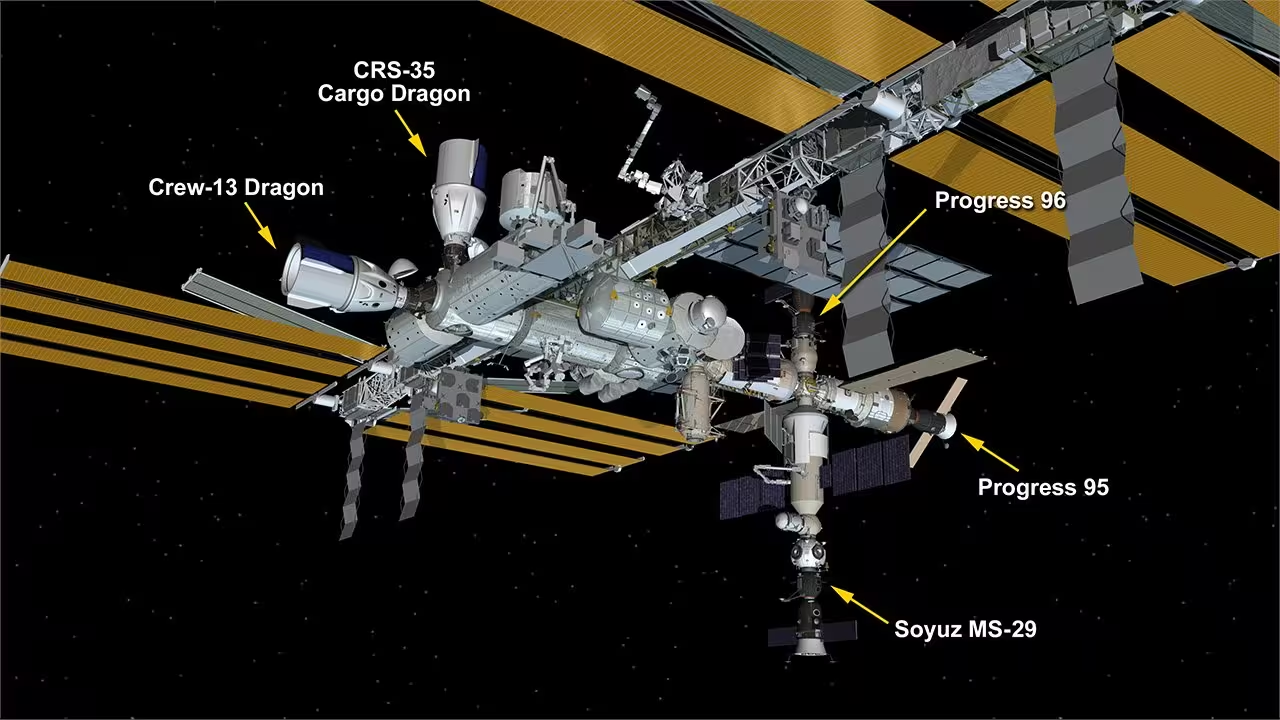
The International Space Station serves as a multipurpose platform for human health and Earth observation. Recent activities included a study using motion-capture technology to analyze astronaut exercise, specifically focusing on how to better mitigate bone and muscle atrophy during long-duration spaceflight. Findings from this work may eventually have implications for sports medicine and physical therapy on Earth.
The broader crew remains engaged in a diverse array of tasks, ranging from remote sensing of African landmarks and training on the European robotic arm to managing essential cargo logistics. As scientists await the return of the latest bioprinted and tumor samples, the success of these ongoing experiments underscores the growing role of low Earth orbit in solving complex terrestrial medical challenges.
This article has been fact checked for accuracy, with information verified against reputable sources. Learn more about us and our editorial process.
Last reviewed on .
Article history
- Latest version
Reference(s)
- Garcia, Mark. “Blood Vessel Printing, Cancer Research, and Spacewalk Preps Keep Crew Busy - NASA.”, October 20, 2026 NASA <https://www.nasa.gov/blogs/spacestation/2026/10/20/blood-vessel-printing-cancer-research-and-spacewalk-preps-keep-crew-busy/>.
Cite this page:
- Posted by Karan Das