The ISS Is Leaking Again From Its Russian Module and Tiny Cracks Are Forcing Constant Monitoring in Space
Old air leak resurfaces in ISS Russian segment exposing aging space station challenges
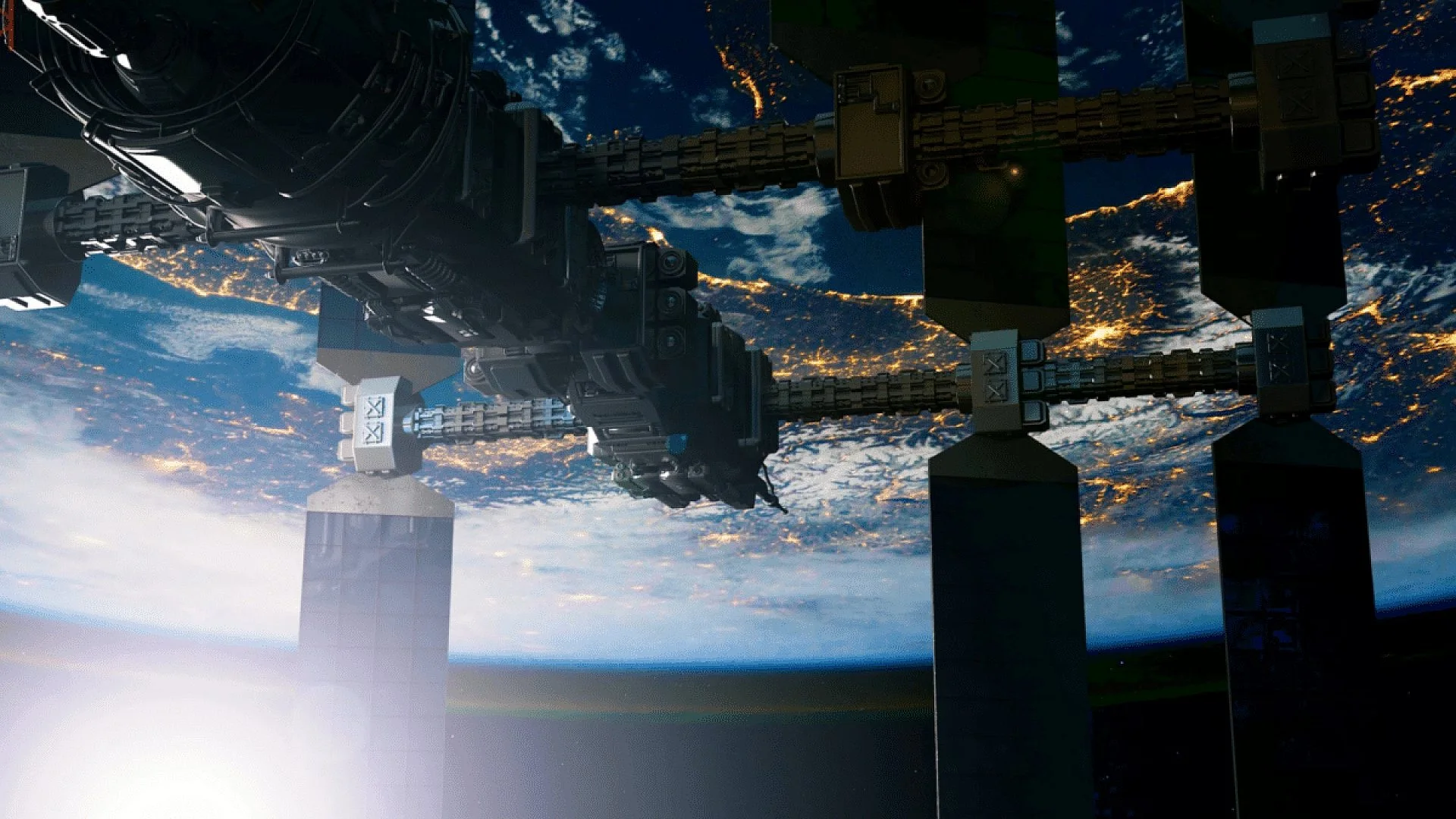
A recurring air leak in the Russian portion of the International Space Station (ISS) has re‑emerged, highlighting the engineering hurdles of keeping a three‑decade‑old orbital platform operational. Ars Technica reports that cosmonauts detected a gradual pressure decline in the Zvezda Service Module earlier this month, indicating that previous repair attempts have not fully resolved the problem.
Chronology of Attempts to Seal the Breach
The issue first came to light in September 2019 when Roscosmos reported a pressure drop in the vestibule (PrK) that links a docking port to the Zvezda module. Over the following months the leak accelerated, increasing from roughly one pound of air lost per day to just over two pounds, prompting NASA to classify the anomaly as a top‑tier risk.
Both agencies spent years probing the origin of the loss and testing sealing techniques. Despite a series of inspections, repairs, and pressure‑monitoring campaigns, the problem persisted. In June 2025, a brief improvement suggested that a recent fix might have been effective, leading many to believe the leak had been finally contained. However, the events of May 2026 reveal that the issue remained unresolved.
Persistent Pressure Loss
During a cargo transfer from the Progress 95 spacecraft earlier this month, Russian crew members observed a renewed pressure drop in the tunnel leading to Zvezda. “Data analysis indicated a loss of about one pound per day,” NASA spokesperson Josh Finch told Ars Technica. “Roscosmos allowed the pressure in the transfer tunnel to gradually decrease while monitoring the rate. The area now is being maintained at a lower pressure, with small repressurizations as needed. There are no impacts to station operations, and NASA and Roscosmos are coordinating on next steps.”

The re‑appearance of the leak underscores how the ISS’s aging hardware—exposed to intense radiation, micrometeoroid impacts, and extreme temperature fluctuations—requires constant vigilance. Even small fissures or deteriorated seals can jeopardize the station’s atmospheric integrity, demanding ongoing oversight from both crew and ground teams.
Implications for Future Human Spaceflight
The ongoing problem has revived discussions about the station’s retirement timeline. While the ISS is slated for decommissioning in 2030, recent conversations in the U.S. Congress suggest postponing the shutdown until commercial platforms can reliably support a continuous human presence in orbit.
“This further confirms the wisdom of the current policy of retiring the ISS in 2030 and replacing it with more modern, more cost‑effective, and safer commercial platforms,” McAlister told Ars Technica. The leak adds weight to concerns about the station’s old‑age infrastructure, reminding engineers and policymakers that operating in low‑Earth orbit is becoming increasingly intricate and hazardous.
Continued Surveillance and Planned Actions
NASA and Roscosmos are maintaining close observation of the pressure loss, carrying out periodic repressurizations as needed. Although the crew remains safe, the situation highlights the challenges of sustaining long‑term human habitation in space. Technical teams are analyzing the loss rate, identifying structural weak points, and evaluating repair options to achieve a definitive fix before the station approaches the end of its service life.
As the ISS continues its mission, the recurring leak serves as a cautionary example of the limits of current space‑based engineering and the necessity for ongoing innovation to guarantee safe and sustainable human activity beyond Earth.
This article has been fact checked for accuracy, with information verified against reputable sources. Learn more about us and our editorial process.
Last reviewed on .
Article history
- Latest version
Reference(s)
- Berger, Eric. “Uh-oh, the International Space Station is leaking again - Ars Technica.”, May 21, 2026 Ars Technica <https://arstechnica.com/space/2026/05/uh-oh-the-international-space-station-is-leaking-again/>.
Cite this page:
- Posted by Karan Das