Why Cannibalism Always Fails: New Model Links It to Fatal Disease Spread
Math model finds cannibalism can aid short survival in extreme scenarios, but disease spread makes it unsustainable, explaining its brief historic use.
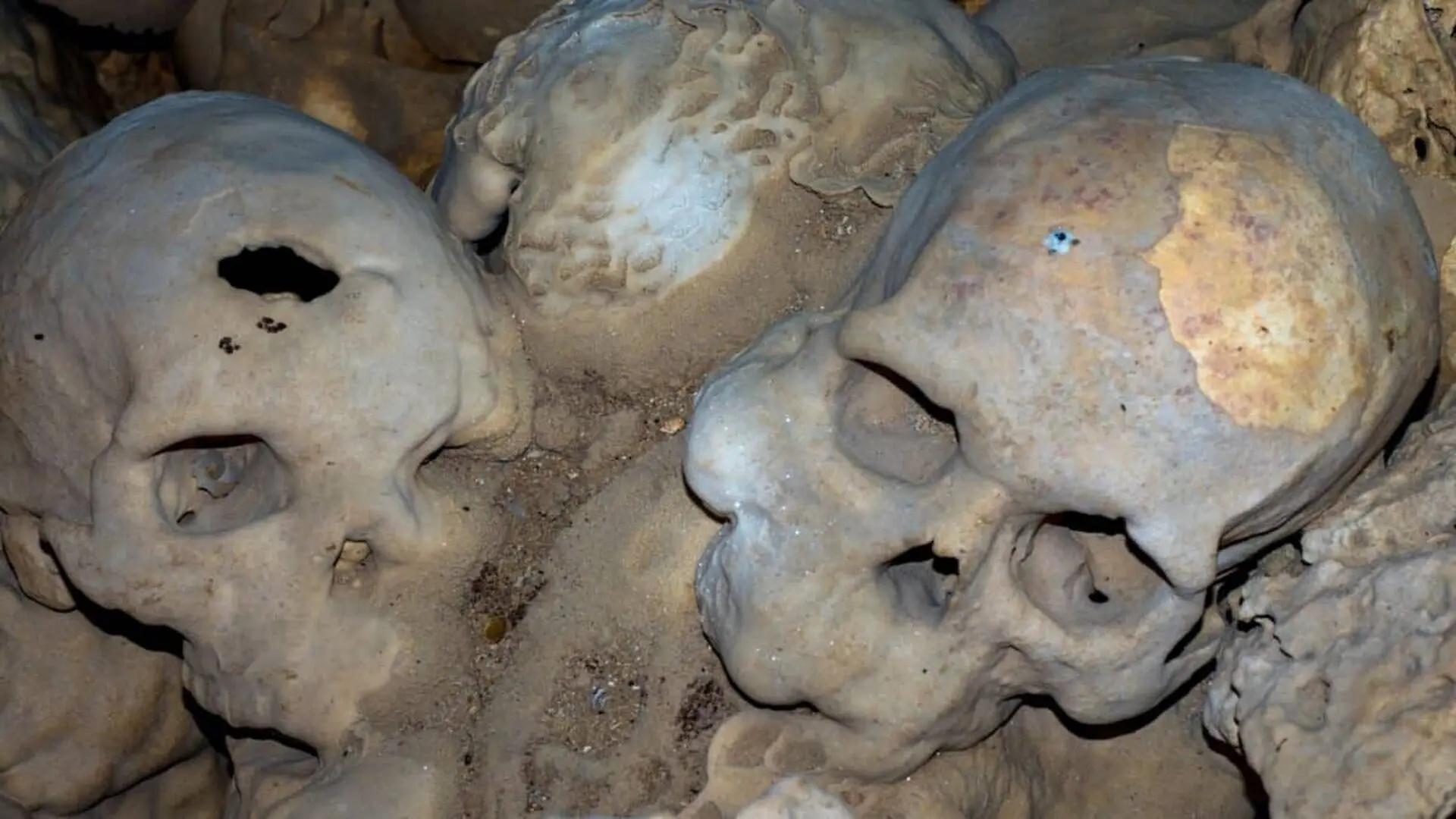
Researchers from the University of Wrocław in Poland and Charles University in the Czech Republic have built a mathematical framework that compares the short‑term nutritional upside of eating human flesh with the long‑term health penalties caused by disease spread. Their analysis, featured in the Proceedings of the National Academy of Sciences (PNAS), aims to explain why cannibalism appears sporadically in the archaeological record yet fails to become a sustainable practice.
Model Predicts Health Costs Outpace Caloric Gains
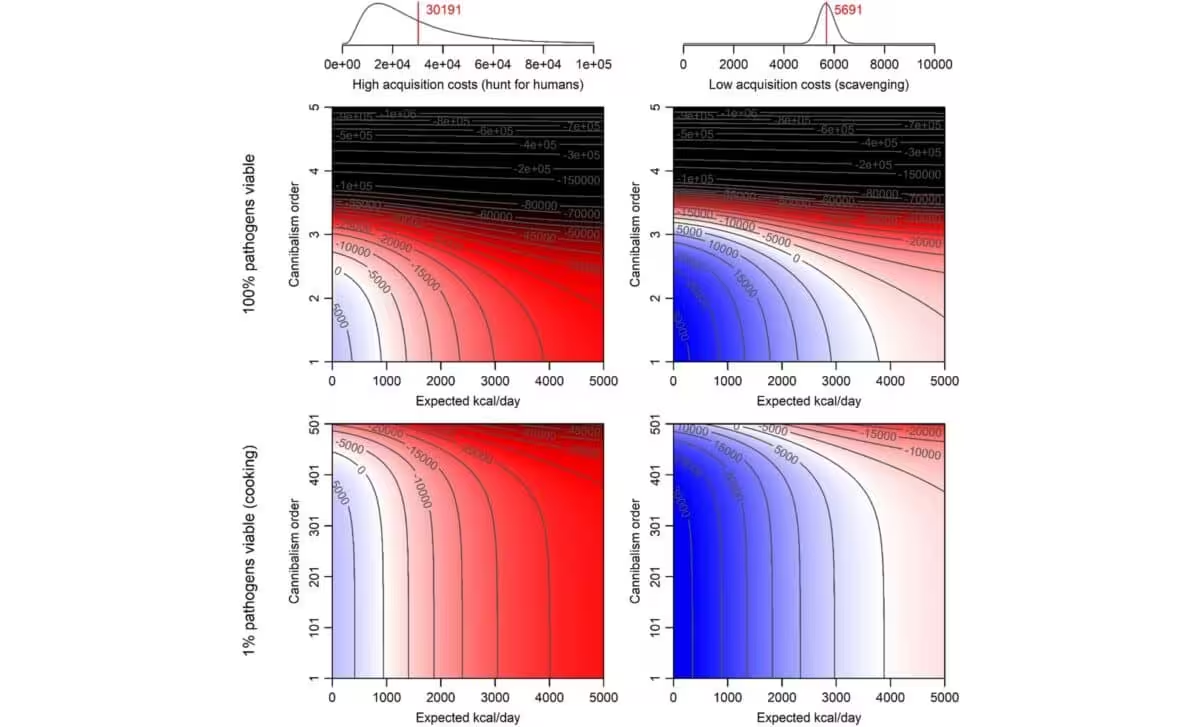
The simulation shows that human flesh can provide a viable source of calories only under a narrow set of circumstances: the consumed individuals must be dead, the act must replace the energy expenditure of hunting, the meat should be cooked to mitigate certain hazards, and the victims must not have previously participated in cannibalism themselves. Outside this tightly defined niche, the balance tips sharply toward risk.
When members of the same species are consumed, pathogens can circulate with heightened efficiency. As more participants join the practice, the likelihood of infection climbs, and “cannibal chains” – where one individual eats another who has also practiced cannibalism – further amplify transmission opportunities within the group.
Evolutionary biologist Petr Tureček of Charles University remarked, “Our calculations make clear that habitual cannibalism cannot be maintained by human societies over extended periods.”
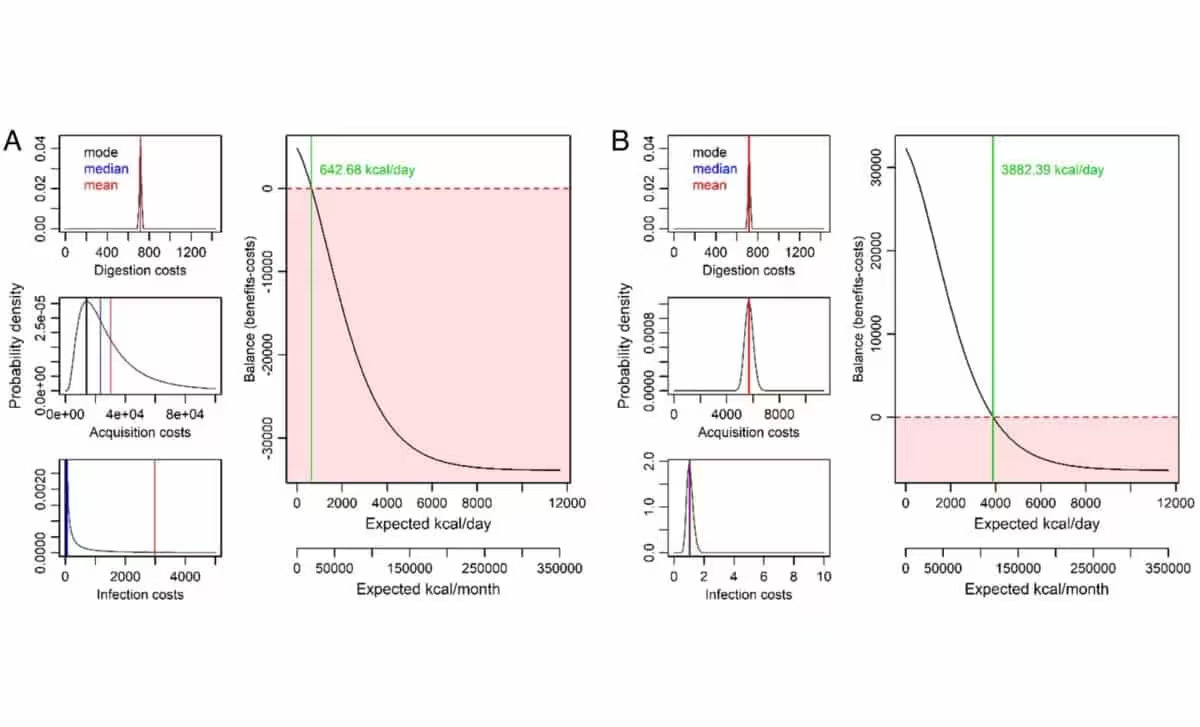
The authors conclude that, as infections accumulate, communities that rely on cannibalism face an escalating probability of collapse. Tureček added, “the epidemiological burden of incurable diseases quickly outweighs any nutritional advantage, leading inevitably to societal breakdown.” This dynamic may have driven the emergence of widespread cultural prohibitions that function as safeguards against an evolutionary trap.
Archaeological Record Mirrors Model Predictions
The case of the Fore people in Papua New Guinea offers a real‑world illustration. As reported by ScienceAlert, the community suffered an epidemic of kuru, a fatal neurodegenerative disorder linked to the ritual consumption of deceased relatives during funeral ceremonies.
Kuru is caused by prions—misfolded proteins that survive cooking—making it distinct from typical bacterial or viral agents. When the Fore abandoned the mortuary cannibalism practice, new kuru cases rapidly declined, aligning with the model’s expectation that eliminating the source of infection removes the disease pressure.
The study deliberately restricts its scope to the interplay between food scarcity and disease dynamics, leaving out motivations such as intimidation, status signaling, or intergroup competition. The authors note that exploring those social drivers would require alternative modeling approaches, for example, frameworks based on signaling theory.
By highlighting how infectious processes can shape cultural norms, the research underscores why societies may have codified strong taboos against cannibalism: even brief nutritional rewards can be outweighed by the long‑term threat of epidemic collapse.
This article has been fact checked for accuracy, with information verified against reputable sources. Learn more about us and our editorial process.
Last reviewed on .
Article history
- Latest version
Reference(s)
- Misiak, Michal., et al. “The cannibalistic trade-off: Why human cannibalism emerges and why taboos suppress it.” Proceedings of the National Academy of Sciences, vol. 123, no. 27, June 30, 2026 National Academy of Sciences, doi: 10.1073/pnas.2605120123. <https://www.pnas.org/doi/10.1073/pnas.2605120123>.
Cite this page:
- Posted by Hassan Raza