This 11-Year-Old Girl Found a Strange Bone on a Beach, It Turned Out to Be a Fossil From One of the Largest Sea Creatures Ever
Ein 11-jähriges Mädchen fand einen seltsamen Stein am Strand – der sich als fossiler Überrest eines der größten Meeresraubtiere aller Zeiten entpuppte
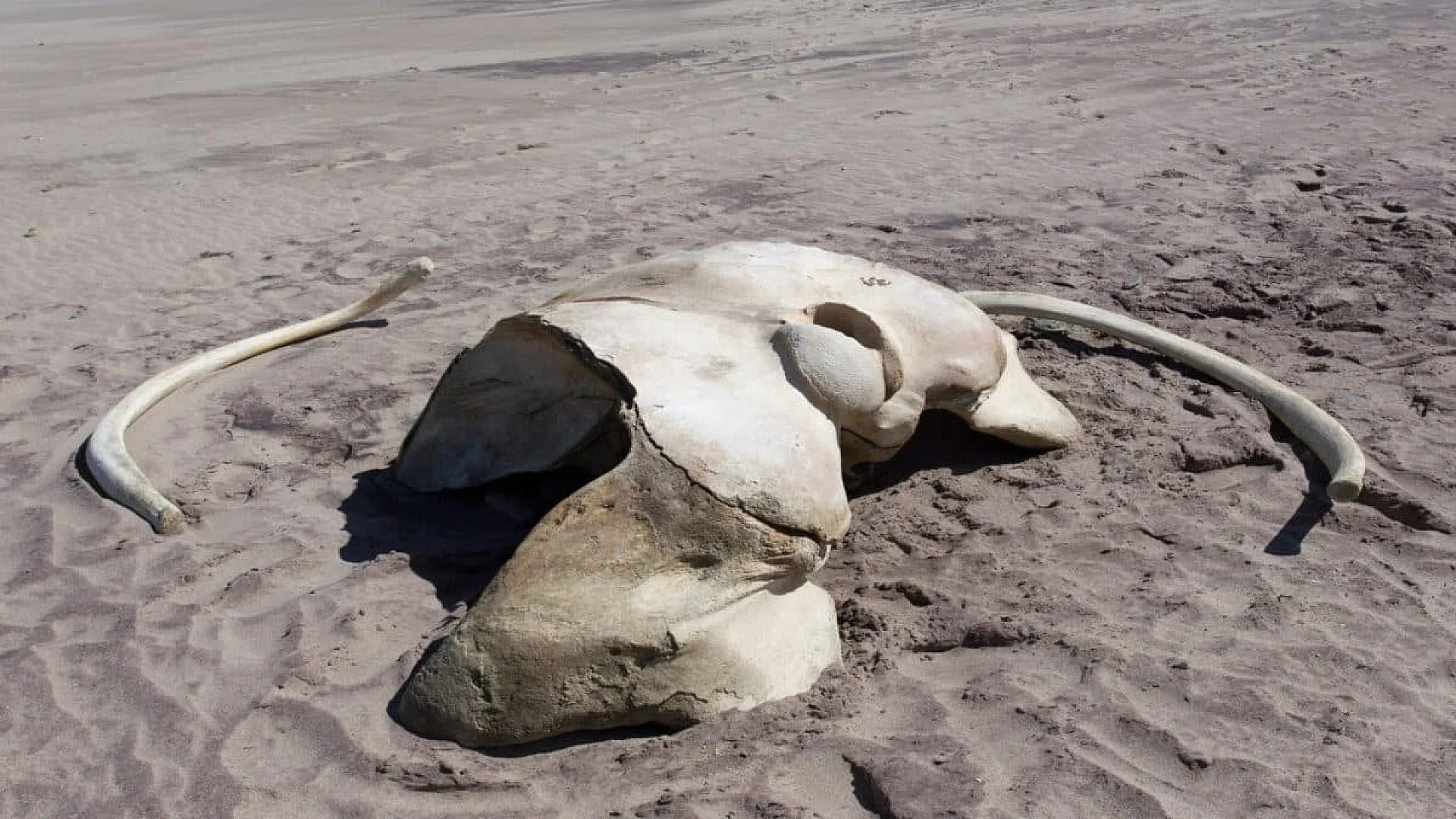
While strolling on the sandy shores of Somerset in southwest England, 11‑year‑old Ruby Reynolds uncovered a fossil that would turn out to be one of the biggest marine reptiles ever found. The specimen, later identified as a colossal ichthyosaur now called Ichthyotitan severnensis, dates to about 202 million years ago, placing it in the late Triassic seas that once covered present‑day Britain.
The discovery occurred in May 2020 at Blue Anchor, a coastal stretch famous for its fossil‑laden mudflats and rapidly eroding cliffs. While searching the shoreline with her father, Justin Reynolds, Ruby spotted unusually large bone fragments jutting from the sediment.
Initially the pieces appeared scattered and incomplete, but paleontologist Dean Lomax—who works with the University of Bristol and the University of Manchester—recognized a connection to an earlier, enigmatic ichthyosaur find from the same county. That prior find had already hinted at a giant, as‑yet‑unnamed marine reptile inhabiting the region.
Unusual Bone Fragments Rewrite the Ichthyosaur Record
Justin Reynolds first noticed a small segment of fossilized bone protruding from the mud, describing it as “bigger than any piece of bone I’d ever found before.” Shortly thereafter, Ruby uncovered another fragment roughly twice the size.
“Hey, Dr. Lomax – we think we’ve found another one of your giant ichthyosaur jawbones.”
Lomax and his colleagues returned to the site, retrieving additional bone shards that had been revealed by ongoing erosion.
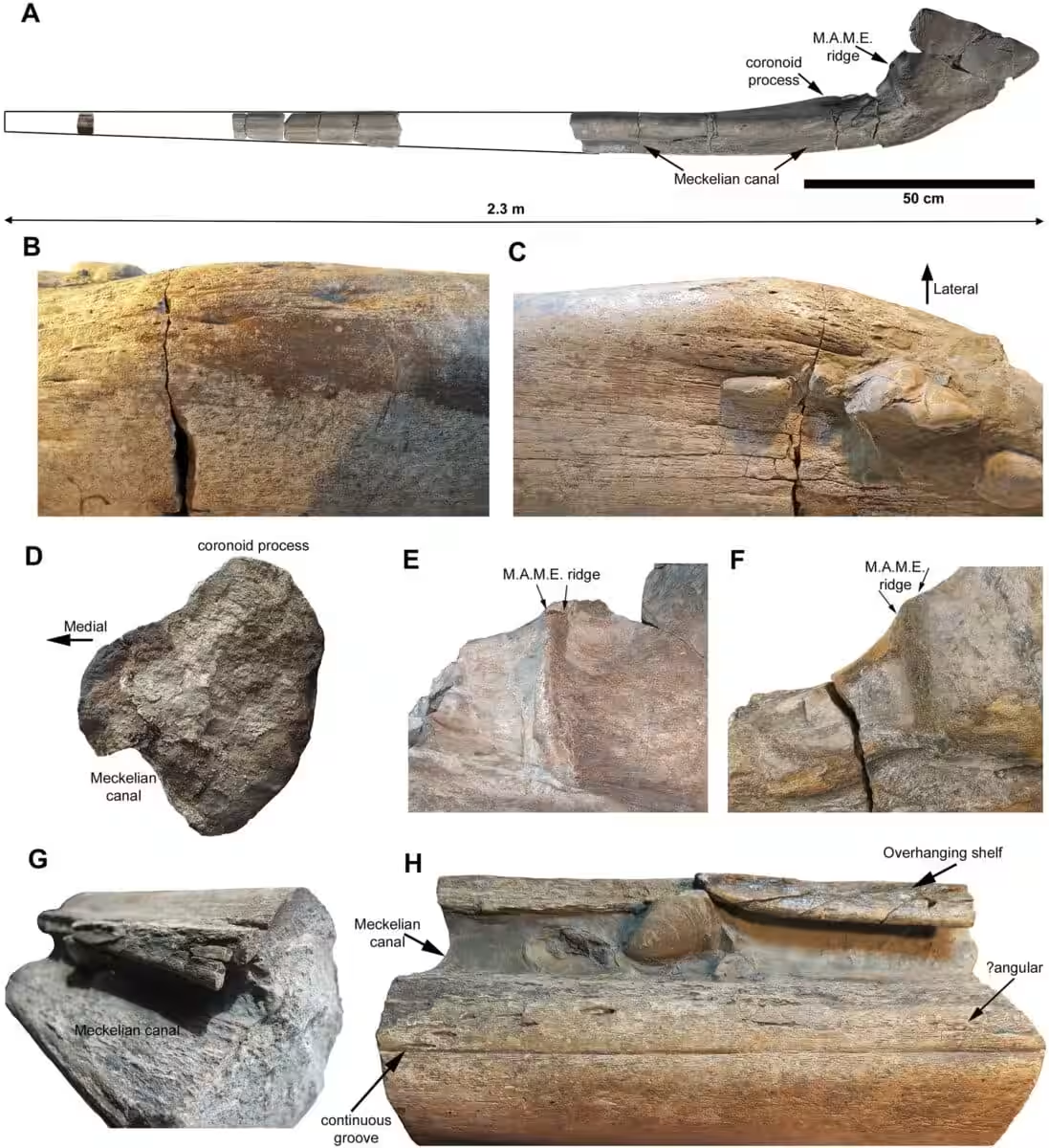
The recovered material enabled scientists to piece together almost two‑thirds of a lower jaw that measures more than 6.5 feet in length. In a paper published in PLOS ONE, the researchers named the new species Ichthyotitan severnensis, translating to “giant fish lizard from the Severn.” Based on the jaw dimensions, the animal is estimated to have reached roughly 82 feet from snout to tail.
“These are reptiles only very, very distantly related to things like crocodiles,” said Lomax. “They gave birth to live young. They committed entirely to a life at sea — they didn’t come onto land.”
Triassic Oceans Teemed with Apex Reptiles
In the late Triassic, much of what is now Britain lay beneath warm, shallow seas populated by giant marine reptiles and prolific cephalopods. Ichthyosaurs were among the top predators long before the rise of modern whales.
These reptiles possessed streamlined bodies built for rapid swimming and open‑ocean hunting. Their overall shape often invites comparisons to dolphins, yet ichthyosaurs were fully reptilian.
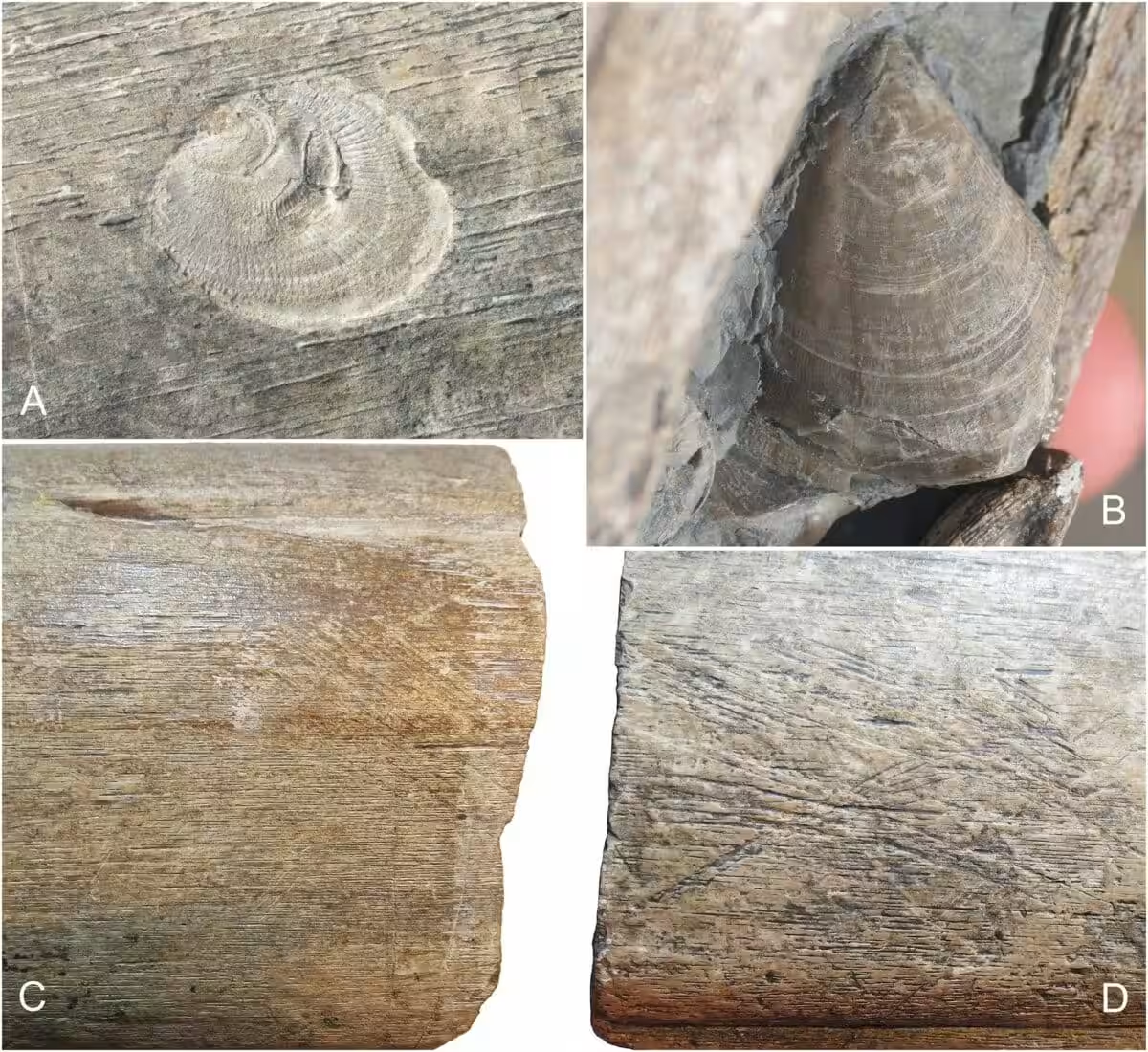
Microscopic analysis of the jawbone revealed patterns that match those of other giant ichthyosaurs discovered worldwide, suggesting the specimen belongs to the shastasaurid lineage—known for producing some of the largest marine reptiles of the Triassic.
The research team notes that giant ichthyosaurs reached their maximum size just before the end‑Triassic extinction event. Lomax added that no marine reptile has achieved comparable dimensions since that turnover.
“No marine reptile ever reached such gigantic sizes ever again” after this period.
Coastal Erosion Uncovers Hidden Treasures
Winter storms continually wear away the cliffs and mudstones of Somerset’s coastline, exposing fossils that have been buried for millions of years. Earlier, collector Paul de la Salle recovered a similarly massive jaw fragment from the same area. Subsequent analysis showed both specimens share distinctive internal bone structures and originate from the same stratigraphic layer, strengthening the case for a new species.
“There were things that we can’t even possibly imagine in the past. But we can get little hints, and this is one little hint at this larger picture of evolution on Earth.”
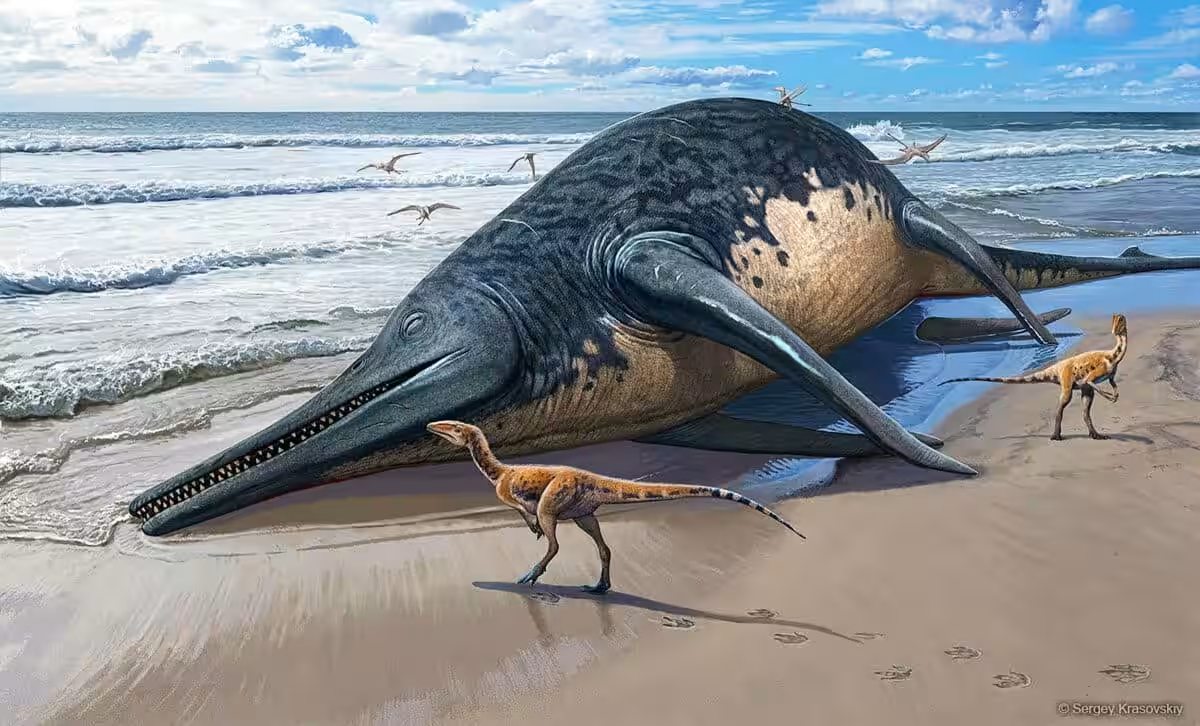
Researchers believe additional skeletal material may still be concealed within Somerset’s eroding cliffs. Lomax highlighted that the newly recovered jaw fragments provide “tantalizing evidence” that a more complete skull—or even a full skeleton—of this giant ichthyosaur could eventually be uncovered.
This article has been fact checked for accuracy, with information verified against reputable sources. Learn more about us and our editorial process.
Last reviewed on .
Article history
- Latest version
Reference(s)
- Lomax, Dean. “The last giants: New evidence for giant Late Triassic (Rhaetian) ichthyosaurs from the UK.”, vol. 19, no. 4, pp. e0300289, doi: 10.1371/journal.pone.0300289. <https://journals.plos.org/plosone/article?id=10.1371/journal.pone.0300289>.
- <https://www.researchgate.net/profile/Paul-Salle-3>.
Cite this page:
- Posted by Hassan Raza