What to Eat on an Empty Stomach to Help Increase Muscle Mass, According to Experts
Nutrition specialists emphasize that the foods consumed before any meal can significantly influence muscle development more than commonly believed.

The morning alarm goes off, and the stomach growls in protest. For someone training to build muscle, the next 30 minutes are crucial. After a seven or eight hour fast, the body begins to break down muscle tissue for energy. The first meal of the day determines whether this process stops or continues.
Nutrition experts agree that a balanced meal consisting of protein, complex carbohydrates, and healthy fats is essential. This combination, consumed on an empty stomach, signals the body to stop breaking down muscle and start building it instead. According to Raquel Barros, a nutritionist, the morning meal should provide approximately 25% of the daily protein intake.

Why Timing Matters
Absorption of nutrients is faster when the stomach is empty, allowing for quicker delivery of protein and carbohydrates to the muscles. This speed can be beneficial for muscle growth when the right nutrients are consumed in the right amounts. According to Barros, a reliable source of protein is essential for muscle growth, and she recommends consuming 1.6 grams of protein per kilogram of body weight daily, with the first portion landing on the empty stomach in the morning.
What to Eat
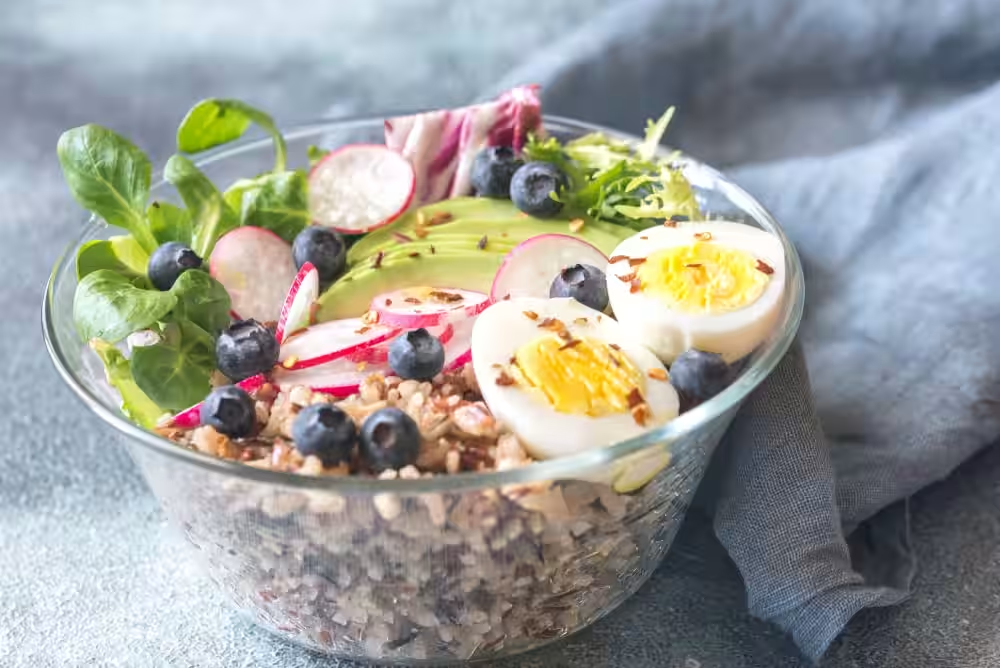
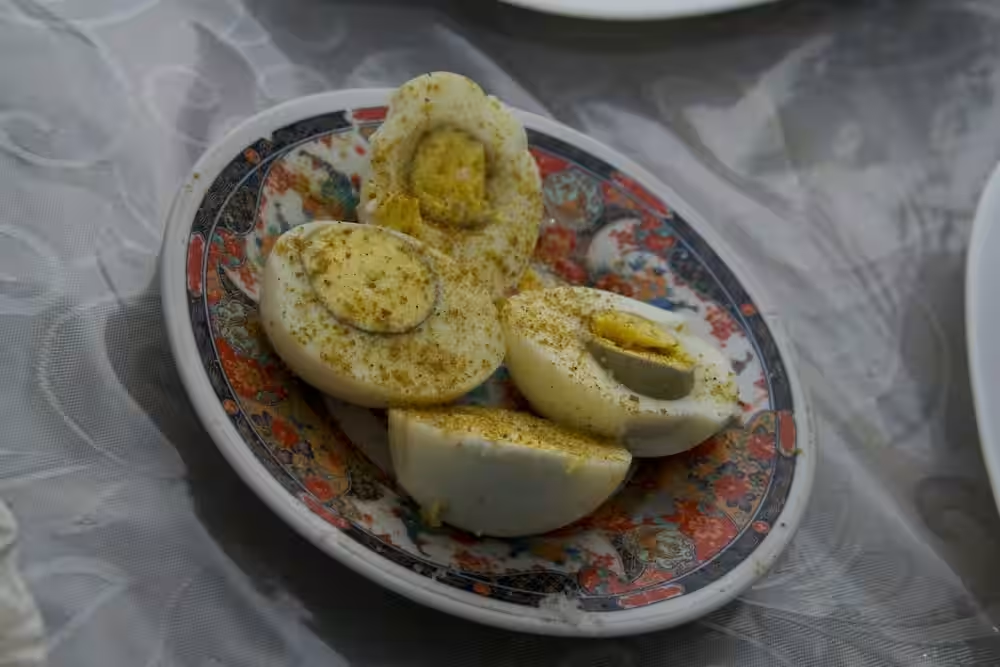
Barros recommends three morning meal formulas that meet the nutrient requirements for muscle growth. Each formula is designed to be consumed on an empty stomach and deliver the protein, carbohydrates, and fat ratios muscle synthesis demands. The first formula consists of eggs, whole-grain carbohydrates, and sautéed spinach or mushrooms. The second formula is a microwave bowlcake made with eggs, sweet potato flour, mashed banana, and dark chocolate. The third formula is a vegan option that combines nuts and seeds with plant-based yogurts and vegan protein powders.
How Much to Eat
Barros emphasizes the importance of gradual increases in portion sizes and tracking individual progress rather than adhering to fixed calorie numbers. Consuming too little can lead to muscle loss, while eating too much can result in fat gain. The Mayo Clinic recommends consuming a small meal or snack one to three hours before exercise and staying hydrated by drinking two to three cups of water in the hours leading up to exercise and one to two cups every 15 to 20 minutes during the session.
This article has been fact checked for accuracy, with information verified against reputable sources. Learn more about us and our editorial process.
Last reviewed on .
Article history
- Latest version
Cite this page:
- Posted by Hassan Raza