Ancient Glacier Ice Yields 28 Previously Unknown Viruses From 15,000 Years Ago
Scientists find ancient viruses trapped in a Tibetan glacier, revealing a frozen mystery that dates back thousands of years.
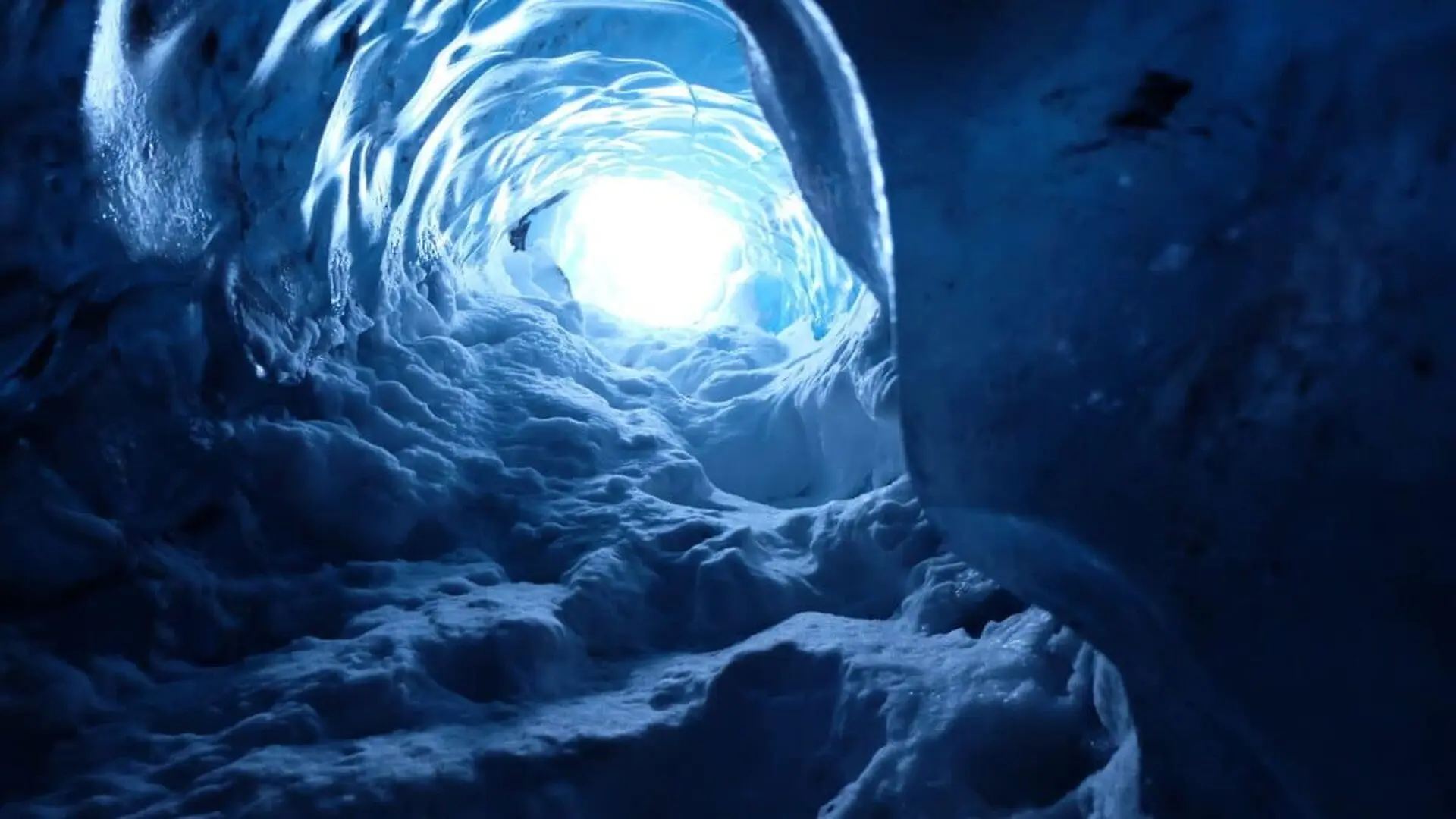
A team of researchers has uncovered genetic material from more than thirty distinct viruses preserved in ice that dates back roughly 15,000 years, offering a rare glimpse into microbial life that existed on the Tibetan Plateau long before modern civilization.
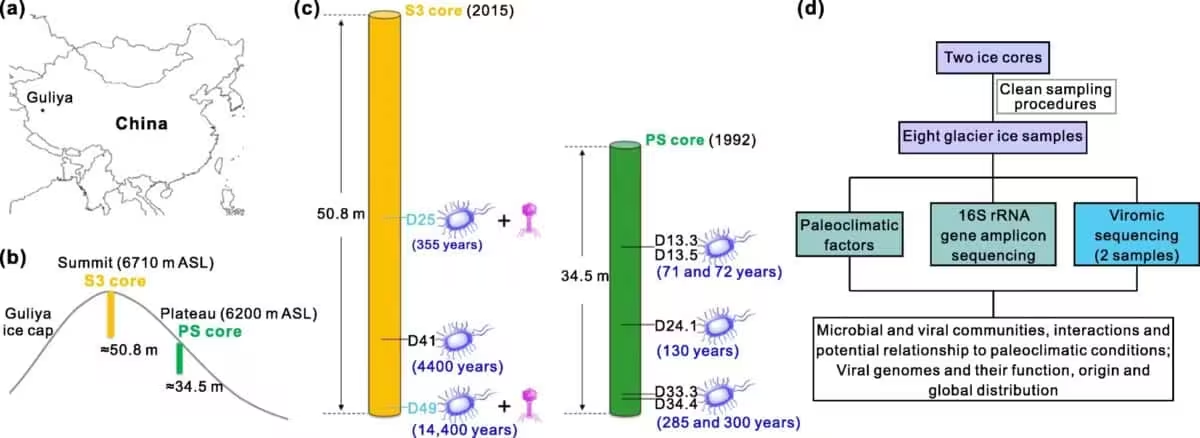
The ice samples were extracted in 2015 from the high‑altitude Guliya ice cap, a glacier perched at about 6,700 meters above sea level on the western edge of China’s Tibetan Plateau. Radiometric dating confirmed that the ice layers span the late Pleistocene, effectively locking in a snapshot of ancient atmospheric and ecological conditions.
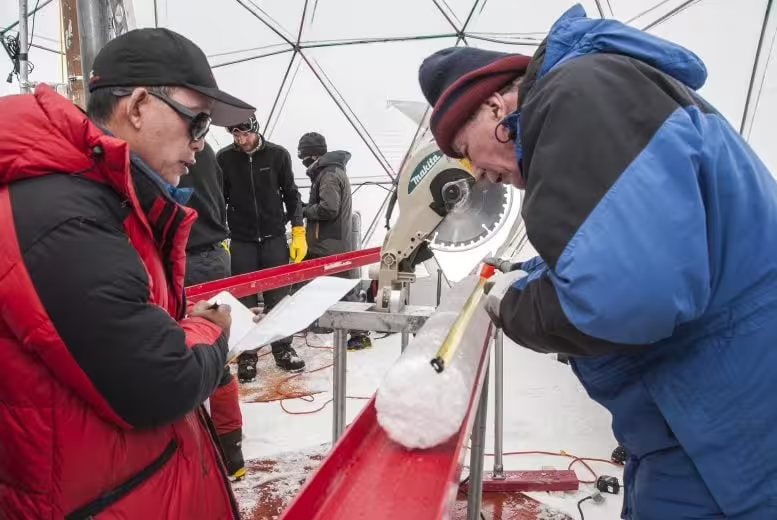
To protect the integrity of these fragile samples, the scientists devised an ultra‑sterile processing protocol that minimizes contemporary contamination while allowing viral DNA to be recovered. Zhi‑Ping Zhong, lead author and researcher at Ohio State University’s Byrd Polar and Climate Research Center, emphasized that glaciers act as natural archives, preserving not only dust and gases but also the microscopic entities that once inhabited the surrounding environment.
A Trove of Previously Unknown Viruses
Analysis of the cores revealed genetic signatures from 33 viruses. While four matched known viral families, the remaining 28 represented lineages that have never been cataloged, expanding the known diversity of ancient viral forms.
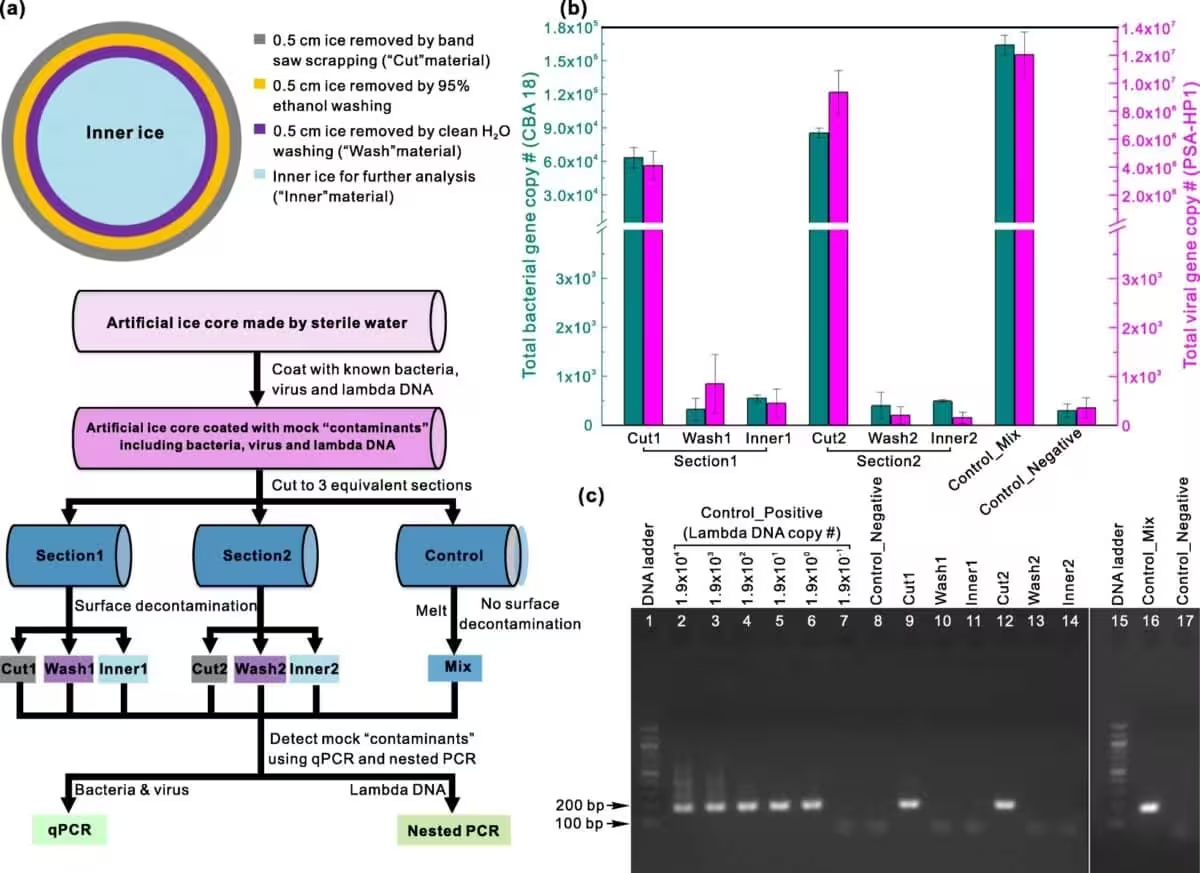
When the recovered sequences were compared against existing viral databases, many displayed adaptations that would facilitate survival in cold, nutrient‑limited settings, suggesting that these viruses were well‑suited to the harsh glacial environment.
“These are viruses that would have thrived in extreme environments,” said Matthew Sullivan, professor of microbiology at Ohio State University. “Their genomes carry signatures that enable infection under freezing conditions – a truly remarkable example of viral resilience.”
Soil and Plant Roots Likely Source
Further investigation indicated that the viral assemblage most closely resembles those associated with terrestrial ecosystems, particularly soil and plant surfaces, rather than animal or human hosts. Among the identified viruses, four belong to families that typically infect bacteria, reinforcing the idea that the glacier captured a snapshot of microbial interactions occurring in surrounding land environments.
The overall viral load in the ice cores was markedly lower than what is commonly observed in marine or terrestrial soils, underscoring the unique preservation conditions within glacial ice.
“Our knowledge of viruses in these extreme habitats remains limited,” said Lonnie Thompson, senior author and senior research scientist at the Byrd Polar Research Center. “Documenting how microbial communities respond to past climate shifts is essential for predicting how they will behave as the planet warms.”
The study, appearing in Microbiome in 2021, adds to a nascent field exploring ancient viral relics frozen in ice, an area that has produced only a handful of comparable findings to date.
Beyond expanding our understanding of ancient viromes, the contamination‑control workflow developed for this project could be adapted to probe other inhospitable locales, from Martian ice caps to Earth’s hyper‑arid Atacama Desert.
“Extracting these delicate signatures is challenging, but the decontamination protocol pioneered by Zhi‑Ping opens the door to searching for viral DNA in other frozen environments – even on other planets.”
This article has been fact checked for accuracy, with information verified against reputable sources. Learn more about us and our editorial process.
Last reviewed on .
Article history
- Latest version
Reference(s)
- “Matthew Sullivan | Department of Microbiology.” <https://microbiology.osu.edu/people/sullivan.948>.
- “Lonnie Thompson | Byrd Polar and Climate Research Center.” <https://byrd.osu.edu/people/thompson.3>.
- Zhong, Zhi-Ping., et al. “Glacier ice archives nearly 15,000-year-old microbes and phages.” Microbiome, vol. 9, no. 1, July 20, 2021 Springer Science and Business Media LLC, doi: 10.1186/s40168-021-01106-w. <https://link.springer.com/article/10.1186/s40168-021-01106-w>.
- “Zhi-Ping Zhong | Byrd Polar and Climate Research Center.” <https://byrd.osu.edu/people/zhong.393>.
Cite this page:
- Posted by Hassan Raza