Orange‑Lipped Monkey Unveiled in Congo Rainforest as New Species After Decades
Scientists discover a secret monkey species in Congo’s remote forest, revealing a previously unknown primate hidden from modern science.
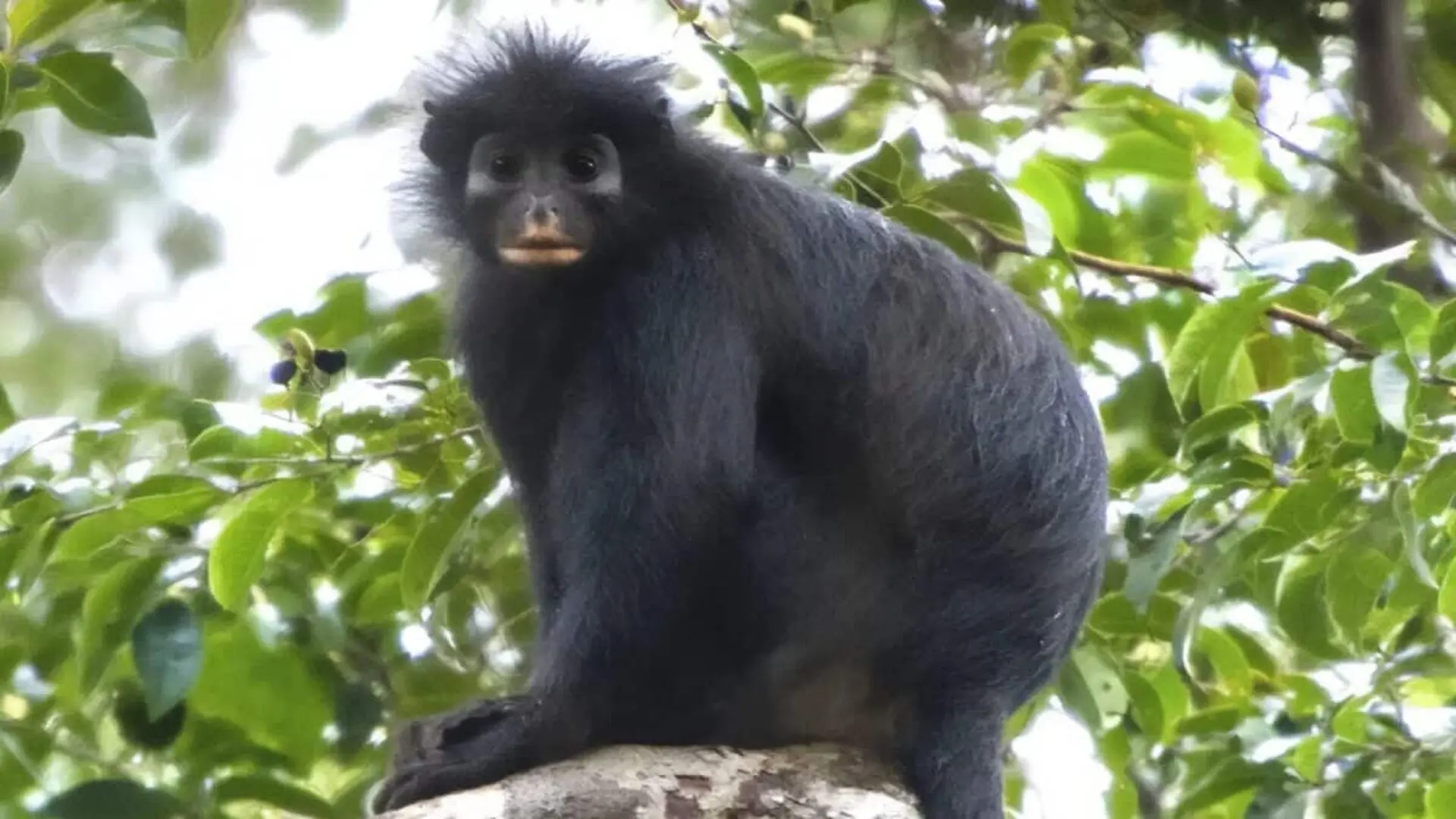
Researchers have officially added a striking new primate to science’s roster: Colobus congoensis, a monkey distinguished by vivid orange lips and a repertoire of deep roars. The animal was uncovered in the remote stretches of the Democratic Republic of the Congo, where further undiscovered species may still lurk.
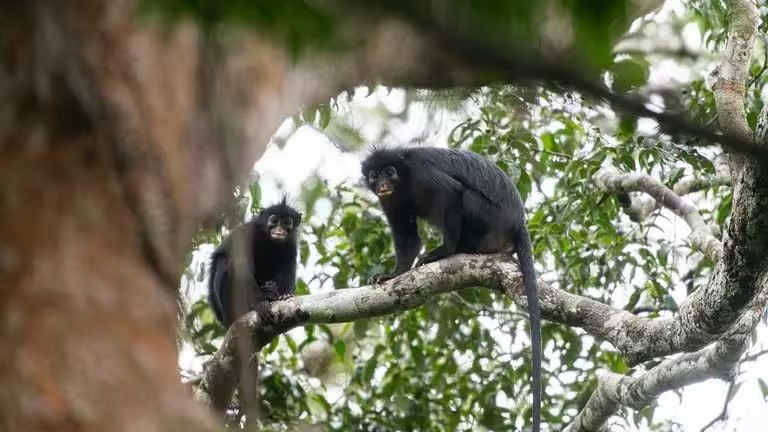
Living within Lomami National Park – a protected heart of the Congo Basin – the creature, known locally as the likweli, first surfaced in photographs taken in 2008. Those early images sparked curiosity, but it was a clearer sighting in 2018 that prompted a dedicated field investigation.
Newly Identified Colobus Species Emerges from Lomami Forest
The hunt began after conservation photographers captured an unusual monkey navigating the park’s canopy. In 2018, field biologist Junior Amboko and his team began showing the images to residents of 52 villages surrounding the reserve, seeking local knowledge.
Only eight communities recognized the animal. Members of the Balanga ethnic group referred to it as likweli, while Mituku speakers called it kasaba nkoni, translating to “the branch shaker,” a nod to its agile leaps between limbs.
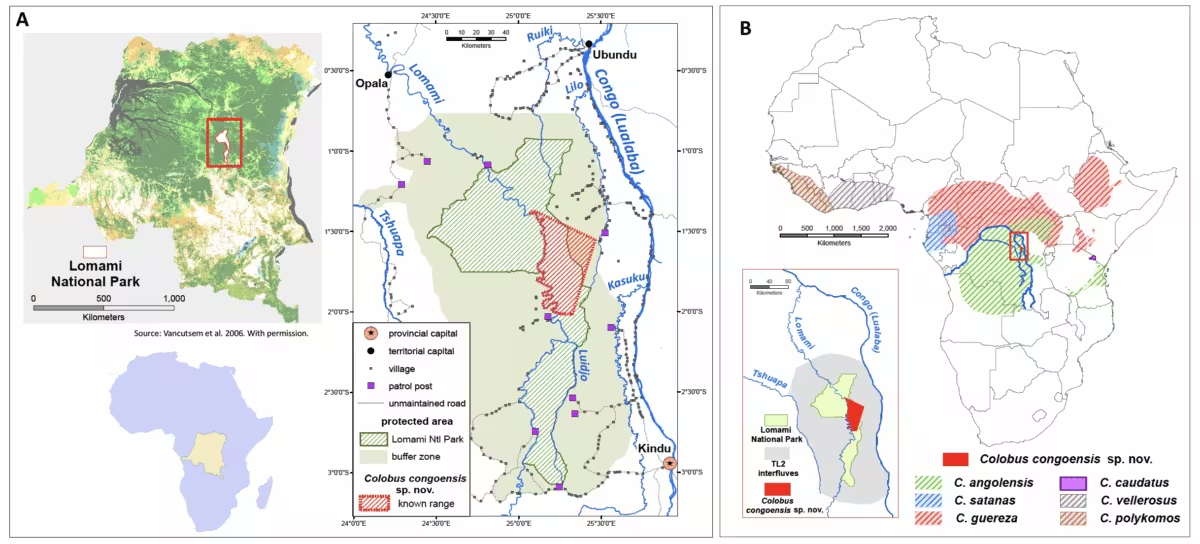
Intensive surveys from 2018 through 2022 logged 114 sightings across roughly 660 square miles (1,700 square kilometers) bounded by the Lomami and Lualaba rivers. The team’s results, published in PLOS One, confirmed the primate as a distinct member of the colobus lineage.
Distinctive Orange Facial Markings and Vocalizations
The monkey’s appearance combines sleek black fur with a vivid orange patch encircling its muzzle and nose, complemented by gray, hair‑less skin on the cheeks and a contrasting white tuft on the hindquarters.
“We’re going with the face and the rump as the two distinctive traits,” study co‑author Kate Detwiler told Live Science. “If you see the face, you see this unique bare skin that’s orange cream. And then if you’re coming from behind, you see this white patch.”
Acoustic analysis revealed that the primate emits deep roars and atypical snorting noises, setting its vocal profile apart from other colobus species and reinforcing the case for a separate taxon.
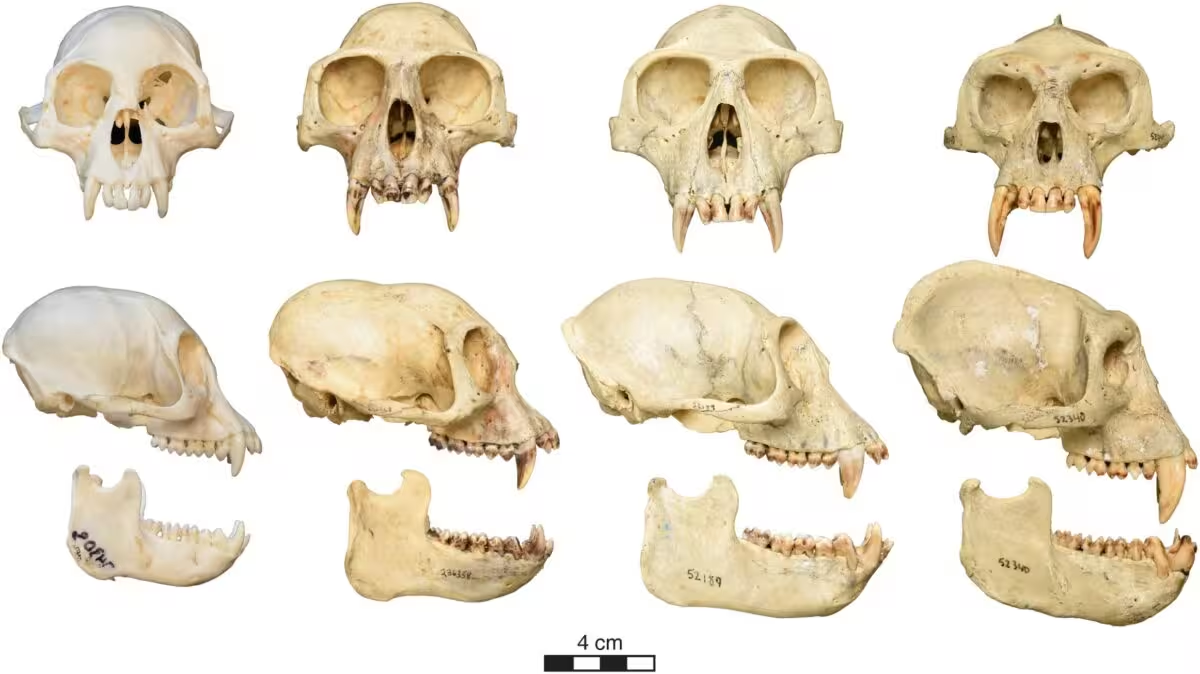
Genetic testing of tissue from individuals harvested by hunters for the illegal bushmeat market, compared with museum specimens and existing databases, verified a unique DNA signature for Colobus congoensis, as detailed in the study.
Genetic Insights Trace Deep Divergence
Phylogenetic work identified the closest relatives as black colobus monkeys (Colobus satanas) inhabiting regions over 750 miles (1,200 kilometers) distant in Cameroon, Gabon, and Bioko Island. Molecular clocks suggest the two lineages split between 5.78 and 3.44 million years ago, representing the longest documented separation within the genus.
This article has been fact checked for accuracy, with information verified against reputable sources. Learn more about us and our editorial process.
Last reviewed on .
Article history
- Latest version
Reference(s)
- Hart, John. “Likweli: A remarkable new species of Colobus monkey from the Lomami National Park, Democratic Republic of Congo.”, vol. 21, no. 7, pp. e0349857, doi: 10.1371/journal.pone.0349857. <https://journals.plos.org/plosone/article?id=10.1371/journal.pone.0349857>.
- “Profiles.” Florida Atlantic University <http://fau.edu/experts/profile/?expert=kate.detwiler>.
Cite this page:
- Posted by Hassan Raza