Million-Year-Old Cave Yields 16 New Species, Including a Flying Ancestor of the Kakapo
Ancient volcanic ash fossils expose 16 extinct species and a million‑year‑old evolutionary mystery.
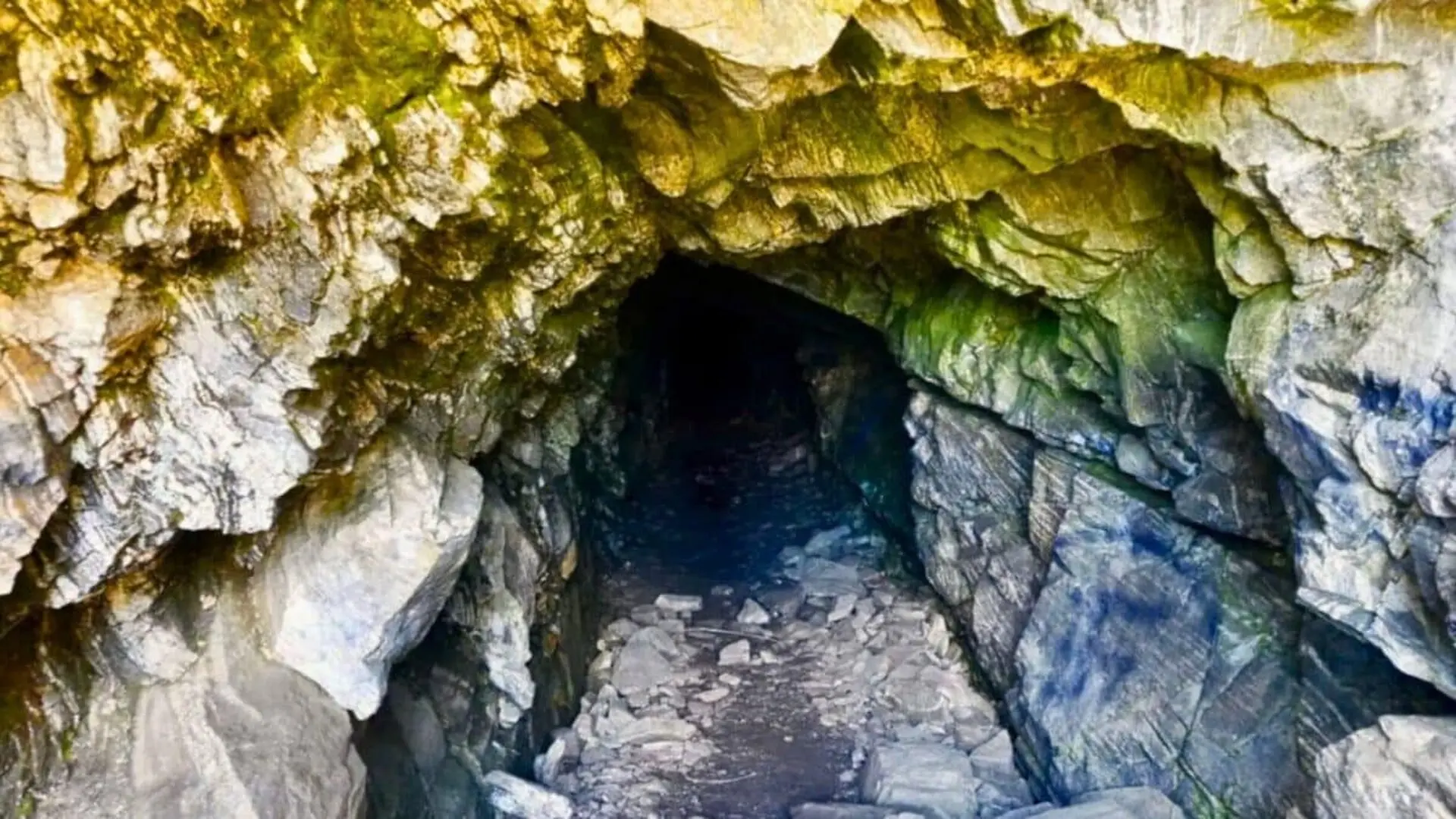
Deep inside a limestone cavern on New Zealand’s North Island, scientists have uncovered a hidden layer of sediment that bridges a million‑year gap in the country’s fossil record. The deposit, trapped between two volcanic ash horizons, yielded the remains of 16 previously unknown species, including 12 birds and four frogs, many of which are new to science.
The site, dubbed Moa Eggshell Cave after the scattered fragments of extinct moa eggs found on its floor, offered a glimpse far older than the recent moa remains that first attracted researchers. The newly recovered fossils date to roughly 1–1.5 million years ago, a period that has left only faint traces in New Zealand’s paleontological archives.
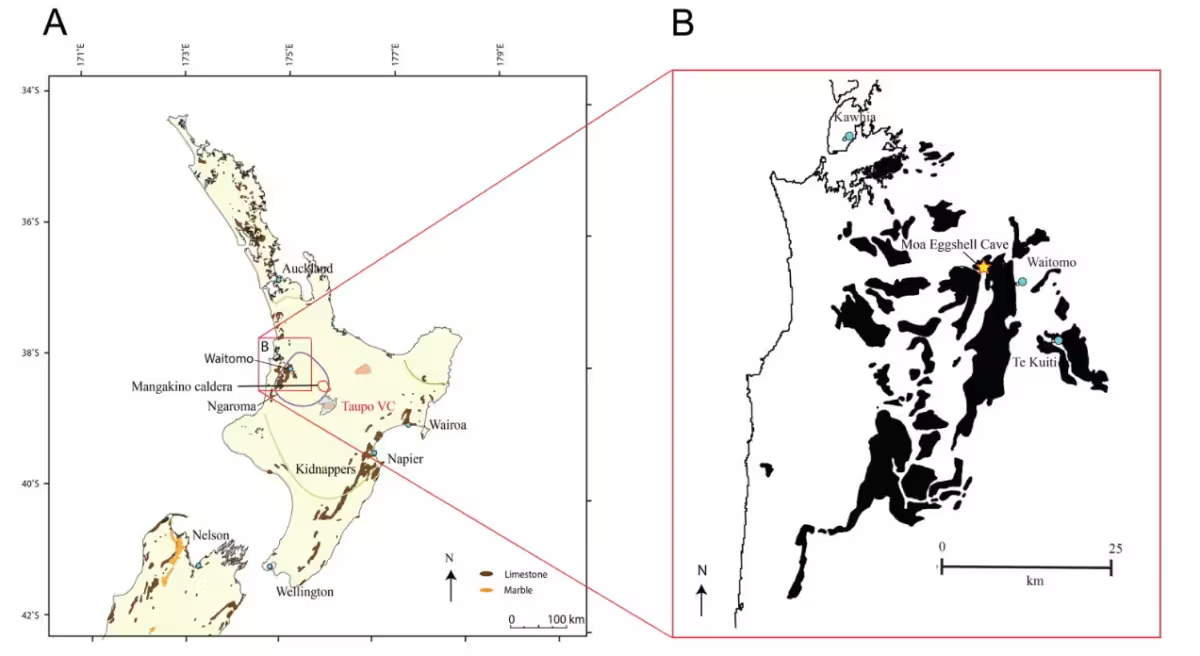
The research, appearing in the Journal of Palaeontology, was led by Associate Professor Trevor Worthy of Flinders University, with contributions from Paul Scofield, senior curator of natural history at Canterbury Museum. Together they argue that the find represents an entire missing volume of New Zealand’s ecological history.
Volcanic Layers Capture a Lost Million‑Year Record
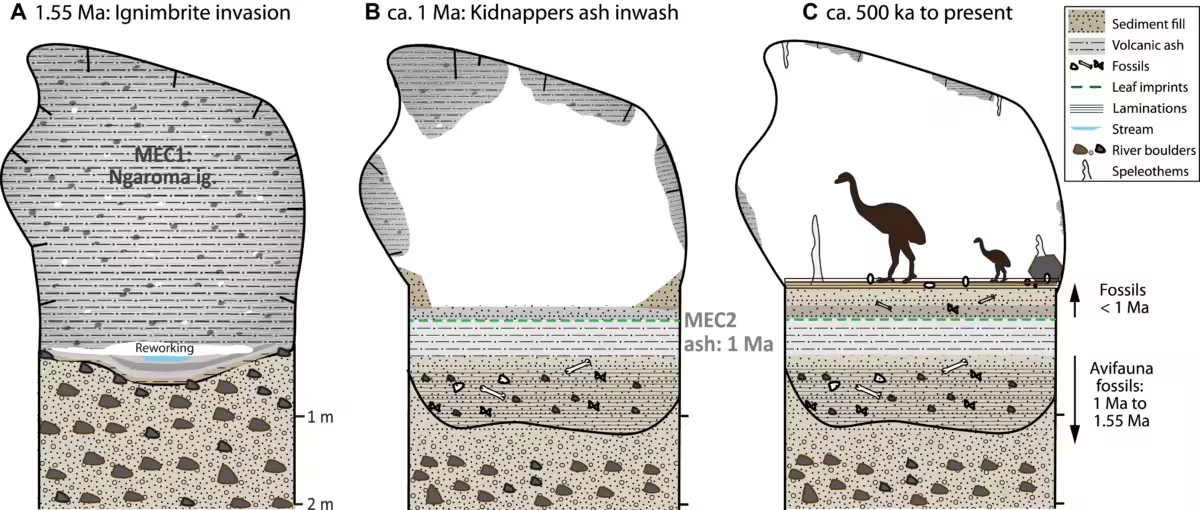
Two separate eruptions deposited ash inside the cave at distinct moments: the older layer formed about 1.55 million years ago, and a later one around one million years ago. The bones sandwiched between these horizons thus fall within that intervening interval, offering the first substantial fossil evidence from a time previously almost invisible in the island’s record.
Earlier deposits have given a clear picture of New Zealand’s fauna around 18–20 million years ago, while more recent sites preserve the last few thousand years of life, including the well‑known moa. The middle stretch, encompassing millions of years of volcanic activity and climatic fluctuation, remained largely undocumented—until now.
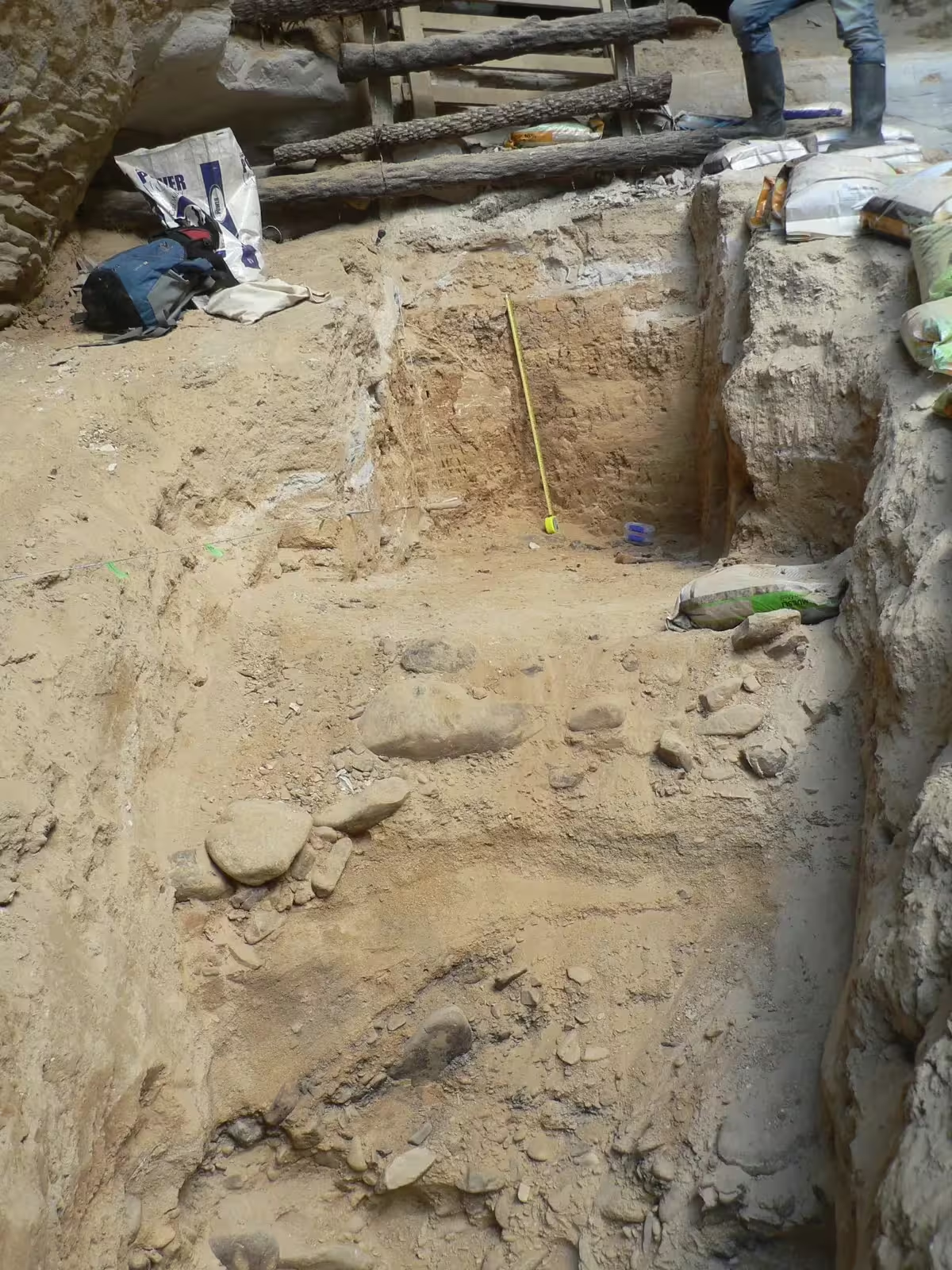
The cave’s sheltered environment, sealed by successive ash falls, protected the fragile remains from the erosive forces that typically erase such ancient bones. Worthy described the assemblage as “a newly recognised avifauna for New Zealand,” emphasizing that the ancient forest once supported a diverse bird community that vanished long before human arrival.
Ancient Parrot Relative Suggests Flight Capability in Kākāpō Lineage
Among the newly identified birds is a previously unknown parrot, Strigops insulaborealis, which appears to be an early relative of today’s critically endangered kākāpō. While the modern kākāpō is flightless and relies on robust legs for terrestrial movement, the fossil species shows comparatively weaker leg bones, hinting at a more arboreal lifestyle and possible flight ability.
If further analysis confirms this interpretation, it would push back the timeline for the loss of flight within the kākāpō lineage, reshaping our understanding of how this iconic species evolved. The team also recovered remains of a now‑extinct ancestor of the takahē and a pigeon species linked to Australian bronzewing pigeons, both previously unknown from New Zealand.
Pre‑Human Extinctions Shaped Island Biodiversity
Analysis of the assemblage indicates that between 33 % and 50 % of the bird species known from this interval disappeared before humans set foot on the island. The primary drivers appear to be recurring volcanic eruptions, rapid climate changes, and the ensuing cycles of forest collapse and regeneration.
Scofield explained that each disturbance forced a reset of bird populations, creating ecological vacuums that spurred new evolutionary pathways. “The shifting forest and shrubland habitats forced a reset of the bird populations,” he said, noting that such dynamics likely fueled the diversification of avian and other fauna on the North Island.
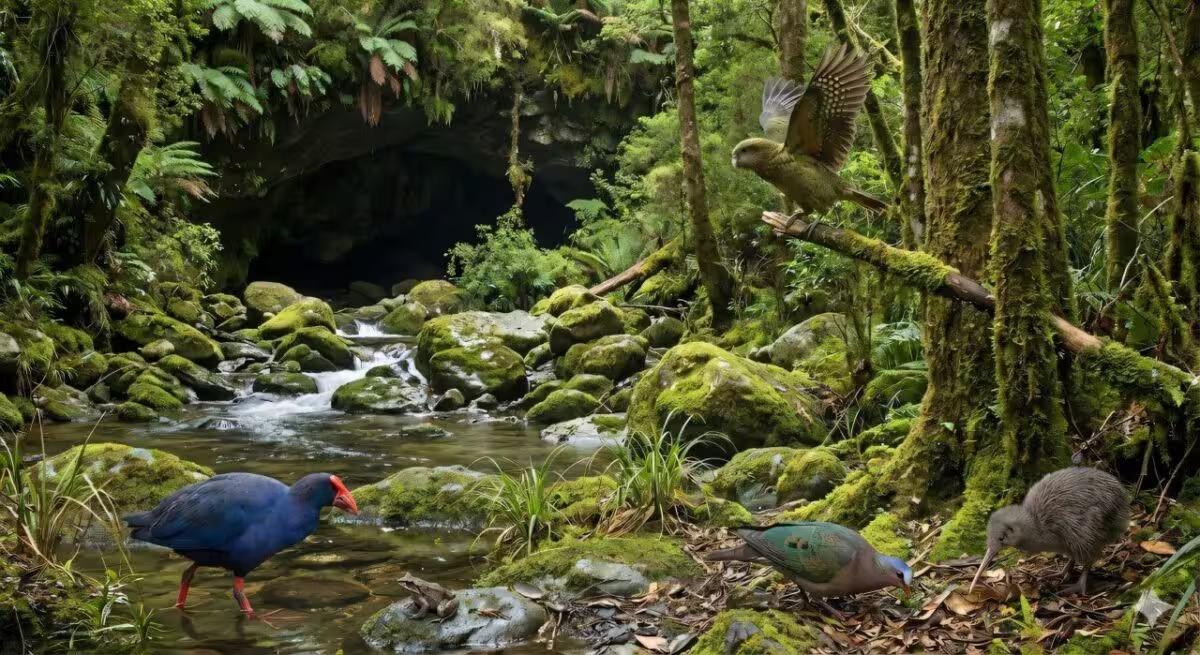
Worthy highlighted that the discovery challenges the long‑standing view that New Zealand’s bird extinctions are mainly a consequence of human colonisation. “For decades, the extinction of New Zealand’s birds was seen primarily through the lens of human arrival 750 years ago,” he said. “This study shows that natural forces were already shaping the region’s unique fauna a million years earlier.”
Filling a Pleistocene Gap in New Zealand’s Fossil Archive
Prior to this work, the interval from roughly one to one and a half million years ago was virtually absent from the country’s paleontological record, making it difficult to trace the lineage from ancient species to those that survived into the human era. The new material provides a concrete baseline for the North Island’s Pleistocene ecosystems.
Scofield summed up the impact: “This wasn’t a missing chapter in New Zealand’s ancient history; it was a missing volume.” The findings illustrate that the fauna encountered by the first Polynesian settlers was the product of repeated natural upheavals rather than a static, unchanging community.
This article has been fact checked for accuracy, with information verified against reputable sources. Learn more about us and our editorial process.
Last reviewed on .
Article history
- Latest version
Reference(s)
- Worthy, Trevor H.., et al. “The first Early Pleistocene ( ca 1 Ma) fossil terrestrial vertebrate fauna from a cave in New Zealand reveals substantial avifaunal turnover in the last million years.” Alcheringa: An Australasian Journal of Palaeontology, vol. 50, no. 1, January 26, 2026, pp. 480-519. Informa UK Limited, doi: 10.1080/03115518.2025.2605684. <https://www.tandfonline.com/doi/full/10.1080/03115518.2025.2605684>.
Cite this page:
- Posted by Hassan Raza