Scientists Found a Tiny Insect Trapped in Amber Since the Dinosaur Era With a Weird Feature
Deep within a 125-million-year-old amber specimen, a flawlessly preserved insect exhibited a distinctive characteristic that could reshape the narrative of these creatures’ evolutionary history.
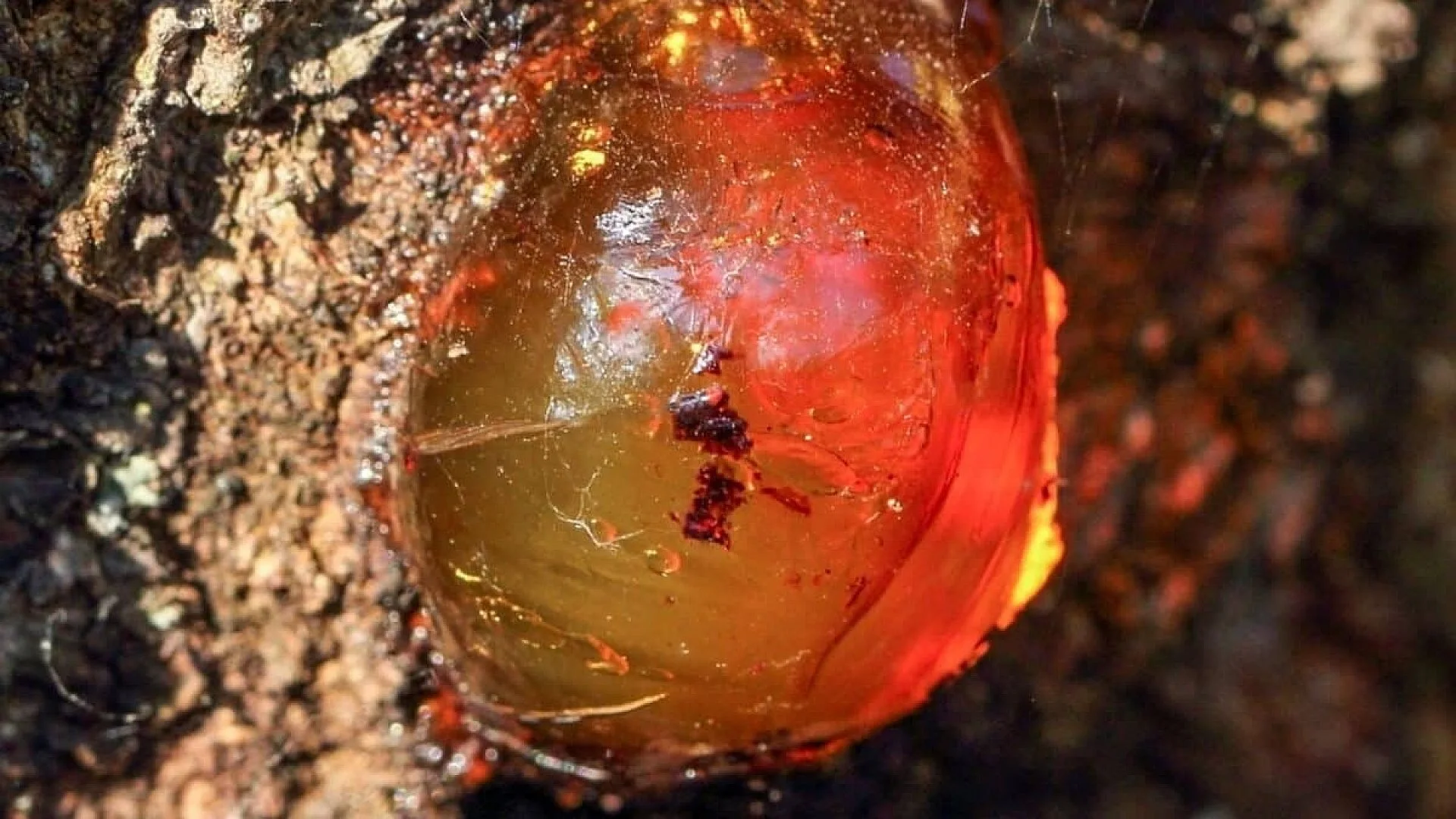
A 125-million-year-old mosquito entombed in Lebanese amber has been confirmed by scientists as the oldest known mosquito ever identified. The remarkable discovery, published in the journal Current Biology, also uncovers a fascinating detail.
The breakthrough offers a rare glimpse into the early evolution of mosquitoes, one of the world’s most studied groups of insects. Researchers believe the fossils suggest that blood-feeding behavior may have existed in both male and female mosquitoes during their early stages, unlike modern species where only females feed on blood.
The newly discovered fossils were extracted from Early Cretaceous amber deposits in Lebanon, which are considered among the oldest amber sites containing abundant biological inclusions.
Ancient Amber Fossil Unveils a Mysterious Mosquito Ancestor
Scientists have identified the specimens as a new species named Libanoculex intermedius. The fossils have led researchers to establish an entirely new extinct mosquito subfamily called Libanoculicinae.
The study published in Current Biology reveals that the fossils push the confirmed existence of mosquitoes approximately30 million years earlier than previously documented fossil evidence. Earlier confirmed mosquito fossils dated to the mid-Cretaceous period, despite molecular studies suggesting the family originated during the Jurassic.
“Molecular dating suggested that the family Culicidae arose during the Jurassic, but previously the oldest record was mid-Cretaceous,” Dr. André Nel of the National Museum of Natural History of Paris explained in comments accompanying the study. “Here, we have one from the Early Cretaceous, about 30 million years before.”
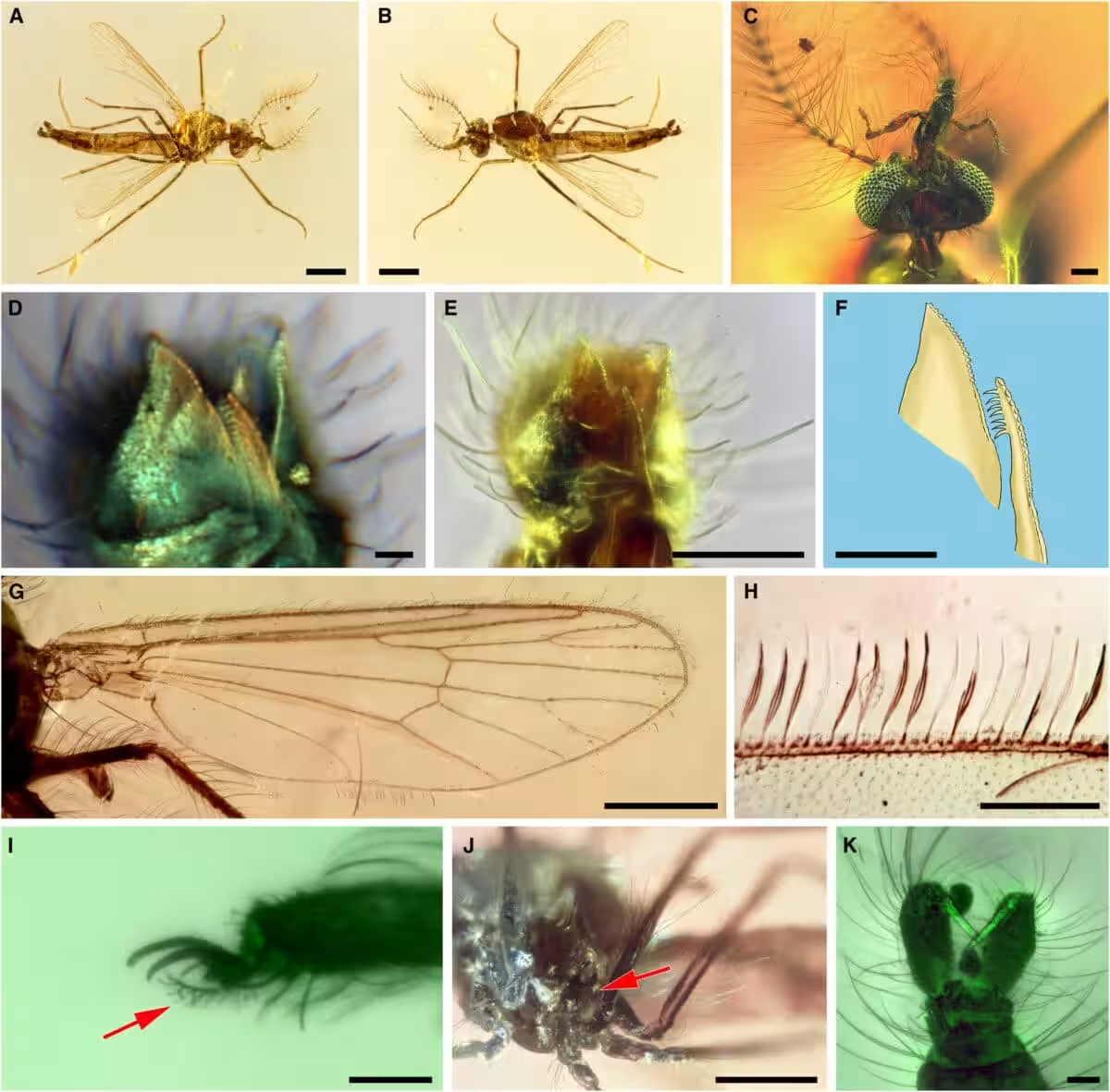
Dr. Dany Azar of the Chinese Academy of Sciences and the Lebanese University stated that the amber formed during a time when flowering plants were beginning to spread and pollinators were becoming more diverse. The amber preserved the insects extremely well, allowing researchers to closely study features like the antennae, wings, and mouthparts. Those details were crucial in understanding how the insects may have fed.
Male Mosquitoes May Once Have Fed On Blood
The fossils surprised researchers because both specimens were male mosquitoes with long piercing mouthparts and sharp mandibles. In modern mosquitoes, these structures are linked to piercing skin and feeding on blood, even though today’s males do not bite.
“This discovery also suggests that not only were the earliest female mosquitoes hematophagous but males were also in some cases,” the researchers wrote in the paper. “In future work, we want to learn more about the utility of having hematophagy in Cretaceous male mosquitoes.”
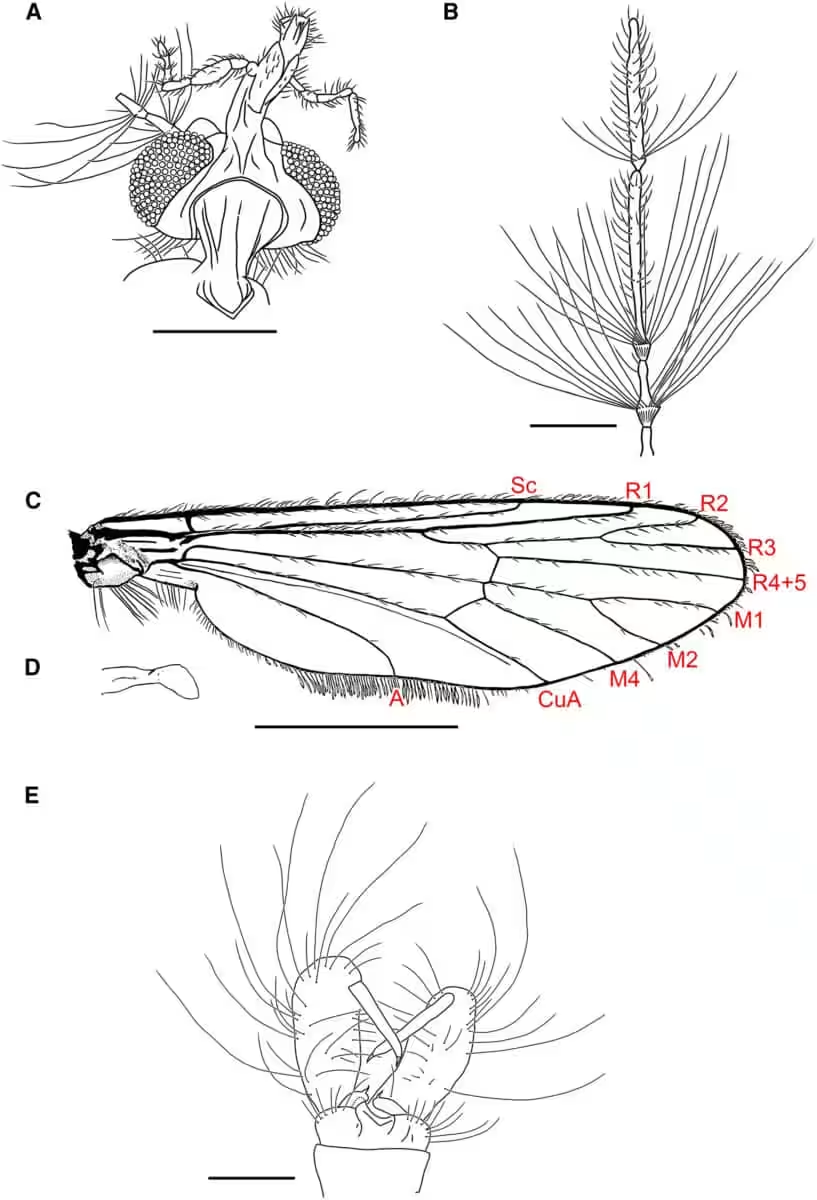
The discovery does not yet explain why some male mosquitoes may once have been blood feeders. Researchers say the fossils could still help uncover how early mosquitoes evolved millions of years ago.
Missing Link Found in Mosquito Evolution
The study also carries broader evolutionary significance. Phylogenetic analysis showed that Libanoculex intermedius belonged to a lineage that diverged earlier than another extinct mosquito group known as Burmaculicinae.
That placement helps reduce what scientists refer to as a “ghost-lineage gap,” where molecular evidence predicts the existence of a group before fossils are actually found. Fossils capable of filling those gaps remain relatively rare, especially for fragile insects such as mosquitoes.
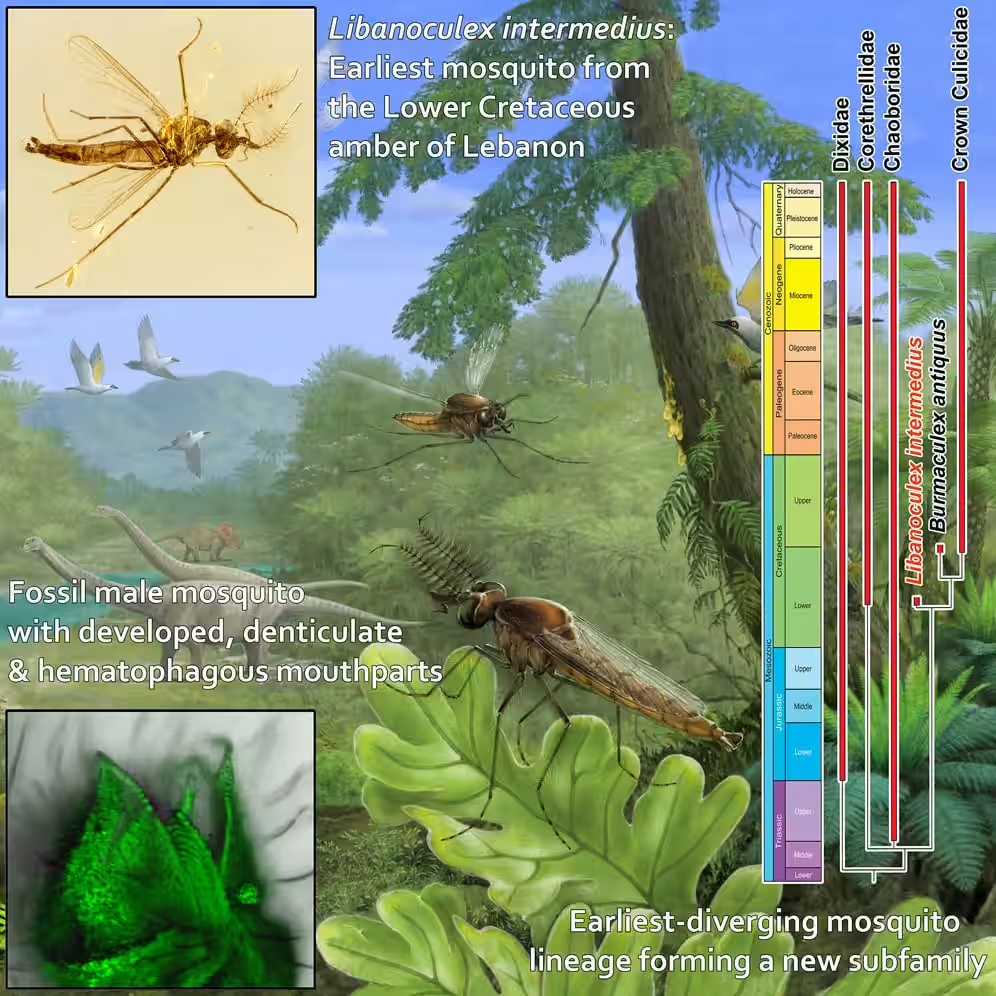
The researchers say the discovery provides new insight into mosquito diversity during the Mesozoic Era and offers a clearer timeline for the emergence of blood-feeding adaptations. Dr. Nel added that, “they’re also curious to explore why this no longer exists.”
This article has been fact checked for accuracy, with information verified against reputable sources. Learn more about us and our editorial process.
Last reviewed on .
Article history
- Latest version
Reference(s)
- <https://www.cell.com/current-biology/fulltext/S0960-9822(23)01448-3>.
- “André NEL.” <https://isyeb.mnhn.fr/en/participant/2604>.
- <https://www.researchgate.net/profile/Dany-Azar>.
Cite this page:
- Posted by Hassan Raza