ESA’s PLATO Telescope Passes Critical Tests, Bringing Earth-Like Planet Hunt Closer
ESA’s Plato mission clears crucial electronics tests, moving its hunt for Earth‑like exoplanets nearer to launch.
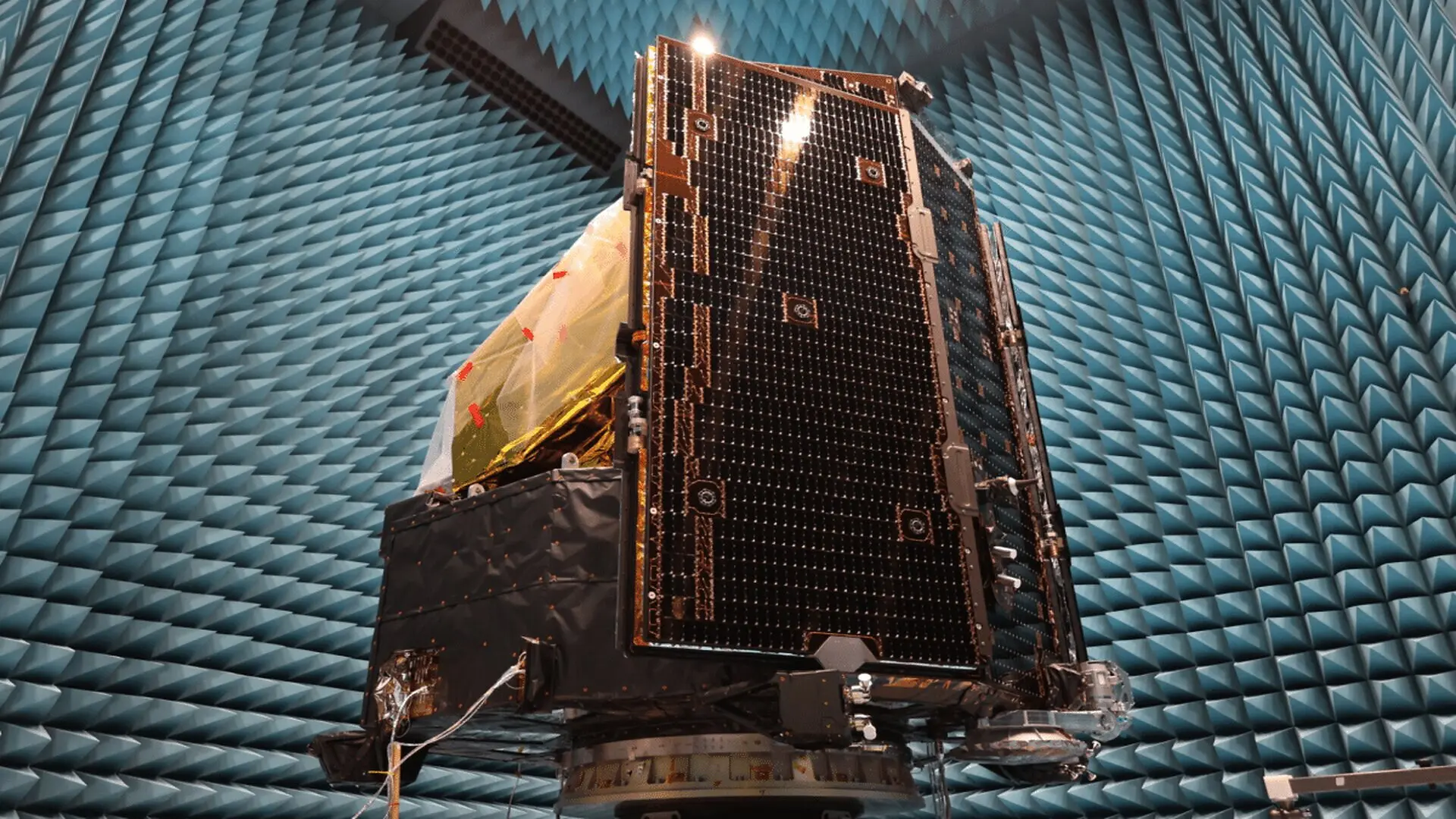
The European Space Agency’s (ESA) Plato space observatory has cleared a demanding series of pre‑launch electronics examinations, bringing the mission a step closer to its goal of spotting Earth‑sized planets orbiting nearby stars. ESA reports that the spacecraft’s subsystems have shown they can meet the rigorous demands of spaceflight, while engineers continue to ready the telescope for its upcoming voyage.
Plato Telescope Clears Key Pre‑Launch Electronics Tests
In a recent update, ESA confirmed that the Plato spacecraft’s electronic hardware successfully endured a battery of functional checks designed to simulate the conditions it will face once launched. The campaign evaluated communication links, power‑distribution units, onboard computers and other critical components, ensuring they operate cohesively under space‑like stresses.
These trials help the mission team spot potential issues early, a vital precaution because repairs are impossible once the observatory travels millions of kilometres from Earth. For Plato, reliable electronics are essential for uninterrupted scientific monitoring over a prolonged operational lifetime, during which the telescope will amass and process vast streams of astronomical data.
Plato meets Maxwell
— ESA Science (@esascience) July 20, 2026
Our terrestrial planet hunter Plato has recently completed a series of key tests inside the Maxwell Test Chamber at ESTEC, demonstrating that its electronic equipment is fit to work in space.
1/3 pic.twitter.com/9I7q1057OL
How the Mission Will Hunt for Earth‑Like Worlds
Plato, short for PLAnetary Transits and Oscillations of stars, will scan extensive swaths of the sky with an array of synchronized cameras. By tracking the minute dimming of thousands of stars, the telescope can detect planetary transits—tiny dips in brightness that reveal a planet’s size, orbital period and distance from its host.
These measurements enable scientists to pinpoint worlds situated in zones where liquid water could exist. The survey targets nearby stars that resemble the Sun, aiming to build a comprehensive census of planetary systems in our cosmic neighborhood.
In addition to planet hunting, Plato will conduct asteroseismology—studying the subtle vibrations of stars—to refine estimates of stellar age, size and internal structure. Merging stellar and planetary data will shed light on how planetary systems form and evolve around different types of stars.
Probing Stellar Interiors and Planetary Systems
By delivering precise stellar characterizations alongside detailed planetary parameters, Plato will complement existing exoplanet missions that have already catalogued thousands of distant worlds. Its focus on nearby, well‑characterized systems will provide a valuable target list for future observatories seeking atmospheric signatures of habitability.
Europe’s Next Leap in Exoplanet Science
When operational, Plato will join a global network of telescopes dedicated to unveiling the diversity of planetary systems beyond our own. Its wide field of view and long‑duration monitoring are tailored to uncover planets with orbital periods comparable to Earth’s year, a regime that remains challenging for many current surveys.
Data returned from the mission will be sifted to identify candidates worthy of deeper investigation by next‑generation space telescopes. The successful electronics validation marks a decisive milestone as the launch window approaches, positioning Plato to play a central role in the quest to understand how common Earth‑like planets are throughout the Milky Way.
This article has been fact checked for accuracy, with information verified against reputable sources. Learn more about us and our editorial process.
Last reviewed on .
Article history
- Latest version
Reference(s)
- “https://twitter.com/esascience/status/2079191593014141251/photo/1.” <https://t.co/9I7q1057OL>.
Cite this page:
- Posted by Karan Das