Scientists Use 3D Mapping to Uncover Secrets of Mysterious Medieval Underground Tunnels
New 3D scans are revealing the hidden secrets of mysterious medieval tunnels, finally shedding light on theories ranging from the spiritual to the bizarre.
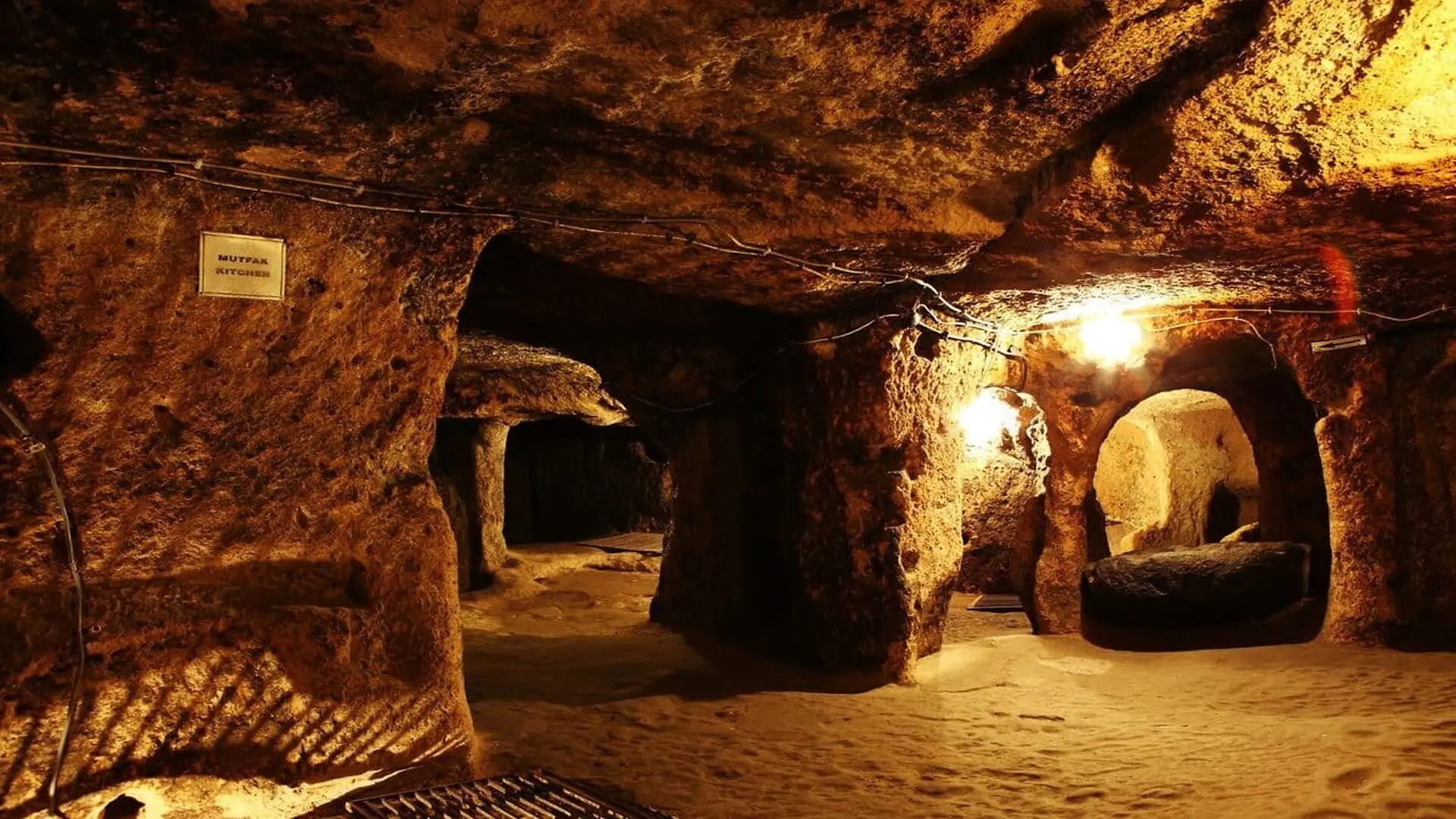
Beneath the soil of Europe lies a vast, enigmatic network of narrow, hand-dug tunnels that have long defied clear explanation. Often referred to as erdstall tunnels, these subterranean passages are defined by their claustrophobic dimensions, featuring cramped corridors and small chambers that sometimes span multiple levels. While researchers generally date these structures to the medieval period, the absence of comprehensive historical records has fueled wild theories, including claims of extraterrestrial origins.
Now, a team based in Austria is moving beyond speculation by employing advanced 3D scanning technology to analyze these sites. By mapping the geometry of these tunnels, researchers are uncovering fresh insights into the sophisticated construction methods and defensive measures employed by their ancient builders.
Mapping the Subterranean Labyrinth
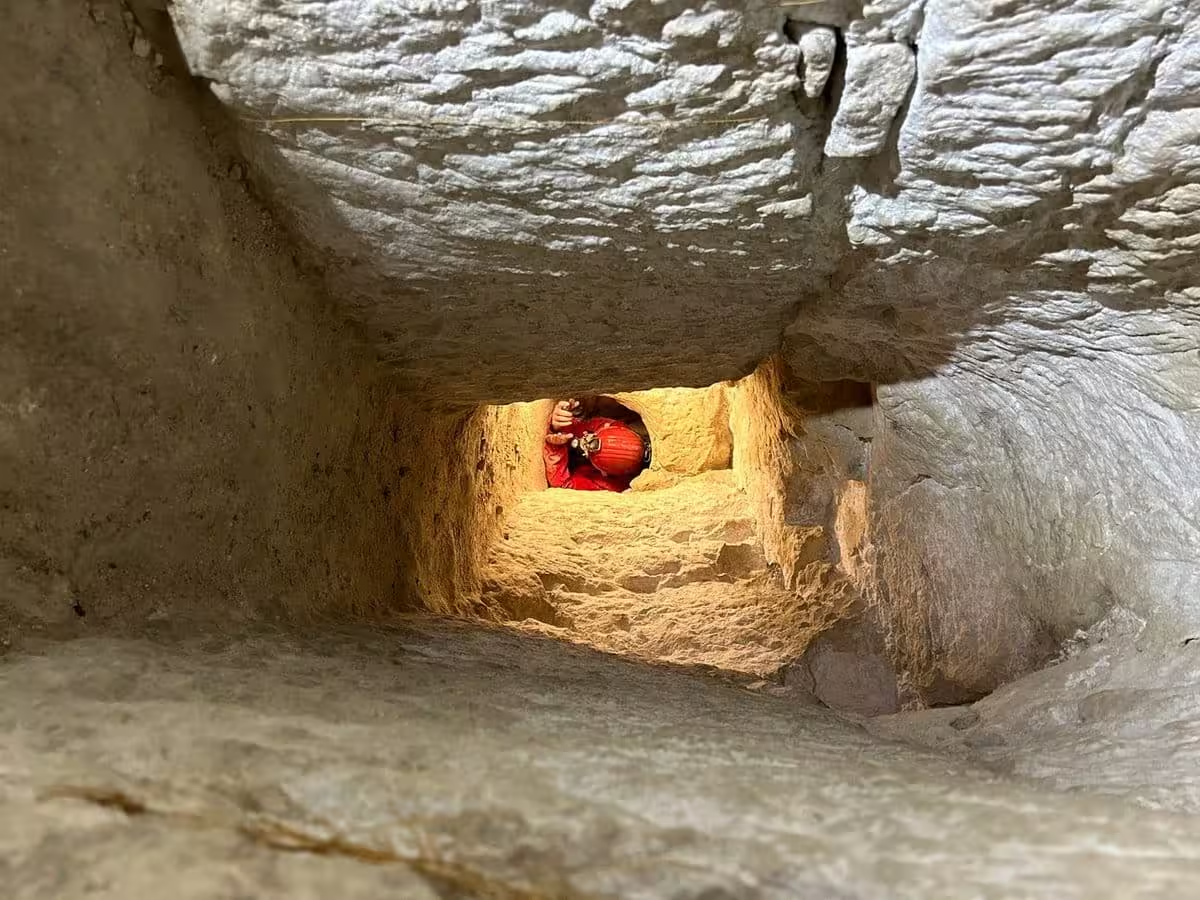
The term erdstall, derived from German roots meaning earth and place, describes a structure that is physically punishing to navigate. Moving between levels often requires travelers to squeeze through a schlupf, or slip, which is an aperture barely wide enough for a single person.
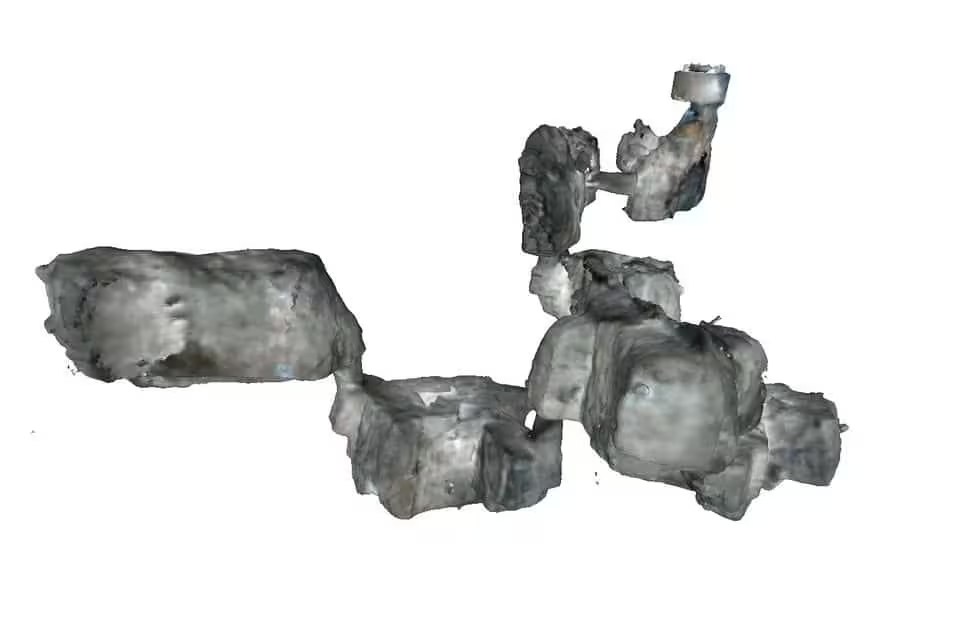
Kurt Niel, a professor of machine vision at the University of Applied Sciences Upper Austria, and robotics expert Raimund Edlinger recently tackled the logistical nightmare of surveying these spaces. Traditional laser scanners and robotics often fail in these tight, dark environments, so the researchers developed a custom handheld device. By integrating an RGB camera, high-resolution depth sensors, and movement-tracking gyroscopes, they successfully captured the complex layout of an Austrian site containing seven chambers across three distinct levels.
“For example, if we see some feature in the wall like a hole, we can get the sensor near the hole immediately,” Niel explained, noting that the device provides high-fidelity data even in the most restricted corners.
Evidence of Ancient Defensive Engineering
The 3D model revealed structural nuances that suggest these tunnels were designed for security. The team identified a designated space carved to accommodate a wooden door, accompanied by two holes in the opposing wall. This configuration strongly implies a barricade system where long, sturdy posts were inserted to secure the space against unwanted entry. Furthermore, the mapping clarified the construction process, suggesting the creators likely dug a central shaft from which they excavated individual rooms, eventually sealing the initial access point to leave only the finished complex.
Practical Functions vs. Historical Mystery
Luc Stevens, a researcher with the French Society for the Study of Underground Tunnels, notes that similar structures, known in France as souterrains, were likely utilitarian. Theories regarding their purpose range from grain storage and hiding spots during periods of conflict to seasonal shelters during harsh winters. Evidence of ventilation shafts, oil lamps, and hearths within some tunnels bolsters the case for their occasional occupation.
While the labor required to build these sites was significant, it was not prohibitive; archaeologists estimate that a small team of three to five people could complete an average-sized tunnel within a few months using period-appropriate tools. The presence of these tunnels across diverse regions, including the U.K., Israel, and Germany, may not indicate a singular culture or master plan, but rather the repeated emergence of similar solutions to shared survival challenges.
Future efforts will focus on expanding the scope of these surveys. Niel and Edlinger plan to document additional sites, with hopes of eventually constructing above-ground replicas that allow the public to experience the constraints of these ancient spaces firsthand. For now, the vast majority of these underground mazes remain unmapped, leaving a significant portion of history literally beneath our feet.
This article has been fact checked for accuracy, with information verified against reputable sources. Learn more about us and our editorial process.
Last reviewed on .
Article history
- Latest version
Reference(s)
- Linder, Courtney. “Remembering That Time the U.S. Tried to Drill the World’s Deepest Hole.”, April 24, 2023 Popular Mechanics <https://www.popularmechanics.com/science/environment/a43418443/project-mohole-drilling-project/>.
Cite this page:
- Posted by Vikram Desai