Rare Bronze Ring Found in Cleopatra’s Sunken Palace Features Lost Ancient Wonder
Archaeologists have unearthed a rare bronze ring depicting the Lighthouse of Alexandria near the sunken royal palace of Cleopatra in Egypt.

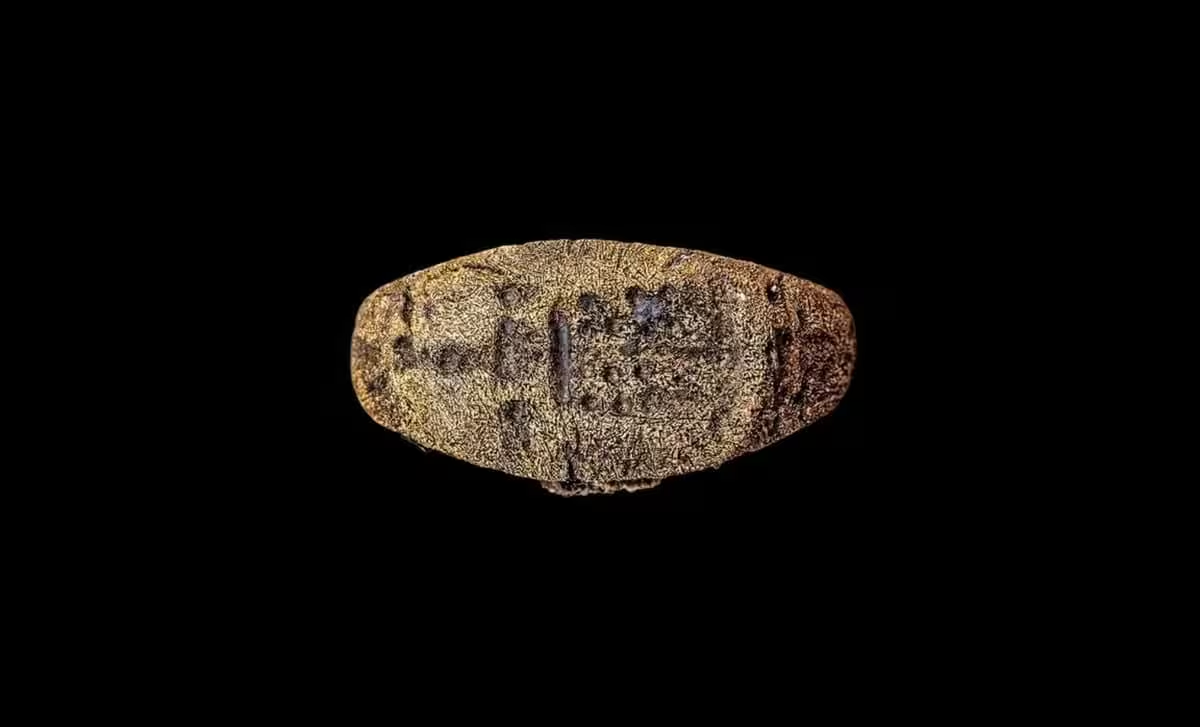
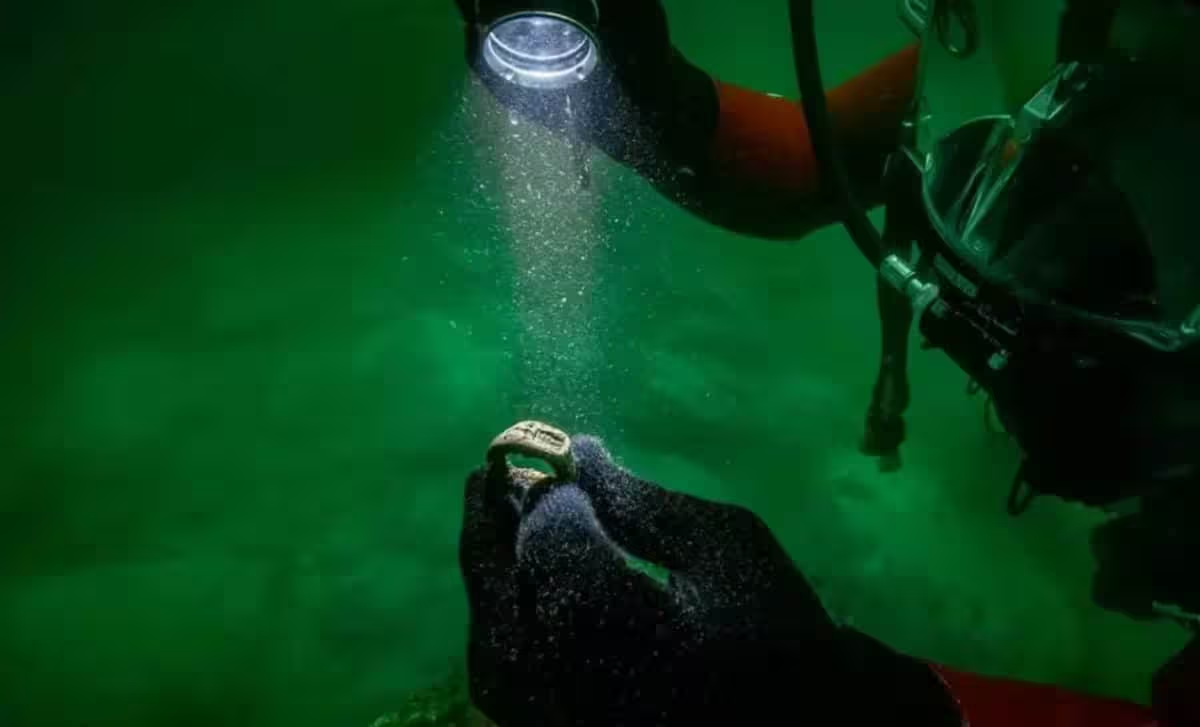
Archaeologists working in the submerged ruins of Alexandria’s ancient royal district have recovered a rare bronze signet ring featuring an engraving of the legendary Lighthouse of Alexandria. This artifact, pulled from the silt of the city’s Eastern Harbour, represents the first known instance of the iconic ancient wonder appearing on a ring.
Uncovering a Royal Past
The discovery was made by a collaborative team from the European Institute for Underwater Archaeology (IEASM) and Egypt’s Supreme Council of Antiquities. Divers located the piece within the remains of a palace on Antirhodos, an island that once served as a private maritime quarter for Ptolemaic rulers, including Cleopatra VII and Mark Antony. According to LBV, the site continues to yield critical insights into the grandeur of the Ptolemaic capital.
Hisham El-Leithy, secretary-general of the Supreme Council of Antiquities, noted the significance of the find, highlighting that such a specific depiction of the lighthouse has never before been documented on a signet ring. Historically, these rings were functional tools used to press wax or clay, allowing individuals to authenticate official documents or secure property.
Clues to Roman-Era Activity
While the exact date of the ring’s manufacture remains under investigation, its design shares striking similarities with second-century AD Roman coins that depict the famous maritime tower. This stylistic parallel has led researchers to speculate about the longevity of the Antirhodos palace. While the site is most famous for its association with the final days of the Ptolemaic dynasty, the presence of the ring suggests the palace may have continued to function as an administrative hub well into the Roman period.
The Lighthouse of Alexandria, constructed on the island of Pharos in the third century BC, reached a height of roughly 120 meters before its eventual destruction by a series of earthquakes. Its image became a powerful symbol of the city’s maritime influence, and its appearance on this ring could suggest that the wearer held a position of some authority related to the port’s management, as reported by Fox News.
Ongoing Underwater Excavations
The history of the Antirhodos island is complex. While underwater surveys led by archaeologist Franck Goddio have identified a Temple of Isis and other major structures, the timeline of the site remains fluid. Evidence indicates that while natural disasters such as tsunamis and earthquakes dealt significant damage to the architecture around AD 50, the area continued to see use for centuries afterward. Excavators have retrieved a wealth of items from the harbor floor, including glass, lamps, and pottery, spanning from the fourth century BC through the fourth century AD.
Though the ring’s owner and precise purpose remain a mystery, the discovery adds a tactile, human dimension to the narrative of the submerged city. As research continues across the palace ruins and the site of the Timonium, the team hopes to further clarify how the Roman administration interacted with these remnants of a fallen kingdom.
This article has been fact checked for accuracy, with information verified against reputable sources. Learn more about us and our editorial process.
Last reviewed on .
Article history
- Latest version
Reference(s)
- <https://www.labrujulaverde.com/en/2026/10/a-bronze-ring-engraved-with-the-lighthouse-of-alexandria-has-been-found-in-cleopatras-sunken-harbour/>.
- Margolis, Andrea. “Sunken royal palace with Cleopatra link yields rare find tied to long-lost wonder of ancient world.”, October 18, 2026 Fox News <https://www.foxnews.com/travel/sunken-royal-palace-cleopatra-link-yields-rare-find-tied-long-lost-wonder-ancient-world>.
Cite this page:
- Posted by Vikram Desai