Miniature Roman Temple Carved Into Spanish Quarry Reveals Hidden Worship of Minerva
Archaeologists discover a surprising shrine in a Spanish Roman quarry, challenging long‑held ideas about where and why Romans worshipped their gods.
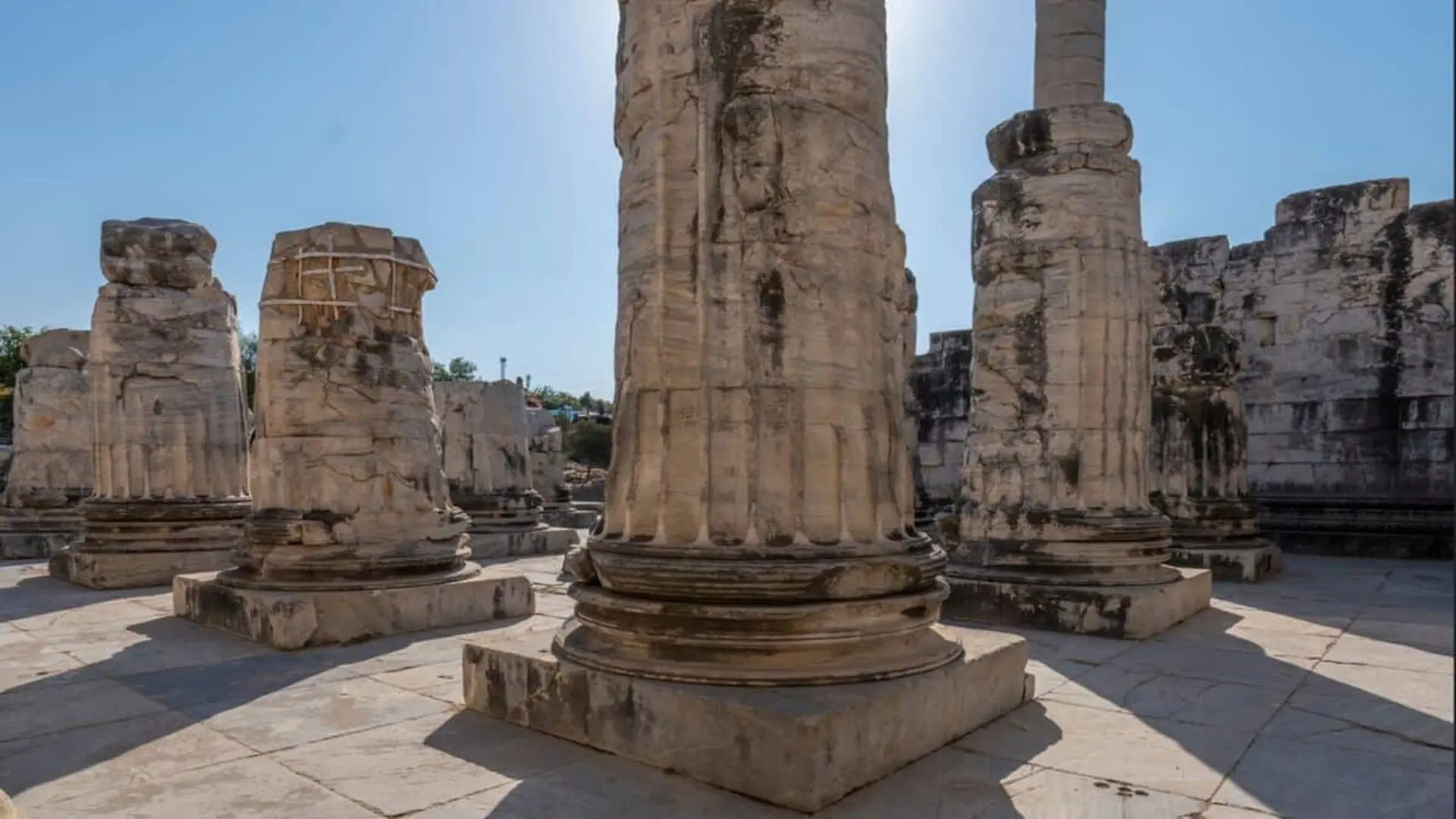
Archaeologists surveying the sandstone quarries of Cuenca province in central Spain have uncovered a rare Roman shrine hewn directly into the rock face. Dated to the late second century AD, the sanctuary is dedicated to Minerva, the goddess of wisdom and skilled craft, and represents one of the few known rock‑cut religious sites linked to a quarrying operation in Roman Hispania.
The discovery lies near Campos del Paraíso, about 15 kilometres from the ancient city of Segóbriga, a centre famed for extracting lapis specularis – a translucent gypsum prized as a glass substitute throughout the empire. The study, published in the journal Mantva by scholars from the Don Felipe de Borbón y Grecia Mining History Museum at the Polytechnic University of Madrid, highlights how Roman communities intertwined worship with daily labour.
Rock‑cut Shrine Reveals Roman Craftsmanship
Carved into the quarry wall is an aedicula, a miniature temple façade measuring roughly 70 centimetres wide and 50 centimetres high. Two fluted semi‑columns support a triangular pediment, giving the space the appearance of a tiny classical shrine.
At its centre a relief depicts Minerva. Although centuries of erosion have softened many details, the researchers identified the goddess by her long tunic, helmet, spear in the right hand and an oval shield bearing the aegis in the left. An owl, traditional symbol of Minerva’s wisdom, perches nearby.
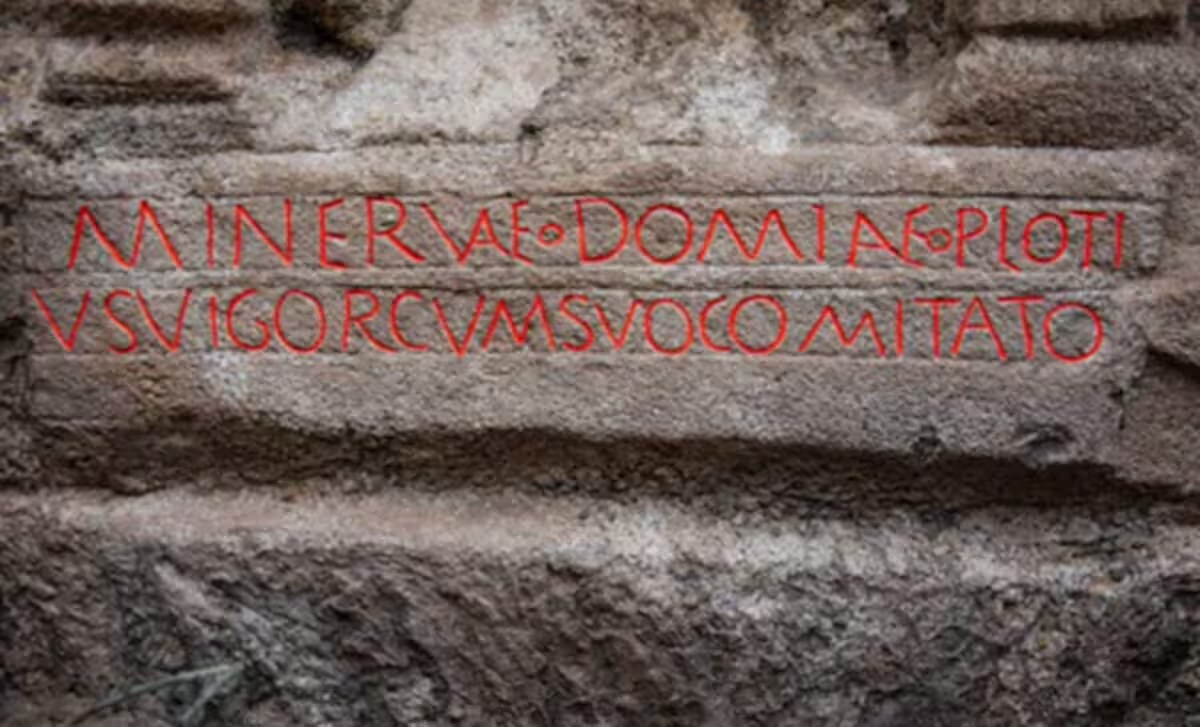
A shallow horizontal cavity to the left of the aedicula suggests a shelf for offerings, indicating the space was used for active devotion rather than serving solely as decorative stonework.
Epigraphic Testimony Links Shrine to a Prominent Roman Patron
Beneath the relief, a two‑line Latin inscription reads, “To Lady Minerva, Plotius Vigor dedicates this with his entourage.” The text ties the sanctuary to Plotius Vigor, a member of the gens Plautia – a plebeian family that achieved senatorial rank and held administrative posts in cities such as Tarraco, Gades, Carthago Nova and Emerita Augusta. The dedication demonstrates that local elites participated directly in the religious life of remote, productive landscapes as well as in urban centres.
Placing a Minerva shrine within a working quarry underscores the goddess’s association with skilled labour and industry. Minerva’s patronage would have resonated with quarry workers whose livelihoods depended on technical expertise and the extraction of valuable stone.
The find contributes to a growing body of evidence that Roman religious practice extended far beyond monumental temples. Sacred sites have been identified in mines, quarries and other rural settings where people spent much of their lives. As the authors note, the transformation of a quarry into a place of worship illustrates how Roman faith permeated everyday environments, offering divine protection to communities engaged in demanding manual work.
This sanctuary is the first documented Minerva shrine associated with a Spanish quarry, marking a significant addition to our understanding of Roman cultic activity in the western empire.
This article has been fact checked for accuracy, with information verified against reputable sources. Learn more about us and our editorial process.
Last reviewed on .
Article history
- Latest version
Cite this page:
- Posted by Vikram Desai