Scientists Just Discovered Hidden “Brakes” Beneath the Pacific That Stop Massive Earthquakes
A little-known underwater fault line has been generating eerily similar seismic events for the past thirty years, and scientists may now have uncovered the reason behind this puzzling phenomenon.
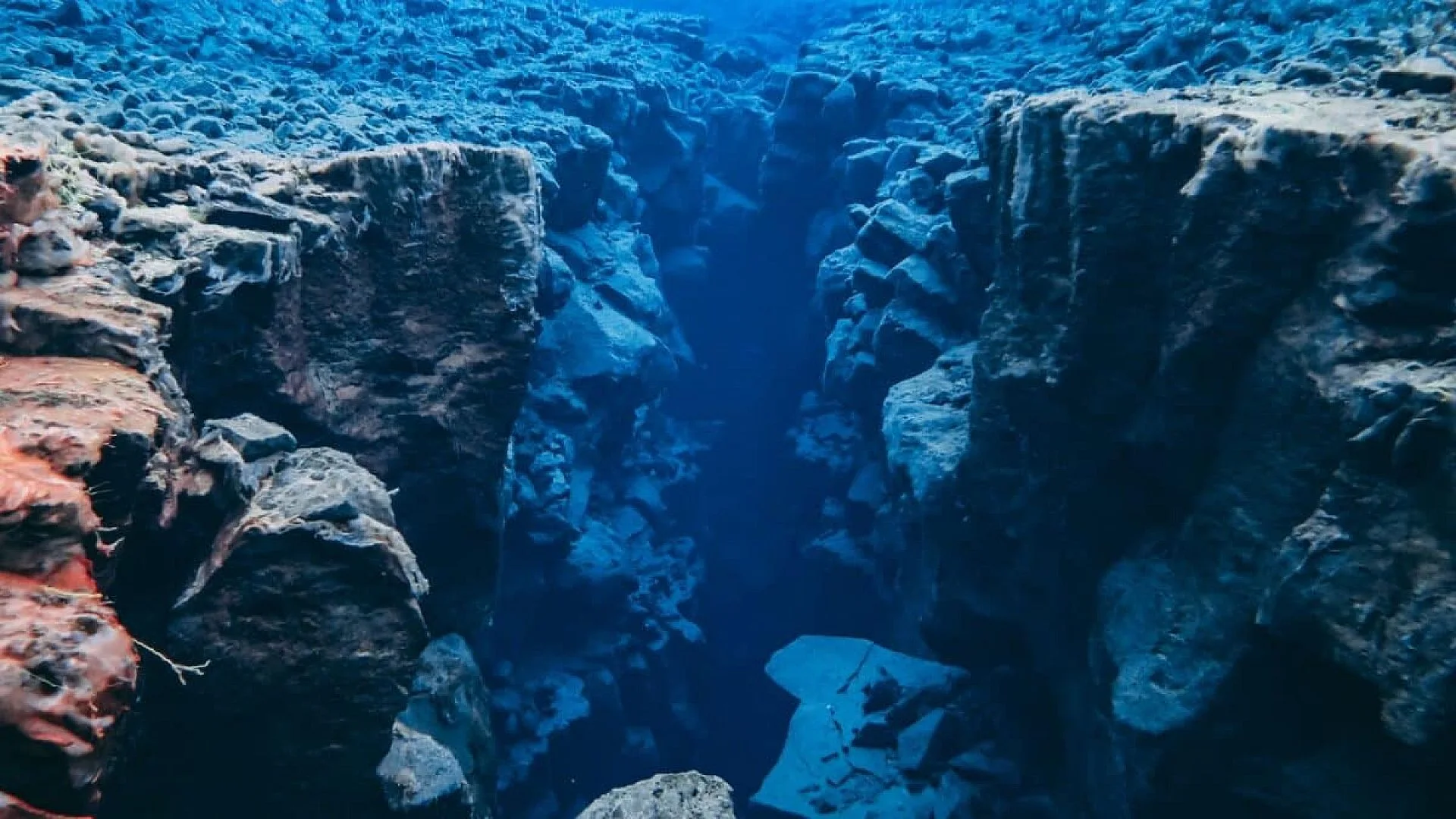
Scientists studying a remote underwater fault in the eastern Pacific Ocean have made a groundbreaking discovery. According to research published in Science, they have identified natural geological structures that repeatedly prevent earthquakes from growing larger. These structures, found in fractured regions inside the fault, behave like built-in “brakes,” halting seismic ruptures with surprising consistency.
The findings come from decades of observations at the Gofar transform fault, located about 1,000 miles west of Ecuador. For at least 30 years, the fault has produced magnitude 6 earthquakes at intervals of roughly five to six years, often rupturing the same sections in nearly identical ways.
Earthquake cycles are rarely this regular. In most fault systems, the size, timing, and extent of ruptures vary considerably. Researchers had long suspected that quieter segments between the active zones were somehow limiting the earthquakes, though the exact mechanism remained unclear.
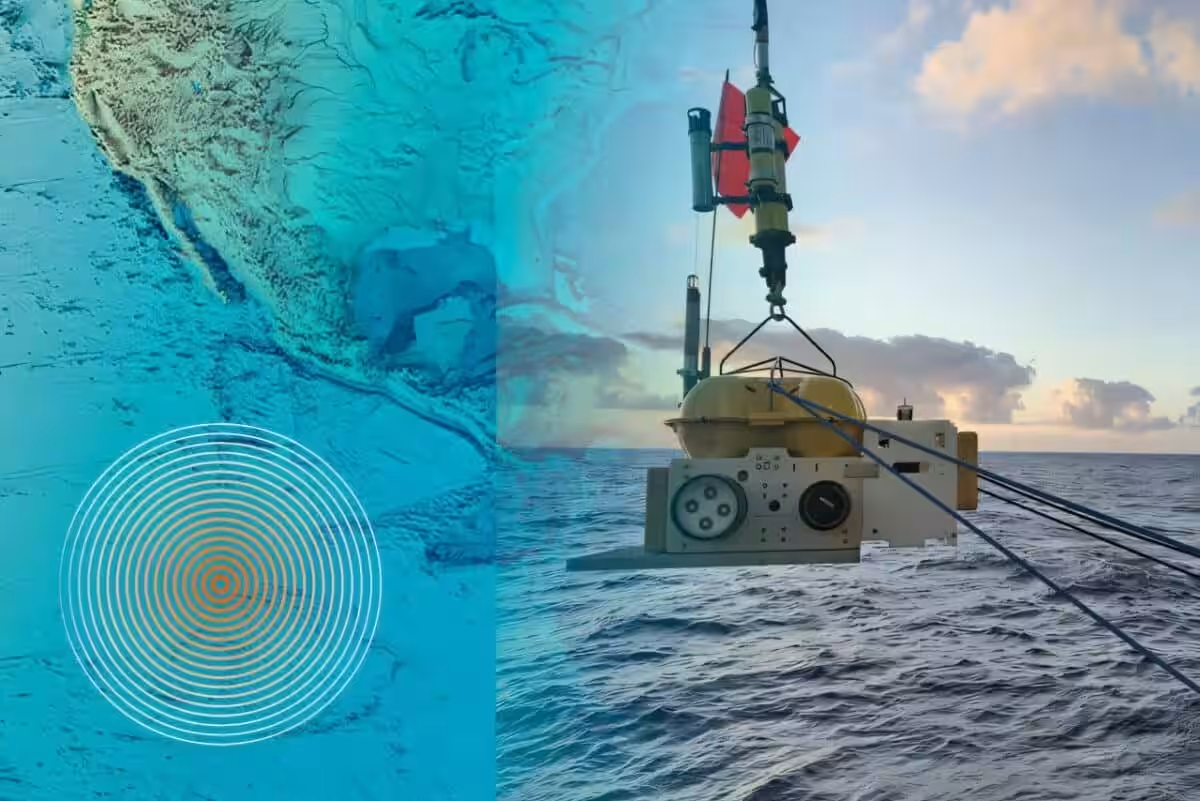
To investigate, an international team of scientists analyzed seismic activity recorded directly on the ocean floor during two major experiments carried out in 2008 and between 2019 and 2022. The study points to structurally complex regions filled with seawater deep beneath the seafloor.
Researchers Tracked Thousands of Small Earthquakes
The Gofar fault lies along the East Pacific Rise, where the Pacific and Nazca tectonic plates slide horizontally past one another at a rate of roughly 140 millimeters per year. The site has become one of the best-studied oceanic transform faults because of its repetitive seismic behavior.
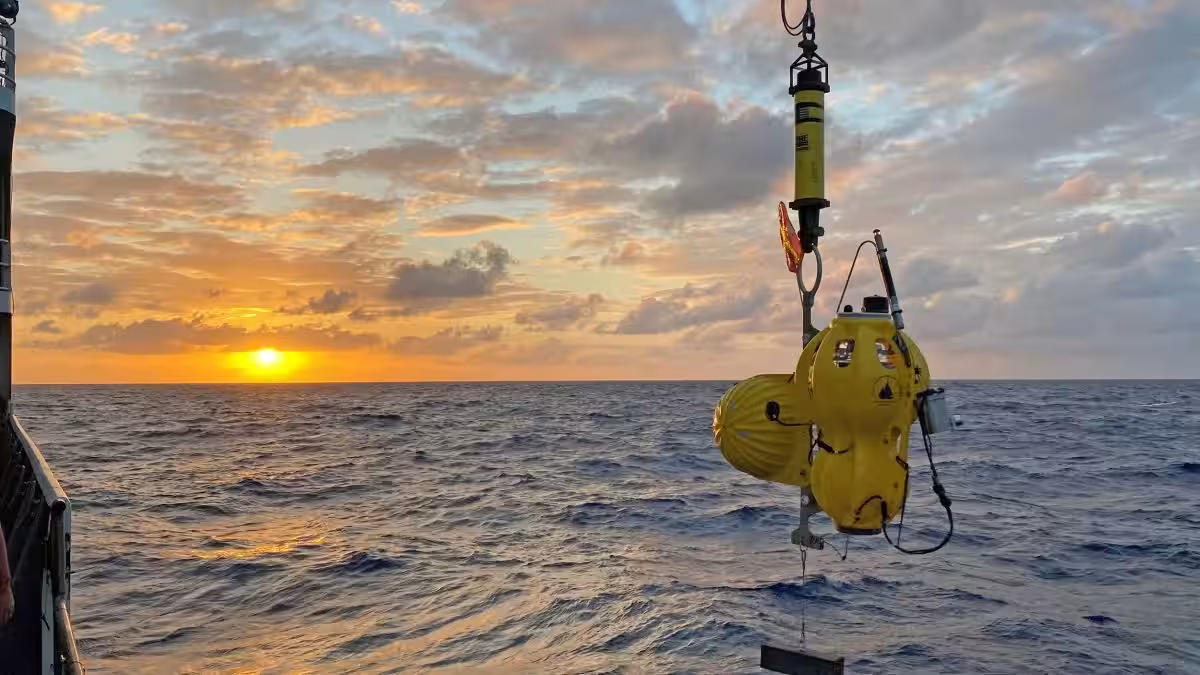
Scientists deployed ocean bottom seismometers to record activity before and after two magnitude 6 earthquakes. The instruments captured tens of thousands of smaller tremors throughout the experiments.
Researchers observed the same sequence in two separate fault segments despite a 12-year gap between the observations. Before each major earthquake, the barrier zones experienced bursts of small tremors. After the main rupture, those same areas became almost completely quiet.
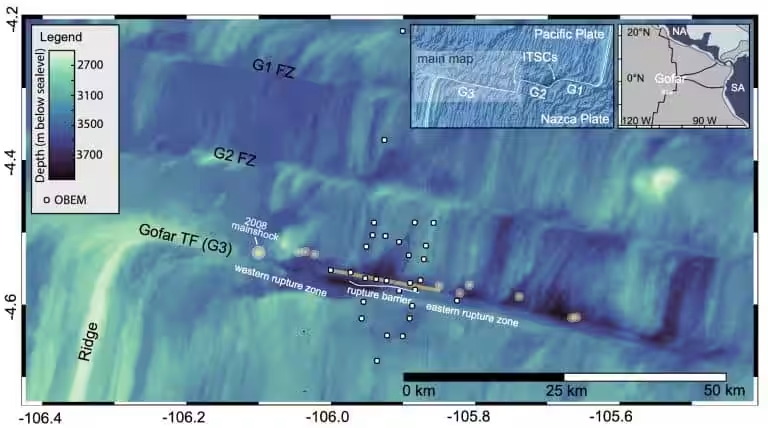
The recurring pattern led scientists to conclude that these barriers directly influence how ruptures propagate along the fault.
“We’ve known these barriers existed for a long time, but the question has always been, what are they made of, and why do they keep stopping earthquakes so reliably, cycle after cycle?” said Jianhua Gong, lead author of the study and Assistant Professor at Indiana University Bloomington.
Fractured Fault Zones Filled With Seawater
The research team found that the barrier regions are made up of complicated fault structures where the rock splits into multiple strands. Small sideways offsets between these strands, measuring between 100 and 400 meters, create openings within the fault. The study also reports evidence that seawater seeps deep into those fractured areas. The combination of trapped fluids and fractured rock creates conditions for a process known as dilatancy strengthening.
During an earthquake, rapid fault movement suddenly lowers fluid pressure inside the porous rock. As the pressure drops, the rock temporarily becomes stronger, slowing or halting the rupture’s progression.
Researchers describe the barrier zones as dynamic regions that directly affect the behavior of underwater earthquakes.
Why Some Faults Stay Limited
The Gofar fault is located far from densely populated areas, and the earthquakes recorded there pose little direct threat to coastal populations. Researchers believe the findings could still have broader implications for the study of underwater fault systems.
Similar transform faults exist throughout Earth’s oceans. Scientists involved in the study note that earthquakes along these faults often remain smaller than geological conditions might otherwise allow. The barrier zones identified in the research may help explain that pattern.
“These barriers are not just passive features of the landscape,” Gong said in comments released alongside the study. “They are active, dynamic parts of the fault system, and understanding how they work changes how we think about earthquake limits on these faults.”
This article has been fact checked for accuracy, with information verified against reputable sources. Learn more about us and our editorial process.
Last reviewed on .
Article history
- Latest version
Reference(s)
- “Jianhua (Ginny) Gong.” Department of Earth and Atmospheric Sciences <https://earth.indiana.edu/directory/faculty/gong-ginny.html>.
- Gong, Jianhua., et al. “Predictable seismic cycles result from structural rupture barriers on oceanic transform faults.” Science, vol. 392, no. 6799, May 14, 2026, pp. 718-723. American Association for the Advancement of Science (AAAS), doi: 10.1126/science.ady6190. <https://www.science.org/doi/10.1126/science.ady6190>.
Cite this page:
- Posted by Vikram Desai