Archaeologists Discovered Sand Beneath A 5,000-year-old Temple, Traced Back To Mountains 30 Miles Away
Beneath a Mesopotamian temple’s foundations, researchers discovered an unexpected layer of sand—one that contradicted long-held assumptions about this ancient settlement.
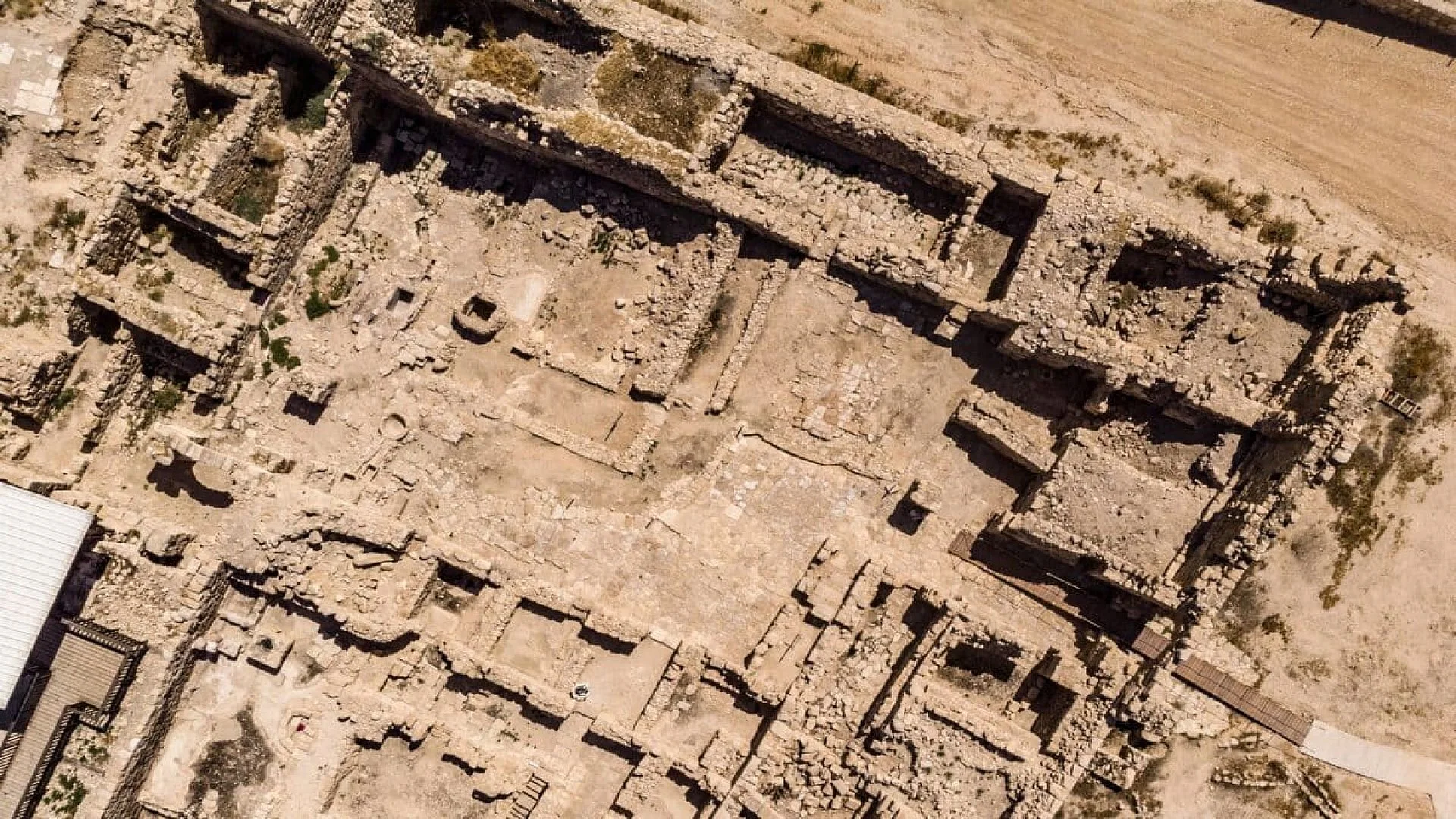
A groundbreaking discovery beneath an ancient Mesopotamian temple in northern Iraq is rewriting the history of worship in the region. The deliberate placement of a thick layer of sand beneath the Assur’s Ishtar Temple suggests that the builders were engaging in ritual practices previously thought to be unique to southern Mesopotamia.
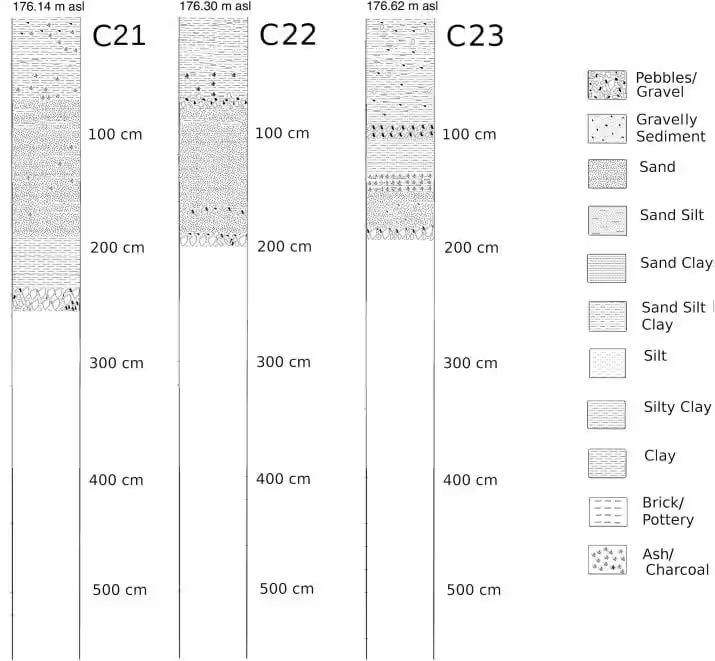
For over a century, archaeologists have been studying the Ishtar Temple in Assur, once the heart of the Assyrian empire. However, the most significant secrets of this sacred site were hidden beneath the earth, waiting to be uncovered. Thanks to modern techniques, researchers have been able to drill down through the layers of stone and brick, revealing a thick layer of sand, clean and containing rare minerals, hidden deep beneath the temple’s foundations.
A Hidden Ritual
As the archaeological team delved deeper into their analysis, it became clear that this wasn’t a random deposit of material. The sand was thick, clean, and free of the typical markers, like pottery shards or tools, that one would expect to find from a site of daily life. Instead, it appeared to be deliberately placed, suggesting a ritualistic purpose, one that had been hidden for nearly five thousand years.
The practice of laying purified sand beneath temples wasn’t new, but what was groundbreaking about this discovery is that it mirrored a well-known custom from southern Mesopotamia. In that region, laying such sediment was a common ritual to symbolize cleanliness and divine preparation. Up until now, archaeologists believed this practice was confined to southern Mesopotamia, but Assur’s Ishtar Temple changes that assumption entirely.
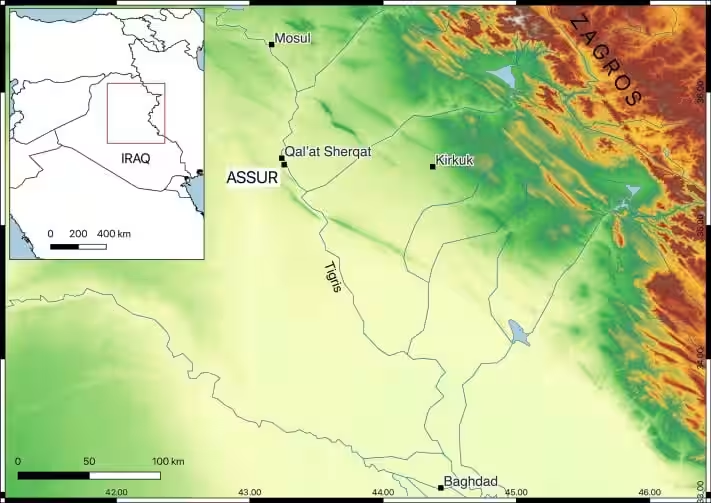
Similar sand foundations weren’t found beneath other major temples at the site, even those dedicated to prominent gods like Sin, Shamash, or Anu. Only Ishtar’s temple received this special treatment, suggesting the goddess was of exceptional importance in Assur’s pantheon.
Tracing Sand Across Landscapes
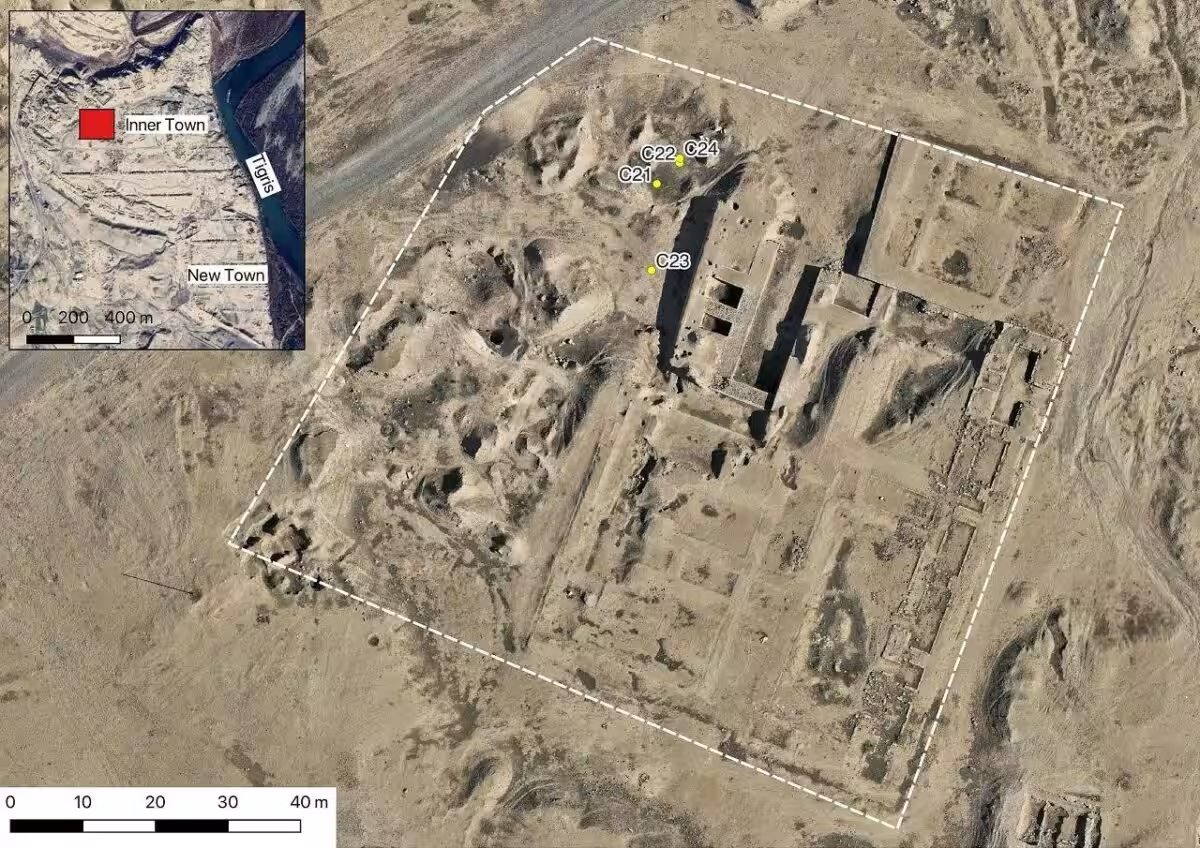
The real surprise came when scientists, extending their research into geology, examined the sand more closely. Through detailed mineralogical testing, they found that it didn’t come from the nearby Tigris River, as one might expect, but rather from the Zagros Mountains, located 30 to 50 kilometers away. This was no coincidence; it was a deliberate choice by the builders.
The minerals in the Zagros sand were not only rare, they carried symbolic weight, potentially connecting Assur’s Ishtar Temple to distant lands and reinforcing the temple’s religious and cultural significance.
The minerals in the Zagros sand carried symbolic weight, potentially connecting Assur’s Ishtar Temple to distant lands and reinforcing the temple’s religious and cultural significance.
When Assur Truly Began?
The deposit has also forced a rethink of Assur’s founding date. For years, scholars placed the city’s establishment in the third millennium BCE, based on the most easily dated artifacts and structures. But radiocarbon dating of charcoal fragments found just above the sand layer suggests that the Ishtar Temple, and possibly Assur itself, was established much earlier, between 2896 and 2702 BCE. This shift changes the way we see northern Mesopotamia’s role in early civilization.
The sand points to a deeper connection with Ishtar’s identity. In southern Mesopotamia, she was known as Inanna, the goddess of love, war, and fertility. In northern Mesopotamia and the surrounding highlands, however, a related goddess named Shaushka was worshipped by the Hurrians. These Hurrian-speaking populations had strong cultural ties to the Zagros Mountains, the very place where the sand was sourced.
This leads researchers to think that the early Assyrians mixed southern and mountain traditions, giving Ishtar a more layered identity as Assur became a key cultural center.
This article has been fact checked for accuracy, with information verified against reputable sources. Learn more about us and our editorial process.
Last reviewed on .
Article history
- Latest version
Cite this page:
- Posted by Vikram Desai