Artemis 2 Astronauts Catch Rare Meteoroid Impact Flashes on the Moon’s Hidden Side
Artemis 2 crew members detected flashes from meteoroid strikes on the moon’s far side, offering vital information to researchers analyzing lunar craters and potential impact risks.
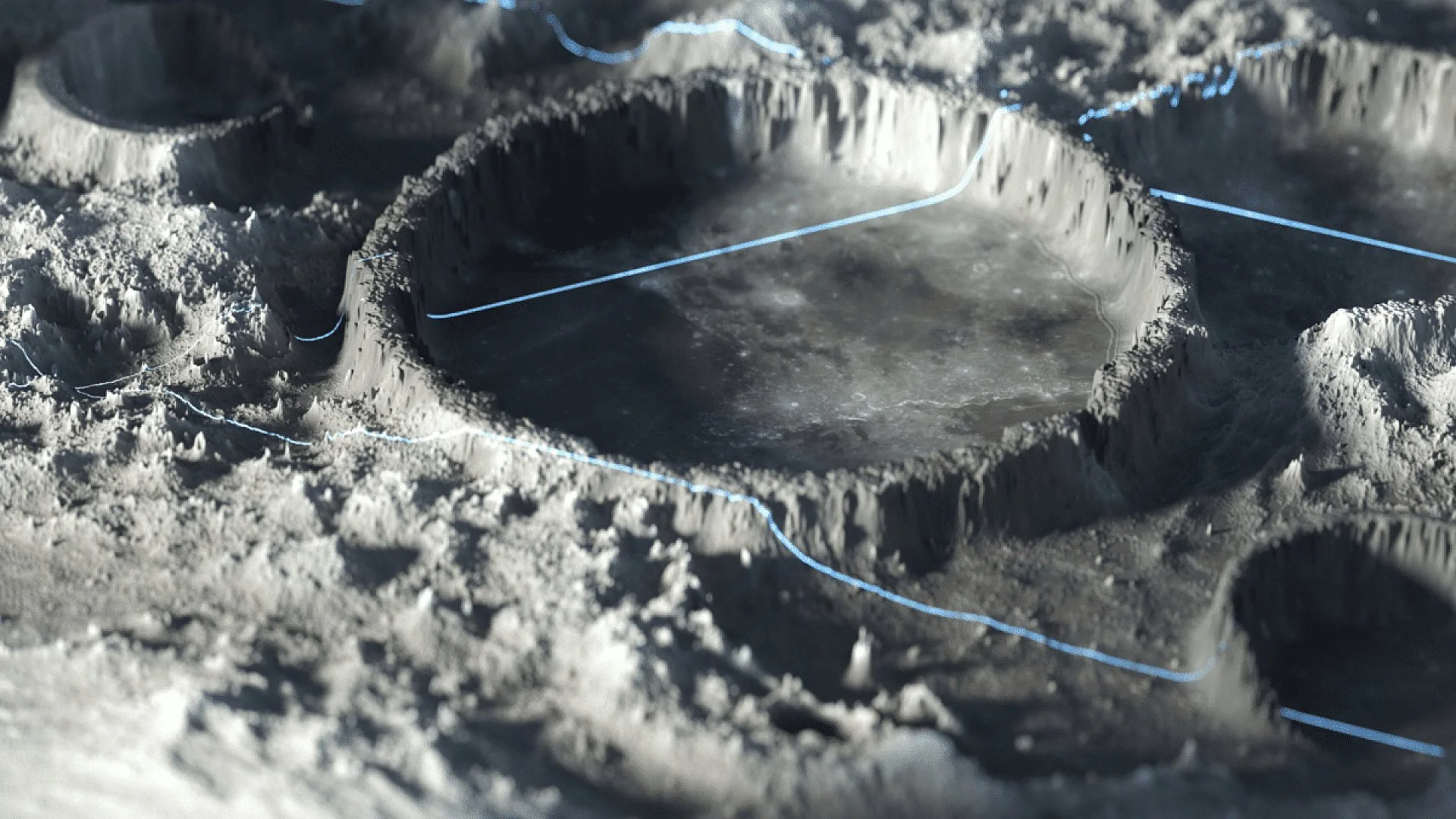
In a groundbreaking moment during NASA’s Artemis 2 mission, astronauts witnessed spectacular flashes of light caused by meteoroid impacts on the far side of the moon. This extraordinary discovery, reported by Space.com, is poised to revolutionize our understanding of the moon’s surface and its exposure to cosmic debris. Unlike previous missions, which struggled to capture such fleeting events, the Artemis 2 crew’s direct observations provide a level of detail that no camera can match, offering a rare glimpse into a phenomenon that has eluded scientists for years.
A New Frontier in Lunar Research
The Artemis 2 astronauts’ ability to spot meteoroid impacts with the naked eye is a major breakthrough. According to Space.com, these impacts, caused by meteoroids striking the lunar surface, result in bright flashes of light as the debris vaporizes upon contact. It’s an incredibly challenging phenomenon to capture with cameras due to the brief nature of these events, which makes the crew’s observations even more remarkable. According to Kelsey Young, NASA Artemis 2 lunar science lead,
“These observations were made with the unaided eye. It’s extremely difficult to capture impact flashes with a camera, which is one of the benefits of sending trained crew to observe the moon.”
The Artemis 2 crew’s observations were particularly valuable because they took place on the moon’s far side, a region that is not easily visible from Earth. This makes such sightings even more difficult to verify and study. Early data from the mission indicates that the impact flashes were observed on this elusive far side, further expanding the scope of our understanding of lunar impacts.
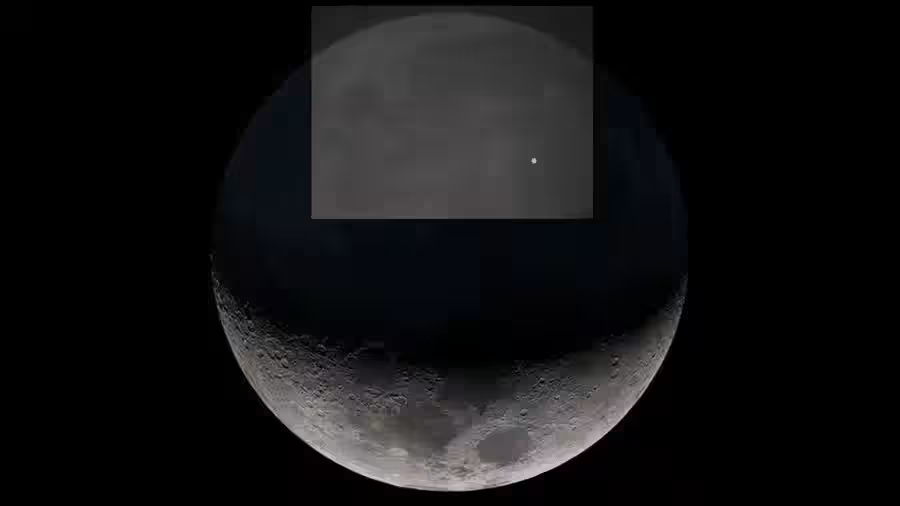
Credit: NASA
Unlocking the Secrets of the Moon
Meteoroid impacts on the moon are not just a spectacular visual phenomenon. They offer crucial scientific insights into the moon’s history and the dynamics of its surface. By tracking the location, timing, and intensity of these flashes, scientists can determine how often meteoroids of various sizes strike the moon. Moreover, they can study the type of craters that form as a result, as well as how shock waves travel through the moon’s interior, providing essential information about the moon’s geology.
“This is vital information for scientists who study the moon,” said the Impact Flash website, which is part of the citizen science project tracking these meteoroid flashes. “By tracking when and where they happen, scientists can learn how often impacts of different sizes occur, what kinds of craters they create, and how the shock waves travel through the moon’s interior.”
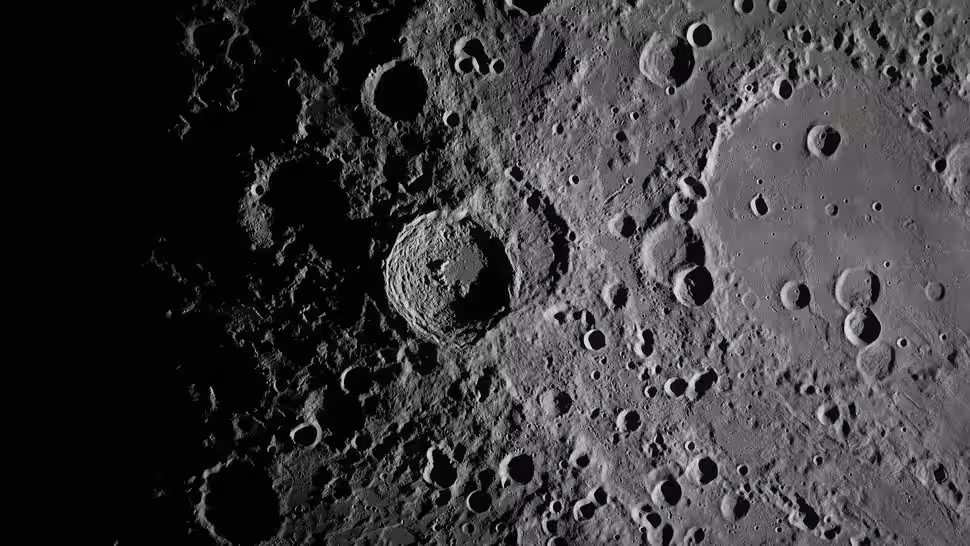
Image credit: NASA
The Power of Collaboration and Future Discoveries
While the Artemis 2 astronauts provided the first direct observations of these meteoroid impacts on the far side of the moon, citizen scientists have also played an essential role. The Impact Flash citizen science project, launched under NASA’s GEODES program, is designed to collect data on impact flashes from both Earth and lunar missions. This crowdsourced data will help researchers gain a more comprehensive view of the moon’s impact dynamics. Combining these observations with data from other sources, like NASA’s Lunar Reconnaissance Orbiter (LRO), will allow scientists to map and study lunar impacts with greater precision.
In the coming months, all of the data gathered by Artemis 2, including imagery, audio recordings, and transcripts, will be made available to the public.
“Within six months, all imagery of the Earth and moon taken by crew and vehicle cameras, audio recordings of the crew’s science observations, and accompanying transcripts will be publicly available for the broader science community to analyze,” said Wasserman, an official overseeing the data release.
Preparing for a Sustainable Presence on the Moon
Understanding meteoroid impacts is critical for planning future lunar outposts, particularly NASA’s Artemis Base Camp. The south pole of the moon, where the Artemis team plans to establish a long-term human presence, is an ideal location but still poses risks, particularly from meteoroid strikes. According to a 2025 study led by Daniel Yahalomi of MIT,
“To design for longevity, one must account for the myriad environmental hazards that a long-duration outpost will face—among them radiation, extreme thermal cycling, regolith dynamics, seismic shaking, dust, and, of particular importance to this work, impacts.”
As researchers refine their understanding of meteoroid impact hazards, they can develop better protective technologies to shield habitats and equipment from potential damage. These insights will be critical to ensuring the safety and longevity of the Artemis Base Camp and other future lunar missions.
This article has been fact checked for accuracy, with information verified against reputable sources. Learn more about us and our editorial process.
Last reviewed on .
Article history
- Latest version
Reference(s)
- David, Leonard. “NASA's Artemis 2 astronauts saw flashes on the far side of the moon that cameras struggle to capture. Here's why scientists are excited.”, May 8, 2026 Space <https://www.space.com/space-exploration/artemis/nasas-artemis-2-astronauts-saw-flashes-on-the-far-side-of-the-moon-that-cameras-struggle-to-capture-heres-why-scientists-are-excited>.
Cite this page:
- Posted by Vikram Desai