Scientists Discover Massive Lithium Deposits Beneath the Eastern U.S. That Would End a Decades-Long Foreign Dependency
A comprehensive nationwide evaluation has revealed substantial lithium deposits spanning from the Carolinas up to Maine, marking a significant stride towards reducing the nation’s reliance on overseas sources more than at any other time in recent history.
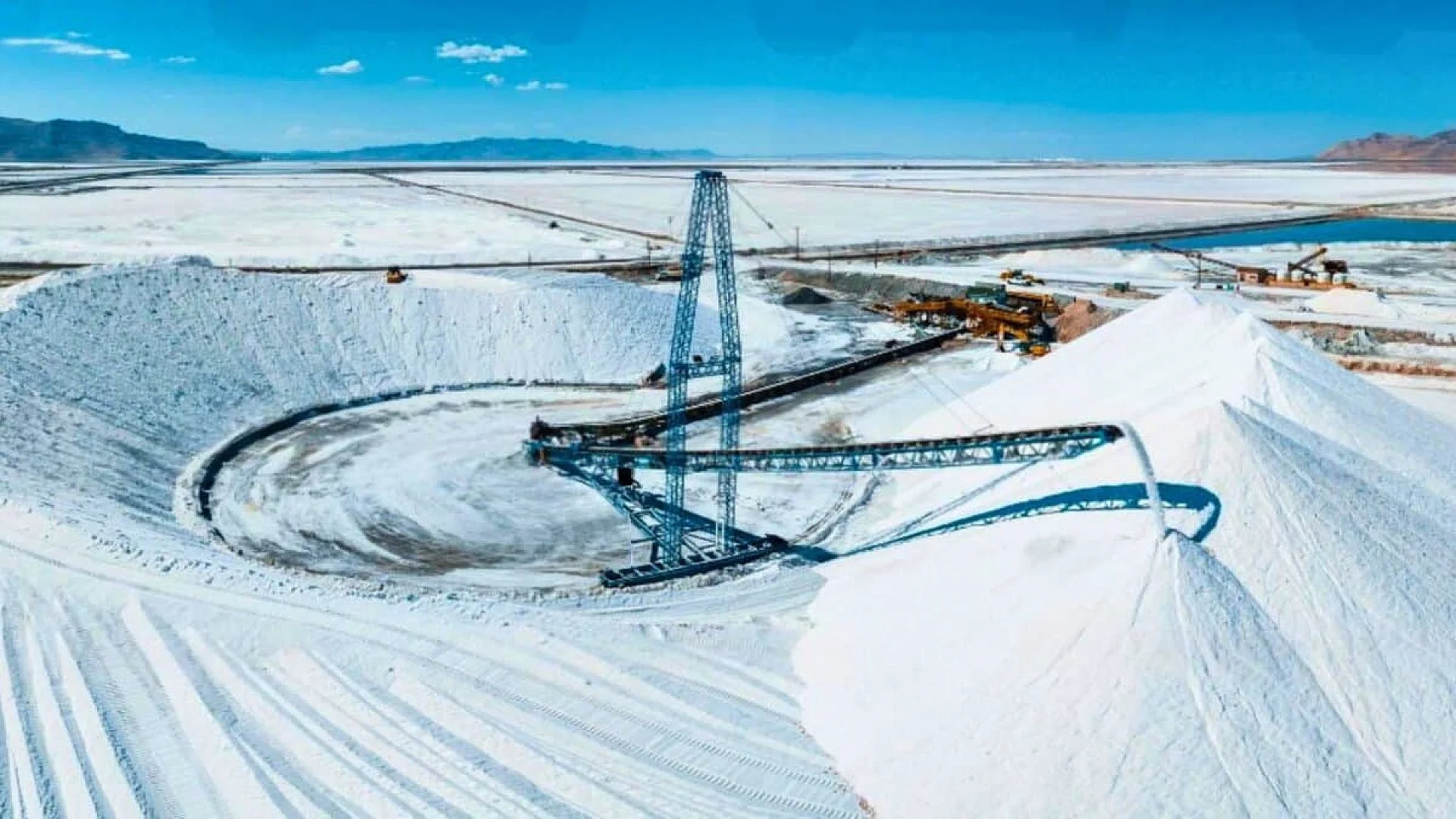
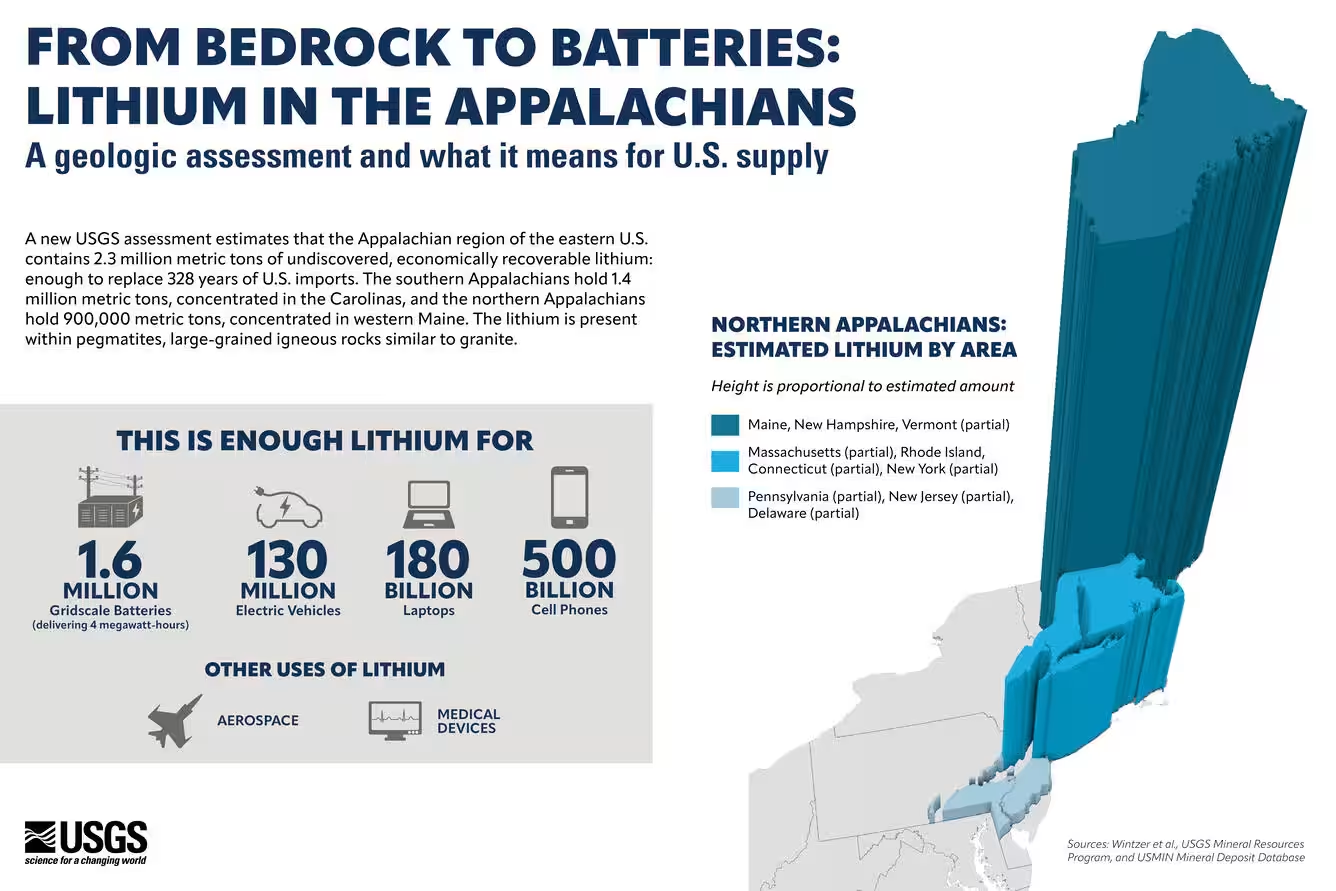
The Appalachian Mountains have long been synonymous with coal, but a recent study by the U.S. Geological Survey has revealed a hidden treasure: one of the largest lithium deposits in the United States. This ancient range, which stretches from Canada to Alabama, holds an estimated 2.3 million metric tons of economically recoverable lithium oxide, enough to cover 328 years of U.S. supply at last year’s import rate.
Imagine the impact of this discovery on the nation’s electric vehicle market. The USGS estimates that the deposit could power 130 million vehicles, 500 billion cellphones, or 1.6 million grid-scale units large enough to stabilize a power grid. The United States currently produces less than one percent of the world’s lithium, making this assessment a game-changer.
Lithium was added to the U.S. List of Critical Minerals in 2025, and global production capacity is expected to double by 2029, driven by rising demand for lithium-ion batteries across consumer electronics, defense hardware, and AI data centers. The Appalachian find arrives at a crucial moment, as the country seeks to reduce its reliance on foreign imports.
Two Zones, One Ancient Geology
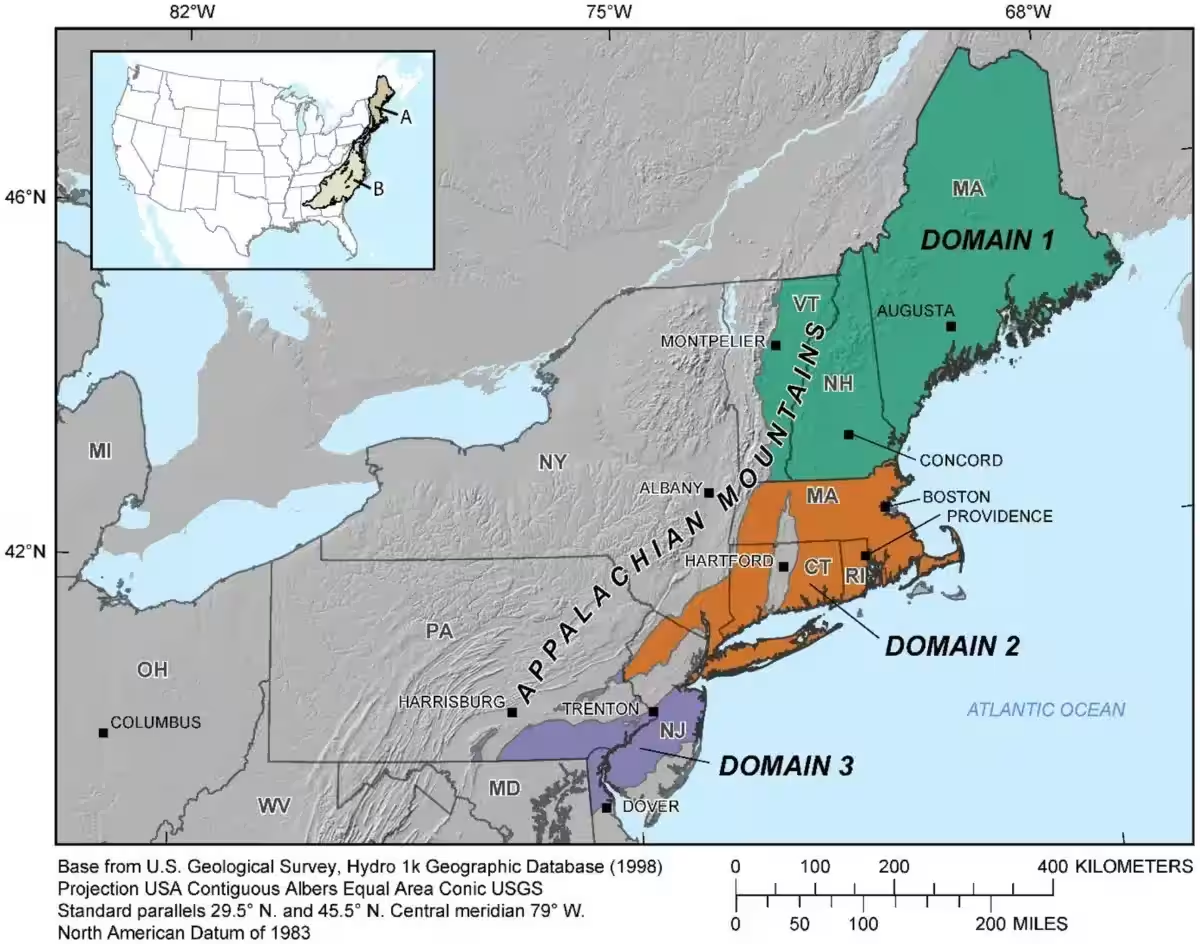
The 2.3 million metric ton figure is divided between two distinct regions: the southern Appalachians, which hold the larger share of approximately 1.43 million metric tons concentrated in the Carolinas, and the northern zone, centered on rural western Maine and New Hampshire, which accounts for the remaining 900,000 metric tons.
Both deposits sit inside pegmatites: coarse-grained rock, similar in appearance to granite, that forms when magma cools slowly under extreme pressure. This process occurred over 250 million years ago, when plate tectonics drove Africa, Europe, and North America together into the supercontinent Pangea, creating the heat and pressure that melted the deep crustal rock beneath what is now the Appalachians.
The same formations appear in Ireland and Portugal, which once shared a continuous coastline with the eastern United States along that ancient boundary. North Carolina’s Kings Mountain area hosted the first large-scale lithium pegmatite mining in the country, providing a foundation for the new assessments.
Reading the Confidence Levels Carefully
The USGS was deliberate about uncertainty, recognizing that the true amount of lithium in the Appalachian deposits could be higher or lower than the estimated 2.3 million metric tons. At the cautious end, there is 90 percent confidence that the northern Appalachians alone contain at least 90,000 metric tons. At the optimistic end, there is a 10 percent chance that zone holds as much as 7.4 million metric tons.
“This research shows that the Appalachians contain enough lithium to help meet the nation’s growing needs, a major contribution to U.S. mineral security, at a time when global lithium demand is rising rapidly,” said USGS Director Ned Mamula.
A separate USGS study from 2024 estimated 5 to 19 million metric tons of lithium in brines beneath the Smackover Formation in southwest Arkansas, though that assessment stopped short of calculating how much would be worth extracting at current prices.
One Mine, 0.3 Percent of Global Output
An assessment is not a mine, and the United States has exactly one operating lithium facility, located in Silver Peak, Nevada. Domestic lithium production in 2024 totaled 610 metric tons, according to the Energy Institute’s Statistical Review of World Energy, 0.3 percent of what the world produced that year.
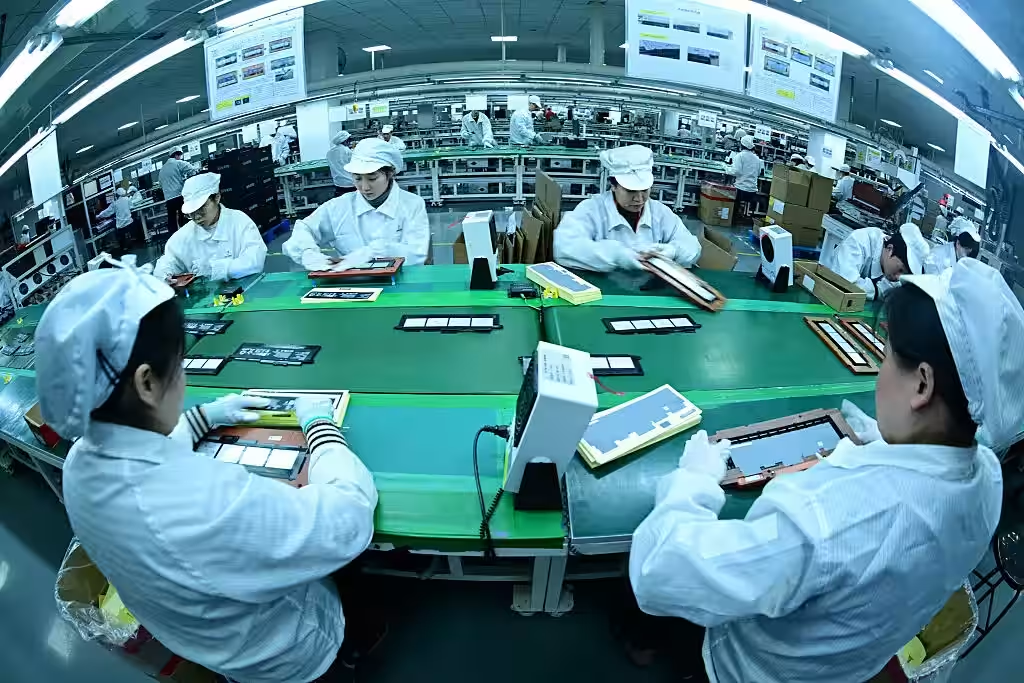
The country imports most of its lithium carbonate, the refined compound that goes into battery manufacturing, from Chile and Argentina. China controls the processing and refining end of the supply chain and produces the majority of finished lithium-ion batteries sold worldwide. The U.S. imported nearly $85 million worth of those batteries from China in the past year alone, a dependency that both the Trump and Biden administrations have tried to reduce through tariffs.
Federal investment in domestic production is moving, if slowly. The Department of Energy finalized a $225 million grant for an Arkansas lithium project targeting 22,500 metric tons of annual battery-grade output. The Appalachian deposits, by contrast, sit beneath forested and largely rural terrain with no existing extraction infrastructure. Permitting alone would take years.
This article has been fact checked for accuracy, with information verified against reputable sources. Learn more about us and our editorial process.
Last reviewed on .
Article history
- Latest version
Reference(s)
- “Lithium in Eastern States Could Replace Imports for a Century or More.” USGS <https://www.usgs.gov/news/national-news-release/lithium-eastern-states-could-replace-imports-a-century-or-more>.
- “Northern Appalachian Lithium Map.”, April 28, 2026 USGS <https://www.usgs.gov/media/images/northern-appalachian-lithium-map>.
Cite this page:
- Posted by Vikram Desai