Why The US Power Grid Is Facing A Crisis That Has Nothing To Do With Electricity Shortages
Aging infrastructure and a surge in data center demand are straining the U.S. power grid, threatening reliability as the nation struggles to upgrade lines.
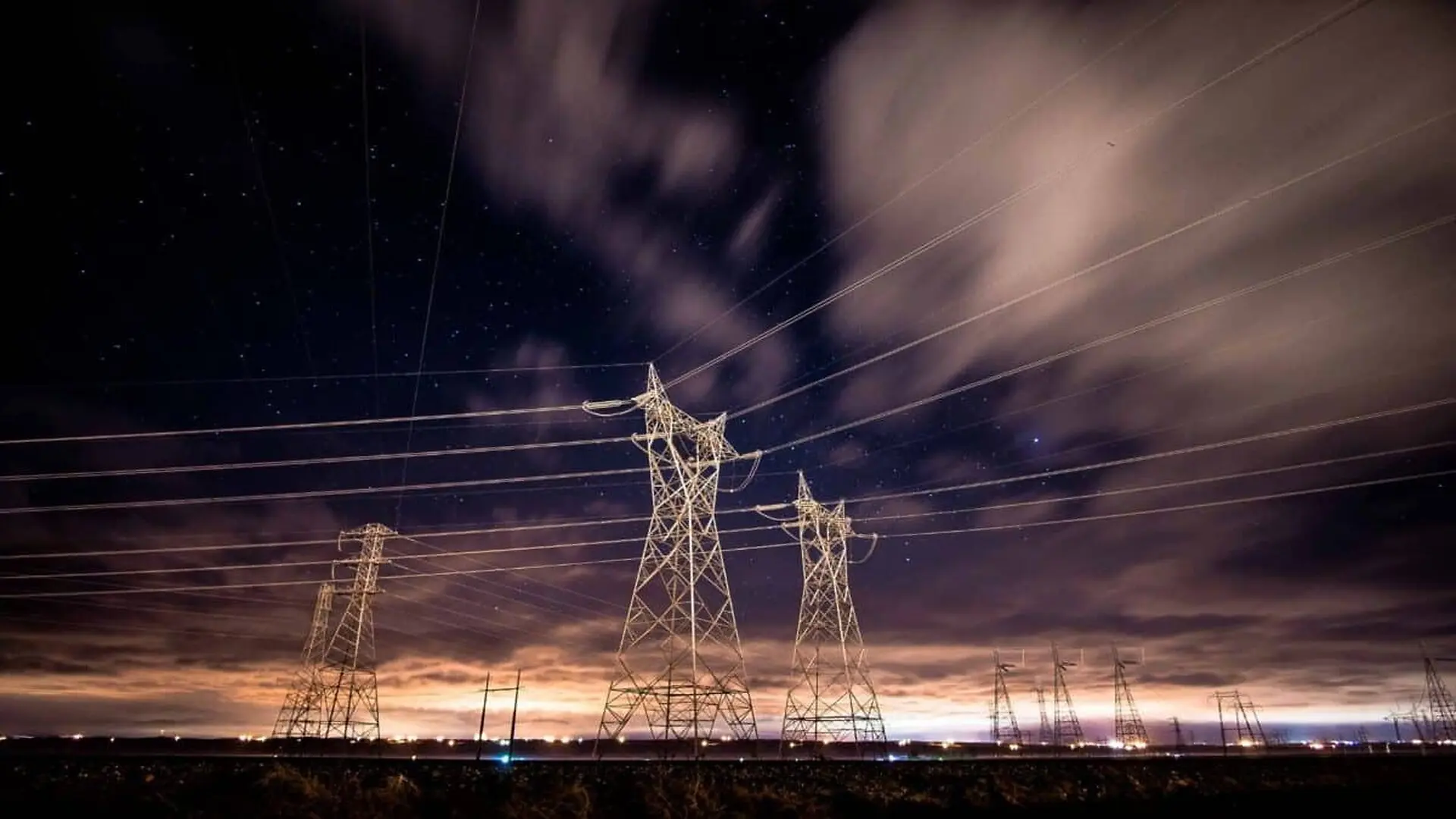
The U.S. Department of Energy has granted PJM Interconnection—the grid operator managing power across much of the Midwest and Mid-Atlantic—emergency authority to activate specific power plants through October 16. This federal intervention was triggered by a convergence of seasonal maintenance that took critical transmission lines offline and forecasts predicting electricity demand could hit 111,500 megawatts.
While the move aims to avert potential service interruptions, it highlights a deepening instability within the American power grid. As artificial intelligence and massive data centers drive electricity consumption to record levels, the nation’s aging transmission network is struggling to move power where it is needed most.
Grid Reliability Under Pressure Across 13 States
The decision to authorize extra generation capacity comes as grid managers grapple with the dual challenges of unseasonably warm autumn weather and restricted power flow. Because utilities had already begun taking lines out of service for routine winter preparation, the system lacked the flexibility to move electricity between zones during the recent spike in demand.
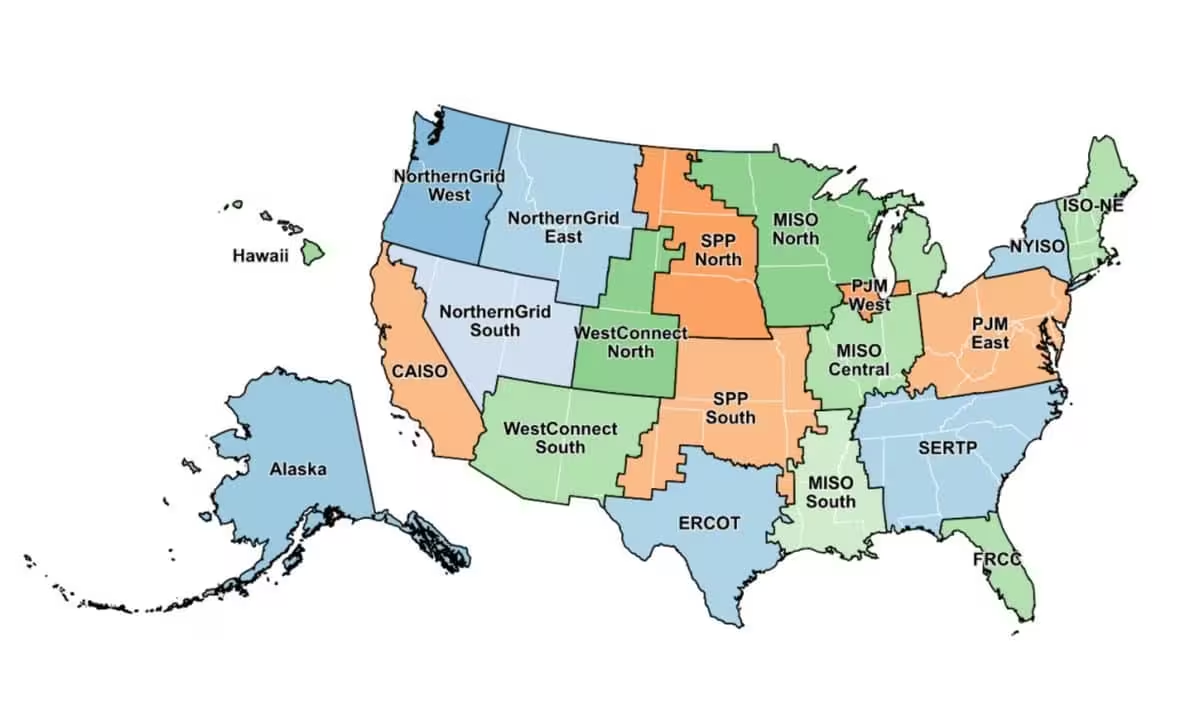
Energy Secretary Chris Wright authorized the emergency measure to ensure the grid remains stable, though officials emphasized that this does not signal an immediate threat of widespread blackouts. However, consumers in the region may be asked to voluntarily limit non-essential power usage during peak hours to ease the strain. Part of the strategy includes leveraging backup power sources typically reserved for data centers and industrial sites to support the wider network during the current crunch.
This localized crisis reflects a national trend. A prior White House emergency declaration regarding the bulk-power system explicitly cited the rapid scaling of AI infrastructure as a major factor in current grid vulnerabilities.
Infrastructure Bottlenecks in the Pacific Northwest
The transmission crisis is not limited to PJM’s territory. In Washington and Oregon, ambitions for a rapid transition to renewable energy are colliding with a severe lack of transmission capacity. Despite clear environmental goals, both states currently lag in getting new clean energy projects operational.
Much of the region’s transmission backbone is managed by the federal Bonneville Power Administration. Experts argue that the agency has failed to expand capacity quickly enough to accommodate the surge in green energy projects waiting to connect to the grid. Oregon state Rep. Mark Gamba recently criticized the current management of these systems, noting in comments to Oregon Public Broadcasting that the failure to invest in infrastructure threatens both climate targets and local reliability.
“The people who, technically speaking, are in charge of our transmission system are dropping the ball,” Gamba said. “We are absolutely looking at rolling blackouts, and we are absolutely looking at not hitting any of our climate targets when it comes to energy production.”
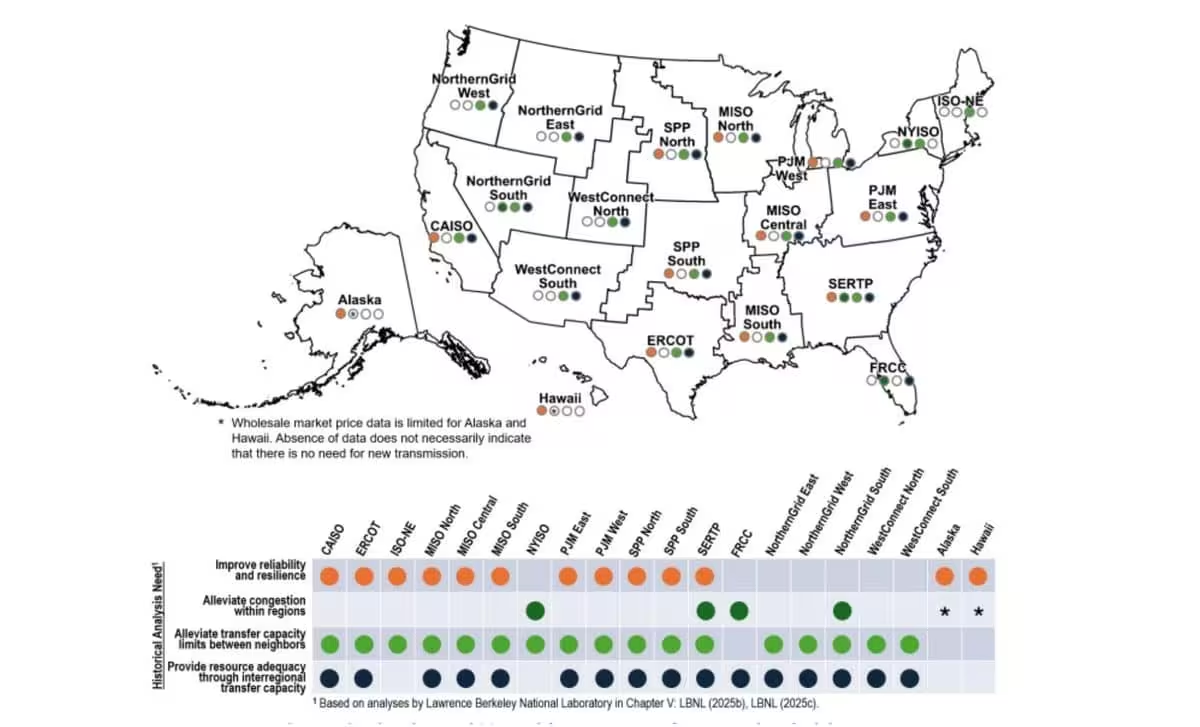
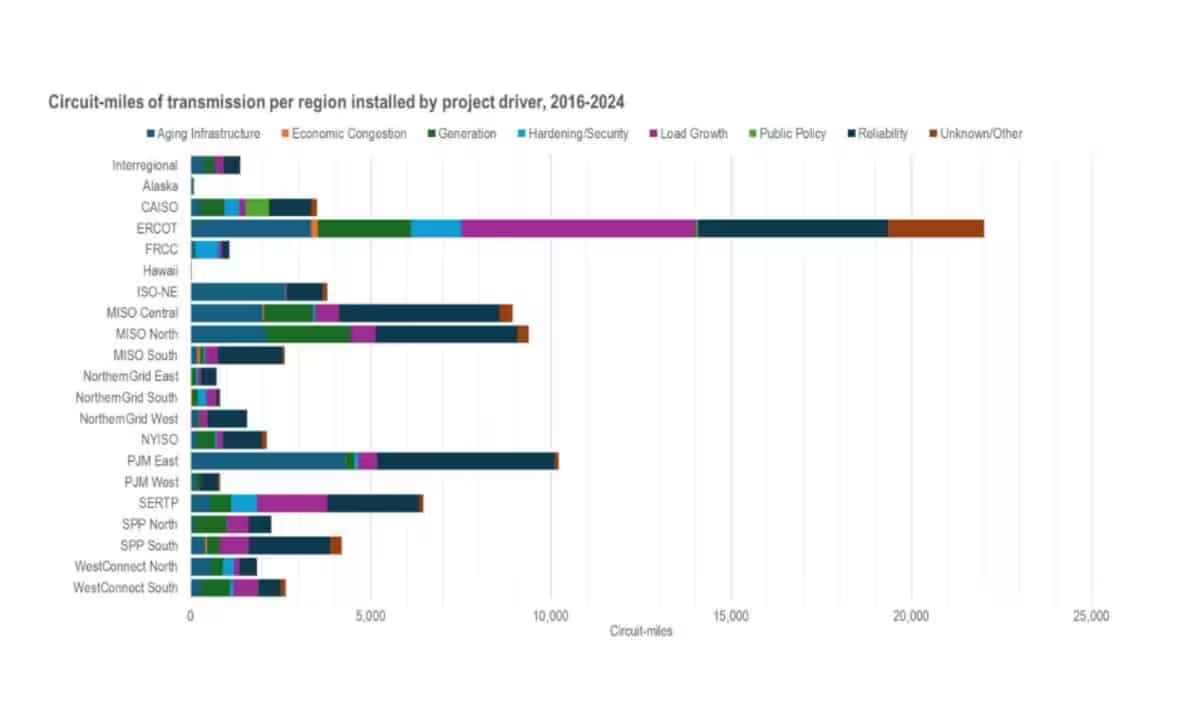
The situation is compounded by the high energy requirements of local tech hubs; data centers now account for roughly one-quarter of all electricity consumption in Oregon. Environmental scientist Dana Nuccitelli, writing for Yale Climate Connections, highlights that the United States faces a monumental task: it must double or quadruple transmission capacity by 2050. Achieving this requires building roughly 5,000 miles of new lines every year—a massive acceleration compared to the nine years it previously took to complete a similar distance of infrastructure.
Regulatory Gridlock and Uncertain Future
Efforts to streamline the construction of high-voltage lines have become a flashpoint for political disagreement. While the Department of Energy previously identified “National Interest Electric Transmission Corridors” (NIETCs) as a key tool for fast-tracking development, Secretary Wright has since announced the cancellation of three such projects.
“Transmission policy must serve the American people—not special interests or a climate-alarmist agenda that drives up costs, worsens reliability, and disregards the concerns of local communities,” Wright stated, signaling a sharp shift away from the previous administration’s planning initiatives.
Legislative efforts to solve this, such as the failed Energy Permitting Reform Act of 2024, remain in limbo. That bill sought to transfer permitting authority to the Federal Energy Regulatory Commission (FERC) to bypass political volatility. Meanwhile, FERC has independently pushed forward with Order No. 1920, which mandates that providers engage in long-term planning for future infrastructure needs. Other proposals, such as the Bipartisan American Affordability and Jobs Act, suggest requiring data centers to shoulder the costs of the transmission lines they necessitate.
Ultimately, the country possesses both the generation capacity and the desire for cleaner energy, but the physical connections required to bridge that gap remain insufficient. As the debate over permitting and financing continues, grid operators are increasingly left to manage the system one emergency order at a time.
This article has been fact checked for accuracy, with information verified against reputable sources. Learn more about us and our editorial process.
Last reviewed on .
Article history
- Latest version
Cite this page:
- Posted by Mary Johnson