Divers Uncover Medieval Silk Road City Beneath Kyrgyzstan’s Lake Issyk‑Kul
Divers discover a submerged medieval city in a remote mountain lake, revealing centuries‑old ruins hidden beneath the water.
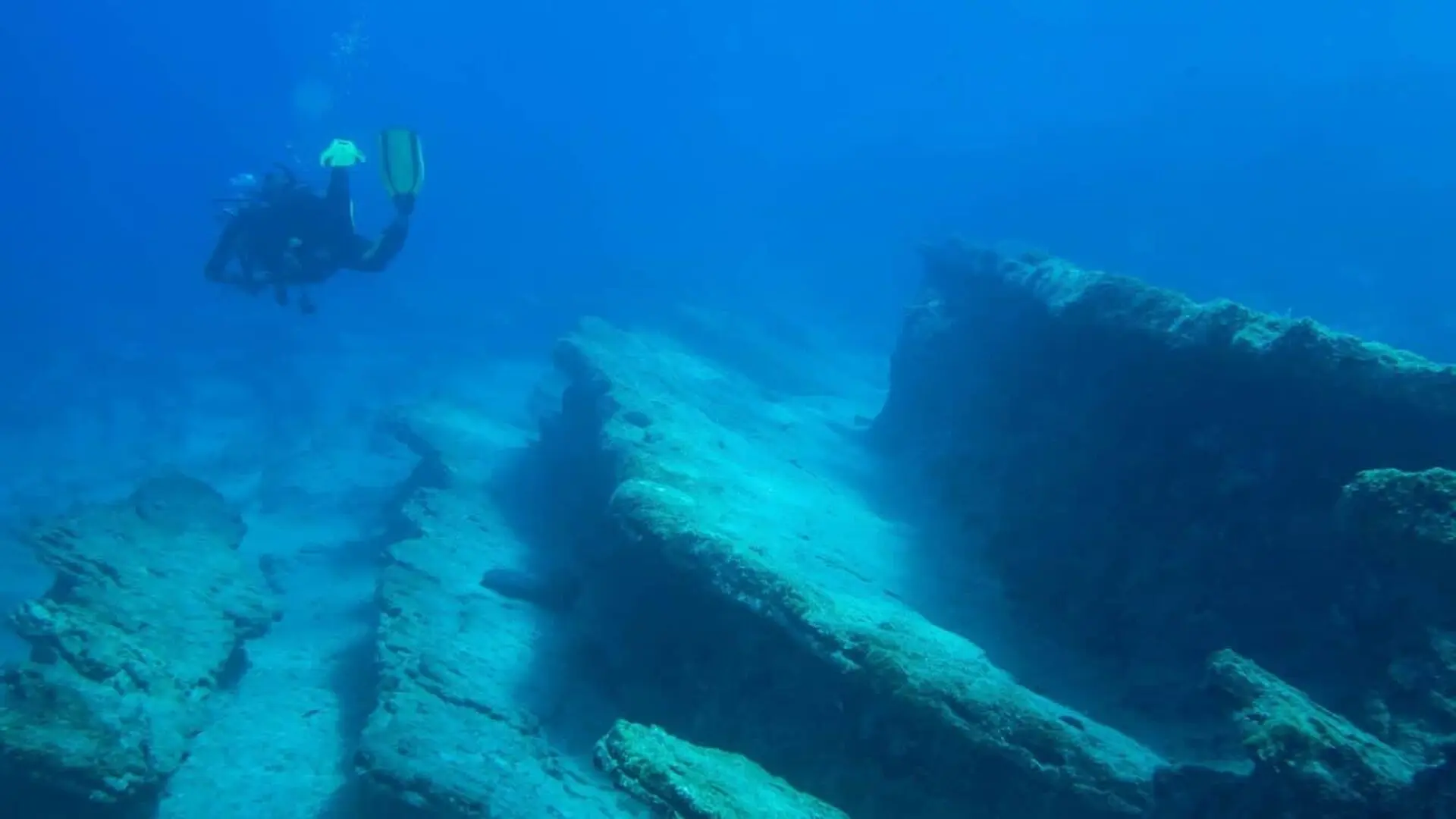
Underwater archaeologists probing the depths of Kyrgyzstan’s Lake Issyk‑Kul have recovered fresh evidence of a medieval urban centre that vanished beneath the lake more than six centuries ago.
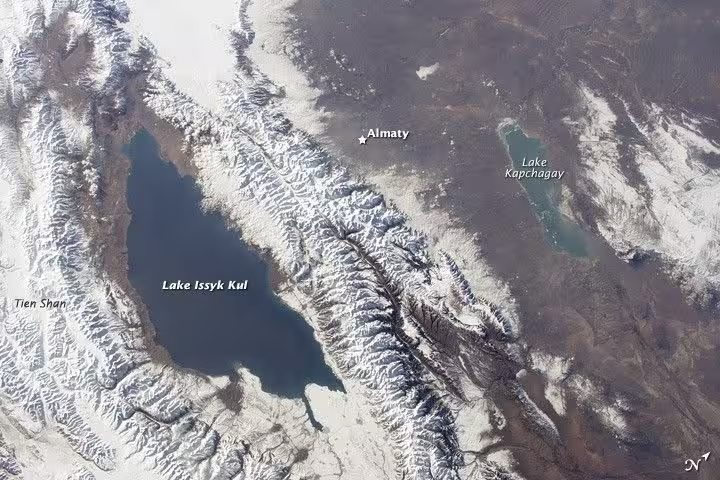
The lake, long linked to tales of submerged habitations, sits in a corridor that once formed a key segment of the Silk Road linking China with the West. In 2025 an international dive team returned to a previously identified site, aiming to test the hypothesis that the location, known as Toru‑Aygyr, was a bustling hub rather than a modest shoreline village.
Submerged Structures and Objects Reveal Urban Life
Working at depths of up to 13 feet, the researchers documented a range of architectural and material remains. According to the Russian Geographical Society, the expedition uncovered brick walls, wooden timbers, ceramic sherds and a stone millstone that likely ground grain into flour.
Among the features is a sizable building with decorative exterior work. Its exact function is still debated, with possibilities ranging from a mosque or bathhouse to a small madrasa.
“The monument under study is a city or a large commercial agglomeration on one of the important sections of the Silk Road,” Valery Kolchenko, head of the host country’s underwater expedition, said in a statement released by the Russian Geographical Society.
These submerged stonework and timber beams have survived for centuries, offering a snapshot of a community that once thrived before disappearing from the historical record.
Evidence of a Forgotten Settlement
A notable find was a Muslim necropolis dated to the 13th or 14th century. The team warned that lake currents are actively eroding the burial zone, underscoring its fragility as a source of data.
Two interments were oriented toward Mecca, reflecting customary Islamic funerary practice. Adjacent to these graves, researchers identified an older burial field accompanied by rounded and rectangular stone constructions.

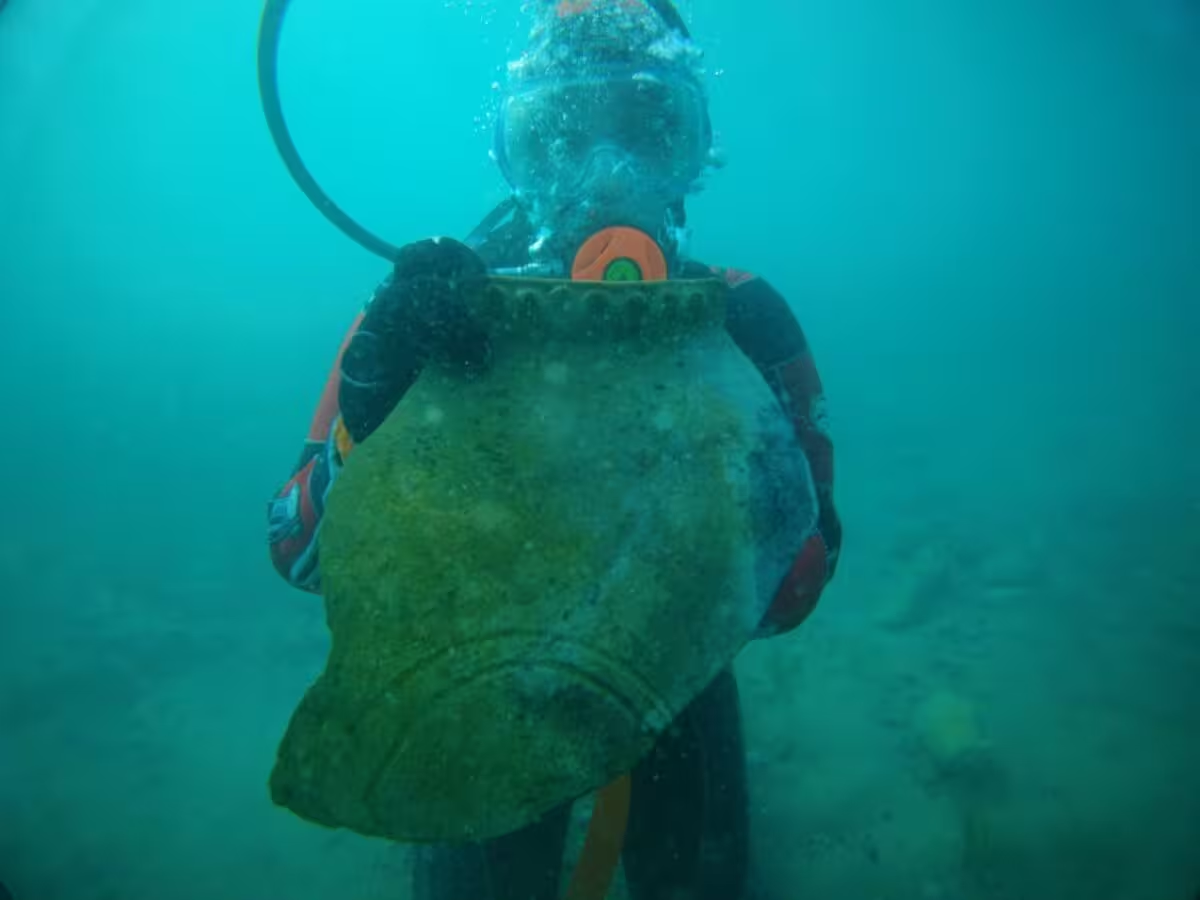
The divers also retrieved a collection of artefacts, including pottery fragments and a fully intact vessel that remained remarkably well preserved.
Seismic Event Likely Sank the City
Scientists attribute the submergence of Toru‑Aygyr to a major earthquake that struck the region in the early 15th century. Kolchenko noted that the settlement may already have been in decline, but the quake accelerated its abandonment and the subsequent flooding.
Maksim Menshikov of the Institute of Archaeology of the Russian Academy of Sciences explained that the area fell under the Karakhanid dynasty around the 10th century. While the Turkic rulers embraced a mix of faiths, the elite eventually converted to Islam.
Menshikov added that Islam spread widely across Central Asia during the 13th century under the Golden Horde, a trend reflected in the Toru‑Aygyr finds. He also highlighted that the Karakhanids controlled the Silk Road corridor that passed through the Issyk‑Kul basin.
“The Chinese considered this territory a zone of their interests, but they could not control it. Nevertheless, we see that this location is reflected in Chinese sources. This gives us hope to correlate historical materials with the results of our archaeological excavations,” he added.
This article has been fact checked for accuracy, with information verified against reputable sources. Learn more about us and our editorial process.
Last reviewed on .
Article history
- Latest version
Reference(s)
- “Archaeologists have Discovered a 13th–14th –Century Muslim Necropolis under the Waters of Lake Issyk-Kul.”, October 19, 2025 Russian Geographical Society <https://rgo.ru/en/activity/redaction/news/archaeologists-have-discovered-a-13th-14th-century-muslim-necropolis-under-the-waters-of-lake-issyk/>.
- <https://www.researchgate.net/profile/Valerii-Kolchenko>.
- <https://moscowstate.academia.edu/MaximMenshikov>.
Cite this page:
- Posted by Vikram Desai