L‑Shaped Anomaly Discovered Beneath Giza’s Western Cemetery May Reveal Hidden Passage
L-shaped underground find near the Great Pyramid could uncover hidden structures in Egypt’s famed cemetery, offering fresh insights into ancient tombs.
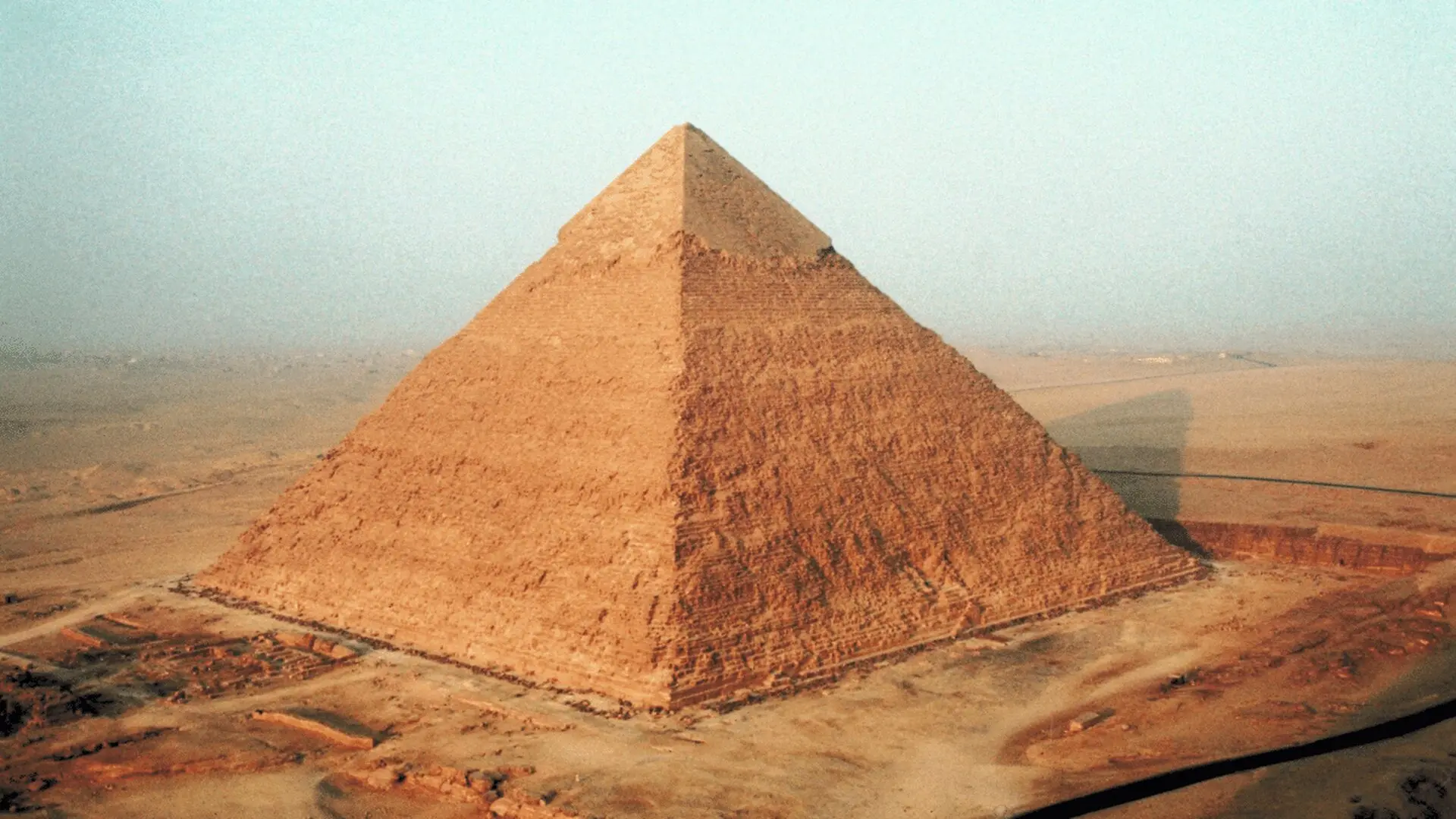
A recent geophysical survey conducted close to the Great Pyramid of Giza has identified a striking L‑shaped subsurface feature that could signal a previously unknown structure hidden beneath the desert sands. Researchers employed high‑resolution ground‑penetrating radar (GPR) together with electrical resistivity tomography (ERT) to map the anomaly, findings that appear in the latest issue of Archaeological Prospection.
Western Necropolis Survey Reveals an Unusual Subsurface Shape
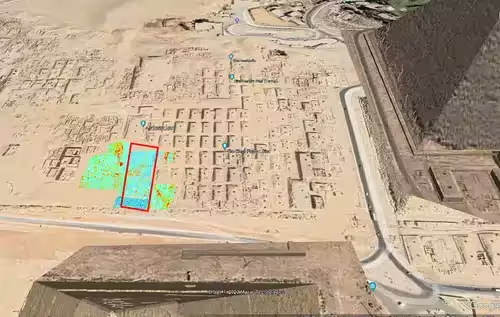
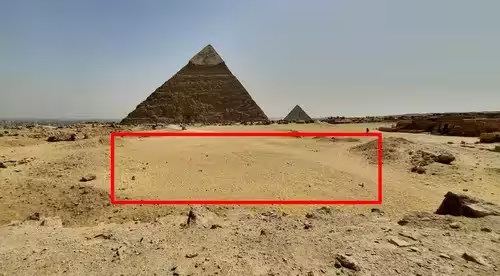
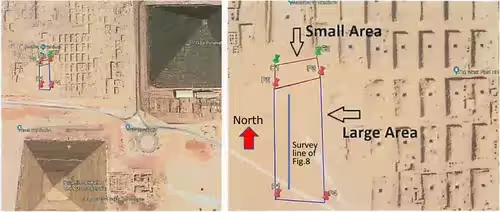
The investigation was directed by Motoyuki Sato of Tohoku University, who chose a relatively under‑explored sector of the Western Cemetery—an elite burial ground situated west of the Great Pyramid. This locale has historically served as the final resting place for members of the royal family and senior officials. The study notes that initial GPR and ERT scans uncovered an unexpected signal in the northern part of the surveyed grid.
“The Western Cemetery at Giza is known as an important burial place of members of the royal family and high‑class officers. In the initial survey by GPR and ERT we found an anomaly in the north of the survey site. The area of the anomaly could be established approximately, but the structure and the location were unclear.”
The detected feature extends roughly 33 feet in length, sits about 6.5 feet below the present ground level, and rests atop a deeper, more ambiguous layer detected between 16 and 33 feet underground. Its angular geometry suggests intentional construction rather than a natural formation, prompting speculation that it could be part of an undiscovered tomb or a gateway to a larger subterranean complex.
Radar Pulses and Resistivity Maps Paint a Detailed Subsurface Portrait
Ground‑penetrating radar transmits short electromagnetic bursts into the earth, detecting variations in material density, while electrical resistivity tomography measures how underground layers conduct electrical currents. By overlaying the two data sets, researchers can generate a three‑dimensional picture of hidden structures without disturbing the site.
“It may have been an entrance to the deeper structure.” However, the team stresses that “may” is a cautious qualifier. The surveys cannot determine the composition of the anomaly, nor can they confirm its full extent without excavation. As they put it, “From the survey results, we cannot determine the material causing the anomaly, but it may be a large subsurface archaeological structure.”
These statements underline the tentative optimism of the authors: the feature could represent a significant architectural element, but its exact role remains to be verified through careful digging.
What the Find Means for Giza’s Western Cemetery
The presence of an L‑shaped anomaly invites scholars to rethink the archaeological potential of the Western Cemetery’s less‑visible zones, which have often been bypassed because they lack conspicuous surface monuments. The feature could correspond to a forgotten tomb, a ritual chamber, or a conduit leading to a more extensive underground complex concealed beneath centuries of sand.
The authors of Archaeological Prospection emphasize that their observations differ from sensational claims about massive hidden chambers beneath other pyramids, which have attracted criticism for lacking rigorous peer review. Their GPR/ERT results are published in a refereed journal and rest on reproducible scientific methods. The next phase, they say, will involve a measured excavation to determine the true nature of the subsurface structure.
Geophysical Tools Reshape the Future of Archaeology
The Giza case illustrates a broader shift in archaeological practice: modern, non‑invasive techniques are enabling scholars to revisit sites once thought fully documented. Similar approaches have uncovered Viking ship remains in Norway, revealed hidden Amazonian settlements, and mapped entire Roman towns, demonstrating the transformative impact of GPR and ERT across diverse cultural landscapes.
By integrating precise instrumentation with disciplined fieldwork, researchers are increasingly able to detect subtle underground signatures that complement, rather than replace, the grand monuments that dominate the historical record. This synergy promises a richer, more layered understanding of ancient societies worldwide.
This article has been fact checked for accuracy, with information verified against reputable sources. Learn more about us and our editorial process.
Last reviewed on .
Article history
- Latest version
Reference(s)
- Sato, Motoyuki., et al. “GPR and ERT Exploration in the Western Cemetery in Giza, Egypt.” Archaeological Prospection, vol. 31, no. 2, May 5, 2024, pp. 187-198. Wiley, doi: 10.1002/arp.1940. <https://onlinelibrary.wiley.com/doi/10.1002/arp.1940>.
Cite this page:
- Posted by Vikram Desai