Scientists Uncover Unique 6th‑Century Poseidon Temple Hidden in Greek Swamp
Temple’s architecture and ritual artifacts unearthed, helping researchers reconstruct its centuries‑old story from ancient texts.
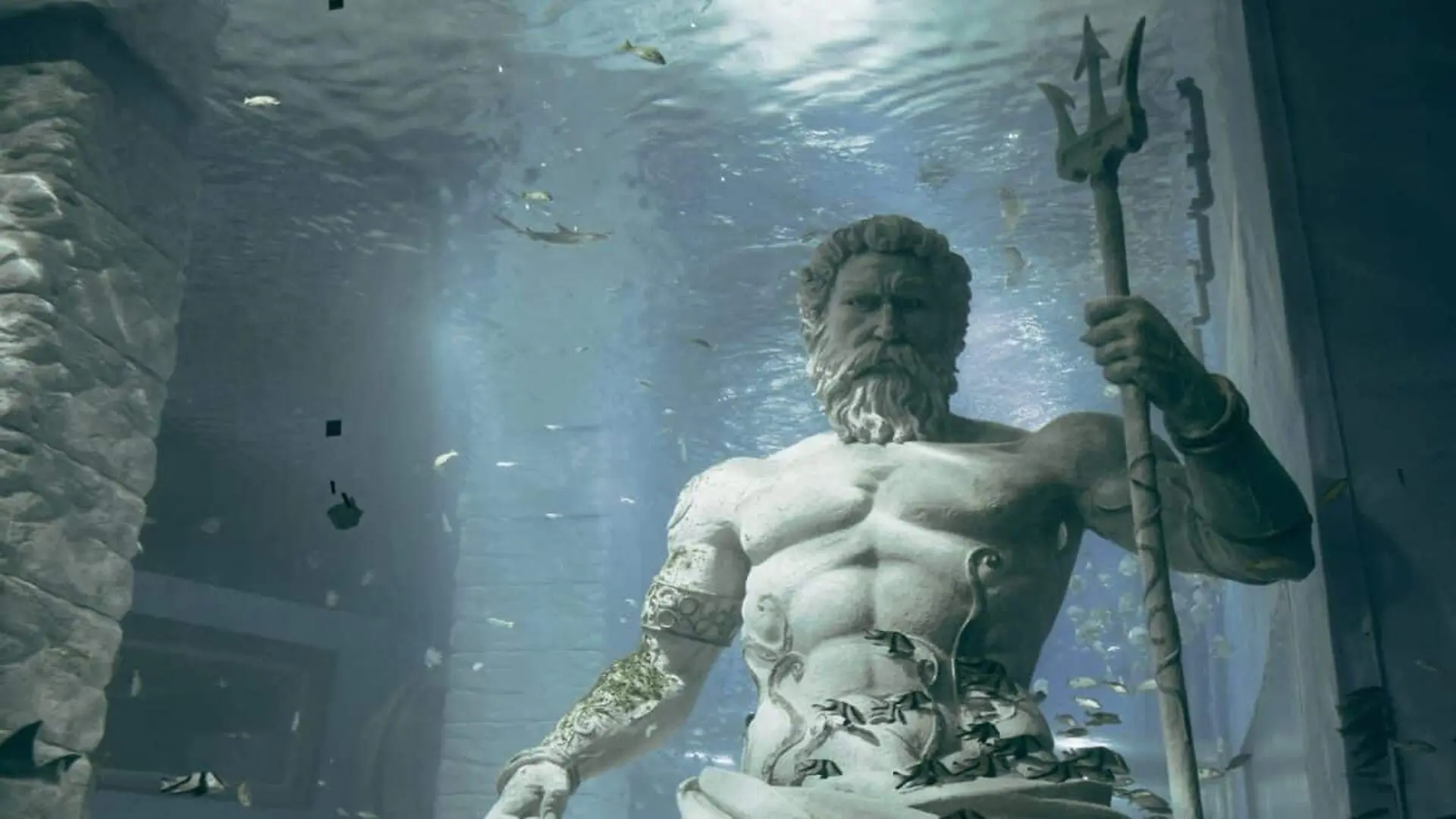
Nestled in the Elis region close to the Gulf of Kyparissia, a once‑prominent sanctuary has emerged from the ground, revealing an atypical temple footprint, evidence of successive repairs, and a range of ritual paraphernalia.
Classical geographer Strabo mentioned the shrine in Book 8 of his Geographika, noting its position among sacred olive groves and on a hillside that looks over the coastal plain. The complex served the nearby poleis of Lepreum, Macistus and Phrixa as a shared place of worship.
In antiquity, the sea lay nearer to the site than it does today, a setting that matched Poseidon’s domain, which Greeks associated with oceans, rivers, springs, lakes and marshes alike.
Historical Records Pinpoint the Temple Site
The hunt for the sanctuary gained momentum in the early 1900s when German archaeologist Wilhelm Dörpfeld turned his attention to the Kleidi‑Samikon area adjacent to the former Agoulenitsa Lagoon.
According to Popular Mechanics, Dörpfeld uncovered signs of a sizable ancient structure, including a thick double‑faced wall that may have formed part of a defensive dam. The surrounding wetlands, which stretched toward the limestone elevations of Kleidi, limited his access and left much of the complex concealed.
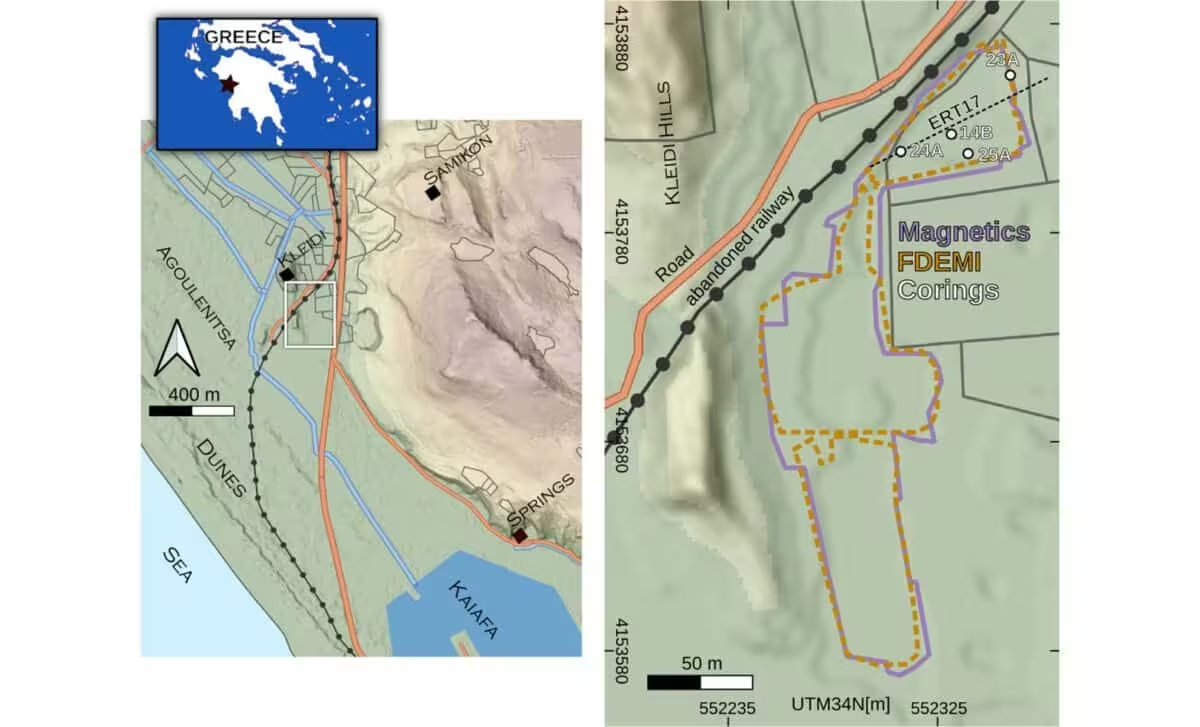
Although his work was hampered by the marshes, Dörpfeld’s discoveries offered the first tangible clues that Strabo’s described sanctuary could be located here. Subsequent drying of the wetlands exposed foundation stones, confirming the existence of a substantial ancient building.
Unconventional Architectural Plan Defies Greek Norms
Scholars date the sanctuary’s construction to the 6th century BCE. The stone footings outline a rectangular edifice roughly 92 feet long and 33 feet wide.
What sets the building apart is its internal arrangement. The layout appears to have comprised two main chambers accessed through a pronaos (vestibule) and terminated by a rear hall—a configuration that archaeologists say is unlike any other known Greek temple.
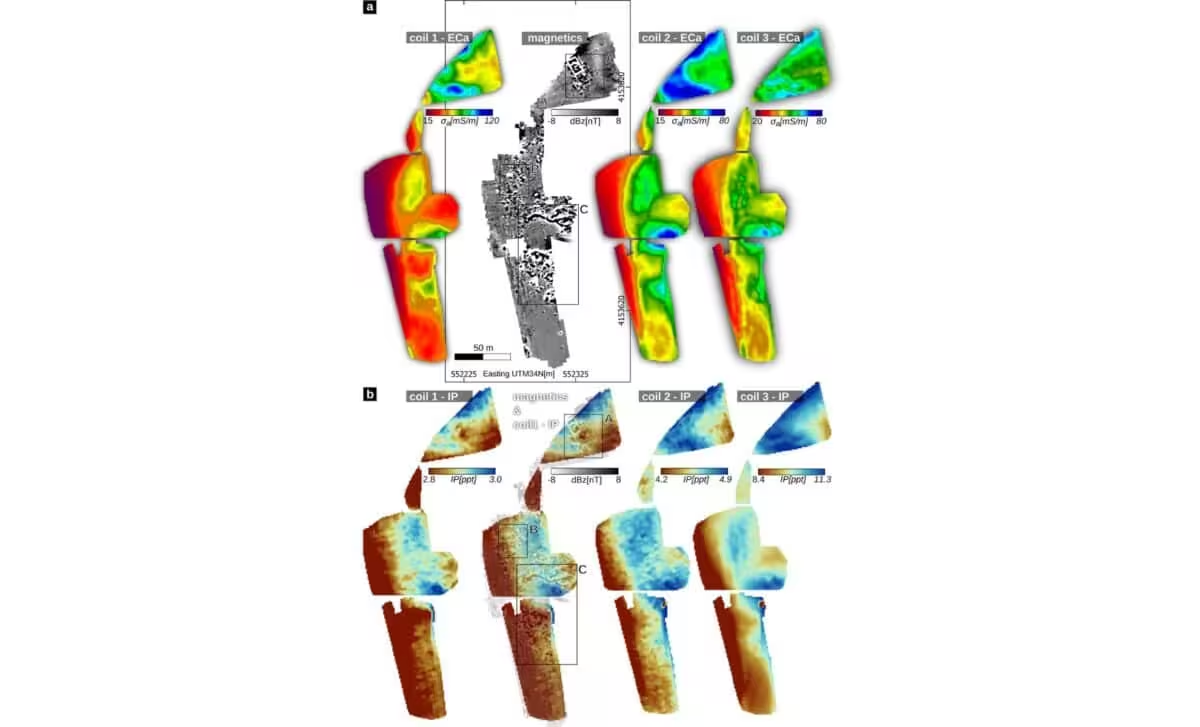
The purpose of the twin chambers remains debated. One theory suggests separate dedications—perhaps Poseidon in one room and another deity in the second. An alternative view proposes that a single space hosted assemblies of representatives from Lepreum, Macistus and Phrixa.
Walls were built at least two feet thick, and excavators uncovered columns set on deep bases. The roof employed a Laconian style with curved terracotta tiles, a technique still visible on many Greek structures today.
Finds and Renovations Illuminate the Sanctuary’s Past
Among the items recovered is a marble perirrhanterion, a basin shaped like a bronze cauldron that would have been used for ritual cleansing. The piece underscores the ceremonial role of the sanctuary.
Archaeologists also retrieved painted shards from a Late Classical kantharos dating to the 4th century BCE. Although the original two handles are missing, the vessel’s form suggests a possible religious function; however, no direct link to Dionysian worship has been established.
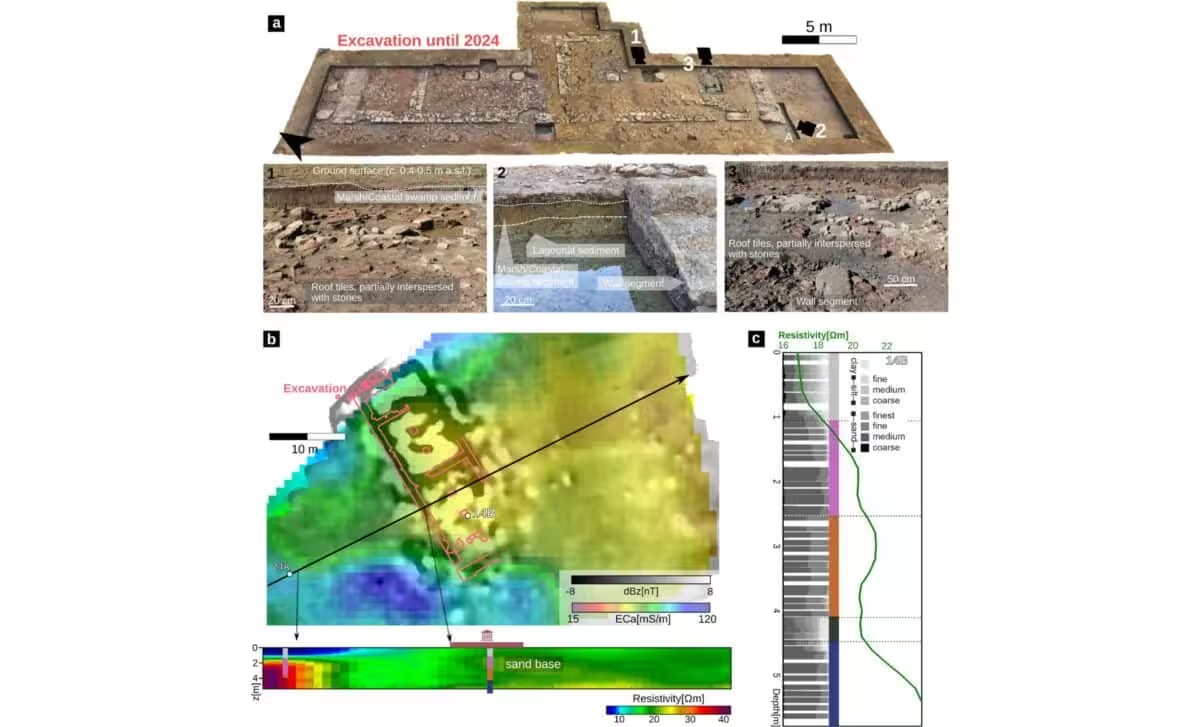
A bronze plaque bearing an inscription was also found affixed to a temple wall. The text has yet to be deciphered, though ongoing conservation may render it readable.
The sanctuary underwent extensive remodeling between the late 4th century BCE and the 3rd century BCE. Workers replaced damaged roof tiles and laid a new floor over the old material, a measure that likely helped stabilize the site against groundwater intrusion. Excavation work is slated to continue through the remainder of 2026, with scholars aiming to further document the ancient complex and its layers of use.
This article has been fact checked for accuracy, with information verified against reputable sources. Learn more about us and our editorial process.
Last reviewed on .
Article history
- Latest version
Reference(s)
- “Strabo: The First Geographer.”, December 3, 2025 History Today <https://www.historytoday.com/archive/history-matters/strabo-first-geographer>.
- “Home.” <https://penelope.uchicago.edu/Thayer/E/Roman/Texts/Strabo/home.html>.
- Wilken, Dennis., et al. “Poseidon's Sanctuary at Samikon—The Discovery of an Ancient Temple Through an Integrated Geophysical and Geoarchaeological Survey Approach for Lagoonal and Swampy Environments.” Archaeological Prospection, May 13, 2026 Wiley, doi: 10.1002/arp.70050. <https://onlinelibrary.wiley.com/doi/10.1002/arp.70050>.
- Rayne, Elizabeth. “A Greek Temple Sank Into a Swamp 2,500 Years Ago. Scientists Think They Found It..”, June 17, 2026 Popular Mechanics <https://www.popularmechanics.com/science/archaeology/a71566118/lost-poseidon-temple/>.
- “Temple Architectural Features.” <https://webhelper.brown.edu/joukowsky/courses/greekpast/4895.html>.
- “D181063b 573e 4043 A81b 40e9640a06f6.” <https://repositories.lib.utexas.edu/items/d181063b-573e-4043-a81b-40e9640a06f6>.
- “Kerameikos.org: Kantharos.” <https://kerameikos.org/id/kantharos>.
Cite this page:
- Posted by Vikram Desai