NASA Engineers Unlock New Power Strategy to Keep Voyager 2 Exploring Interstellar Space
NASA engineers tweak Voyager 2’s operations to extend its interstellar data collection, ensuring continued insights from deep space.
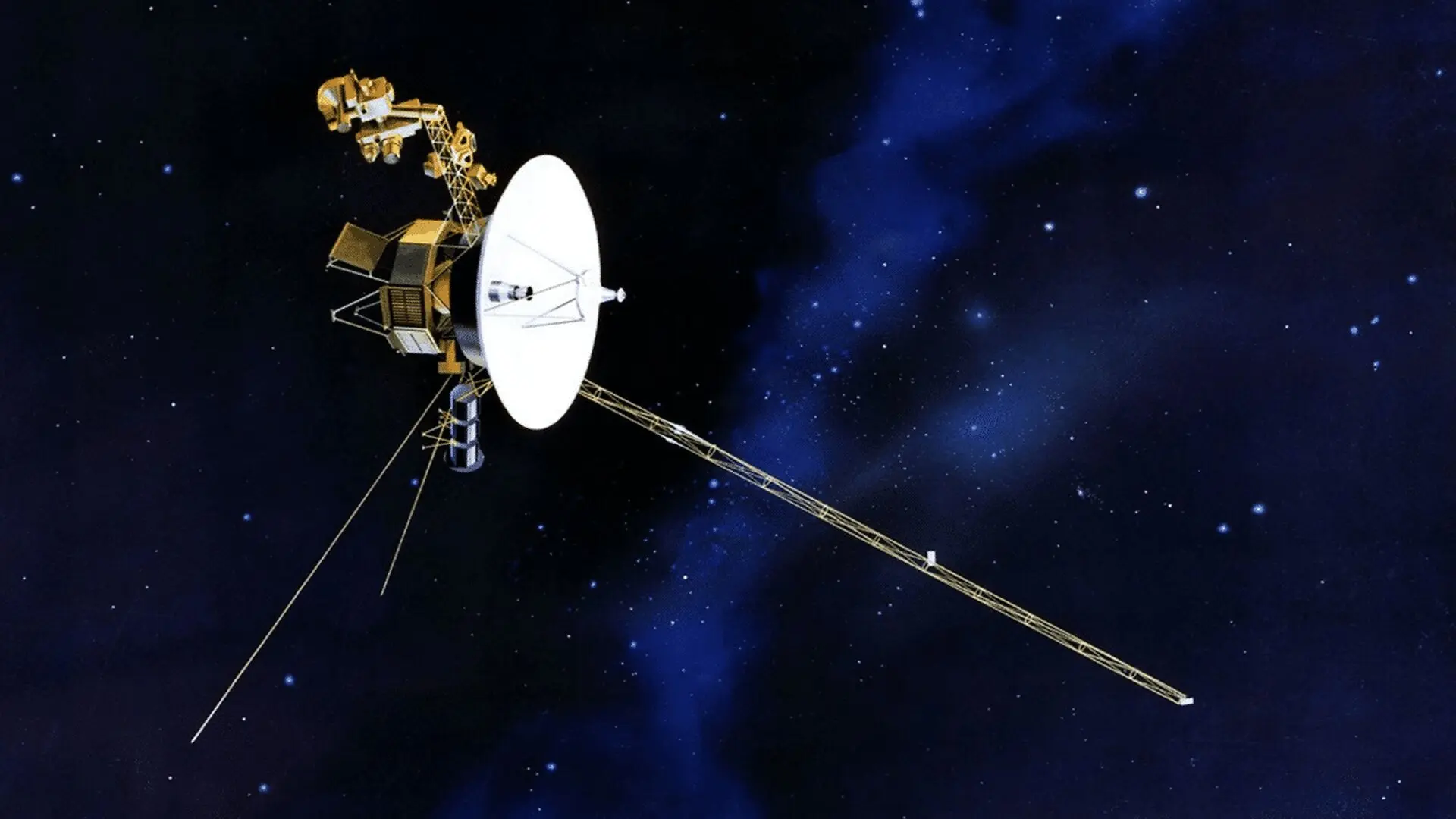
NASA has announced a fresh power‑conservation technique that will let the half‑century‑old Voyager 2 spacecraft keep gathering data from the fringes of interstellar space, even as its onboard generator continues to lose output.
Innovative Power‑Saving Protocol Extends Voyager 2’s Mission Life
Voyager 2 depends on a radioisotope thermoelectric generator (RTG) that has been delivering electricity since the probe’s launch in 1977. Over time the RTG’s heat source diminishes, forcing engineers to prioritize which subsystems stay powered.
To address the dwindling energy budget, NASA’s team has devised a set of operational tweaks that shift power away from non‑essential components while preserving the functionality of key scientific instruments. The plan involves re‑sequencing command cycles, reducing instrument duty cycles, and fine‑tuning thermal controls to squeeze every possible watt.
Mission controllers continuously monitor telemetry, run detailed simulations, and issue commands that travel more than 20 hours to the distant probe before arriving. Each adjustment must be vetted against models that incorporate the spacecraft’s four‑decade‑old hardware and the harsh conditions of deep space.
The success of this approach demonstrates that spacecraft designed for relatively short campaigns can remain scientifically productive when engineers apply creative resource‑management tactics.
Voyager 2’s Ongoing Exploration of Interstellar Space
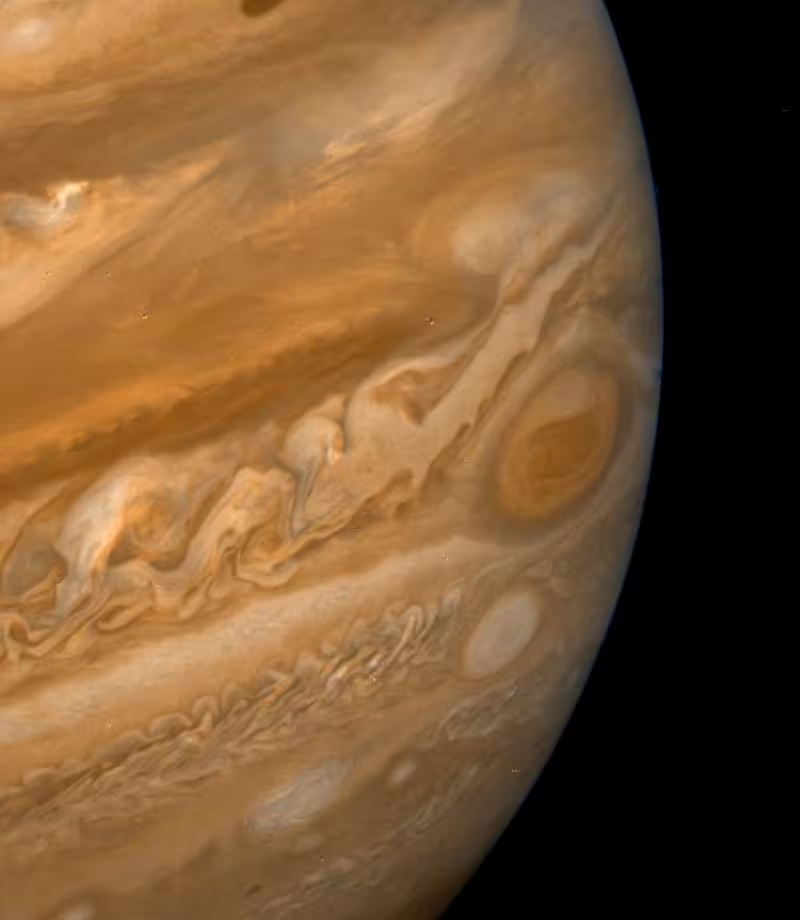
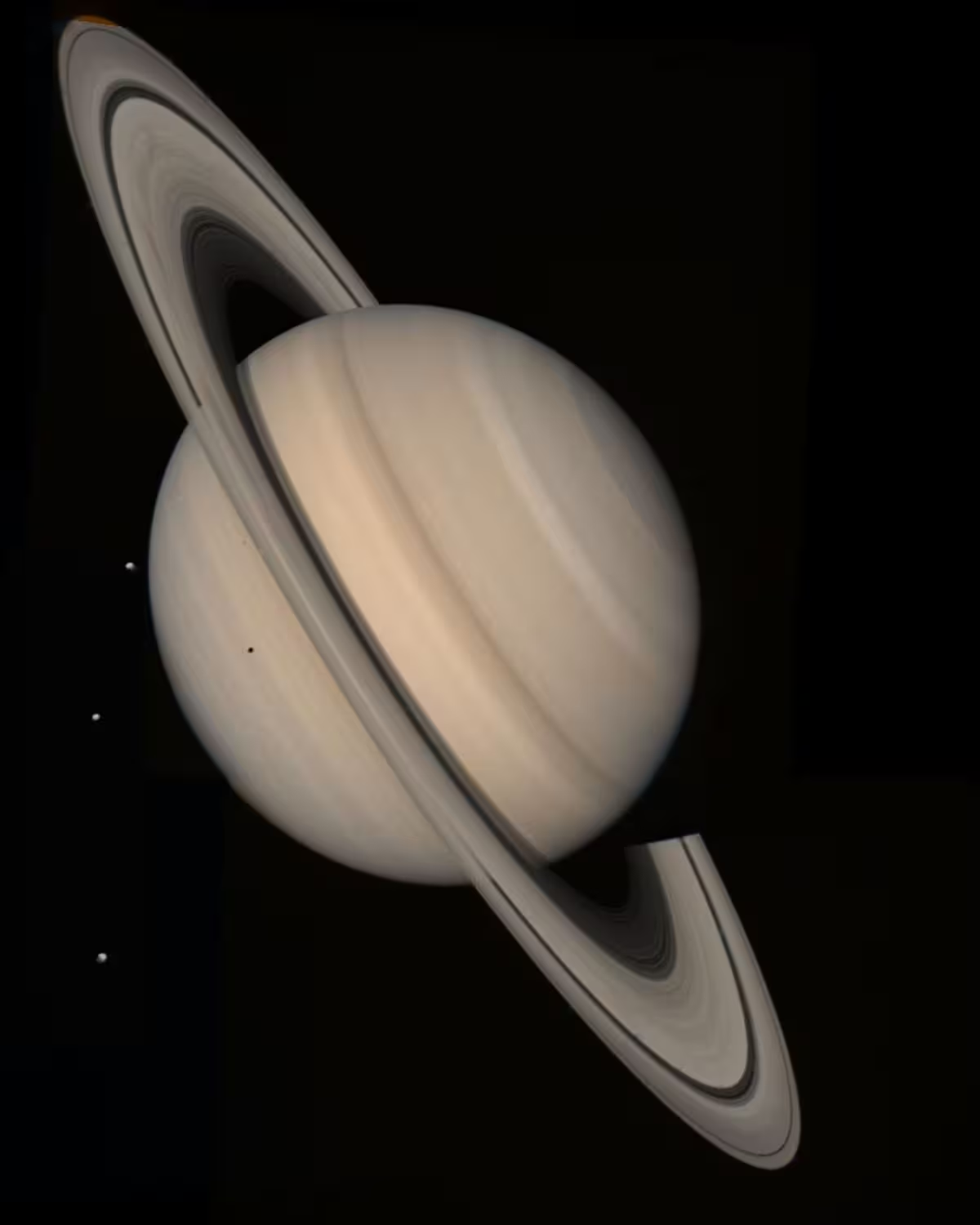
Having visited every giant planet, including the only close fly‑bys of Uranus and Neptune, Voyager 2 pressed onward after completing its primary objectives. The probe eventually breached the heliopause, the outer boundary of the Sun’s solar‑wind bubble, in 2018, joining its twin Voyager 1 as the second human‑made object to venture into interstellar space.
From its current location, the spacecraft’s suite of particle detectors, magnetometers, and plasma instruments records conditions that lie beyond the Sun’s direct influence. These measurements help scientists map the transition from the heliosphere to the broader galactic environment, offering insights that cannot be obtained from nearer‑Earth missions.
Even modest data returns from this remote outpost add valuable pieces to the puzzle of how stellar winds interact with surrounding interstellar material, a process that shapes the environments of countless planetary systems.
A Five‑Decade Record of Robotic Endurance
Voyager 2’s ability to stay in contact with Earth after nearly 50 years is a testament to the robustness of 1970s engineering combined with contemporary mission oversight. The probe’s radio link requires signals to travel more than 20 hours each way, compelling flight controllers to anticipate system needs well before they become critical.
The ongoing effort to keep the spacecraft alive underscores the importance of long‑duration missions: when teams devise ways to extend hardware lifespans, historic probes can continue delivering discoveries well beyond their original timelines.
Future Prospects for Science at the Solar System’s Edge
Looking ahead, NASA will regularly assess which instruments can remain active as power dwindles further. Each additional observation from Voyager 2 enriches humanity’s picture of the interstellar frontier, a region that remains out of reach for most current telescopes and probes.
The probe’s perseverance illustrates how innovative engineering can sustain legacy missions, allowing them to contribute fresh knowledge from the very limits of human exploration.
This article has been fact checked for accuracy, with information verified against reputable sources. Learn more about us and our editorial process.
Last reviewed on .
Article history
- Latest version
Cite this page:
- Posted by Aisha Ahmed