Rubin’s Giant 3.2‑Gigapixel Camera Unveils Half a Million Galaxies in a Single Shot
Rubin Observatory’s new camera reveals a deep‑field image of over 500,000 galaxies, offering an unprecedented view of the cosmos.
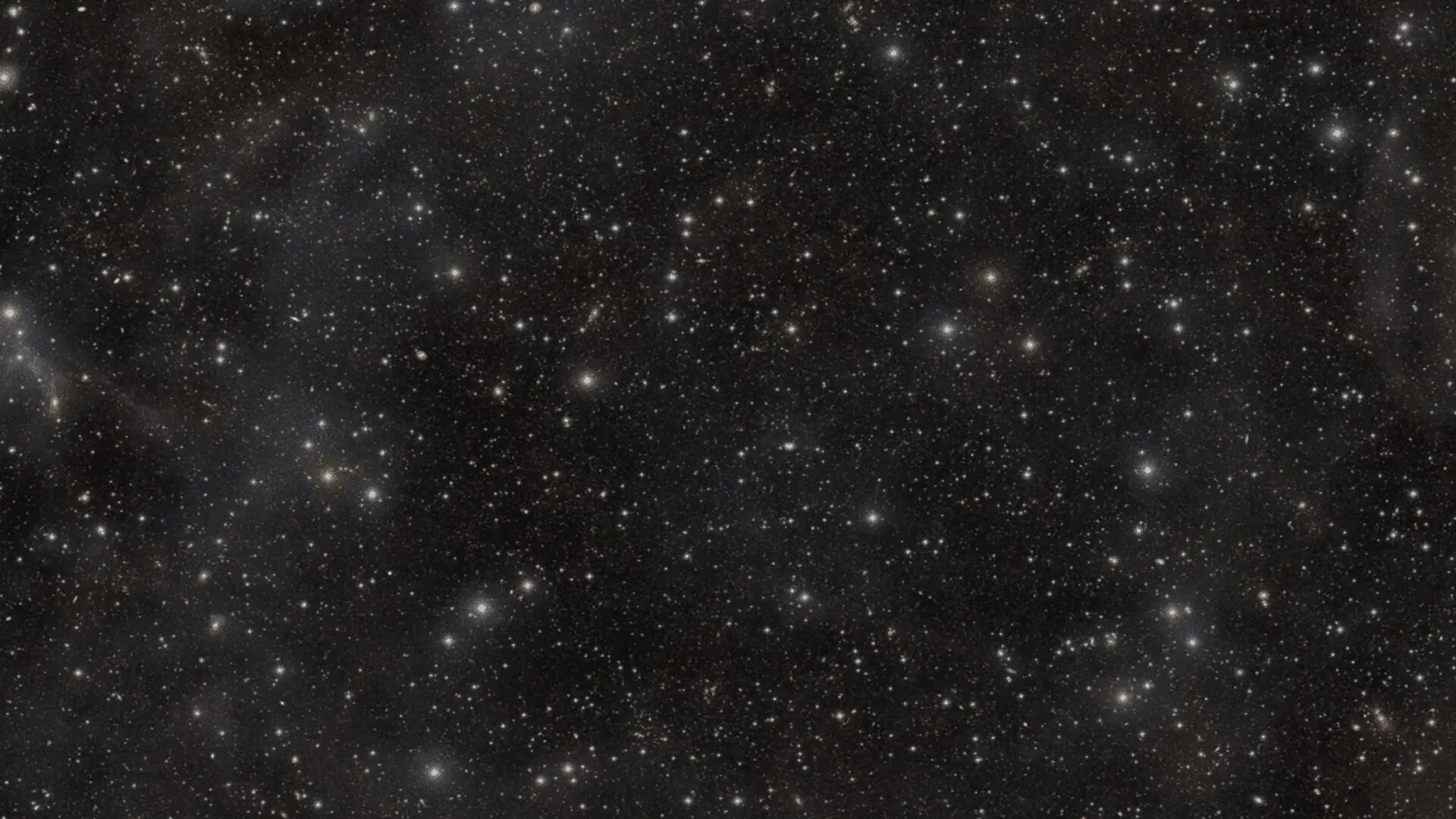
Vera C. Rubin Observatory has released its inaugural ultra‑deep exposure captured by the 3.2‑gigapixel camera, unveiling a tapestry of more than 500,000 galaxies and illustrating the scientific promise of the forthcoming Legacy Survey of Space and Time (LSST).
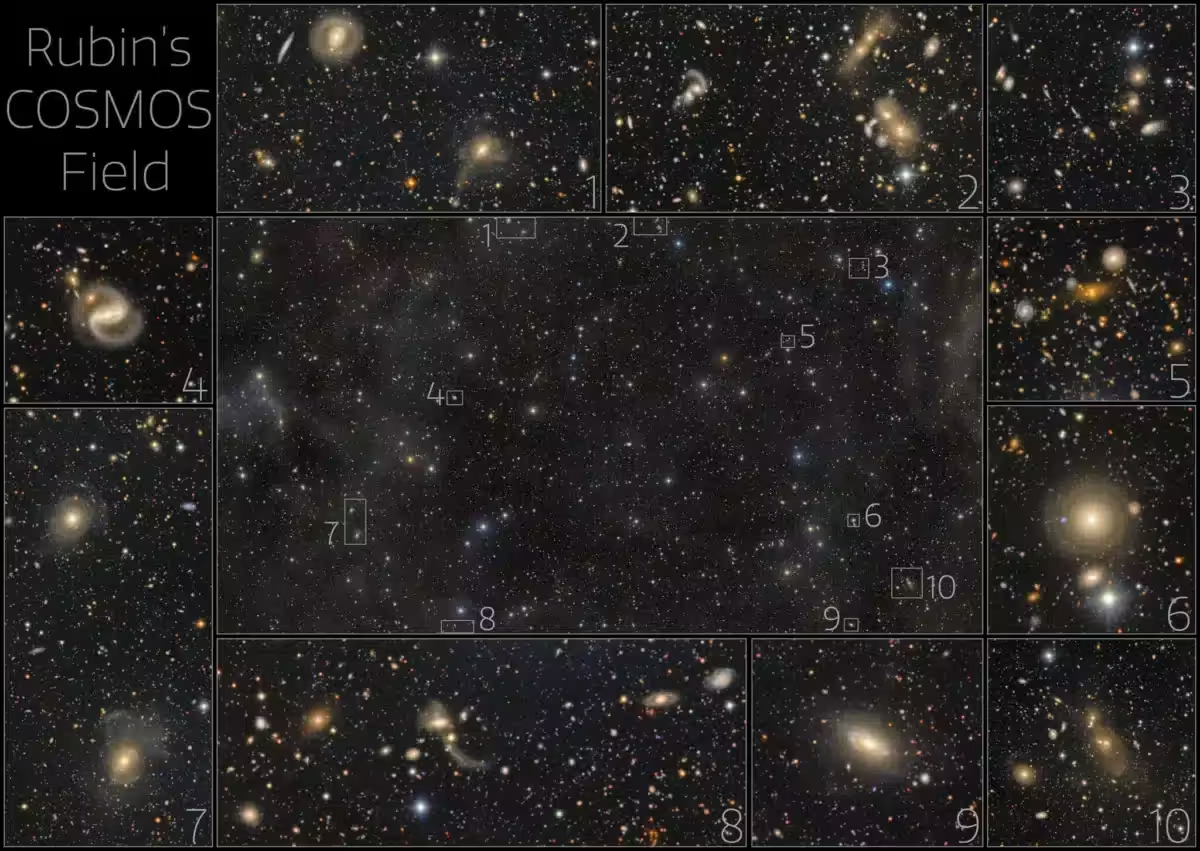
Targeting the heavily studied COSMOS field, the Simonyi Survey Telescope demonstrated its capacity to amass an unprecedented volume of data in a single shot, marking a pivotal step as the facility readies for a systematic sweep of the southern celestial sphere and the assembly of one of the most extensive astronomical archives ever compiled.
First Ultra‑Deep Portrait of the COSMOS Region
The newly unveiled image, accessible via the Rubin Observatory, depicts a densely packed sky segment teeming with hundreds of thousands of distant galaxies. The camera’s extraordinary resolution enables scientists to survey a broad swath of the heavens while retaining the fine structural details essential for probing galaxy morphology and evolutionary history across billions of light‑years.
Because the COSMOS patch has already been examined by a multitude of space‑ and ground‑based missions, it offers a robust benchmark for aligning Rubin’s future observations with legacy data, facilitating longitudinal studies that can track subtle changes over time.
In the full LSST campaign, the telescope will revisit the same celestial coordinates repeatedly, producing a dynamic chronicle of transient phenomena, variable stars, and distant explosive events that single‑epoch surveys would miss.
NOIRLab Highlights the Observatory’s Transformative Reach
Operating the Rubin facility for the U.S. National Science Foundation and the Department of Energy, NOIRLab emphasizes that this deep COSMOS exposure showcases the paradigm shift toward continuous, wide‑field monitoring that will redefine astronomical discovery.
“This first‑look image is only the opening act for Rubin in this area. Ongoing visits over the coming years will illustrate how our survey architecture unlocks a flood of transient and variable sources—supernovae, kilonovae, and other explosive events—for detailed follow‑up,” stated Bob Blum, Director of Rubin Observatory at NSF NOIRLab.
Unlike conventional programs that concentrate on isolated targets, Rubin’s design favors relentless coverage of vast sky regions, enabling the detection of phenomena that would remain invisible in isolated snapshots.
The resulting continuously refreshed cosmic map will supply researchers with fresh insights into galaxies, stellar populations, asteroids, and a host of other time‑varying objects.
COSMOS Field as a Critical LSST Testbed
Given its rich legacy of observations, the COSMOS patch is poised to serve as a cornerstone for refining LSST strategies and honing data‑analysis pipelines before the survey reaches full scale.
“The COSMOS region is indispensable for LSST science,” remarked Phil Marshall, Deputy Director of Rubin Observatory at SLAC. “Its extensive prior datasets, combined with repeated targeting during commissioning and as one of the LSST deep fields, will be invaluable for scientists preparing to tackle the forthcoming data deluge.”
By juxtaposing Rubin’s fresh measurements against decades of archival data, astronomers can fine‑tune image‑processing algorithms, explore galaxy‑evolution pathways, and develop scalable tools capable of handling the massive information flow the telescope will generate.
This article has been fact checked for accuracy, with information verified against reputable sources. Learn more about us and our editorial process.
Last reviewed on .
Article history
- Latest version
Reference(s)
- “NSF–DOE Rubin Observatory Opens Deep Window on Famous Cosmic Field - A new NSF–DOE Vera C. Rubin Observatory image featuring hundreds of thousands of distant galaxies in and around the COSMOS field marks the Observatory’s first LSST Camera image and catalog release for science.” www.noirlab.edu <https://noirlab.edu/public/news/noirlab2618/?lang>.
Cite this page:
- Posted by Aisha Ahmed