13-Year-Old Boy Built a System That Automatically Identifies Asteroids in Telescope Images
Teen discovers AI tool that could revolutionize asteroid detection
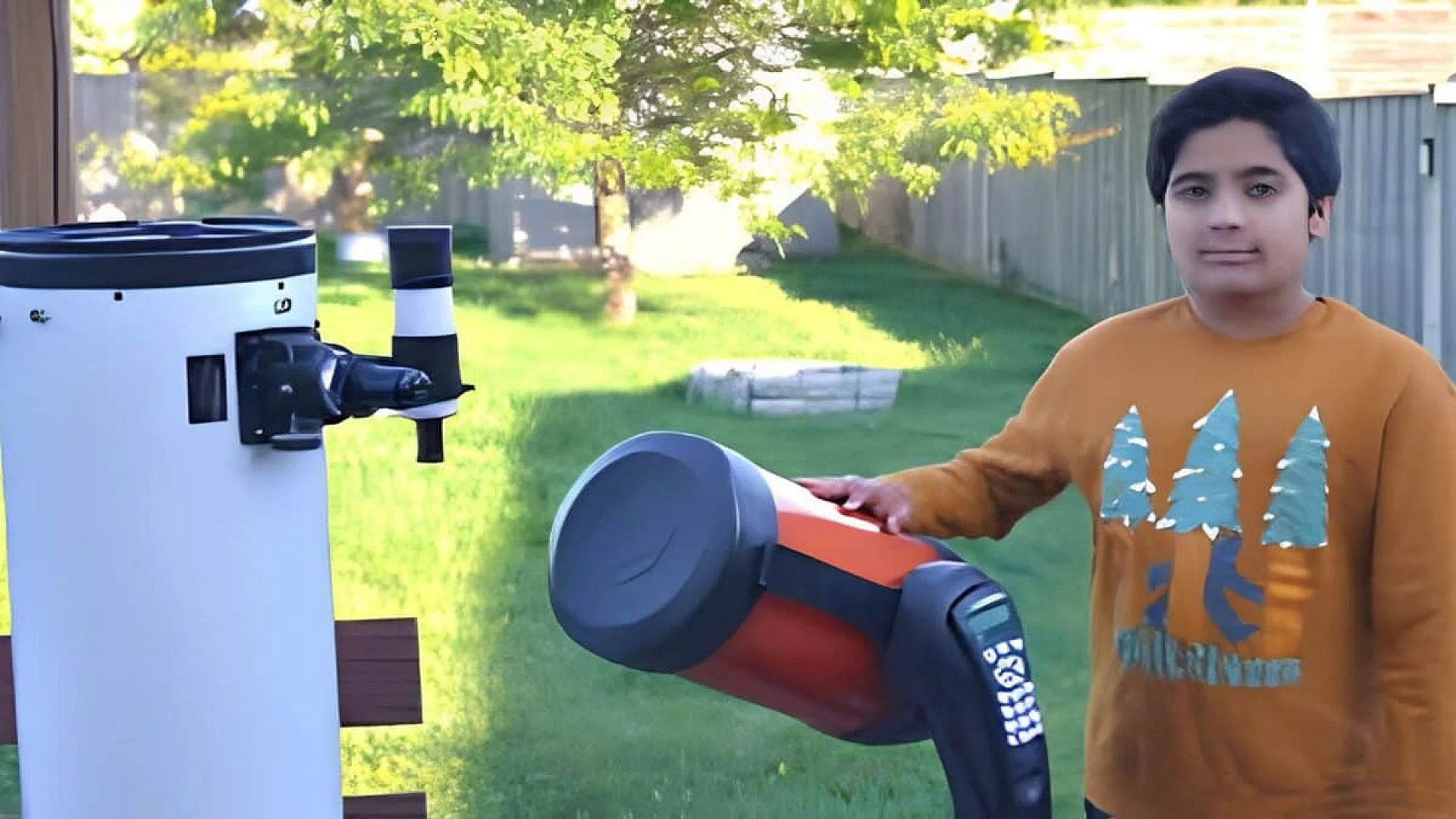
A 13‑year‑old from London, Ontario, earned one of the top honors at the Canada‑Wide Science Fair by devising a tool that streamlines asteroid hunting for amateur astronomers. His entry secured the junior‑category Platinum Award for Discovery.
The accolade marks a breakthrough for Siddharth Patel, a Grade 7 pupil at Clara Brenton Public School, who has been cultivating his love for the night sky for several years. CBC News reported that he advanced to the national stage after winning gold at the Thames Valley Science and Engineering Fair. His project, titled Automating Asteroid Detection Criteria to Strengthen Citizen Science for Planetary Defense, stood out among dozens of entries.
From Backyard Stargazing to a Contest‑Winning Innovation
Patel’s inspiration sprang from participation in the International Astronomical Search Collaboration, a NASA‑linked citizen‑science program that tasks volunteers with scanning telescope images for hidden space rocks. Through the initiative, he personally identified two asteroids.
While working on those discoveries, Patel noticed a stumbling block that many volunteers face. CBC News noted that 94 % of participants eventually abandon the effort because the detection process is technically demanding and time‑consuming. The challenge prompted him to create a software suite called Automated Recognition and Identification of Asteroids (ARIA), designed to flag potential asteroids in raw images automatically.
“All they have to do is plug in the images … then you just run the program and it will automatically detect all the known asteroids in the image and detect the new asteroids,” Patel explained.
The system is intended to aid—not replace—citizen scientists, lowering the barrier for sustained involvement in asteroid tracking.
Unexpected Triumph at the National Fair
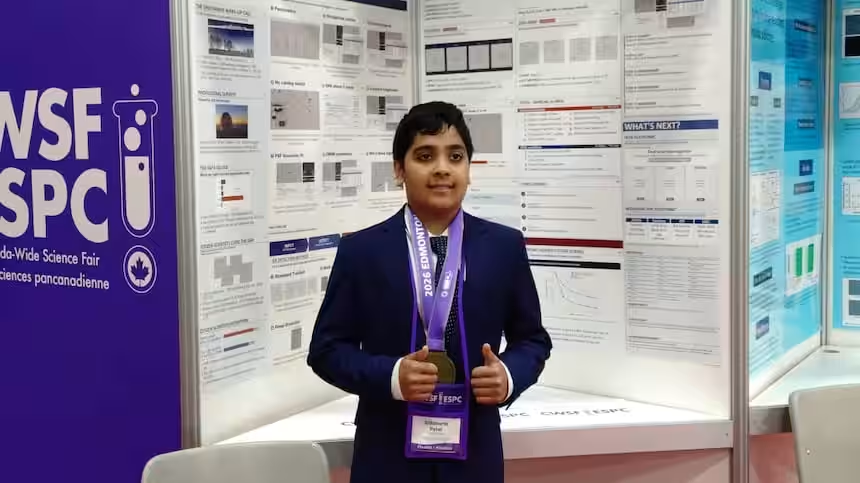
Patel devoted countless hours to refining ARIA before showcasing it at the Canada‑Wide Science Fair. Even after that preparation, he did not anticipate his name being called for the platinum honor.
“I’ve been doing this project for so long, working hard every single day, and it’s really paid off,” he said. “When my name was called for platinum, I was seriously not expecting that. I was so shocked, I was about to cry.”
The platinum award recognized ARIA as the best junior entry in the Discovery category, underscoring both its technical merit and its broader mission to protect Earth from potential impacts.
“It feels great to actually do something really meaningful in life, like to actually protect the Earth from asteroids,” he said.
Early Influences and Growing Achievements
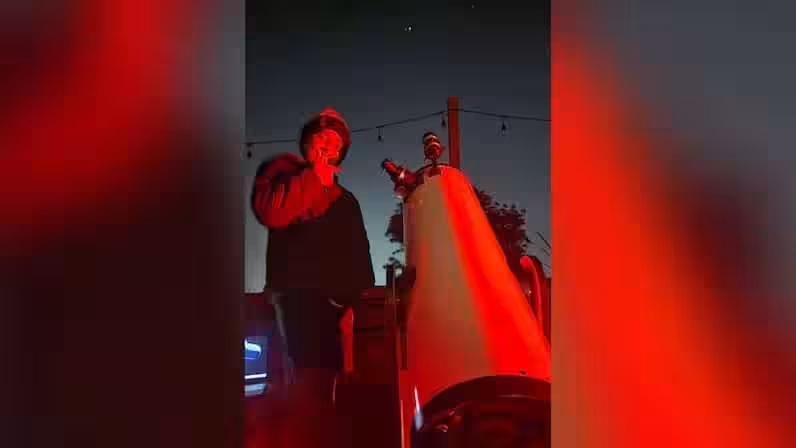
Patel’s fascination with space began on the balcony of his family’s apartment, where he spent evenings scanning the sky. Although neither parent had formal training in astronomy, he learned through documentaries and online resources. A turning point arrived when his father purchased a telescope for him.
“I could see the sparkle in his eyes and how much he enjoyed it, and ever since then, he’s been hooked on telescopes,” his mother, Rajani Ramsagar, told CBC News.
To escape the city lights, his family often traveled beyond London for clearer night skies. Patel’s talent also extends to astrophotography; his image titled Milky Way with Comet C/2023 A3 captured first place in the People’s Choice category of DarkSky International’s 2025 photography contest. His parents expressed pride in his ability to journey across the country independently at just 13 years old.
This article has been fact checked for accuracy, with information verified against reputable sources. Learn more about us and our editorial process.
Last reviewed on .
Article history
- Latest version
Reference(s)
- “Capture the Dark 2025: Winning photographs | DarkSky International.”, September 11, 2024 DarkSky International <https://darksky.org/what-we-do/events/photo-contest/2025-winners/>.
Cite this page:
- Posted by Aisha Ahmed