New Research Reveals The Hidden Impact Of Sexual Harassment On Gig Workers And How To Stop It
New research sheds light on the significant psychological impact of customer sexual harassment on gig workers, highlighting the hidden costs of the platform economy.
The Hidden Psychological Toll of Harassment in the Gig Economy
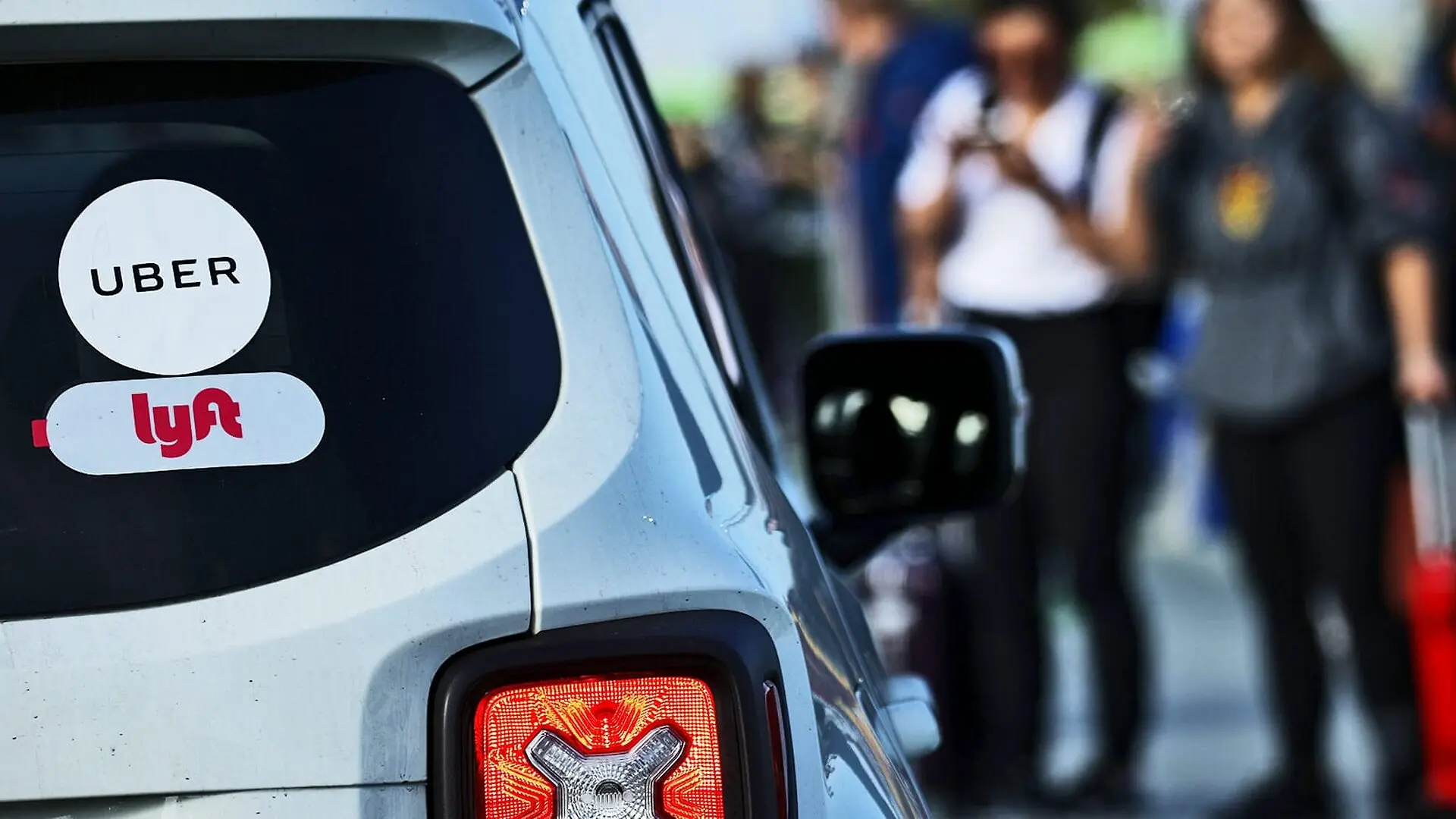
For millions of individuals driving for rideshare apps, delivering groceries, or performing domestic services, the workplace is often a private car or a stranger’s home. This isolation, while a hallmark of the modern gig economy, creates a significant vulnerability: when these workers encounter sexual harassment, they are often left to navigate the aftermath entirely alone. A new study published in the Journal of Business and Psychology reveals that these incidents do more than just ruin a moment; they trigger a ripple effect that compromises both the worker’s mental well-being and their professional performance.
The research, led by Yijue Liang of George Mason University alongside scholars from Rice University and Texas A&M University, explores the specific psychological pathways through which harassment disrupts work. Unlike traditional office settings where human resources departments or coworkers might intervene, gig workers typically lack immediate oversight or established reporting protocols. According to the study, this absence of a support structure exacerbates the impact of unwanted advances, lewd comments, or inappropriate physical contact.
Two Pathways to Professional Decline
The research team identified two primary psychological mechanisms that explain how harassment alters a worker’s trajectory throughout their shift. The first is characterized by psychological distress, manifesting as anxiety, deep uneasiness, or profound emotional exhaustion. When workers reach this state, they often retreat from their duties, showing a marked decline in effort or a tendency to slow down their service to cope with the mental strain.
The second mechanism, described as self-threat, hits closer to a worker’s core identity. When harassment occurs, it can damage an individual’s sense of dignity, competence, and control over their environment. This internal conflict often bleeds into subsequent customer interactions, leading to more negative, defensive, or strained service encounters as the worker continues their day.
“A harmful customer interaction can drain a worker’s psychological resources in different ways, and those reactions can carry over into how they perform their job and interact with people afterward,” notes Yijue Liang.
The Protective Power of Collective Support
While the findings highlight the fragility of the gig labor model, they also suggest a clear path toward mitigation: collective representation. The study found that workers who have access to unions or similar advocacy organizations experience a significant buffer against the negative consequences of harassment. By fostering a sense of community, these groups provide a vital channel for shared experiences and institutional support, effectively dismantling the isolation that makes harassment so damaging.
“For workers whose jobs are structurally quite isolating, simply having access to a collective voice and support system may communicate ‘you are not dealing with this alone’ in a very meaningful way,” says coauthor Tianjun Sun, an assistant professor of psychological sciences at Rice University.
Systemic Changes Required for Safety
The researchers argue that the burden of safety should not fall solely on the workers. They propose that gig platforms must take more aggressive, systemic measures to protect their service providers. Recommended interventions include implementing robust, transparent harassment reporting procedures, enabling drivers and workers to rate customers, providing comprehensive safety briefings before assignments, and permanently banning customers with documented histories of harassment.
Ultimately, the study serves as a critical reminder that the app-based convenience enjoyed by consumers is underpinned by real human experiences. By ignoring the realities of an unpredictable and often hazardous work environment, society risks rendering those who power the gig economy invisible. As Sun emphasizes, the goal of this research is to ensure that gig workers receive the same baseline of dignity and professional security that is expected in any other industry.
This article has been fact checked for accuracy, with information verified against reputable sources. Learn more about us and our editorial process.
Last reviewed on .
Article history
- Latest version
Reference(s)
- Liang, Yijue., et al. “You are not alone: access to collective representation buffers the harmful impact of customer sexual harassment on gig workers.” Journal of Business and Psychology, October 3, 2026 Springer Science and Business Media LLC, doi: 10.1007/s10869-026-10156-6. <https://doi.org/10.1007/s10869-026-10156-6>.
Cite this page:
- Posted by Zubair Ali