Why Your Brain Rewrites Memories When a Beloved Artist Is Involved in a Scandal
New research suggests that separating art from a fallen artist is impossible, as our brains permanently link moral character to the creative work itself.
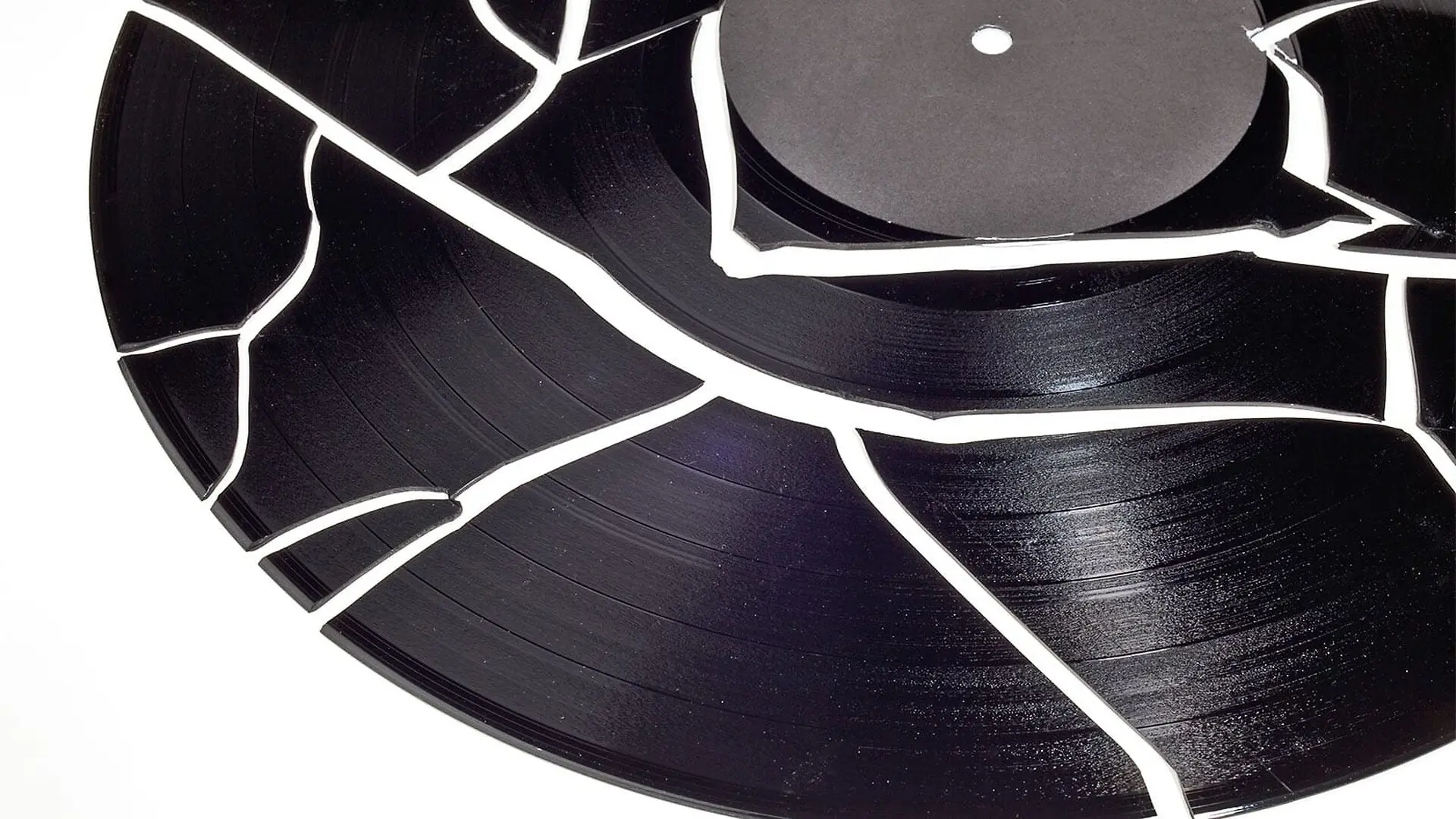
When a celebrated cultural figure faces a public downfall, our minds often engage in a peculiar form of psychological gymnastics. According to new research, we do not simply discard our past experiences; instead, our brains perform a selective rewrite of history to protect our nostalgia while simultaneously distancing ourselves from the individual responsible for the art we once cherished.
The Mechanism of Moral Memory Surgery
A study recently detailed in the Journal of Experimental Social Psychology identifies this process as “differential memory reconstruction.” By conducting five preregistered experiments, researchers explored how learning about a creator’s moral transgressions influences our retrospective assessment of their legacy. The results suggest that when faced with a scandal, we essentially perform a surgical operation on our own memories.
We unconsciously downgrade our historical perception of the artist to align with current moral standards, yet we deliberately shield the enjoyment we felt toward the creative work itself. This mental partition allows individuals to maintain their personal history of fandom without the discomfort of feeling that their past joy was misguided.
From Cosby to Lennon: Protecting Our Nostalgia
The research, led by Sally MyungJin Shin of the University of South Florida alongside colleagues from the University of Pennsylvania and Yale University, examined various cultural figures. The phenomenon was consistent across different mediums, from television to music.
In the case of Bill Cosby, whose cultural impact was immense during the 1990s, the findings suggest that fans facing the revelations of 2014 did not necessarily erase their fond memories of The Cosby Show. Instead, they reevaluated the person behind the show, mentally separating the artist from the entertainment.
The study observed similar patterns regarding musicians like Ray Charles and John Lennon. When study participants were confronted with information regarding personal failings—such as allegations of parental negligence or physical abuse—their current admiration for the artists dipped. However, their retrospective memory of how much they enjoyed the music remained largely unaffected.
Why We Rewrite Our Own History
The team behind the study highlights that this protective mechanism is unique to our relationship with the past. While contemporary opinions about a disgraced figure are often harsh, the ability to compartmentalize that disdain from the art itself is a way of preserving one’s personal timeline.
“Most surprisingly, the ability to separate art from the artist exists only when we look back in time,” says Shin. By lowering their opinion of the individual in retrospect, fans can resolve the cognitive dissonance between their past affection and current moral judgment, effectively guarding their most cherished memories from the fallout of a scandal.
This article has been fact checked for accuracy, with information verified against reputable sources. Learn more about us and our editorial process.
Last reviewed on .
Article history
- Latest version
Reference(s)
- Shin, Sally MyungJin., et al. “Moral surgery: Negative revelations differentially alter retrospective evaluations of creators and creations.” Journal of Experimental Social Psychology, vol. 128, January 1, 2027, pp. 104992 Elsevier BV, doi: 10.1016/j.jesp.2026.104992. <https://doi.org/10.1016/j.jesp.2026.104992>.
Cite this page:
- Posted by Zubair Ali