Scientists Use Algae Proteins And Gene Therapy To Help The Blind See Again
A groundbreaking gene therapy using light-sensitive algae proteins has restored partial vision in blind patients, offering a long-lasting treatment option.
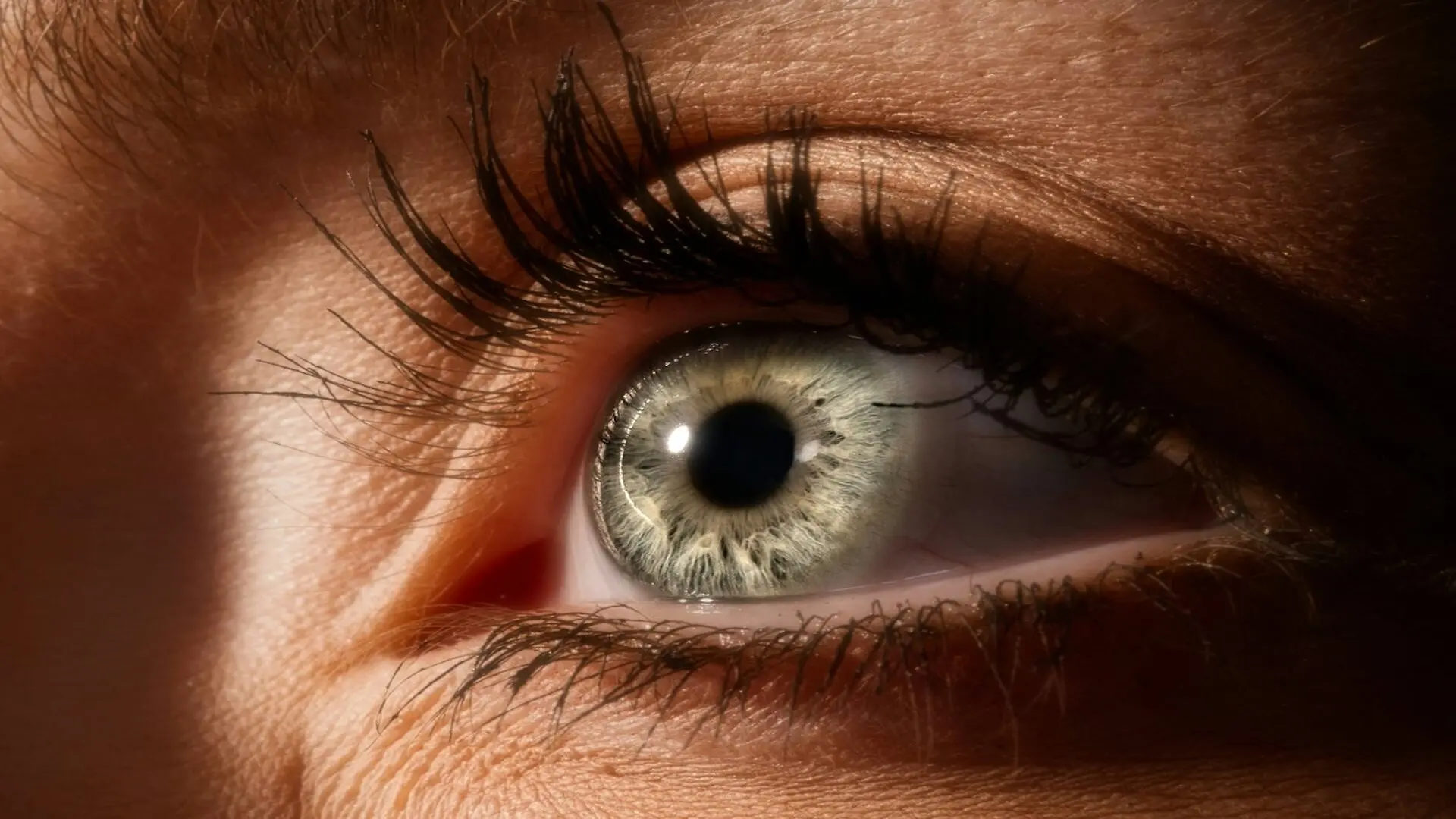
In a milestone for vision restoration, researchers have successfully used gene therapy to equip human retinas with light-sensitive proteins derived from algae. The technique, which combines molecular biology with specialized wearable technology, has enabled patients with advanced retinitis pigmentosa to regain partial, functional sight.
The clinical trial, known as PIONEER, addressed the challenges of treating a disease that destroys the eye’s natural light-sensing cells. Because retinitis pigmentosa is linked to over 100 different genetic mutations, traditional gene replacement therapies are often ineffective for the majority of patients. Instead, this approach utilizes optogenetics—a field originally pioneered to map neural circuits—to bypass damaged photoreceptors entirely.
Researchers injected a viral vector carrying the genetic instructions for a light-sensitive protein called ChrimsonR into the eyes of 10 legally blind participants. This protein, sourced from algae, was delivered specifically to retinal ganglion cells. While these cells typically serve as messengers to the brain rather than light receptors, the therapy repurposed them to act as artificial sensors. To complete the circuit, participants wore custom-designed goggles equipped with cameras that capture visual data and project it as amber light pulses directly onto the retina, triggering the modified neurons.
According to data published in the New England Journal of Medicine, the results have been promising. Approximately half of the participants showed significant functional improvements, such as the ability to reach for and touch objects or track the orientation of visual patterns. Perhaps most significantly, the vision improvements were durable, with some patients continuing to show progress over a five-year follow-up period. As noted by study author Stefan Futterknecht in recent reporting, the findings confirm that this strategy is a viable path for long-term vision restoration.
The safety profile of the treatment was generally favorable. While most participants experienced manageable inflammation or temporary increases in eye pressure, the structural integrity of the retina remained intact. Only one participant reported a serious side effect—a transient arterial blockage that was quickly resolved with clinical intervention.
Despite these gains, the current level of vision remains limited. The images perceived by participants are blurry, with a restricted field of view that prevents the recognition of faces or the reading of fine text. Scientists are now focused on refining the technology to improve resolution, which may involve using more sensitive, AI-optimized versions of light-sensing proteins and upgrading the wearable hardware to provide more precise visual stimulation.
The evolution of this technology marks a significant shift for optogenetics. Once confined to laboratory settings for mapping brain function, the technique is now demonstrating its potential as a clinical tool for treating degenerative conditions. “Optogenetics provides opportunities for mapping the brain in a way that we could once only dream of,” stated Per Svenningsson, Chair of the Nobel Committee for Physiology or Medicine, following the awarding of the Nobel Prize for the field earlier this year. As researchers continue to iterate on both the biological and hardware components, the PIONEER trial offers a glimpse into a future where blindness caused by retinal decay may one day be effectively managed.
This article has been fact checked for accuracy, with information verified against reputable sources. Learn more about us and our editorial process.
Last reviewed on .
Article history
- Latest version
Reference(s)
- “ClinicalTrials.gov.” <https://clinicaltrials.gov/study/NCT03326336>.
- Sahel, José-Alain., et al. “Optogenetic Therapy for Restoring Aspects of Visual Function.” New England Journal of Medicine, vol. 395, no. 14, October 8, 2026, pp. 1399-1408. Massachusetts Medical Society, doi: 10.1056/NEJMoa2602215. <https://www.nejm.org/doi/full/10.1056/NEJMoa2602215>.
- <https://www.eurekalert.org/news-releases/1146400>.
- “Nobel Prize in Physiology or Medicine 2026.” NobelPrize.org <https://www.nobelprize.org/prizes/medicine/2026/press-release/>.
Cite this page:
- Posted by Zubair Ali