NASA Crew Hits Major Milestone After One Year Living in Simulated Mars Habitat
NASA’s simulated Mars crew has reached one year inside a 3D-printed habitat, nearing the end of a mission testing human survival for future Red Planet trips.
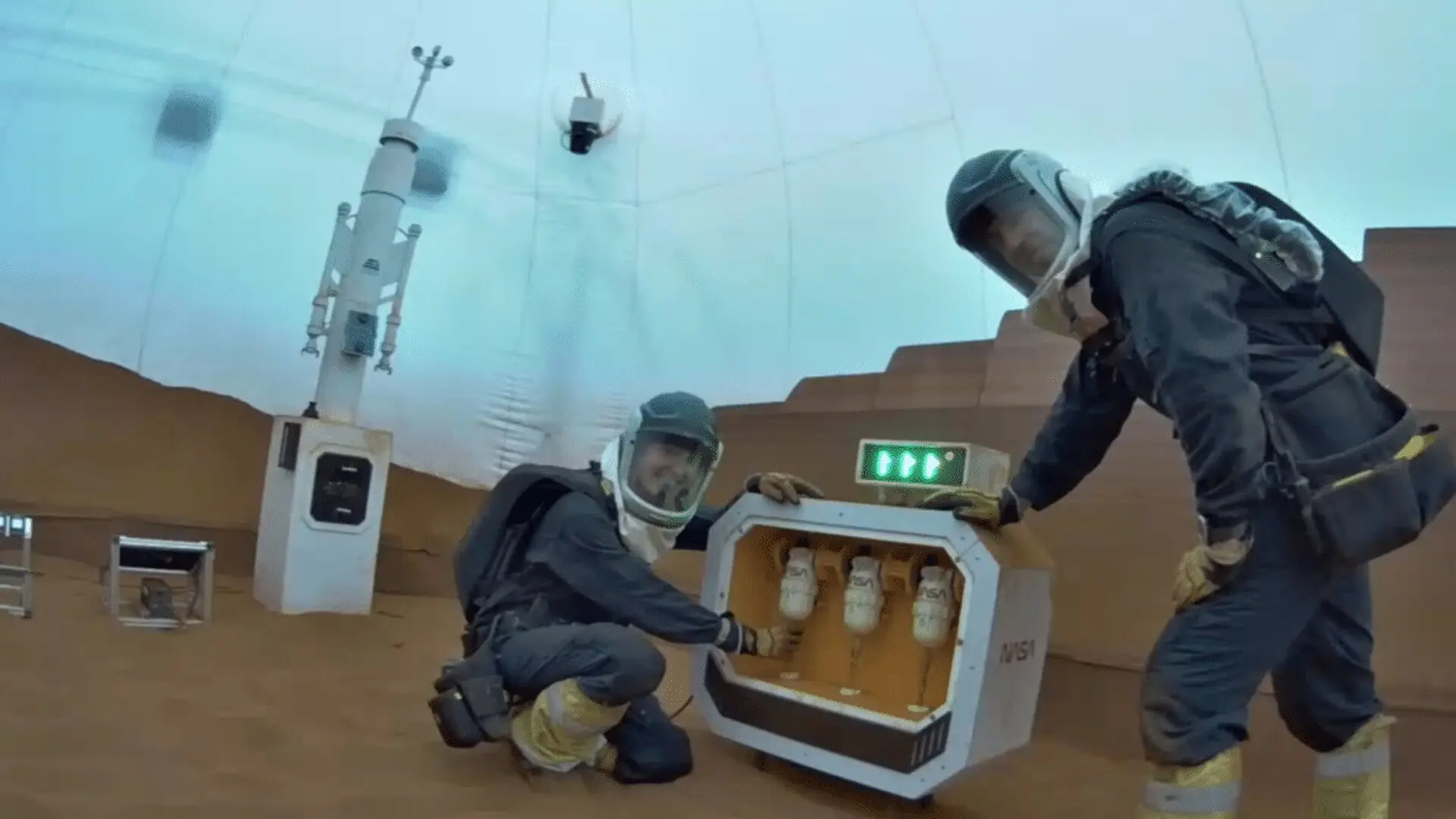
Four volunteers have successfully crossed the one-year threshold of a grueling 378-day residency inside a sealed Martian habitat at NASA’s Johnson Space Center in Houston. This high-fidelity simulation, known as the Crew Health and Performance Exploration Analog (CHAPEA) Mission 2, serves as a vital stress test for the physiological and psychological endurance required for future crewed expeditions to the Red Planet.
Simulating the Reality of Deep Space Living
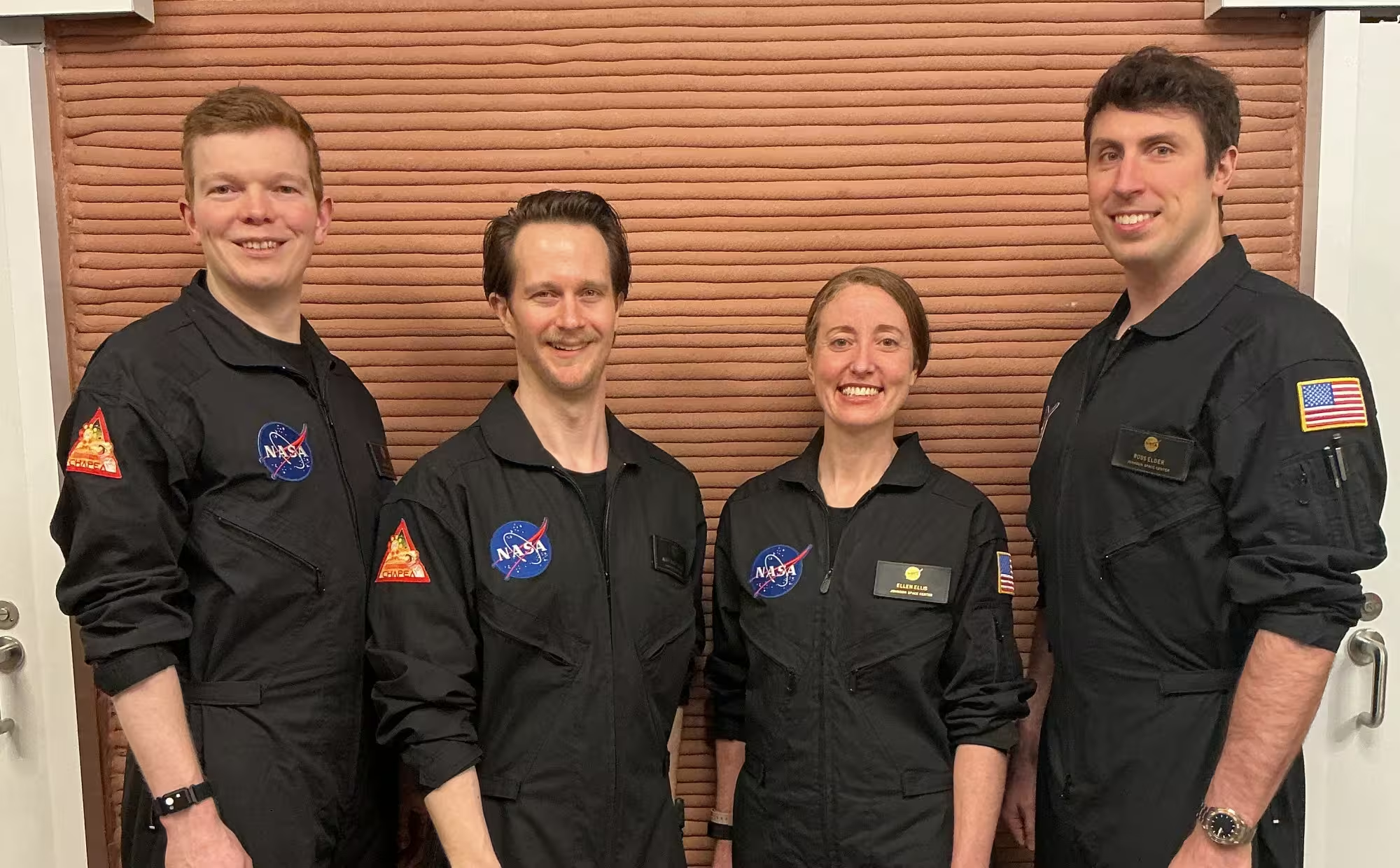
The crew—comprising mission commander Ross Elder, medical officer Ellen Ellis, science officer Matthew Montgomery, and flight engineer James Spicer—entered the 1,700-square-foot, 3D-printed facility on October 19, 2025. Their mission is designed to mimic the austere conditions of a Martian base, requiring them to manage everything from crop cultivation and resource allocation to complex scientific maintenance and simulated spacewalks.
Central to the experiment is the intentional degradation of communication. Unlike the instantaneous connectivity available to crews on the International Space Station, these volunteers operate with a communication lag of up to 45 minutes each way. This forced autonomy is intended to prepare future astronauts for real-world emergencies where help from Earth is hours away, requiring the team to rely on their own training and internal decision-support protocols.
Measuring Human Resilience in Isolation
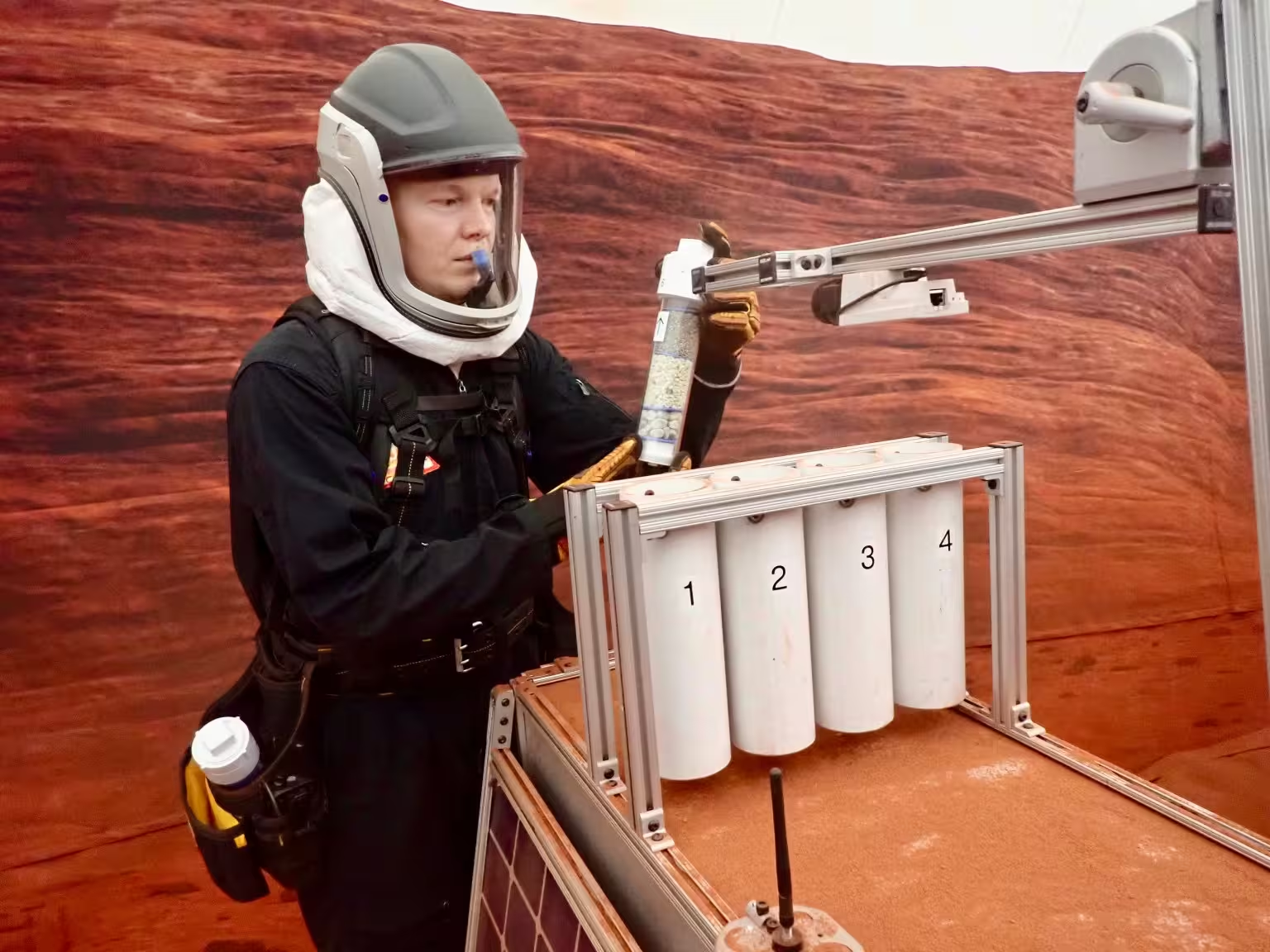
Beyond the logistical challenges of living in a confined space, NASA is using the mission to collect granular data on how humans cope with extreme isolation and the monotony of repetitive, high-stakes tasks. Researchers are scrutinizing how restricted resources, such as limited food supplies, impact the crew’s cognitive performance and physical health.
“We are extremely proud of the crew for their commitment and achievements over the last year on such a fast-paced, highly demanding mission,” stated Grace Douglas, the principal investigator for CHAPEA. The data gathered throughout this year-long period will be essential for refining medical care strategies and operational workflows for upcoming lunar bases and eventual interplanetary transit.
Transitioning to Post-Mission Analysis
The mission is slated to conclude on October 31, 2026, when the crew emerges after 378 days of total separation from the outside world. Their exit will not signal the end of their work; it will immediately trigger a two-week period of intensive medical and psychological debriefings. These sessions are intended to bridge the gap between simulation and real-world spaceflight requirements.
Michael Stenger, chief scientist for NASA’s Human Research Program, noted that the knowledge gained from this environment is foundational for broader objectives, including the Artemis program. By integrating physiological and psychological performance metrics into a strictly controlled setting, the agency aims to build a robust framework for long-duration missions. While the habitat cannot replicate the radiation environment or the microgravity of space, it provides a critical baseline for understanding the human element of deep-space survival.
This article has been fact checked for accuracy, with information verified against reputable sources. Learn more about us and our editorial process.
Last reviewed on .
Article history
- Latest version
Reference(s)
- Graf, Abby. “NASA’s Simulated Mars Crew Marks One Year Inside Habitat - NASA.”, October 19, 2026 NASA <https://www.nasa.gov/humans-in-space/nasas-simulated-mars-crew-marks-one-year-inside-habitat/>.
Cite this page:
- Posted by Karan Das