Japan Is Launching A Historic Round Trip To A Martian Moon To Search For The Origins Of Life
Japan’s MMX mission is heading to Mars’ moon Phobos to retrieve samples and finally uncover the mysterious origins of these enigmatic celestial bodies.
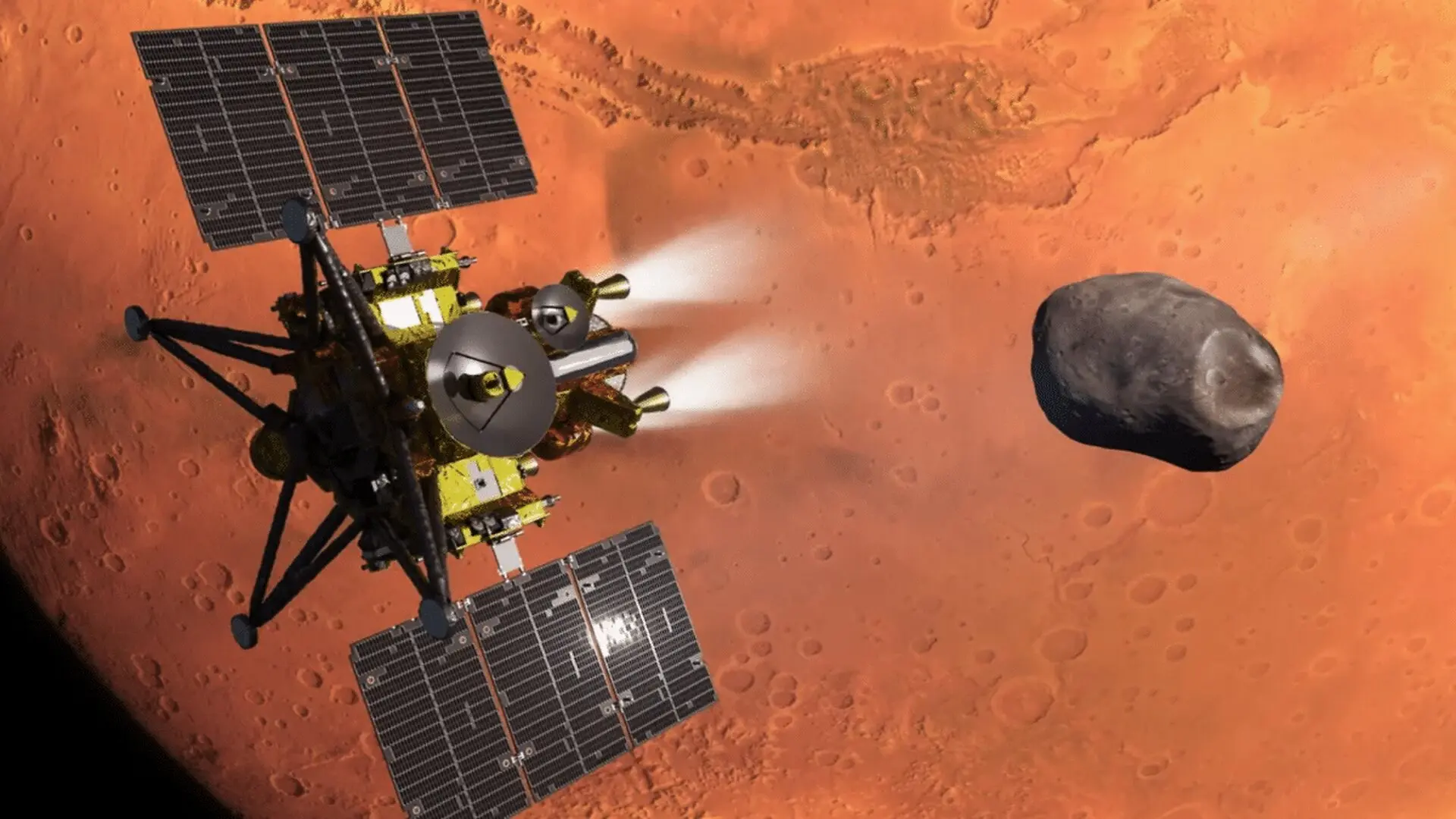
Japan is gearing up for a groundbreaking mission to unlock one of the solar system’s most persistent enigmas: the true origin of Mars’ two moons, Phobos and Deimos. Through the Martian Moons eXploration (MMX) project, the Japan Aerospace Exploration Agency (JAXA) intends to land on Phobos, retrieve surface samples, and bring them back to Earth. This unprecedented endeavor promises to provide scientists with pristine material that could hold the key to understanding the early formation of our solar system and the delivery of life-essential ingredients to terrestrial worlds.
Unraveling the Origins of the Martian System
The core objective of the MMX mission is to settle a long-standing scientific debate. Researchers have proposed two primary theories for how Phobos and Deimos came to orbit the Red Planet. One school of thought suggests the moons are passing asteroids captured by Mars’ gravitational pull, while the other posits that they are the result of debris ejected into orbit following a massive impact event on the Martian surface.
The distinction carries profound implications for our understanding of planetary evolution. If the moons are captured asteroids, they likely contain pristine material from the outer reaches of the solar system. Conversely, if they formed from impact debris, they represent a geological record of ancient Martian collisions. By combining remote orbital analysis with direct sample collection, JAXA aims to distinguish between these scenarios and reconstruct the violent history of the Martian neighborhood.
This mission also stands as a significant technical hurdle for Japan’s space program. The success of the project relies on the performance of the new H3 launch vehicle and the spacecraft’s ability to execute complex navigation around a small, low-gravity body. Makoto Arita, project manager for JAXA’s H3 rocket team, noted the gravity of the undertaking, stating, “Being able to be involved in such a grand mission is incredibly exciting.”
Phobos: A Gateway to Ancient Chemistry
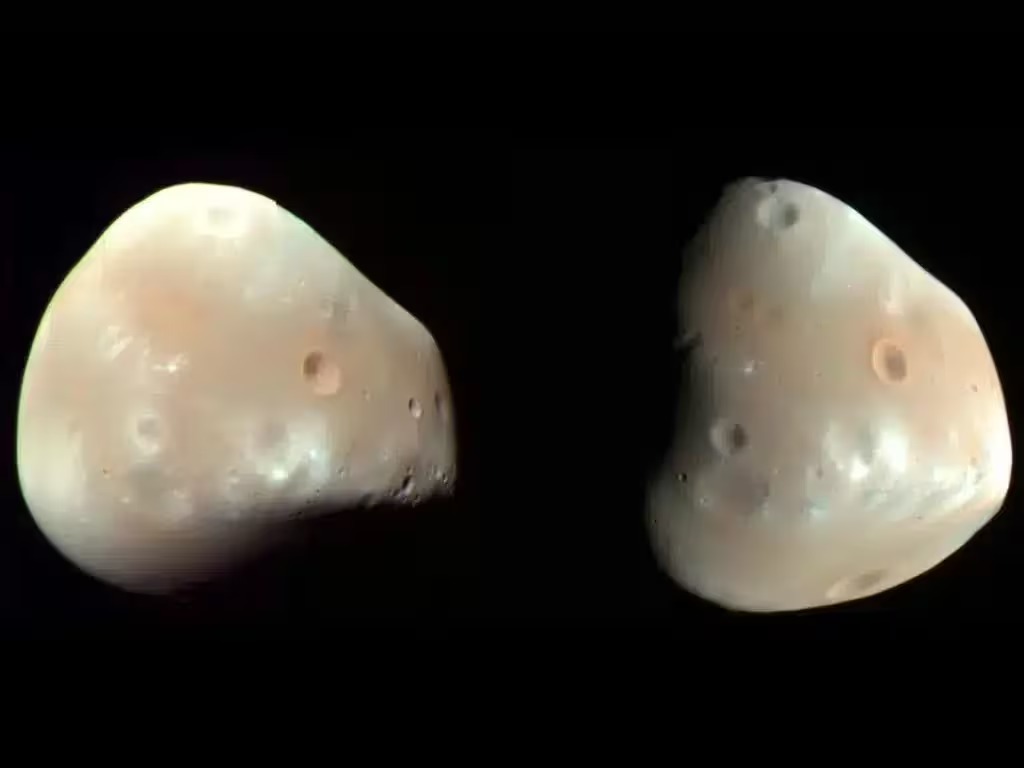
Phobos, a cratered and irregular moon, is the primary target for this sample return. Its surface regolith is expected to act as a collector for both local debris and interstellar material. Bringing these samples back to Earth will allow researchers to employ sophisticated laboratory equipment far beyond the capabilities of any current remote-sensing spacecraft.
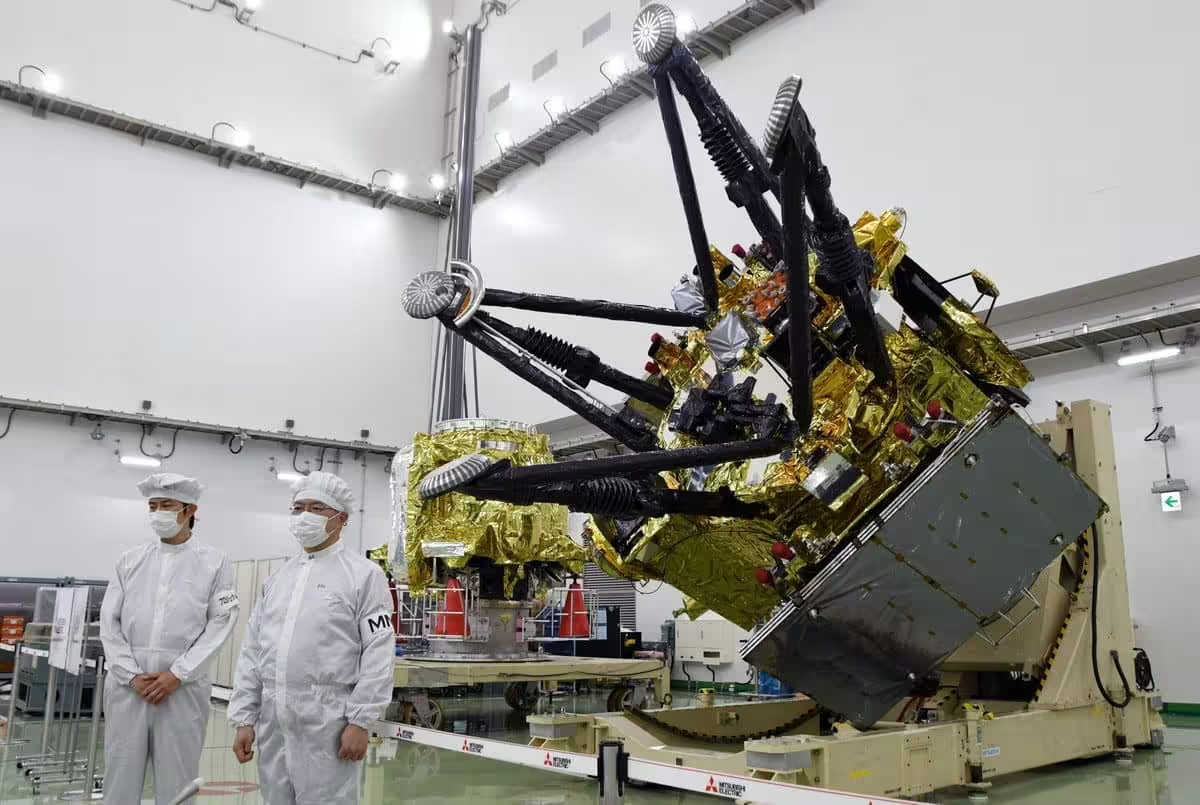
Yasuhiro Kawakatsu, the project manager for MMX, emphasized the historic nature of the trip in an interview with AFP. Beyond the first-of-its-kind sampling of Phobos, he highlighted that this represents the inaugural round-trip mission to the Martian system, expanding the horizon of deep-space exploration significantly beyond the Moon and local asteroids.
Tracing the Ingredients of Life
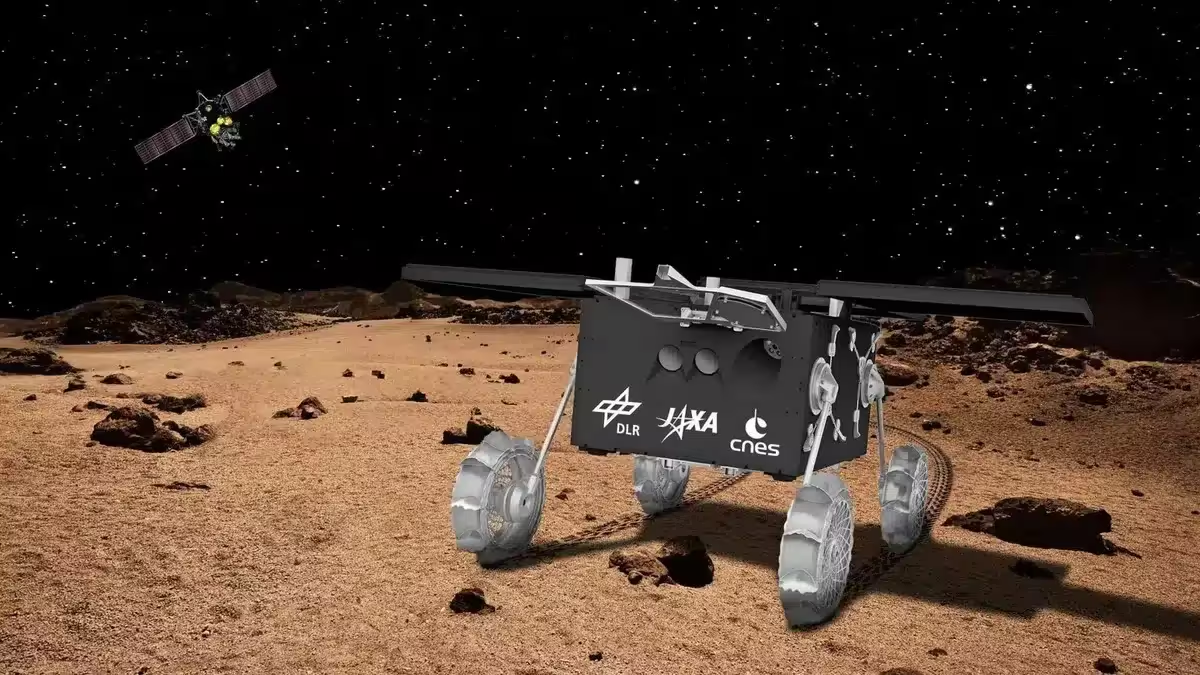
The scientific reach of MMX extends far beyond the moons themselves. By studying the composition of Phobos, researchers hope to map the movement of volatile compounds and organic materials during the infancy of the solar system. Patrick Michel, a French astrophysicist working on the IDEFIX rover, notes that the mission could reveal how life-sustaining ingredients were transported to the inner solar system.
“MMX will shed light on the transport mechanisms that delivered water, volatiles and organic compounds from the outer solar system to the inner rocky planet region—processes that may have played a key role in making these worlds habitable,” Michel said.
While the detection of organic compounds would not confirm the existence of extraterrestrial life, it would provide a vital link in explaining how Earth—and potentially other planets—acquired the necessary raw materials for biology to take root.
Broadening the Scope of Planetary History
NASA has expressed keen interest in the MMX mission due to the inextricable link between the moons and the history of Mars. Tom Statler, an MMX program executive and scientist at NASA, noted that the mission is a piece of a much larger planetary puzzle.
“Phobos and Deimos are interesting, but not just in their own right. Their presence is a key piece of the larger story of the Mars system,” Statler remarked. “By uncovering the moons’ origin, we’ll gain new insights into the history of both Mars and Earth, especially those events that shaped both planets billions of years ago and helped create the worlds we see today.”
By comparing Phobos’ samples to existing meteorite collections, researchers hope to better characterize the chaotic era of the early solar system. Although the MMX mission will not resolve every mystery surrounding the emergence of life, it represents a significant leap forward in understanding how our own world became the habitable, water-rich planet we call home.
This article has been fact checked for accuracy, with information verified against reputable sources. Learn more about us and our editorial process.
Last reviewed on .
Article history
- Latest version
Reference(s)
- “Japan to launch historic round-trip mission to Mars moon.”, October 18, 2026 {"@type":"Organization","name":"Agence France-Presse","url":"http://www.afp.com/en"} <https://www.afp.com/en/japan-launch-historic-round-trip-mission-mars-moon>.
Cite this page:
- Posted by Karan Das