When to See the August 2026 Sturgeon Moon and Why It’s Named After an Ancient Fish
August’s Sturgeon Moon peaks on August 28, reviving a late‑summer lunar tradition for night‑sky watchers.
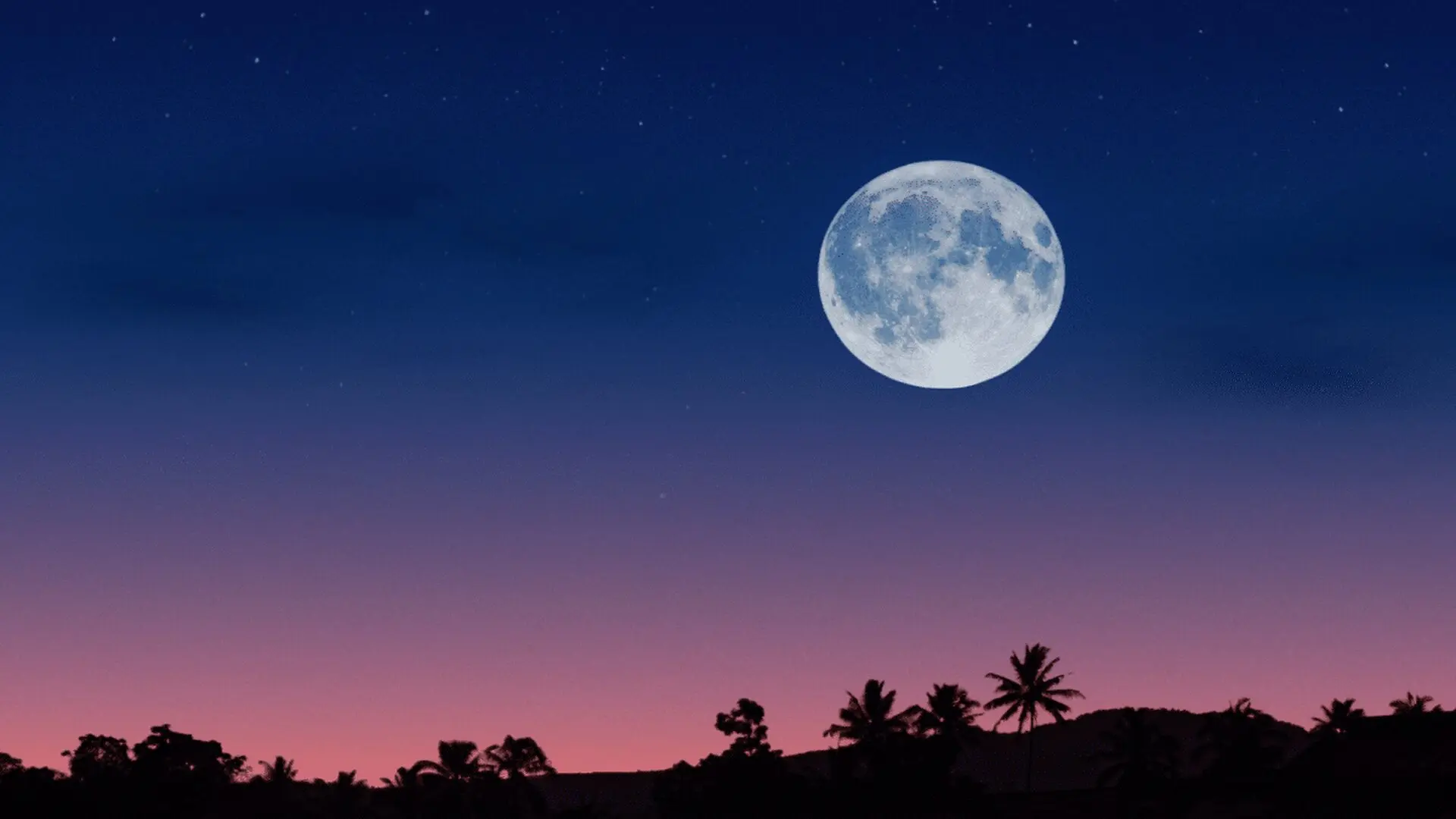
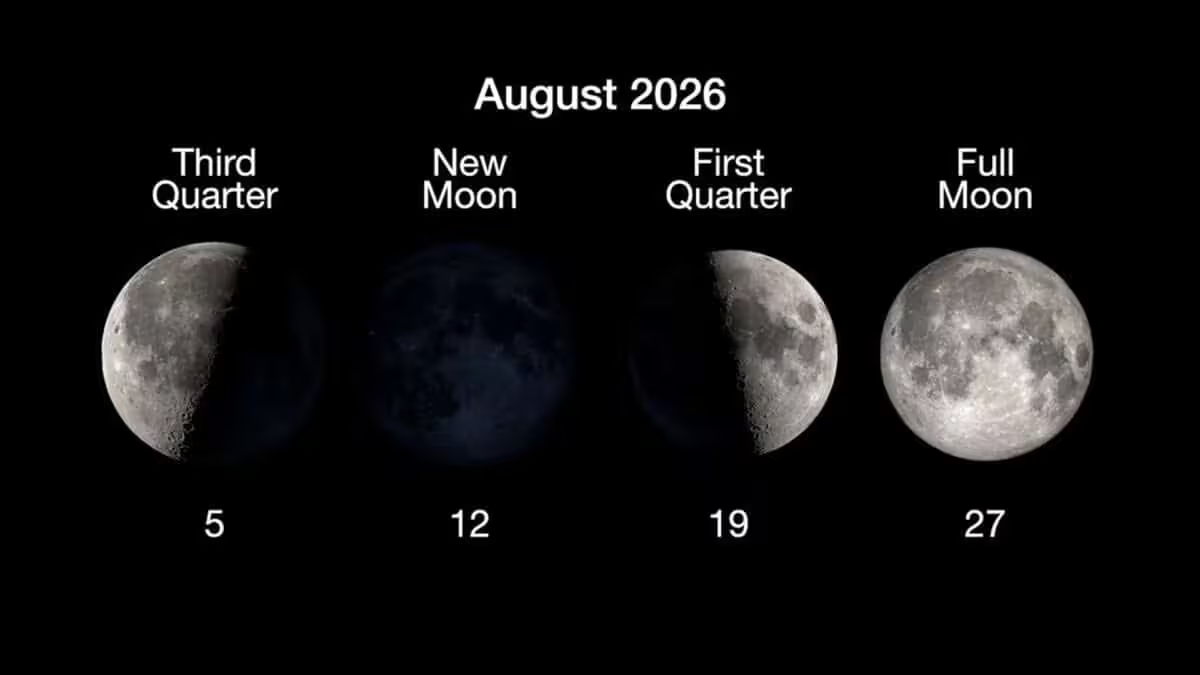
The night of August 28, 2026 will showcase one of late‑summer’s most familiar lunar displays, often called the Full Sturgeon Moon. According to The Old Farmer’s Almanac, the Moon reaches exact full illumination at 12:18 a.m. Eastern Time, but the evening of August 27 offers an especially convenient moment for viewers across the United States to see the nearly full disc rise against the summer sky.
Optimal Viewing Occurs Hours Before the Exact Moment
A full Moon is defined astronomically as the point when the Moon lies directly opposite the Sun from Earth’s perspective. However, observers do not need to be outside precisely at 12:18 a.m. ET on August 28 to enjoy the effect.
For most people, the most practical window opens on the evening of Thursday, August 27. By then the lunar disk appears essentially full to the naked eye, allowing sky‑watchers to follow its ascent without staying out past midnight in the Eastern time zone.
The distinction matters because the transition to full illumination is gradual; the change in brightness over several hours is too subtle to perceive without instruments.
Observing the Moon near its rise can be especially dramatic. When the Moon sits low on the horizon, the classic Moon illusion makes it appear larger because surrounding landmarks—trees, buildings, or mountains—provide a scale reference.
A clear eastern horizon therefore offers a striking perspective as the Moon emerges from twilight and climbs higher in the sky.
Local weather will ultimately dictate visibility. Clouds, haze, or low‑lying obstructions can mask moonrise, even though the Moon’s brightness generally cuts through urban light pollution.
Unlike faint deep‑sky targets or meteor showers, a full Moon requires no telescope. Binoculars can reveal broad surface features, while a modest telescope will show maria, crater rims, and subtle variations in albedo. Because sunlight strikes the near‑side almost head‑on at full phase, shadows are muted, reducing the dramatic relief seen during other phases.
Origins of the “Sturgeon Moon” Moniker
The term Sturgeon Moon does not describe an astronomical change; it stems from a seasonal name linked to the lake sturgeon, a large freshwater fish once abundant throughout the Great Lakes and Lake Champlain region.
The Almanac also explains that its full‑Moon names draw from a mix of Native American, colonial, and European traditions, and that such names often refer to the entire lunar month rather than a single night.
Because no single naming system has been universally adopted across all Indigenous nations, the August full Moon carries a variety of titles. In addition to the Sturgeon Moon, the publication lists names such as Flying Up Moon (Cree, marking fledgling birds), Corn Moon (Algonquin and Ojibwe), and Harvest Moon (Dakota), each reflecting agricultural cycles.
The Anishinaabe call it Ricing Moon, tied to grain harvests, while the Assiniboine refer to it as Black Cherries Moon, marking chokecherry ripening. The Tlingit name Mountain Shadows Moon also appears in the Almanac’s list.
Collectively, these appellations illustrate how recurring lunar cycles served as a natural calendar for tracking ecological events, linking the Moon’s predictable rhythm to seasonal activities on Earth.
The Lake Sturgeon’s Deep Evolutionary Roots
The fish that inspired the August nickname belongs to an ancient lineage dating back to the age of dinosaurs. Lake sturgeons feature elongated snouts, rows of bony scutes, and a body plan that sets them apart from most modern freshwater species.
According to the Almanac, sturgeons have persisted for roughly 136 million years, earning them the reputation of “living fossils.”
These fish also exhibit remarkable longevity. Females typically require around 20 years to reach reproductive maturity and may spawn only intermittently, making populations especially vulnerable to overexploitation.
Historical overfishing in the 19th century, coupled with pollution and habitat degradation, caused dramatic declines in lake‑sturgeon numbers.
Thus, the Sturgeon Moon’s name, originally rooted in seasonal abundance, now carries an ecological subtext that highlights the species’ precarious status.
When observers gaze at the August full Moon, they are reminded that the label intertwines celestial observation with a broader narrative of environmental change.
This article has been fact checked for accuracy, with information verified against reputable sources. Learn more about us and our editorial process.
Last reviewed on .
Article history
- Latest version
Cite this page:
- Posted by Karan Das