Rare 3D Fossil Discovery in Arctic Norway Reveals Hidden Anatomy of Ancient Life
A rare 560-million-year-old Charnia fossil discovered in Arctic Norway offers unprecedented 3D anatomical insights into mysterious Ediacaran life forms.
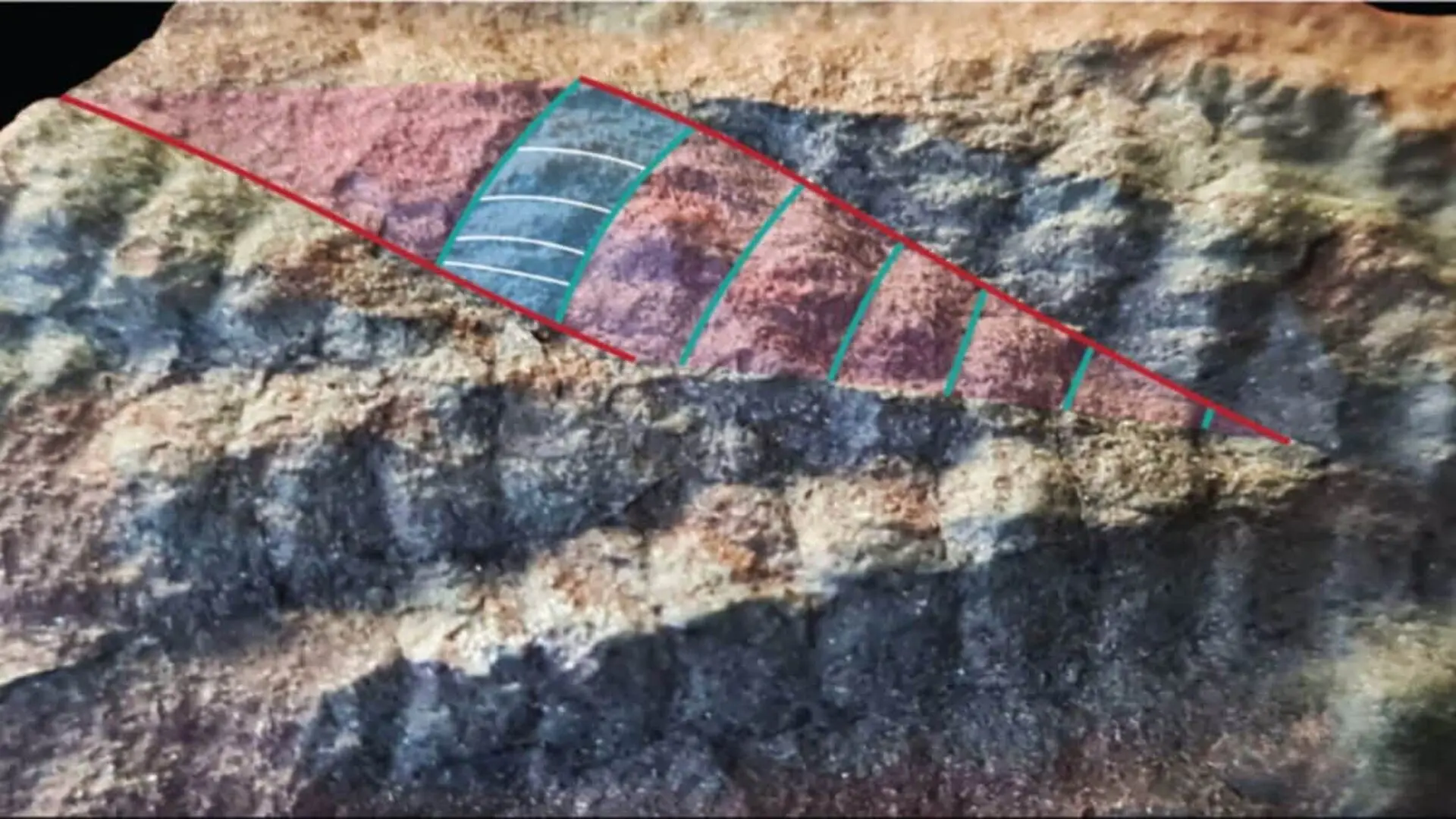
A fresh discovery in the Arctic wilderness of Norway has provided paleontologists with a rare glimpse into the anatomy of Charnia, the iconic frond-like organism that dominated marine ecosystems during the late Ediacaran period. Published in the journal Palaeontology on 9 September 2026, the research details two distinct specimens recovered from the Indreelva Member of the Stáhpogieddi Formation, helping to fill a significant geographic gap in our understanding of these ancient, complex life forms.
Unveiling Three-Dimensional Anatomy
For decades, Charnia fossils have been primarily found as flattened impressions on the surface of rock layers, offering a two-dimensional view of what were once soft-bodied, branching organisms. The Norwegian findings, however, present a contrast in preservation that challenges this standard perspective. While one specimen from Blåberget displays the typical flat, low-relief profile, a second, smaller specimen from Kommagnes exhibits an unusual, three-dimensional structure.
This Kommagnes fossil, measuring roughly 7 centimetres in length, retains about 5 millimetres of relief. Detailed examination revealed that several of its primary branches possess a distinct, angular “keeled” shape, with an inclination of approximately 120 degrees. This unique morphology suggests that Charnia may have possessed a much more structural, rigid anatomy than previously assumed based on flattened samples.
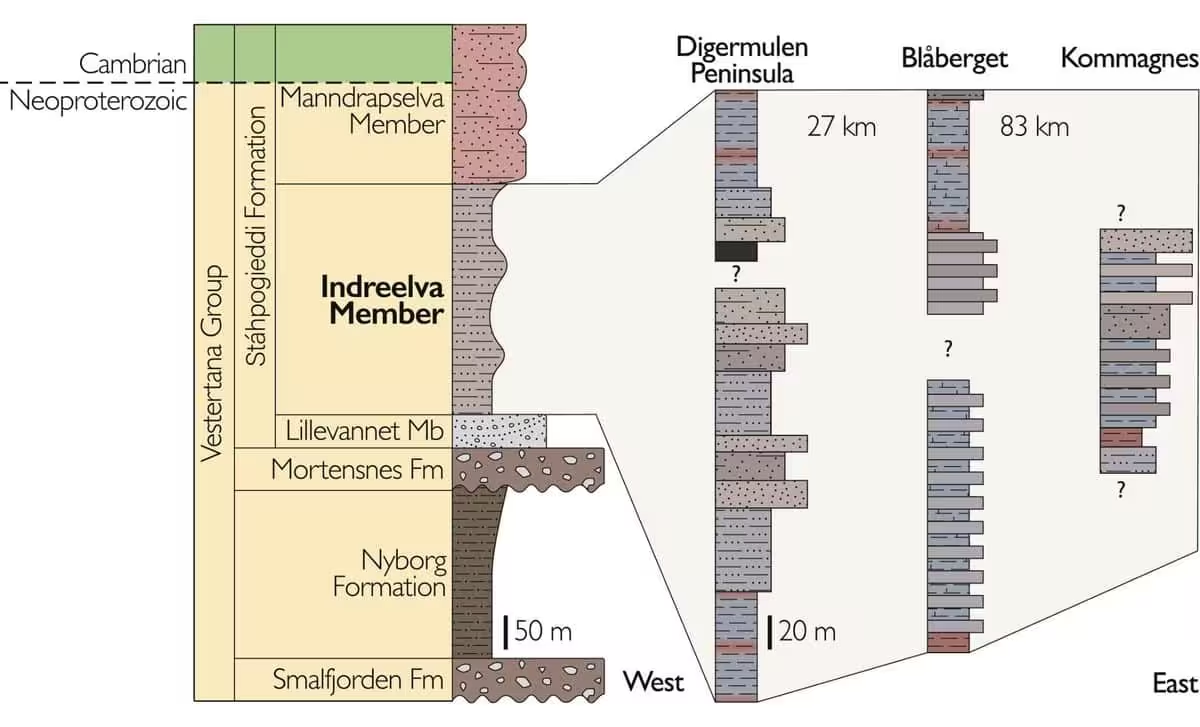
Researchers theorize that this exceptional preservation occurred because the organism was caught in a sediment-rich gravity flow. Rather than settling on the open seafloor, the creature was rapidly buried by clay-rich material, which effectively cast its form in three dimensions. The fossil is also encased in a thin layer of grey claystone, a feature that may have acted as a protective barrier during the fossilization process.
Expanding the Arctic Fossil Record
The fossils were unearthed on the Varanger Peninsula, specifically at sites known as Blåberget and Kommagnes. These locations add valuable depth to the fossil record of the Indreelva Member, which had previously yielded evidence of Palaeopascichnus, various holdfasts like Aspidella, and potential scratch circles, but had lacked clear examples of frondose organisms.
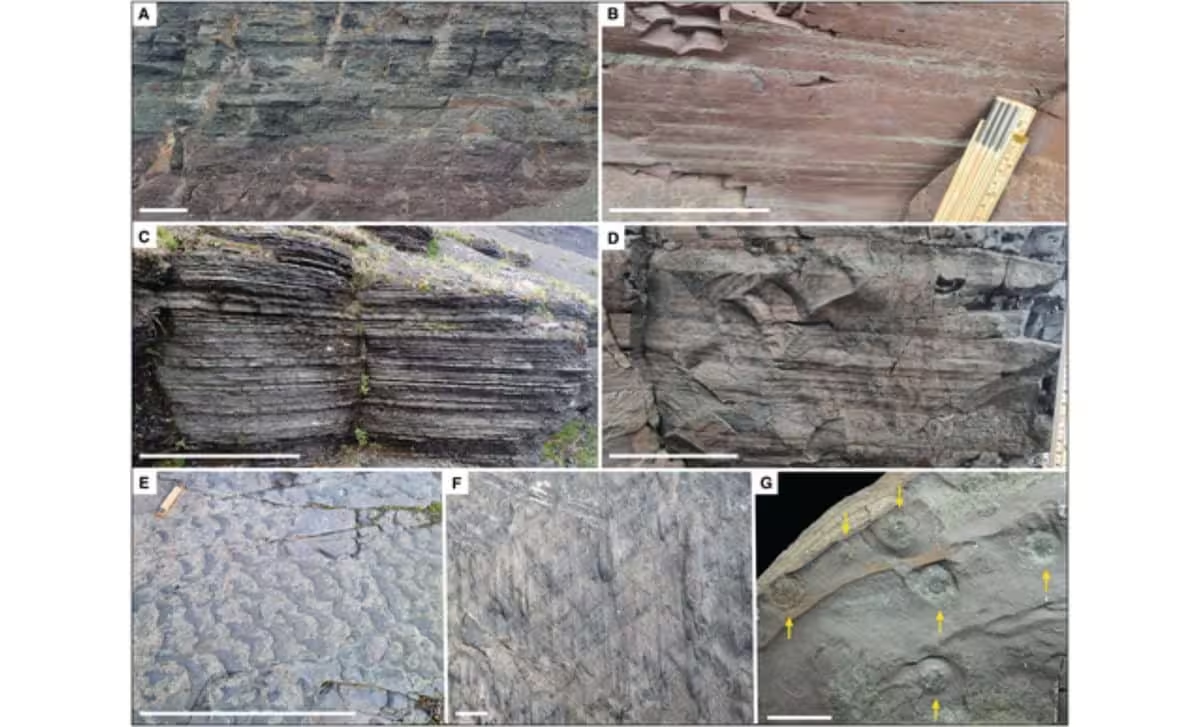
The sedimentary environment of the Indreelva Member—characterized by periodic shifts between calm, mud-depositing marine conditions and rapid, high-energy sediment flows—provides a snapshot of life in the deep-water environments of the late Ediacaran. While assigning the new specimens to a specific Charnia species remains difficult due to a mix of conflicting physical characteristics, the presence of these organisms in the Vestertana Group highlights the biological complexity of the period.
This discovery confirms that Scandinavia holds a crucial piece of the puzzle regarding global Ediacaran biodiversity. As scientists continue to analyze the Vestertana Group, these fossils stand as a testament to the evolutionary innovations occurring just before the dawn of the Cambrian, offering new insights into how early life occupied the ancient oceans.
This article has been fact checked for accuracy, with information verified against reputable sources. Learn more about us and our editorial process.
Last reviewed on .
Article history
- Latest version
Reference(s)
- Veenma, Yorick P.., et al. “Charnia and other late Ediacaran macrofossils preserved in turbiditic deposits of the Indreelva Member (Finnmark, Norway).” Palaeontology, vol. 69, no. 5, September 9, 2026 Wiley, doi: 10.1111/pala.70082. <https://onlinelibrary.wiley.com/doi/10.1111/pala.70082>.
Cite this page:
- Posted by Zara Tariq